
Stop Using Antibacterial Soap on Your Children: FDA Warning and Safe Alternatives for Families in Dubai
Are you using antibacterial or antiseptic soap to keep your children clean and protected from germs? You might be surprised to learn that these products could be doing more harm than good. At myPediaClinic in Dubai Healthcare City, we want parents to understand the important FDA warning about antibacterial soaps and make informed choices for their family’s health.
Dr. Medhat Abu-Shaaban and Dr. Yasmin Kottait, our award-winning pediatricians in Dubai, recommend that parents stop using antibacterial and antiseptic soaps on their children. This comprehensive guide explains why regular soap is actually better for your family, what harmful ingredients to avoid, and how to keep your children healthy and clean without unnecessary chemicals.
Understanding the FDA Warning on Antibacterial Soaps
In a landmark decision that affects families worldwide, including those in Dubai and the UAE, the United States Food and Drug Administration (FDA) issued a warning about antibacterial soap products. This regulatory action has important implications for how parents should approach hygiene for their children.
What the FDA Found
After years of research and evaluation, the FDA determined that certain active ingredients commonly used in over-the-counter consumer antiseptic products are “not generally recognized as safe and effective.” This means:
- These products have not been proven to be any more effective than regular soap and water
- The safety of long-term daily use has not been established
- Some ingredients may pose health risks that outweigh any potential benefits
- Manufacturers could not provide sufficient data to support safety and effectiveness claims
The 19 Banned Ingredients
The FDA identified 19 active ingredients that manufacturers can no longer use in consumer antiseptic wash products. The most common ones parents should watch for include:
- Triclosan: The most widely used antibacterial agent in soaps
- Triclocarban: Common in bar soaps
- Cloflucarban
- Fluorosalan
- Hexachlorophene
- Hexylresorcinol
- Iodine complex
- Methylbenzethonium chloride
- Phenol
- Triple dye
- And nine additional compounds
Why This Matters for Families in Dubai
While the FDA is a US regulatory body, its findings are based on scientific research that applies universally. Parents in Dubai and throughout the UAE should be equally concerned about these ingredients in products they use on their children. Many antibacterial products sold internationally contain these same problematic ingredients.
The Problems with Antibacterial Soap
Understanding why antibacterial soaps are problematic helps parents make better choices for their children’s health. The issues go beyond lack of effectiveness to include serious potential health risks.
No Additional Benefit Over Regular Soap
The fundamental problem with antibacterial soaps is that they simply do not work better than regular soap:
- Equal effectiveness: Regular soap and water removes germs and dirt just as effectively as antibacterial versions
- Mechanical cleaning: The physical action of washing with any soap removes pathogens from skin
- No faster action: Antibacterial agents need prolonged contact to kill germs, longer than typical handwashing allows
- Same outcomes: Studies show no difference in illness rates between users of regular versus antibacterial soap
Contribution to Antibiotic Resistance
One of the most serious concerns about antibacterial soaps is their role in creating antibiotic-resistant bacteria:
- Selective pressure: Constant exposure to antibacterial agents encourages bacteria to develop resistance
- Cross-resistance: Resistance to antibacterial soap ingredients can lead to resistance to medical antibiotics
- Global health threat: Antibiotic resistance is recognized as one of the greatest threats to human health worldwide
- Harder to treat infections: Resistant bacteria cause infections that are more difficult and expensive to treat
Hormonal and Thyroid Concerns
Research has raised concerns about the effects of antibacterial ingredients on the endocrine system:
- Hormone disruption: Triclosan and similar chemicals may interfere with hormone function
- Thyroid effects: Studies suggest possible impacts on thyroid hormone levels
- Developmental concerns: Growing children may be particularly vulnerable to endocrine-disrupting chemicals
- Cumulative exposure: These chemicals are found in many products, increasing total exposure
Environmental Impact
Antibacterial chemicals do not just affect human health but also harm the environment:
- Water contamination: These chemicals wash down drains and enter water systems
- Aquatic toxicity: Triclosan is toxic to algae and other aquatic organisms
- Persistence: These chemicals do not break down quickly in the environment
- Bioaccumulation: They can build up in wildlife and potentially in the food chain
Hidden Sources of These Chemicals
Antibacterial and antimicrobial chemicals are not just found in soaps. Parents in Dubai should be aware of the many products that may contain these ingredients.
Personal Care Products
- Hand soaps: Both liquid and bar varieties
- Body washes: Including children’s products
- Toothpaste: Some brands contain triclosan
- Mouthwash: Antimicrobial formulations
- Deodorants: Some antiperspirant products
- Cosmetics: Various makeup and skincare items
Household Products
- Dish soap: Antibacterial formulations
- Cleaning products: Surface cleaners and disinfectants
- Laundry detergent: Products claiming antibacterial action
- Kitchen items: Cutting boards, sponges, and utensils
Children’s Products
- Toys: Some plastic toys contain antimicrobial agents
- Baby products: Bottles, pacifiers, and teething toys
- Clothing: Some fabrics are treated with antibacterial chemicals
- Bedding: Antimicrobial-treated sheets and mattress covers
- School supplies: Pencil cases, backpacks, and lunch containers
Other Sources
- Pesticides: Triclosan is used in some pesticide products
- Plastics: Various plastic products contain antimicrobial additives
- Kitchenware: Cutting boards and food storage containers
- Medical devices: Some consumer medical products
Safe and Effective Hand Hygiene for Children
The good news is that keeping children clean and healthy does not require antibacterial products. Regular soap and proper washing technique are all that is needed.
The Right Way to Wash Hands
Proper handwashing with regular soap is the gold standard for hygiene:
- Wet hands: Use clean running water (warm or cold)
- Apply soap: Regular soap without antibacterial ingredients
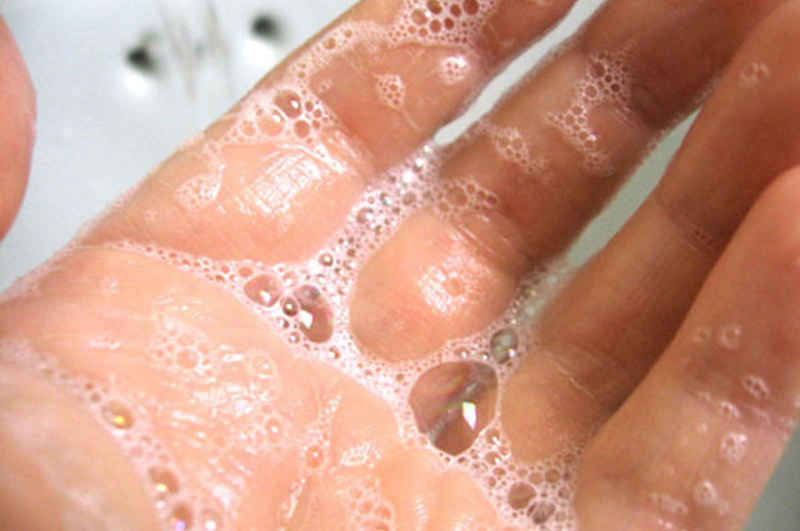
- Lather thoroughly: Rub hands together, including backs of hands, between fingers, and under nails
- Scrub for 20 seconds: Teach children to sing “Happy Birthday” twice
- Rinse well: Under clean running water
- Dry hands: With a clean towel or air dry
When Children Should Wash Hands
Teach children in Dubai to wash hands at these key times:
- Before eating or preparing food
- After using the bathroom
- After playing outside
- After touching animals or pets
- After coughing, sneezing, or blowing nose
- After visiting public places
- Before and after visiting someone who is sick
- After taking public transportation
- After swimming in pools or beaches
Choosing Safe Soap Products
When selecting soap for your family:
- Look for simple formulas: Fewer ingredients generally means fewer chemicals
- Avoid “antibacterial” or “antimicrobial” labels: Regular soap works just as well
- Check ingredient lists: Avoid triclosan and triclocarban
- Choose fragrance-free options: Especially for children with sensitive skin
- Consider natural soaps: Plant-based options with minimal additives
- Read labels carefully: Marketing claims can be misleading
Hand Sanitizers: When and How to Use Them
Hand sanitizers have a place in hygiene but should not replace handwashing. Understanding their proper use helps parents make good choices.
When Hand Sanitizers Are Appropriate
- When soap and water are not available: Traveling, outdoor activities, or emergencies
- Quick clean in public: After touching surfaces in malls or transportation
- Healthcare settings: When recommended by medical professionals
- Supplementary use: In addition to, not instead of, regular handwashing
Choosing Safe Hand Sanitizers
- Alcohol-based: Look for at least 60% alcohol content
- Avoid triclosan: Some sanitizers contain this problematic ingredient
- Fragrance-free: Especially for children with sensitive skin
- Moisturizing formulas: Alcohol can dry children’s skin
Limitations of Hand Sanitizers
Parents should understand that hand sanitizers:
- Do not work well on visibly dirty or greasy hands
- May not remove all types of germs
- Are less effective against certain pathogens like norovirus
- Should be used with adult supervision for young children
- Can be harmful if swallowed
Reducing Chemical Exposure in Your Dubai Home
Beyond soap, parents can take steps to reduce their children’s overall exposure to harmful chemicals commonly found in household products.
Kitchen and Food Safety
- Regular cutting boards: Choose untreated wooden or plastic boards and clean them well
- Standard dish soap: Regular formulas clean effectively without antibacterial additives
- Food storage: Glass or stainless steel containers avoid plastic additives
- Clean with hot water: Proper washing eliminates germs without special chemicals
Bathroom and Personal Care
- Regular soap: For hands and body
- Simple toothpaste: Check for triclosan-free formulations
- Natural personal care: Minimize unnecessary chemical ingredients
- Separate towels: Each family member uses their own towel
Children’s Rooms and Toys
- Natural materials: Wood and fabric toys over antimicrobial-treated plastics
- Regular cleaning: Soap and water clean toys effectively
- Cotton bedding: Avoid antimicrobial-treated fabrics
- Ventilation: Fresh air helps maintain a healthy environment
Laundry and Cleaning
- Regular detergent: Antibacterial additives are unnecessary for most laundry
- Hot water: Use appropriate temperatures to sanitize when needed
- Simple cleaners: Regular cleaning products work well without antimicrobials
- Microfiber cloths: Effective at capturing germs without chemicals
Building Healthy Immune Systems
Ironically, over-sanitization may actually harm children’s immune development. Understanding the role of natural exposure helps parents find the right balance.
The Hygiene Hypothesis
Research suggests that some exposure to germs is important for healthy immune development:
- Immune training: The immune system learns to recognize threats through exposure
- Allergy prevention: Some exposure may reduce allergy and asthma risk
- Microbiome health: Diverse bacterial exposure supports gut health
- Balance is key: Good hygiene without obsessive sterilization
Healthy Activities for Children in Dubai
Allow children age-appropriate exposure to the natural environment:
- Outdoor play: Parks, beaches, and playgrounds
- Gardening: Playing with soil and plants
- Pet interaction: Supervised time with animals
- Sand play: Beach and sandbox activities
- Social interaction: Playing with other children
When Cleanliness Matters Most
Focus hygiene efforts on times when cleanliness is truly important:
- Food preparation and eating
- After using the bathroom
- When someone in the home is sick
- After contact with animals
- Wound care and first aid
Nutrition and Reducing Chemical Exposure
Diet can also contribute to chemical exposure. At myPediaClinic in Dubai, our team can provide guidance on reducing chemical intake through food choices.
Food-Related Chemical Exposure
- Pesticide residues: Found on some produce
- Food packaging: Some chemicals transfer from packaging to food
- Processed foods: May contain various additives
- Water contaminants: Quality varies by source
Reducing Dietary Chemical Exposure
- Wash produce: Rinse fruits and vegetables thoroughly
- Choose organic when possible: Especially for the most contaminated produce
- Minimize processed foods: Whole foods have fewer additives
- Use glass containers: For food storage and heating
- Filtered water: Consider a quality water filter
Nutritional Consultation at myPediaClinic
Our pediatric team in Dubai can help families:
- Identify potential sources of harmful chemicals in the diet
- Create healthy eating plans for children
- Address specific nutritional concerns
- Guide families toward healthier household products
What to Look for When Shopping in Dubai
Being an informed consumer helps protect your family. Here are tips for shopping for safe products in Dubai.
Reading Product Labels
- Ingredient lists: Learn to identify problematic chemicals
- Marketing claims: “Antibacterial” and “antimicrobial” are warning signs
- Certifications: Look for recognized safety certifications
- Country of origin: Some regions have stricter regulations
Questions to Ask
- Does this product contain triclosan or triclocarban?
- Is this labeled as antibacterial or antimicrobial?
- What are the active ingredients?
- Is there a simpler alternative available?
Safe Alternatives Available in Dubai
- Regular bar soap and liquid hand soap
- Natural and organic soap brands
- Fragrance-free gentle cleansers
- Simple cleaning products without antibacterial claims
Teaching Children About Proper Hygiene
Educating children about hygiene without creating anxiety about germs helps them develop healthy habits that last a lifetime. Here’s how to approach hygiene education in an age-appropriate way.
For Toddlers and Preschoolers
Young children learn best through fun and repetition. Make handwashing enjoyable by singing songs while washing (the “Happy Birthday” song twice equals about 20 seconds). Use colorful, child-friendly soap dispensers. Let them choose their own special hand towel. Create a step stool routine so they can reach the sink independently. Praise their efforts and make it a positive experience rather than a chore.
For School-Age Children
Older children can understand more about why hygiene matters. Explain in simple terms how germs spread and how soap works. Discuss when handwashing is most important (before eating, after bathroom, after playing outside). Teach them to recognize when hands are dirty and need washing. Encourage them to wash hands at school before lunch and after using the bathroom. Help them understand that regular soap works just as well as “special” antibacterial products.
For Teenagers
Teens can understand the science behind hygiene and make their own product choices. Discuss the FDA findings and why antibacterial products aren’t recommended. Explain antibiotic resistance and its global health implications. Encourage them to read product labels and make informed choices. Help them understand that good hygiene doesn’t require harsh chemicals. Discuss the environmental impact of certain chemicals.
Common Myths About Antibacterial Products
Many misconceptions persist about antibacterial products. Understanding the facts helps parents make better decisions.
Myth: Antibacterial Soap Kills More Germs
Fact: The FDA found no evidence that antibacterial soaps are more effective than regular soap at preventing illness or removing germs. Regular soap works by lifting germs off the skin so they can be rinsed away, which is just as effective as killing them.
Myth: We Need Antibacterial Products to Stay Healthy
Fact: Humans lived for thousands of years without antibacterial products. Good hygiene with regular soap, clean water, and proper food handling protects against most common infections. Over-reliance on antibacterial products may actually harm health by contributing to antibiotic resistance.
Myth: Antibacterial Products Are Harmless
Fact: Research has raised concerns about hormone disruption, thyroid effects, and contribution to antibiotic resistance. These chemicals also persist in the environment and can harm aquatic ecosystems. The risks may outweigh any unproven benefits.
Myth: More Cleaning Equals Better Health
Fact: While basic hygiene is important, over-sanitization may actually harm children’s immune development. The “hygiene hypothesis” suggests that some exposure to germs helps train the immune system and may reduce allergies and autoimmune conditions.
Myth: Antibacterial Products Prevent Cold and Flu
Fact: Most colds and flu are caused by viruses, not bacteria. Antibacterial products target bacteria and have no effect on viruses. Regular handwashing with any soap helps prevent viral transmission by removing virus particles from hands.
Special Considerations for Dubai Families
Living in Dubai presents some unique considerations when it comes to hygiene and chemical exposure.
Climate Considerations
Dubai’s hot climate means more frequent bathing and handwashing, which increases exposure to soap products. Choosing gentle, chemical-free options becomes even more important when products are used frequently. Air-conditioned environments can dry skin, so mild, moisturizing soaps help prevent irritation.
Public Facilities
Many public facilities in Dubai provide antibacterial soap in restrooms. When possible, choose facilities that offer regular soap, or carry your own travel-sized soap or alcohol-based sanitizer. Teach children to wash thoroughly regardless of what soap is available since the washing technique matters more than the soap type.
School and Nursery Settings
Schools and nurseries in Dubai often use antibacterial products in an effort to reduce illness spread. Parents can speak with administrators about the evidence that regular soap is equally effective and safer. Advocacy for healthier product choices benefits all children in the facility.
Product Availability
Dubai’s diverse retail market offers many product options. Health food stores, organic markets, and some supermarkets carry natural soap alternatives. Online shopping provides access to international brands with transparent ingredient lists. Look for products certified by recognized safety organizations.
Frequently Asked Questions
Is antibacterial soap more effective at killing germs than regular soap?
No, antibacterial soap is not more effective than regular soap at removing germs from hands. The FDA found that manufacturers could not demonstrate that antibacterial soaps are any better at preventing illness than washing with regular soap and water. The mechanical action of washing with any soap effectively removes bacteria and viruses from skin. At myPediaClinic in Dubai, we recommend regular soap for all family members.
What should I use instead of antibacterial soap for my children?
Use regular soap and water for handwashing and bathing. Choose simple soap formulas without antibacterial or antimicrobial claims. Look for fragrance-free options for children with sensitive skin. Natural, plant-based soaps with minimal ingredients are excellent choices. When soap and water are unavailable, use an alcohol-based hand sanitizer with at least 60% alcohol content.
Are antibacterial products sold in Dubai safe to use?
While regulatory standards vary by country, the scientific concerns about antibacterial ingredients are universal. Many antibacterial products sold in Dubai contain the same ingredients that the FDA found to be not generally recognized as safe and effective. Parents should check ingredient lists and avoid products containing triclosan, triclocarban, and other antibacterial agents. Consult with your pediatrician at myPediaClinic for guidance on safe product choices.
Can using antibacterial products actually make my child sick?
There are several concerns about antibacterial products: they may contribute to antibiotic resistance, potentially disrupt hormones and thyroid function, and offer no additional protection against illness. Additionally, some researchers suggest that over-sanitization may interfere with healthy immune development in children. While occasional exposure is unlikely to cause immediate harm, daily long-term use is not recommended.
How do I know if a product contains harmful antibacterial ingredients?
Check the product’s ingredient list for triclosan, triclocarban, and other antibacterial agents. Avoid products labeled as “antibacterial,” “antimicrobial,” or “kills 99.9% of germs” unless you specifically need a medical-grade sanitizer. When in doubt, choose simple, basic soap products. Our team at myPediaClinic in Dubai can provide guidance on identifying safe products for your family.
Should I throw away all my antibacterial products?
While there’s no need to panic, it’s wise to transition away from antibacterial soaps and cleansers. Finish what you have if you prefer not to waste products, but replace them with regular soap when it’s time to purchase new supplies. Focus first on replacing products used most frequently, such as hand soap and body wash. Over time, switch your household to safer alternatives that work just as effectively without the potential health and environmental risks.
Why does the FDA warning matter if I live in Dubai?
The FDA’s conclusions are based on scientific research that applies universally, not just in the United States. The same chemicals found in antibacterial products sold in America are present in products sold worldwide, including in Dubai. The health concerns about antibiotic resistance, hormone disruption, and lack of effectiveness apply to children everywhere. At myPediaClinic, we follow international evidence-based guidelines to protect children’s health.
Can I still use antibacterial soap in special situations?
For most household situations, regular soap and water is sufficient and recommended. Antibacterial products are generally unnecessary even during cold and flu season. However, in medical settings or for immunocompromised individuals, healthcare providers may recommend specific antimicrobial products. Always consult with your pediatrician at myPediaClinic before using specialized products on children with health conditions.
Are natural or organic soaps better for children?
Natural and organic soaps can be excellent choices, especially those with simple ingredient lists and no synthetic fragrances or dyes. However, “natural” does not automatically mean safer or better. Some natural ingredients can cause skin irritation or allergic reactions. Read ingredient lists carefully, choose products appropriate for your child’s age and skin type, and watch for any adverse reactions when introducing new products.
How often should children wash their hands?
Children should wash hands before eating, after using the bathroom, after playing outside, after touching animals, after coughing or sneezing, and when hands are visibly dirty. While frequent handwashing is important for preventing illness, over-washing can dry and irritate skin, especially in Dubai’s climate. Use moisturizing soap and apply lotion if your child’s hands become dry or cracked.
What if my child’s school uses antibacterial soap?
While parents cannot control all products used at school, you can speak with school administrators about the research showing regular soap is equally effective and safer. Provide information about the FDA findings and offer to share resources about safe hygiene practices. You can also send your child with a small bottle of regular soap or alcohol-based hand sanitizer for personal use.
Are hand sanitizers with triclosan better than alcohol-based ones?
No, alcohol-based hand sanitizers are the recommended choice when soap and water are unavailable. The FDA has also raised concerns about triclosan in hand sanitizers. Choose sanitizers containing at least 60% alcohol rather than those containing triclosan or other antibacterial chemicals. Alcohol-based sanitizers are effective against most germs and do not contribute to antibiotic resistance.
Can antibacterial chemicals in products affect my child’s growth?
Research suggests that triclosan and similar chemicals may act as endocrine disruptors, potentially interfering with hormone function. Since hormones play crucial roles in growth and development, exposure to endocrine-disrupting chemicals is particularly concerning for children. While more research is needed to fully understand long-term effects, avoiding unnecessary exposure to these chemicals is a prudent precaution.
How can I teach my child good hygiene without antibacterial products?
Focus on proper handwashing technique rather than special products. Teach the six-step handwashing method: wet, apply soap, lather for 20 seconds, rinse, and dry. Make handwashing fun with songs, colorful towels, or child-friendly soap dispensers. Explain that the scrubbing action and soap (any soap) work together to remove germs. Praise good hygiene habits to reinforce positive behaviors.
Are antibacterial wipes safe for children?
Many antibacterial wipes contain the same problematic chemicals found in antibacterial soaps, including triclosan and benzalkonium chloride. Regular cleaning wipes or simply washing with soap and water are safer alternatives for cleaning children’s hands, faces, and toys. If you use wipes for convenience, choose alcohol-based wipes without added antibacterial chemicals, or simple baby wipes for cleaning skin.
What should I do if my child has been using antibacterial soap for years?
Simply switch to regular soap going forward. The body eliminates triclosan and similar chemicals relatively quickly once exposure stops. There’s no need for special treatments or cleanses. If you have specific concerns about your child’s exposure to these chemicals, discuss them with your pediatrician at myPediaClinic during your next visit.
Do hand soaps need to foam to work effectively?
No, foam is not necessary for effective hand cleaning. Both foaming and non-foaming soaps work equally well when used with proper handwashing technique. Some children find foam fun, which can encourage handwashing, but from a hygiene perspective, regular liquid or bar soap is just as effective. The scrubbing action and duration of washing matter more than whether the soap foams.
Are there any situations where antibacterial soap is actually needed?
For typical household use, antibacterial soap is not needed. Healthcare facilities use medical-grade antimicrobial products in specific situations, but these are different from consumer antibacterial soaps. If your child has a compromised immune system or specific medical condition, your healthcare provider at myPediaClinic will recommend appropriate hygiene products. For healthy children, regular soap and water is the gold standard.
Can I make my own natural soap at home for my children?
Homemade soap can be a safe option if made properly, but soap-making requires careful attention to safety, especially when using lye. If interested in homemade soap, research proper techniques thoroughly or take a class. Alternatively, many companies sell handmade natural soaps with simple, transparent ingredient lists. Whether homemade or purchased, ensure soap is age-appropriate and test on a small skin area first to check for reactions.
How does Dubai’s water quality affect the effectiveness of soap?
Dubai has hard water in many areas, which can reduce soap lathering and leave residue on skin. However, hard water does not significantly affect soap’s ability to remove germs when proper handwashing technique is used. If hard water is a concern, consider installing a water softener, or use soap specifically formulated for hard water. The most important factors remain handwashing technique and duration, not water type.
Pediatric Guidance at myPediaClinic Dubai
At myPediaClinic in Dubai Healthcare City, we help families make informed decisions about their children’s health, including product safety and hygiene practices. Dr. Medhat Abu-Shaaban, Dr. Yasmin Kottait, and our team provide evidence-based guidance for healthy living.
Our services include:
- Well-child checkups and preventive care
- Guidance on safe products and practices
- Nutritional consultations
- Management of skin conditions and allergies
- Family health education
- Identification of harmful chemical exposures
Contact myPediaClinic:
- Location: Dubai Healthcare City, Dubai, UAE
- Book online: Schedule an Appointment
- Phone: +971-4-430-5926
Protect your children by making informed choices. Contact the Best Pediatric Clinic in Dubai for guidance on healthy living for your family.