

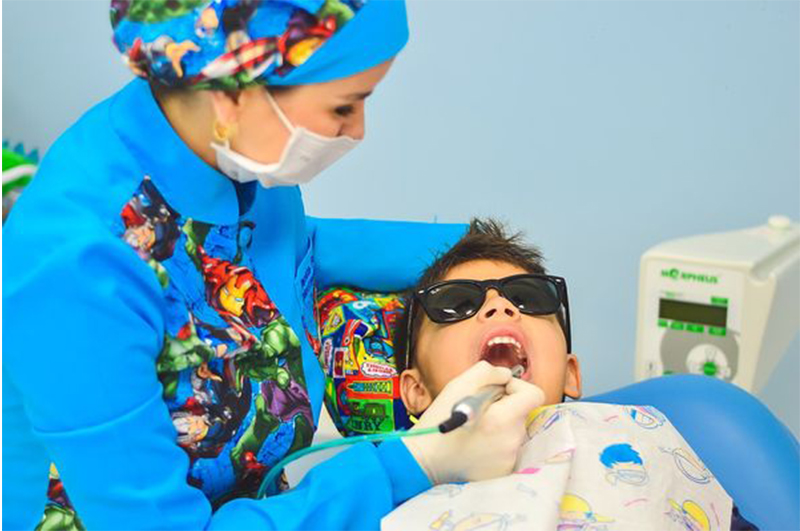
Expert Guide to Dental Health Care for Non-Cooperative Children in Dubai
Managing dental care for non-cooperative children presents unique challenges that every parent in Dubai faces at some point. Whether your child becomes anxious at the sight of the dental chair, refuses to open their mouth, or experiences overwhelming fear during dental visits, you’re not alone. At myPediaClinic in Dubai Healthcare City, our experienced pediatric dentistry team, led by Dr. Yasmin Kottait and supported by our pediatric specialists including Dr. Medhat Abu-Shaaban, understands these challenges and employs proven strategies to make dental care comfortable and effective for even the most resistant young patients.
Non-cooperative behavior in children during dental visits stems from various sources—fear of the unknown, previous negative experiences, sensory sensitivities, developmental challenges, or simply the natural anxiety that comes with unfamiliar medical environments. Understanding these underlying causes and implementing appropriate behavioral management techniques can transform dental visits from traumatic experiences into positive, manageable appointments that protect your child’s oral health.
Understanding Non-Cooperative Behavior in Pediatric Dentistry
Non-cooperative behavior in children during dental appointments manifests in many forms, ranging from mild reluctance to complete refusal of treatment. Some children exhibit physical resistance, turning their heads away, clenching their jaws, or attempting to leave the dental chair. Others may display emotional responses like crying, screaming, or pleading to stop the procedure. In Dubai’s multicultural environment, language barriers can sometimes compound these challenges, making it essential to work with pediatric dental teams experienced in communicating across cultural boundaries.
At myPediaClinic, we recognize that non-cooperative behavior rarely reflects defiance or poor parenting. Instead, it typically indicates genuine fear, anxiety, or discomfort that the child cannot articulate or control. Children between ages 2-6 often struggle most with dental cooperation, as they’re developing emotional regulation skills while facing unfamiliar situations that trigger their natural fight-or-flight responses.
Common Causes of Dental Anxiety in Children
Identifying the root cause of your child’s dental anxiety helps determine the most effective management approach. Fear of pain ranks among the most common triggers, especially if a child has experienced discomfort during previous dental work or medical procedures. Even routine cleanings can feel intimidating when children don’t understand what to expect or why these procedures are necessary.
Sensory sensitivities significantly impact dental cooperation. The bright lights, unfamiliar sounds of dental equipment, unique tastes of dental materials, and physical sensations of instruments in the mouth can overwhelm children with sensory processing differences. Many children in Dubai with autism spectrum disorders or ADHD require specialized behavioral management techniques to accommodate their unique sensory needs during dental care.
Past negative experiences create lasting associations with dental visits. A child who once gagged during impressions, felt pain during a procedure, or simply felt frightened during a previous appointment may develop anticipatory anxiety that makes future cooperation extremely difficult. Breaking this cycle requires patience, understanding, and strategic behavioral interventions.
Behavioral Management Techniques at myPediaClinic Dubai
Modern pediatric dentistry employs numerous evidence-based behavioral management techniques that help children overcome their fears and cooperate with necessary dental care. At our Dubai Healthcare City location, Dr. Yasmin Kottait and our pediatric dental team utilize a comprehensive approach tailored to each child’s specific needs, developmental stage, and anxiety triggers.
Tell-Show-Do Technique
The Tell-Show-Do method represents one of the most effective and widely used behavioral management strategies in pediatric dentistry. This approach systematically introduces dental procedures in a non-threatening way that builds trust and reduces anxiety.
During the “Tell” phase, our dentists explain the upcoming procedure using age-appropriate, non-frightening language. Instead of saying “This might hurt,” we use positive terminology like “You’ll feel some pressure” or “The tooth will feel sleepy.” For young children in Dubai who speak different languages at home, we often incorporate visual aids and simple demonstrations that transcend language barriers.
The “Show” phase involves demonstrating the procedure on a model, the parent, or the dentist’s own hand, allowing children to observe without personal involvement. Children might touch instruments, hear the sounds of equipment, or watch water spray from the dental tool—all in a controlled, non-threatening manner that demystifies the experience.
Finally, the “Do” phase implements the actual procedure. Having been prepared through Tell and Show, children typically exhibit significantly improved cooperation. This technique works exceptionally well for routine procedures like cleanings, fluoride applications, and simple restorative work.
Positive Reinforcement and Rewards
Children respond remarkably well to positive reinforcement, which shapes behavior through encouragement and rewards rather than criticism or punishment. At myPediaClinic, we celebrate every small success during dental appointments—sitting in the chair, opening the mouth, allowing the dentist to count teeth, or remaining still during a procedure.
Verbal praise delivered enthusiastically and specifically helps children understand which behaviors we want to see repeated. Rather than generic “good job” comments, we offer specific feedback: “You did an amazing job keeping your mouth open while I cleaned your back teeth!” This specificity reinforces the exact behavior we’re encouraging.
Many Dubai families appreciate our reward system, which offers small prizes after successful appointments. Stickers, toys, or the opportunity to choose from a treasure box provide tangible acknowledgment of cooperation. While some parents worry about “bribing” children, research supports reward systems as effective, ethical behavioral management tools that reduce anxiety and build positive dental associations.
Distraction Techniques
Distraction redirects a child’s attention away from anxiety-producing aspects of dental care toward more pleasant stimuli. Our Dubai clinic incorporates numerous distraction strategies throughout the dental environment.
Visual distractions include ceiling-mounted televisions playing age-appropriate shows or movies, colorful murals on walls and ceilings, and moving mobiles that capture attention. Many children become so engrossed in their favorite cartoon that they barely notice the dental work proceeding.
Auditory distractions like music, storytelling, or conversation about the child’s interests help mask the sounds of dental equipment that often trigger anxiety. Headphones playing favorite songs allow children to control their auditory environment, increasing their sense of security during procedures.
Tactile distractions might include stress balls to squeeze, textured objects to hold, or gentle pressure on the child’s hand or shoulder. These physical anchors provide something concrete for anxious children to focus on besides the dental procedure.
Voice Control and Behavior Shaping
Voice control involves deliberate modulation of tone, volume, and pace of speech to influence a child’s behavior positively. Our pediatric dentists at myPediaClinic train extensively in voice control techniques that establish authority while maintaining warmth and compassion.
A calm, steady voice reassures anxious children and communicates confidence and control. When children begin to escalate emotionally, maintaining a consistent, soothing tone often prevents complete loss of cooperation. Conversely, injecting enthusiasm and excitement into our voices when praising cooperation amplifies the positive impact of reinforcement.
Behavior shaping involves gradually introducing increasingly complex dental procedures as children demonstrate readiness. A child who initially refuses to open their mouth might first be praised simply for sitting in the dental chair. Once comfortable with sitting, we progress to mouth opening, then to allowing instrument placement, and finally to completing actual dental work. This incremental approach builds confidence through successive approximations of the desired behavior.
Advanced Techniques for Severely Non-Cooperative Children
Despite the effectiveness of basic behavioral management techniques, some children require more advanced interventions to receive necessary dental care safely and effectively. At myPediaClinic in Dubai, we offer several specialized approaches for children who cannot cooperate with traditional methods.
Nitrous Oxide Sedation (Laughing Gas)
Nitrous oxide, commonly known as laughing gas, provides mild sedation that reduces anxiety while allowing children to remain conscious and responsive throughout dental procedures. This safe, effective option works well for moderately anxious children who need additional help relaxing during treatment.
Administered through a comfortable nasal mask, nitrous oxide takes effect within minutes, creating feelings of relaxation and mild euphoria that reduce dental anxiety. Children remain awake and can follow instructions, but feel significantly less stressed about the procedure. The effects wear off quickly after the mask is removed, allowing children to resume normal activities shortly after their appointment.
Dr. Yasmin Kottait frequently recommends nitrous oxide for children undergoing longer procedures, those with mild to moderate dental anxiety, or young patients who need help sitting still for extended periods. The safety profile of nitrous oxide in pediatric dentistry is excellent when administered by trained professionals, making it a valuable tool in our behavioral management arsenal.
Conscious Sedation
For children with severe dental anxiety or those requiring extensive dental work, conscious sedation provides a deeper level of relaxation while maintaining protective reflexes and the ability to respond to verbal commands. Administered orally or intravenously by trained anesthesiologists, conscious sedation allows comprehensive dental treatment to be completed comfortably in one or two appointments rather than spreading work across numerous stressful visits.
At myPediaClinic Dubai, we partner with board-certified pediatric anesthesiologists who specialize in sedation for young patients. This collaboration ensures the highest safety standards while providing effective anxiety management for children who truly need it. Parents appreciate being able to address multiple dental issues in a single sedated appointment, minimizing their child’s total exposure to dental anxiety.
Conscious sedation requires careful pre-operative preparation, including fasting guidelines and medical history review. Our team provides detailed instructions to Dubai families, ensuring children arrive properly prepared for safe, successful sedation experiences.
General Anesthesia
In some cases, general anesthesia represents the most appropriate option for dental care. Children with severe dental disease requiring extensive treatment, those with significant developmental disabilities preventing cooperation, or young patients with extreme dental phobia may benefit from dental treatment under general anesthesia.
General anesthesia allows complete dental rehabilitation in a single appointment while the child sleeps comfortably. This approach is particularly valuable for toddlers with multiple cavities, children with special healthcare needs, or patients whose previous traumatic dental experiences have made cooperation impossible despite other interventions.
myPediaClinic coordinates with Dubai’s top pediatric hospitals and surgical centers to provide dental treatment under general anesthesia when indicated. Dr. Yasmin Kottait works closely with pediatric anesthesiologists to ensure optimal safety and outcomes, with comprehensive pre-operative assessments and post-operative care instructions provided to families.
Preparing Your Child for Dental Visits: A Parent’s Guide
Parents play a crucial role in shaping their children’s attitudes toward dental care and their ability to cooperate during appointments. The preparation that occurs before arriving at the dental clinic significantly impacts how children behave once treatment begins.
Pre-Visit Communication Strategies
How you discuss upcoming dental appointments with your child can either increase or decrease anxiety. At myPediaClinic, we recommend introducing dental visits casually and positively, without excessive detail that might trigger worry. For young children, mentioning the appointment the day before provides enough preparation time without allowing excessive anticipation to build.
Use positive, simple language when describing what will happen. “The dentist will count your teeth and make them sparkly clean” sounds far less frightening than “The dentist needs to check for cavities and might need to drill your teeth.” Avoid using words like “hurt,” “pain,” “shot,” or “drill,” which carry negative connotations even when used in reassuring contexts.
Never use dental visits as threats or punishments. Statements like “If you don’t brush your teeth, the dentist will have to drill them” or “You’ll get a shot at the dentist if you eat too much candy” create fear-based associations with dental care that undermine cooperation and create long-term dental anxiety.
Reading Dental-Themed Books and Playing Dentist
Children’s books about dental visits provide excellent preparation tools, presenting dental care in friendly, non-threatening contexts. Many Dubai bookstores and libraries carry titles specifically designed to reduce dental anxiety in young children. Reading these books together allows you to discuss dental visits in a relaxed setting while building familiarity with dental concepts.
Playing dentist at home helps children rehearse the experience in a completely safe, controlled environment. Let your child examine your teeth with a toothbrush “mirror,” count their stuffed animals’ teeth, or take turns being the dentist and patient. This role-play builds familiarity and reduces fear of the unknown—one of the primary sources of dental anxiety.
Managing Your Own Anxiety
Children are remarkably perceptive and often absorb their parents’ emotional states. If you feel anxious about your child’s dental appointment, they will likely sense this anxiety and mirror it. Many parents in Dubai unconsciously transmit dental fears they developed during their own childhoods, perpetuating cycles of dental anxiety across generations.
Before your child’s appointment, examine your own feelings about dental care. If you harbor significant dental fears, consider having another trusted adult—perhaps your spouse, partner, or relative who feels comfortable with dental visits—accompany your child instead. If you do attend, consciously project calm confidence, even if you don’t entirely feel it internally.
During appointments, our team at myPediaClinic may ask you to remain in the waiting room for certain procedures, particularly with older children. This separation isn’t a reflection on your parenting but rather an evidence-based strategy that often improves cooperation. Children sometimes behave differently without parental presence, and our dentists can more effectively implement behavioral management techniques when working one-on-one with patients.
Creating Positive Dental Experiences at myPediaClinic
The physical environment, staff approach, and overall philosophy of a pediatric dental practice significantly influence children’s cooperation and long-term attitudes toward oral health care. At myPediaClinic in Dubai Healthcare City, every aspect of our clinic design and staff training focuses on creating positive dental experiences that build rather than damage relationships between children and dental care.
Child-Friendly Clinic Design
From the moment families enter myPediaClinic, the environment communicates that this is a special place designed specifically for children. Bright colors, playful decorations, and age-appropriate furniture help children feel that this space was created with their needs in mind. Our waiting area features toys, books, and activities that distract from anxiety and create positive associations with visiting the dentist.
Treatment rooms balance fun aesthetics with professional dental equipment, demonstrating that serious healthcare can occur in welcoming, non-threatening environments. Ceiling murals, televisions, and comfortable dental chairs designed for small bodies make the treatment space feel less clinical and more child-centered.
Specialized Pediatric Dental Training
Dr. Yasmin Kottait and our entire dental team have received specialized training in pediatric dentistry and child psychology. This expertise extends far beyond technical dental skills to encompass child development, behavioral management, effective communication with young patients, and strategies for working with children with special healthcare needs.
Our staff understands that a child’s first dental experiences shape their lifelong relationship with oral health care. We prioritize patience, gentleness, and positive reinforcement over efficiency or strict adherence to schedules. If a child needs extra time to warm up, we provide it. If a procedure must be postponed because a child cannot cooperate that day, we reschedule rather than forcing treatment that could create traumatic memories.
Building Trust Through Consistency
Children thrive on consistency and predictability. At myPediaClinic, we strive to provide consistent experiences across appointments, with familiar faces, predictable routines, and reliable positive reinforcement. When possible, children see the same dentist for each visit, building a trusting relationship over time.
Our approach remains consistent even when behaviors aren’t perfect. We celebrate efforts and improvements rather than demanding perfect cooperation immediately. A child who opens their mouth for five seconds today receives enthusiastic praise, building toward longer cooperation in future visits. This patient, progressive approach yields far better long-term results than punitive responses to non-cooperation.
Special Considerations for Dubai’s Diverse Population
Dubai’s uniquely multicultural population presents both challenges and opportunities in pediatric dental care. At myPediaClinic, we embrace this diversity and adapt our approaches to meet the varying needs of families from around the world.
Multilingual Communication
Our staff speaks multiple languages, allowing us to communicate effectively with children and parents regardless of their primary language. When children understand explanations in their native language, anxiety often decreases significantly. We also employ visual aids and demonstrations that transcend language barriers, ensuring all children can understand what to expect during their dental visits.
Cultural Sensitivity in Care Delivery
Different cultures hold varying beliefs about healthcare, pain management, parental involvement, and appropriate responses to children’s distress. Our team receives ongoing training in cultural competency, helping us provide respectful, effective care that honors each family’s cultural background while maintaining evidence-based best practices in pediatric dentistry.
Some cultures emphasize stoicism and discourage expressing discomfort, while others allow more emotional expression. Understanding these cultural contexts helps our dentists interpret children’s behaviors accurately and communicate effectively with families about behavioral management strategies.
Long-Term Strategies for Reducing Dental Anxiety
While managing immediate non-cooperative behavior during appointments is important, developing long-term strategies that prevent dental anxiety from developing or worsening creates lasting benefits for children’s oral health and overall well-being.
Regular Preventive Visits
Children who visit the dentist regularly from an early age for preventive care rather than emergency treatment develop much more positive associations with dental visits. At myPediaClinic, we recommend beginning dental visits around the first birthday or when the first tooth erupts, whichever comes first.
These early visits involve simple examinations, gentle cleanings, and parent education rather than invasive procedures. Children become familiar with the dental environment during low-stress appointments, building comfort and trust before any treatment becomes necessary. This prevention-focused approach significantly reduces the likelihood of severe dental disease that might require extensive, anxiety-producing treatment later.
Consistent Home Oral Hygiene
Excellent oral hygiene at home prevents dental problems that require treatment, naturally reducing children’s exposure to potentially anxiety-producing dental procedures. Parents in Dubai who establish consistent brushing and flossing routines, limit sugary foods and drinks, and encourage healthy eating habits give their children the gift of healthier teeth and fewer dental interventions.
When dental problems do arise despite good home care, children whose parents have emphasized oral health understand that dental treatment helps solve problems rather than serving as punishment for poor hygiene. This reframing significantly impacts children’s willingness to cooperate with necessary dental work.
Addressing Dental Problems Promptly
Small dental problems are easier, quicker, and less invasive to treat than advanced decay or infections. Parents who bring children to myPediaClinic at the first sign of dental issues allow our team to provide simple interventions that children tolerate much better than the extensive work required when problems progress.
Postponing dental care because a child is anxious or non-cooperative creates a vicious cycle: delays allow problems to worsen, requiring more invasive treatment that produces more anxiety and resistance. Breaking this cycle by addressing issues promptly, even if behavioral management techniques or sedation are needed, ultimately serves children’s best interests.
Working with Children with Special Healthcare Needs
Children with autism spectrum disorders, developmental delays, sensory processing differences, or other special healthcare needs often require modified approaches to dental care. At myPediaClinic Dubai, we have extensive experience working with diverse pediatric populations, including children with complex medical and developmental needs.
Individualized Treatment Plans
No two children with special needs are identical. What works for one child with autism may not work for another. Our team at myPediaClinic develops highly individualized treatment plans based on each child’s specific sensitivities, communication style, behavioral patterns, and developmental level.
Pre-appointment consultations allow parents to share detailed information about their child’s triggers, effective calming strategies, communication preferences, and any accommodations that have worked in other healthcare settings. This collaboration between parents and dental professionals creates the foundation for successful dental care.
Sensory Accommodations
Many children with special needs experience heightened sensory sensitivities that make standard dental environments overwhelming. At myPediaClinic, we offer numerous sensory accommodations: dimmed lights for light-sensitive children, noise-canceling headphones for those bothered by dental equipment sounds, weighted blankets for children who find deep pressure calming, and opportunities for sensory breaks during longer appointments.
We also schedule appointments during quieter clinic times when possible, reducing overall sensory stimulation and allowing our team to provide undivided attention to children who need additional support.
Desensitization Programs
Some children with special needs benefit from systematic desensitization programs that gradually introduce dental experiences over multiple visits. Rather than attempting a full dental examination and cleaning on the first visit, we might simply have the child sit in the dental chair for a few minutes, then end the appointment with praise and rewards.
Subsequent visits gradually add elements: looking at the overhead light, allowing the dentist to examine teeth briefly, tolerating the sound of the suction device, and eventually cooperating with a full cleaning and examination. While this approach requires more appointments and patience, it builds genuine comfort and cooperation rather than forcing treatment that could traumatize the child.
Frequently Asked Questions About Dental Care for Non-Cooperative Children
At what age should I start bringing my child to the dentist if they’re anxious or non-cooperative?
We recommend starting dental visits around the first birthday regardless of cooperation concerns. Early visits establish familiarity with the dental environment during low-stress examinations before anxiety patterns develop. Children who begin dental visits as infants generally demonstrate better cooperation than those whose first visit occurs when treatment is already needed. At myPediaClinic in Dubai, we specialize in making these early visits positive and gentle, building a foundation for lifelong dental health.
How can I tell if my child’s dental anxiety is normal or requires professional intervention?
Most children experience some nervousness about dental visits, which is completely normal. However, extreme reactions—severe panic attacks, violent resistance, or anxiety that begins days before appointments and affects daily functioning—may indicate dental phobia requiring professional intervention. If your child’s anxiety prevents necessary dental care despite behavioral management techniques, discussing advanced options like sedation or working with a child psychologist may be appropriate. Our team at myPediaClinic can help assess whether your child’s anxiety falls within normal ranges or requires additional support.
Is sedation safe for young children during dental procedures?
When administered by qualified professionals, dental sedation is very safe for pediatric patients. At myPediaClinic, Dr. Yasmin Kottait works with board-certified pediatric anesthesiologists who specialize in sedation for children. We conduct thorough medical history reviews, provide detailed pre-operative instructions, and monitor children carefully throughout sedated procedures. While all medical interventions carry some risk, the safety record of pediatric dental sedation is excellent, and for some children, sedation makes the difference between receiving necessary dental care and suffering from untreated dental disease.
What should I do if my child had a traumatic dental experience previously?
Past negative dental experiences can create lasting anxiety, but these associations can be reshaped with patience and appropriate interventions. First, communicate the previous experience to your new dentist—at myPediaClinic, we adjust our approach based on children’s histories. Consider starting with a simple “meet and greet” visit where your child tours the clinic, meets the dentist, and receives positive experiences without any dental work. Gradually rebuild trust through successful, non-threatening appointments before attempting procedures that might trigger memories of the previous trauma.
Can parents stay in the treatment room during dental procedures in Dubai?
At myPediaClinic, we generally welcome parents in treatment rooms, especially for younger children and initial visits. However, for some children and certain procedures, cooperation actually improves when parents remain in the waiting area. This isn’t about excluding parents but rather recognizing that some children exhibit attention-seeking behaviors or look to parents to “rescue” them from uncomfortable but necessary procedures. Our dentists will discuss what arrangement works best for your specific child and situation, always prioritizing what leads to the most successful treatment outcomes.
How do I prevent my own dental fears from affecting my child?
Children are remarkably perceptive and often adopt their parents’ attitudes toward dental care. If you have dental anxiety, avoid discussing your fears around your child or sharing negative dental stories. Never use dental visits as threats. Consider having another adult who feels comfortable with dental care accompany your child to appointments if your anxiety is significant. Focus conversations about dental visits on positive aspects—the friendly dentist, fun toys in the waiting room, or the reward after appointments—rather than dwelling on potential discomfort.
What behavioral techniques work best for toddlers who won’t open their mouths?
For toddlers, distraction often works better than reasoning. Singing songs, playing peek-a-boo, or showing colorful objects captures their attention while dentists perform quick examinations. The “Tell-Show-Do” technique, adapted for very young children, helps build cooperation gradually. Some toddlers respond well to counting—”Let’s count your teeth!”—which frames mouth opening as a game rather than a demand. At myPediaClinic, our team has extensive experience with toddler behavior and employs age-appropriate techniques that respect developmental limitations while accomplishing necessary dental care.
Are there medications that can help children relax before dental appointments?
For some children with severe dental anxiety, pre-medication with mild anxiolytic medications may be appropriate. These medications, typically administered an hour before the appointment, help children arrive at the clinic in a more relaxed state. However, medication isn’t the first-line approach for most children. At myPediaClinic, we typically attempt behavioral management techniques first, reserving pre-medication for cases where anxiety significantly impairs cooperation despite other interventions. Any medication use requires thorough medical evaluation and parent education about proper administration and safety precautions.
How many appointments does it typically take for an anxious child to become comfortable with dental visits?
Every child is different, but most anxious children show significant improvement within 3-5 positive dental experiences. The key is ensuring those experiences are genuinely positive—free from pain, overwhelming stress, or forced cooperation that could reinforce fear. Children who receive patient, gentle care with appropriate behavioral management typically demonstrate progressive improvement in cooperation. Some children with severe anxiety or special needs may require more visits to build comfort, while others surprise us with rapid adaptation. Consistency and patience are essential regardless of the timeline.
What’s the difference between a regular dentist and a pediatric dentist when treating anxious children?
Pediatric dentists like Dr. Yasmin Kottait at myPediaClinic complete additional years of specialized training focused exclusively on children’s dental needs, development, and behavior management. This specialized education covers child psychology, growth and development, and techniques specifically designed for young patients. Pediatric dental practices feature child-friendly environments, specialized equipment sized for small mouths, and staff trained in communicating with children. While many general dentists see pediatric patients, pediatric specialists offer expertise particularly valuable when managing non-cooperative or anxious children.
Can dental anxiety in childhood lead to lifelong dental problems?
Unfortunately, yes. Children with severe dental anxiety often avoid dental care, leading to untreated decay, infections, and eventually extensive dental problems in adulthood. Adults with dental phobia frequently trace their fears to negative childhood dental experiences. This makes addressing dental anxiety in childhood crucial—not just for immediate cooperation but for establishing healthy patterns that last a lifetime. Positive pediatric dental experiences at clinics like myPediaClinic in Dubai create foundations for lifelong oral health and comfortable relationships with dental care.
Should I bring my child to urgent dental appointments if they’re extremely non-cooperative?
Dental emergencies require prompt treatment regardless of cooperation challenges. Untreated dental infections can become dangerous, and traumatic dental injuries need immediate care. Contact myPediaClinic immediately for urgent situations—our team is experienced in managing non-cooperative children during emergency treatment and can provide sedation if necessary to address urgent problems safely. Delaying emergency care due to cooperation concerns can lead to serious health complications and often makes eventual treatment more extensive and difficult.
How can I help my child practice opening their mouth wide for the dentist?
Make mouth-opening practice fun and playful at home. Play games like “lion roar” where everyone opens their mouths wide, or practice saying “AAAHHH” loudly. Let siblings or parents “count teeth” as a game. Use a small flashlight to “look for treasure” in each other’s mouths. Read books about dental visits and act them out with stuffed animals. These playful rehearsals build familiarity and muscle memory for keeping the mouth open, making actual dental appointments less challenging. The more normal and fun mouth examinations seem, the less anxiety they provoke.
What role does diet play in reducing the need for anxiety-producing dental procedures?
Diet plays a tremendous role in dental health. Children who consume frequent sugary snacks and drinks develop more cavities, requiring more dental interventions that can trigger anxiety. In Dubai, where sweet treats are abundant and easily accessible, parents who limit sugary foods and encourage water instead of juice or soda significantly reduce their children’s dental disease risk. Fewer cavities mean fewer drilling procedures, less discomfort, and naturally less dental anxiety. Healthy eating isn’t just good for overall health—it’s an anxiety-prevention strategy for dental care.
Can I request specific behavioral management techniques be used or avoided for my child?
Absolutely. At myPediaClinic, we view parents as partners in their children’s dental care. If certain approaches work particularly well for your child or if you have concerns about specific techniques, please communicate these preferences to our team. We’ll explain the behavioral management strategies we recommend and why, but we always consider parent input and preferences when developing treatment plans. Open communication between parents and dental professionals leads to the most successful outcomes for children.
How does the dental team at myPediaClinic handle children who cry throughout their appointments?
Crying doesn’t necessarily mean we must stop treatment, especially when care is urgently needed. Our team distinguishes between different types of crying—fearful crying that may respond to comfort and reassurance versus protest crying from children who simply don’t want to be there but aren’t experiencing actual distress. We use behavioral management techniques, distraction, and positive reinforcement while working efficiently to complete necessary treatment. However, if a child escalates to severe distress that prevents safe treatment, we may pause, implement additional behavioral strategies, or discuss sedation options for future appointments.
What should I tell my child the night before their dental appointment?
Keep pre-appointment discussions brief, positive, and matter-of-fact. You might say, “Tomorrow we’re visiting Dr. Yasmin at myPediaClinic. She’ll count your teeth and make them sparkly clean. Afterwards, we might get a treat.” Avoid lengthy explanations that could increase anticipatory anxiety. Don’t promise “it won’t hurt”—this introduces the concept of pain they might not have considered. Answer questions honestly but briefly, redirecting anxiety toward exciting post-appointment activities. For very anxious children, consider mentioning the appointment the morning of rather than the night before to minimize anticipatory worry.
Are there any warning signs that my child might have dental anxiety before their first appointment?
Some children demonstrate anxiety-prone temperaments that suggest they might struggle with dental visits. Children who are generally fearful of new experiences, highly sensitive to sensory input, resistant to physical examinations, or who have had difficulty with other medical appointments may exhibit similar challenges with dental care. However, many anxious children surprise us with good cooperation when appropriate behavioral management techniques are employed. At myPediaClinic, we’re prepared to work with all temperaments and adjust our approaches based on each child’s unique personality and needs.
Can teenagers still benefit from behavioral management techniques, or are these only for young children?
While behavioral management techniques were originally developed for young children, many strategies remain effective for teenagers with dental anxiety. Adolescents benefit from thorough explanations of procedures, distraction techniques like listening to music, relaxation exercises, and positive reinforcement. Teenagers often respond particularly well to being given control and choices during appointments. At myPediaClinic in Dubai, we adjust our communication style and behavioral approaches to suit each age group, respecting the developmental needs of teenagers while still providing the support they need to manage dental anxiety.
What happens if my child needs extensive dental work but cannot cooperate even with sedation?
For children requiring extensive dental treatment who cannot cooperate with office-based sedation, general anesthesia in a hospital or surgical center setting provides a safe alternative. This approach allows Dr. Yasmin Kottait to complete all necessary dental work comprehensively while your child sleeps comfortably under the care of pediatric anesthesiologists. While this represents a more significant intervention, it’s sometimes the most humane and effective option for children with severe dental disease and profound cooperation challenges. MyPediaClinic coordinates these hospital-based treatments when they’re in the child’s best interest.
How can I find out if my child has specific dental fears I should communicate to the dentist?
Conversation and observation help identify specific triggers. Ask your child what worries them about dental visits—you might be surprised at what they identify. Sometimes fears are concrete and addressable: “I don’t like the bright light” or “The buzzing sound scares me.” Other times, fears are vague: “I just don’t want to go.” Watch for what increases anxiety: certain dental-related words, images of dental offices, or discussions about specific procedures. Share these observations with our team at myPediaClinic so we can specifically address your child’s individual triggers with targeted behavioral management strategies.
Conclusion: Building a Foundation for Lifelong Dental Health
Managing dental care for non-cooperative children requires patience, expertise, and a comprehensive toolkit of behavioral management strategies. At myPediaClinic in Dubai Healthcare City, our team led by Dr. Yasmin Kottait and Dr. Medhat Abu-Shaaban combines advanced pediatric dental training with genuine compassion for children’s emotional needs, creating positive dental experiences even for the most anxious or resistant young patients.
The effort invested in addressing childhood dental anxiety pays lifelong dividends. Children who overcome their dental fears through positive experiences, appropriate behavioral support, and when necessary, safe sedation options develop healthy attitudes toward oral care that last into adulthood. They’re more likely to maintain regular dental visits, practice good oral hygiene, and pass positive dental attitudes to their own children someday.
For Dubai families facing the challenge of dental care for non-cooperative children, myPediaClinic offers the specialized expertise, child-friendly environment, and comprehensive behavioral management approaches necessary to transform dental anxiety into dental confidence. Whether your child needs routine preventive care or extensive restorative treatment, our team is prepared to provide gentle, effective care tailored to their unique needs.
Schedule a consultation with our pediatric dental team to discuss your child’s specific challenges and learn how we can work together to create positive dental experiences that protect their oral health and build their confidence. Every child deserves dental care delivered with patience, understanding, and respect for their individual needs—and that’s exactly what we provide at myPediaClinic Dubai.