

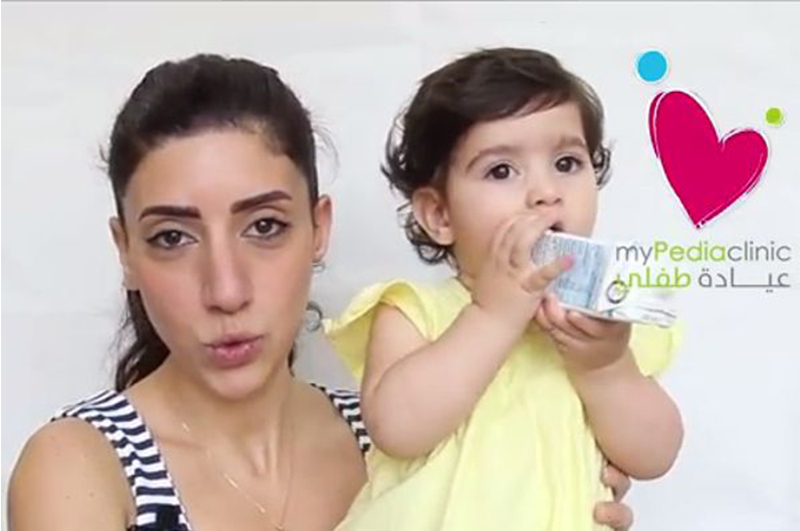
Sophie’s Journey: A Mother’s Story About Finding the Right Pediatric Care in Dubai
Finding the right pediatrician for your child in Dubai can feel overwhelming. With hundreds of clinics throughout the emirate, each claiming to offer exceptional care, how do you know which practice truly understands your family’s needs? Rita Absi, a Dubai mother, faced this exact challenge when her daughter Sophie was an infant. Her journey from uncertainty to confidence in her choice of myPediaClinic in Dubai Healthcare City offers valuable insights for other parents navigating pediatric healthcare decisions in this dynamic city.
Rita’s story reflects experiences common among Dubai’s expatriate community—arriving in a new country while expecting or with young children, needing to establish healthcare relationships quickly, and seeking providers who combine medical excellence with genuine compassion and cultural sensitivity. At myPediaClinic, we understand these challenges because families like Rita’s share them with us every day. Her experience with our team, particularly with Dr. Medhat Abu-Shaaban and Dr. Yasmin Kottait, demonstrates the difference that comprehensive, family-centered pediatric care makes in children’s health and parents’ peace of mind.
Rita’s Journey: The Search for Pediatric Care in Dubai
Rita and her family moved to Dubai shortly before Sophie’s birth, a timing that created immediate pressure to identify reliable healthcare providers in an unfamiliar healthcare system. Like many expatriate parents, Rita had concerns about navigating Dubai’s private healthcare model, understanding insurance coverage, and finding doctors who would take time to listen rather than rushing through appointments.
Initial Concerns and Challenges
As a first-time mother in a new country, Rita faced multiple challenges simultaneously. Learning to care for a newborn is demanding under any circumstances, but doing so while adjusting to a new city, climate, and culture intensified the experience. She needed a pediatrician who could provide not just medical care but also guidance, reassurance, and support as she navigated new motherhood.
Dubai’s healthcare landscape initially seemed confusing. Friends recommended various clinics and doctors, online reviews provided mixed messages, and insurance networks limited some choices. Rita wanted a pediatrician who would be available when needed, who practiced evidence-based medicine without over-testing or over-treating, and who would respect her instincts and questions rather than dismissing her concerns.
Discovering myPediaClinic
Rita discovered myPediaClinic through a recommendation from another expatriate mother in her community. The location in Dubai Healthcare City appealed to her—centrally located, easily accessible from various Dubai neighborhoods, and situated in a medical zone known for high-quality healthcare facilities. The clinic’s focus exclusively on pediatrics rather than being a general family practice suggested specialized expertise that Rita valued for Sophie’s care.
Scheduling an initial appointment was straightforward, with friendly administrative staff who explained insurance processes, clinic policies, and what to expect during first visits. This welcoming first impression set the tone for the ongoing relationship Rita would develop with myPediaClinic.
Sophie’s First Year: Building Trust Through Quality Care
Sophie’s first year of life involved the typical milestones, questions, and occasional health concerns that all parents experience. How Rita’s concerns were handled at myPediaClinic transformed her from a cautiously optimistic new patient to a confident advocate for the practice.
Well-Child Visits and Preventive Care
Regular well-child checkups form the foundation of pediatric care, tracking growth and development, administering vaccinations, and providing anticipatory guidance about upcoming developmental stages. Dr. Medhat Abu-Shaaban’s approach to these routine visits impressed Rita from the beginning. Rather than rushing through measurements and vaccines, he took time to discuss Sophie’s development, answer Rita’s questions (no matter how minor they seemed), and provide specific guidance about feeding, sleep, safety, and developmental expectations.
Rita particularly appreciated Dr. Abu-Shaaban’s communication style—explaining medical concepts clearly without condescension, encouraging questions, and respecting her knowledge of her own child. When Rita observed something concerning about Sophie’s behavior or development, Dr. Abu-Shaaban listened carefully, took her observations seriously, and addressed concerns thoroughly rather than dismissing them.
The well-child visit schedule followed evidence-based UAE and international guidelines, ensuring Sophie received appropriate monitoring without excessive appointments. Dr. Abu-Shaaban explained the purpose of each visit, what milestones to expect, and what warning signs should prompt earlier evaluation. This education empowered Rita to monitor Sophie’s development confidently between appointments.
Vaccination Guidance and Support
Vaccination represents one of the most important yet sometimes controversial aspects of pediatric care. Rita had read conflicting information online about vaccine safety, timing, and necessity, leaving her confused about the best approach for Sophie. Dr. Medhat Abu-Shaaban provided evidence-based information about vaccine benefits and risks, explained the UAE vaccination schedule, and addressed Rita’s specific concerns without judgment.
This collaborative approach helped Rita make informed decisions she felt comfortable with. She appreciated that Dr. Abu-Shaaban presented medical evidence and recommendations clearly while respecting that parents ultimately make healthcare decisions for their children. The clinic’s vaccination practices—using vaccines from reputable manufacturers, maintaining proper cold chain storage, monitoring children after vaccinations—demonstrated attention to quality and safety that reassured Rita.
When Sophie developed mild fever after one vaccination, Rita called myPediaClinic’s nurse line for guidance. The nurse provided clear instructions about fever management, explained what symptoms would be normal versus concerning, and offered to schedule a follow-up appointment if Rita remained worried. This accessible support between scheduled appointments gave Rita confidence that she could reach the practice when questions or concerns arose.
Navigating Minor Illnesses
Like all babies, Sophie experienced typical infant illnesses—colds, mild gastrointestinal upset, teething discomfort, and diaper rash. Each minor ailment created anxiety for Rita as a first-time mother uncertain whether symptoms warranted medical attention or could be managed at home.
myPediaClinic’s approach to these common concerns balanced accessibility with appropriate resource utilization. The nurse advice line helped Rita determine when home care was sufficient and when Sophie should be seen. When appointments were needed, same-day sick visits were available, preventing anxious waits with a symptomatic baby.
During sick visits, Dr. Abu-Shaaban or other myPediaClinic pediatricians conducted thorough examinations, explained diagnoses clearly, and provided detailed home care instructions. Rita appreciated receiving written sick-visit summaries via email after appointments, allowing her to review instructions at home rather than trying to remember everything discussed while juggling a fussy baby.
The antibiotic stewardship practiced at myPediaClinic particularly impressed Rita. Rather than automatically prescribing antibiotics for every fever or cold, the physicians explained the difference between viral and bacterial infections, why antibiotics only help bacterial infections, and the importance of judicious antibiotic use. This education helped Rita understand when antibiotics were truly necessary versus when supportive care was the appropriate approach.
What Sets myPediaClinic Apart: Rita’s Perspective
After a year of care at myPediaClinic, Rita identified several factors that distinguished the practice from other pediatric options in Dubai. Her observations offer valuable insights for other parents evaluating pediatric care options.
Comprehensive, Unhurried Appointments
Rita had heard stories from friends about rushed pediatric appointments where doctors barely looked up from computers, spent more time charting than engaging with children, and made parents feel like they were on an assembly line. Her experience at myPediaClinic was entirely different. Appointments were scheduled with adequate time, allowing thorough examinations and unhurried conversations. She never felt rushed or that her questions were burdensome.
This unhurried approach meant that multiple concerns could be addressed in a single visit rather than requiring separate appointments for each question. Dr. Abu-Shaaban invited Rita to create a question list before appointments, ensuring all concerns were discussed. This efficiency and thoroughness respected both the physician’s expertise and the parent’s knowledge of their child.
Cultural Sensitivity and Multilingual Care
Dubai’s multicultural environment requires healthcare providers to navigate diverse cultural backgrounds, languages, beliefs, and practices. myPediaClinic’s staff represents multiple nationalities and speaks numerous languages, facilitating communication with Dubai’s international families.
Rita, whose family background spans multiple cultures, appreciated the cultural sensitivity demonstrated throughout the practice. Whether discussing feeding practices, sleep arrangements, family dynamics, or healthcare beliefs, myPediaClinic staff respected cultural diversity while ensuring medically sound care. This balance—honoring cultural preferences while maintaining evidence-based standards—created an environment where families from any background could feel respected and understood.
Coordination of Multidisciplinary Care
When Sophie needed dental evaluation around her first birthday, Rita appreciated the convenience of having Dr. Yasmin Kottait, a pediatric dentist, within the same practice. This integration allowed seamless coordination between Sophie’s medical and dental care, with both Dr. Abu-Shaaban and Dr. Kottait aware of all aspects of Sophie’s health.
For families managing complex medical needs, this multidisciplinary approach proves invaluable. myPediaClinic coordinates with specialists throughout Dubai when referrals are needed, communicating findings and recommendations to ensure continuity of care. Parents don’t need to manage information transfer between disconnected providers—myPediaClinic serves as the medical home, orchestrating comprehensive care.
Accessibility and Communication
Modern pediatric care extends beyond in-person appointments to include accessible communication for questions, concerns, and guidance. myPediaClinic’s nurse line, email access, and organized communication systems meant Rita could get answers to questions without always requiring appointments.
For working parents in Dubai, evening and weekend appointment availability is crucial. myPediaClinic’s extended hours and Saturday availability accommodated Rita’s schedule, preventing missed work for routine appointments. Online appointment scheduling added convenience, allowing Rita to book or reschedule appointments without phone calls during business hours.
Transparent, Fair Pricing
Healthcare costs in Dubai vary significantly among providers, and understanding charges in advance prevents unwelcome surprises. myPediaClinic provides transparent pricing information, works with all major insurance companies in the UAE, and offers clear explanations of costs before procedures or treatments. Administrative staff helped Rita understand her insurance coverage, submit claims, and navigate the financial aspects of healthcare—removing stress from an often-confusing process.
Lessons Learned: Rita’s Advice for Other Dubai Parents
Reflecting on her experience choosing and working with myPediaClinic, Rita offers advice for other Dubai parents establishing pediatric care relationships.
Start the Search Early
Don’t wait until you need urgent care to identify a pediatrician. Ideally, select your pediatrician before your baby’s birth or immediately after moving to Dubai. This allows time to schedule initial meet-and-greet appointments, transfer medical records, and establish the relationship before health concerns arise. Choosing a pediatrician while stressed about a sick child leads to less thoughtful decisions than selecting care proactively.
Prioritize Communication Style
Technical competence is essential, but communication style profoundly impacts the healthcare relationship. Rita advises parents to prioritize finding a pediatrician who listens well, explains clearly, respects questions, and treats parents as partners rather than passive recipients of instructions. The best medical knowledge provides limited benefit if communication barriers prevent understanding or create conflict.
Consider Location and Logistics
During the first year of life, parents visit the pediatrician frequently for well-child checks and occasional sick visits. A conveniently located practice makes attending all recommended appointments more manageable. myPediaClinic’s Dubai Healthcare City location provides central access for families throughout Dubai and neighboring emirates, with straightforward parking and navigation.
Value Comprehensive Care
Practices offering multiple pediatric specialties under one roof simplify healthcare coordination. Rather than seeing disconnected providers at various locations, multidisciplinary clinics like myPediaClinic provide integrated care where all providers communicate and coordinate. This integration is particularly valuable for children with complex needs but benefits all families through improved efficiency and continuity.
Trust Your Instincts
If a pediatrician or practice doesn’t feel right—perhaps communication is poor, concerns are dismissed, or the environment feels uncomfortable—trust those instincts and consider alternatives. The pediatrician-parent relationship is a partnership that should feel collaborative and supportive. Rita emphasizes that parents shouldn’t settle for care that doesn’t meet their family’s needs simply because changing providers feels awkward.
Sophie’s Development: Milestones and Monitoring at myPediaClinic
Throughout Sophie’s first year and beyond, myPediaClinic monitored her development across multiple domains, ensuring she progressed typically and addressing any concerns promptly.
Physical Growth Tracking
At each well-child visit, Sophie’s length, weight, and head circumference were measured and plotted on growth charts. Dr. Medhat Abu-Shaaban explained these growth curves to Rita, helping her understand what percentiles meant, why consistent growth patterns matter more than specific percentiles, and how Sophie’s growth compared to both international standards and her own previous measurements.
This careful growth monitoring detected a brief period when Sophie’s weight gain slowed slightly. Rather than causing alarm, Dr. Abu-Shaaban took a measured approach—reviewing feeding practices, observing a feeding, and scheduling a weight check two weeks later. This attentive but not alarmist response appropriately addressed the concern, and Sophie’s weight gain resumed a normal pattern after minor feeding adjustments.
Developmental Milestone Assessment
Beyond physical growth, monitoring developmental milestones—motor skills, language, cognition, social-emotional development—ensures children progress typically across all domains. At myPediaClinic, developmental screening occurs systematically using standardized tools that detect potential delays warranting further evaluation.
Rita appreciated how Dr. Abu-Shaaban involved her in developmental assessment, asking specific questions about Sophie’s abilities and behaviors rather than relying solely on brief office observations. This collaborative approach recognized that parents observe their children in natural environments across varied situations, providing richer information than 15-minute office visits capture.
When Rita wondered whether Sophie’s language development was progressing normally around 15 months, Dr. Abu-Shaaban conducted a detailed language assessment, explained typical variation in language milestones, and provided activities to support language development. Follow-up monitoring confirmed Sophie was developing beautifully, relieving Rita’s concerns while also demonstrating that questions would always be taken seriously and addressed thoroughly.
Nutritional Guidance
Infant and toddler nutrition is complex, with evolving recommendations about breastfeeding duration, complementary food introduction, formula selection, and nutritional adequacy of toddler diets. Rita received evidence-based nutritional guidance throughout Sophie’s first years, adapted to her family’s cultural food practices and preferences.
Dr. Abu-Shaaban provided specific guidance about introducing solid foods, managing food allergies, ensuring adequate iron and vitamin D intake, navigating picky eating phases, and transitioning from bottles to cups. This practical, individualized advice helped Rita feel confident about her feeding decisions while ensuring Sophie received optimal nutrition for growth and development.
Building Long-Term Relationships: The Value of Continuity
One aspect of care at myPediaClinic that Rita has come to value increasingly over time is continuity—seeing the same providers who know Sophie’s history, temperament, and family context. This continuity offers multiple benefits for both children and parents.
Trust and Comfort
Children who see the same pediatrician regularly become familiar and comfortable with their doctor, reducing anxiety during appointments. Sophie recognizes Dr. Abu-Shaaban, which makes examinations easier and reduces stress for both Sophie and Rita. This familiarity also helps doctors detect subtle changes in children’s behavior or demeanor that might signal problems not yet verbalized.
Comprehensive Knowledge
When providers know a child’s complete medical history—past illnesses, growth patterns, family health history, previous treatments and responses—they make more informed clinical decisions. Rather than addressing each visit in isolation, continuous care allows recognition of patterns, connections, and contexts that episodic care misses.
Dr. Abu-Shaaban’s knowledge of Sophie’s history has proven valuable multiple times. He recognized when a recurrent symptom suggested a pattern requiring different management than isolated occurrences would. He recalled Sophie’s previous reactions to medications, avoiding repeating unsuccessful treatments. This comprehensive knowledge optimizes care in ways that seeing different providers for each visit cannot replicate.
Parental Confidence
Continuity also builds parental confidence and competence. As Rita’s relationship with myPediaClinic has developed, she’s learned when to worry and when to wait, what symptoms warrant urgent attention versus next-day appointments, and how to interpret Sophie’s signals and behaviors. Dr. Abu-Shaaban’s consistent guidance has educated Rita, making her a more capable and confident parent.
Frequently Asked Questions: Choosing Pediatric Care in Dubai
How do I find the right pediatrician for my family in Dubai?
Finding the right pediatrician involves considering multiple factors including location, insurance participation, communication style, appointment availability, and practice philosophy. Start by getting recommendations from trusted sources—friends, family, online parent groups. Check insurance networks to understand coverage. Schedule initial consultations with top candidates to assess whether their approach aligns with your preferences. At myPediaClinic in Dubai Healthcare City, we welcome prospective families to meet our team, tour our facility, and discuss our care philosophy before committing. The right pediatrician should feel like a partner in your child’s health, not an authority figure you fear questioning. Trust your instincts about whether the relationship feels collaborative and supportive.
What should I look for during an initial pediatrician consultation?
During initial consultations, assess the physician’s communication style—do they listen well, explain clearly, welcome questions? Observe the office environment—is it clean, child-friendly, well-organized? Ask about appointment availability, after-hours coverage, and how urgent concerns are handled. Discuss the practice’s approach to common issues like antibiotic use, developmental screening, and parental involvement in decision-making. Notice how staff interact with children and families—are they warm, patient, respectful? At myPediaClinic, initial consultations allow families to experience our comprehensive, family-centered approach before committing to ongoing care, ensuring good mutual fit from the start.
How important is a pediatrician’s location in Dubai?
Location significantly impacts your ability to attend all recommended appointments, especially during a baby’s first year when visits are frequent. Consider your daily routines—home and work locations, traffic patterns, parking availability. A slightly further clinic with significantly better care might be worth the travel, but extremely inconvenient locations make keeping all appointments challenging. myPediaClinic’s Dubai Healthcare City location offers central accessibility for families throughout Dubai, Sharjah, and neighboring areas, with straightforward navigation and ample parking. We also offer extended hours and weekend appointments to accommodate working parents’ schedules, reducing conflicts between appointments and work commitments.
Should I choose a pediatrician who speaks my native language?
While not absolutely necessary, sharing a common language facilitates communication, particularly when discussing nuanced developmental or behavioral concerns. At myPediaClinic, our multicultural staff speaks numerous languages including Arabic, English, French, and others, allowing most families to communicate in their preferred language. Even when direct language match isn’t possible, our physicians are skilled at clear communication and use interpreters when helpful. More important than language match is finding a provider who communicates clearly, checks for understanding, and ensures you feel comfortable asking questions regardless of language being used.
How does pediatric care in Dubai differ from other countries?
Dubai’s healthcare system is predominantly private, meaning most care is paid through private insurance or out-of-pocket rather than through government healthcare systems common in many countries. This creates different dynamics—more choice among providers, often shorter wait times, but also navigation of insurance authorizations and costs. Medical standards in Dubai are high, with many internationally trained physicians and modern facilities. myPediaClinic follows evidence-based international pediatric guidelines while adapting to Dubai’s unique context—multicultural population, climate considerations, and local health patterns. Families transitioning to Dubai often appreciate the quality and accessibility of private pediatric care once they understand the system.
What insurance companies does myPediaClinic accept?
myPediaClinic works with all major insurance providers in the UAE, facilitating direct billing for most policies and helping families navigate insurance authorization processes. Our administrative team verifies coverage, submits claims, and explains any out-of-pocket costs before services are provided. For families without insurance or whose policies don’t cover certain services, we provide transparent pricing and discuss costs upfront. Insurance landscapes change frequently, so contact our office directly to confirm current insurance participation and understand how your specific policy covers pediatric care at myPediaClinic.
Can I see the same pediatrician for all appointments, or do I see whoever is available?
At myPediaClinic, we encourage continuity by having families establish relationships with primary pediatricians who provide most care. Well-child visits, chronic condition management, and developmental concerns are typically scheduled with your child’s primary doctor. For urgent sick visits when your primary pediatrician is unavailable, you might see another physician, but they have access to your child’s complete medical record ensuring continuity of information even when seeing different providers. This model balances continuity’s benefits with accessibility when immediate care is needed. Most families develop relationships with one or two preferred pediatricians but appreciate the flexibility of seeing other qualified team members when necessary.
How does myPediaClinic handle after-hours emergencies?
For truly urgent situations requiring immediate medical attention, families should go directly to hospital emergency departments. For less urgent concerns arising after clinic hours—questions about symptoms, medication dosing, whether symptoms warrant emergency care—myPediaClinic provides nurse triage lines and after-hours physician availability for consultation. Our team helps families determine the appropriate level of care needed and when issues can wait for next-day appointments versus requiring immediate emergency evaluation. This guidance prevents both unnecessary emergency visits and dangerous delays in seeking emergency care when truly needed. Clear after-hours protocols and accessible provider contact give families confidence they can reach medical guidance even outside business hours.
What happens if my child needs specialist care?
When specialist evaluation is needed, myPediaClinic coordinates referrals to excellent pediatric subspecialists throughout Dubai. We provide families with specialist recommendations, facilitate appointment scheduling, ensure medical records and test results are forwarded, and communicate with specialists about our patients’ care. After specialist consultation, we maintain ongoing primary care while implementing specialist recommendations, ensuring all aspects of your child’s health are coordinated. This care coordination role represents a key function of the pediatric medical home—serving as the central hub that orchestrates all care while maintaining comprehensive oversight of your child’s overall health.
How often should my child see the pediatrician in the first year?
Standard well-child visit schedules recommend appointments at approximately 1 week, 1 month, 2 months, 4 months, 6 months, 9 months, and 12 months during the first year. These frequent visits allow monitoring of rapid infant growth and development, administration of recommended vaccines, and provision of anticipatory guidance about upcoming milestones. Additional sick visits occur as needed when health concerns arise. At myPediaClinic, we follow evidence-based UAE and international guidelines for well-child care while individualizing visit frequency based on each child’s needs. Some children require more frequent monitoring due to prematurity, complex medical needs, or growth concerns, while others do well with standard schedules.
What if I disagree with my pediatrician’s recommendations?
The pediatrician-parent relationship should be collaborative, with mutual respect and shared decision-making. When disagreements arise, open communication is essential. Share your concerns, ask questions about the reasoning behind recommendations, discuss alternatives, and work toward mutually acceptable plans. At myPediaClinic, we view parents as partners who know their children best. While we provide evidence-based medical recommendations, we respect that families ultimately make healthcare decisions for their children. Dr. Medhat Abu-Shaaban and our team engage in respectful dialogue when families have concerns or preferences differing from initial recommendations, seeking common ground that protects children’s health while honoring family autonomy and values.
How does myPediaClinic support breastfeeding mothers?
myPediaClinic strongly supports breastfeeding while respecting that infant feeding is a personal family decision. Our pediatricians provide evidence-based information about breastfeeding benefits, help troubleshoot common challenges like latch difficulties or supply concerns, and support families in meeting their breastfeeding goals whether that means exclusive breastfeeding, combination feeding, or formula feeding. We coordinate with lactation consultants when specialized breastfeeding support is needed and provide non-judgmental guidance regardless of families’ feeding choices. The goal is healthy, well-fed babies and supported, confident parents—however that’s achieved for each family.
What role do nurses play at myPediaClinic?
Nurses are integral members of myPediaClinic’s care team. They administer vaccines, perform developmental screenings, provide patient education, staff telephone triage lines, coordinate care, and serve as accessible resources for families’ questions and concerns. Many families develop close relationships with myPediaClinic nurses who provide continuity, support, and guidance between physician appointments. Our nursing staff is highly trained in pediatric care and often helps families navigate common childhood issues, determine when appointments are needed, and feel supported throughout their children’s development and occasional illnesses.
Can siblings be seen together for appointments to save time?
For well-child visits, each child typically needs a separate appointment to allow adequate time for thorough examinations, developmental assessments, and parent discussions about each child’s individual needs. However, appointments can often be scheduled consecutively to minimize trips to the clinic. For sick visits when multiple siblings have the same illness, they can sometimes be seen in a single appointment block. Discuss scheduling preferences with myPediaClinic’s administrative staff—we work to accommodate families’ logistical needs while ensuring each child receives comprehensive attention during appointments.
How does myPediaClinic stay current with the latest pediatric medical advances?
Our pediatricians engage in ongoing professional development through medical conferences, journal reviews, continuing medical education courses, and professional organization memberships. myPediaClinic follows evidence-based practice guidelines from leading pediatric organizations including the American Academy of Pediatrics, UAE Pediatric Society, and other international bodies. We regularly update our clinical protocols based on emerging research and evolving best practices. This commitment to staying current ensures that families receive care reflecting the latest medical knowledge rather than outdated practices. Parents can be confident that recommendations from myPediaClinic are grounded in current evidence and contemporary standards of care.
What makes myPediaClinic different from hospital-based pediatric clinics?
While hospital-based clinics offer excellent care, private pediatric practices like myPediaClinic provide certain advantages including potentially longer appointment times, greater scheduling flexibility, more personalized relationships with physicians, and environments designed specifically for well-child care rather than acute illness. Families often find private practices less intimidating for children and more convenient for routine care. However, hospital-based clinics excel at managing complex medical conditions and provide seamless integration with inpatient services when needed. Some families use both—establishing primary care at practices like myPediaClinic while utilizing hospital resources for specialized needs. We coordinate with hospital colleagues when our patients require that level of care.
How can I prepare my child for pediatrician visits to reduce anxiety?
Preparation strategies depend on children’s ages. For infants, maintaining calm parental demeanor helps as babies sense and mirror parents’ emotions. For toddlers and preschoolers, read books about doctor visits, play doctor at home with toy medical kits, and explain visits briefly using positive, simple language. Avoid using doctor visits as threats (“If you don’t behave, we’ll go to the doctor!”). Bring comfort items like favorite toys or blankets. At myPediaClinic, our child-friendly environment, patient staff, and gentle examination techniques help children feel comfortable. Most children become increasingly comfortable with visits as they experience repeatedly that our team is kind, gentle, and trustworthy.
What should I bring to my child’s first appointment at myPediaClinic?
Bring your child’s insurance card and identification, any previous medical records (particularly vaccination records), a list of current medications or supplements, questions or concerns you want to discuss, and comfort items for your child. For babies, bring diapers, wipes, and feeding supplies. Complete new patient paperwork beforehand if possible—often available online—to expedite check-in. Having a written list of questions ensures you don’t forget concerns once in the appointment. Our administrative team will guide you through any additional documentation needed during initial visits. We strive to make new patient registration efficient and welcoming, starting your relationship with myPediaClinic positively from the first interaction.
Does myPediaClinic offer telemedicine or virtual consultations?
myPediaClinic has incorporated telemedicine capabilities for appropriate situations where physical examination isn’t essential—medication refills, discussion of test results, follow-up for improving conditions, or initial assessment to determine whether in-person evaluation is needed. Virtual consultations offer convenience for busy families, reduce exposure to illnesses in clinic waiting rooms, and provide access when travel to the clinic is difficult. However, many pediatric concerns require physical examination, making in-person visits necessary. Our team helps families determine when virtual consultations are appropriate versus when office visits are essential for proper evaluation and care.
How does myPediaClinic handle language barriers with non-English speaking families?
Our multilingual staff speaks numerous languages commonly used in Dubai including Arabic, English, French, Urdu, and others. For languages not directly spoken by available staff, we utilize professional medical interpreters either in-person or via telephone interpretation services. We never rely on family members, particularly children, to interpret medical information, as this can create misunderstandings and inappropriate family dynamics. Clear communication is too important to compromise, so we ensure all families understand diagnoses, treatment plans, and instructions regardless of language spoken. Visual aids, translated materials, and clear demonstration supplement verbal communication when language differences exist.
What is myPediaClinic’s philosophy about antibiotic prescribing?
myPediaClinic practices antibiotic stewardship—using antibiotics judiciously only when truly indicated for bacterial infections. We recognize that antibiotic overuse contributes to resistance, exposes children to unnecessary side effects, and doesn’t benefit viral illnesses (the majority of childhood infections). Our physicians take time to distinguish bacterial from viral infections through careful examination and appropriate testing, explain the reasoning behind antibiotic decisions, and provide effective supportive care for viral illnesses. When antibiotics are necessary, we prescribe appropriate durations and emphasize completing full courses. This evidence-based approach protects both individual children and public health while maintaining excellent outcomes for bacterial infections requiring antibiotic treatment.
Conclusion: The Importance of Finding Your Pediatric Medical Home
Rita’s experience with myPediaClinic illustrates the profound impact that the right pediatric care relationship has on children’s health and parents’ confidence. Finding a practice that combines medical excellence with genuine compassion, cultural sensitivity, and family-centered values creates a foundation for children’s health throughout their developmental years.
At myPediaClinic in Dubai Healthcare City, we’re honored to serve as the medical home for families like Rita’s, providing comprehensive, continuous, coordinated care that supports children’s health and development from infancy through adolescence. Our team, led by experienced pediatricians like Dr. Medhat Abu-Shaaban and specialists like pediatric dentist Dr. Yasmin Kottait, brings expertise, dedication, and genuine care to every patient interaction.
For Dubai families seeking exceptional pediatric care—whether you’re new to the emirate like Rita was when Sophie was born, dissatisfied with current care, or simply looking to establish care for a new baby—myPediaClinic welcomes the opportunity to partner with you in your child’s health journey. Contact us to schedule an initial consultation, tour our facility, meet our team, and experience the difference that comprehensive, family-centered pediatric care makes.
Sophie’s story continues as she grows and develops, with myPediaClinic supporting her health every step of the way. Your child’s story is equally important to us, and we’re here to provide the expert, compassionate care that every child deserves and every parent seeks.