

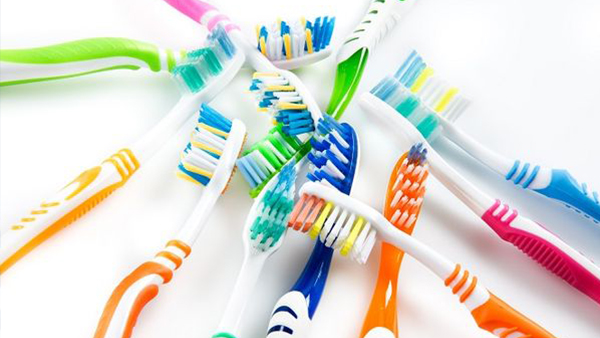
Which Toothbrush to Get for Your Child: Expert Pediatric Dental Guidance in Dubai
Choosing the right toothbrush for your child might seem like a simple task, but it’s actually one of the most important decisions you’ll make for their oral health. At myPediaClinic in Dubai, Dr. Yasmin Kottait, our expert pediatric dentist, frequently helps parents navigate the overwhelming array of toothbrush options available in stores and online. The right toothbrush can make the difference between a child who enjoys brushing and one who fights it, between effective plaque removal and merely going through the motions, and ultimately between healthy teeth and preventable dental problems.
Dubai’s multicultural environment means families have access to toothbrush brands and styles from around the world, which adds to the confusion. Should you choose a manual or electric toothbrush? What about bristle softness? Are character toothbrushes better for motivation, or do they compromise on quality? How often should you replace toothbrushes in Dubai’s hot climate? These questions—and many more—will be answered in this comprehensive guide.
Proper oral hygiene habits established in childhood set the foundation for a lifetime of healthy teeth and gums. At myPediaClinic, we’ve seen firsthand how the right toothbrush, combined with proper technique and consistent routine, can prevent cavities, gum disease, and the need for extensive dental interventions. Dr. Medhat Abu-Shaaban, our lead pediatrician, works closely with Dr. Kottait to ensure that oral health is integrated into overall pediatric care for children across Dubai and the UAE.
This guide draws on current dental research, recommendations from international pediatric dental associations, and Dr. Kottait’s extensive experience treating children in Dubai. Whether you’re shopping for your baby’s first toothbrush or trying to find the perfect brush for a reluctant school-age child, you’ll find evidence-based guidance tailored to the unique needs of families in Dubai.
Understanding the Importance of the Right Toothbrush
Before exploring specific toothbrush features, it’s important to understand why toothbrush selection matters so much for children’s oral health. Unlike adults, who have fully developed dexterity and understanding of proper brushing technique, children need toothbrushes specifically designed for their developmental stage, mouth size, and coordination abilities.
Children’s teeth are more vulnerable to decay than adult teeth. Primary (baby) teeth have thinner enamel, making them more susceptible to cavities. Even newly erupted permanent teeth in older children haven’t fully mineralized and are more cavity-prone. The right toothbrush helps protect these vulnerable teeth by effectively removing the sticky bacterial film called plaque that forms constantly on teeth.
The wrong toothbrush can actually cause harm. Bristles that are too hard can damage developing gums and tooth enamel. A brush head that’s too large makes it difficult to reach all tooth surfaces, particularly the back molars where cavities often form. A handle that’s difficult for small hands to grip leads to ineffective brushing and frustration.
At myPediaClinic in Dubai, Dr. Yasmin Kottait emphasizes that toothbrush selection is just one piece of the oral health puzzle, but it’s a foundational piece. Even the most diligent brushing routine won’t be effective if the toothbrush isn’t appropriate for your child’s age and needs. Conversely, the perfect toothbrush can make brushing easier, more effective, and even enjoyable for children.
Age-Appropriate Toothbrush Selection
Children’s oral health needs change dramatically as they grow, and toothbrush selection should reflect these developmental stages. What works for an infant is entirely different from what a school-age child needs.
Infants (0-12 months): Even before teeth erupt, you should clean your baby’s gums. For this stage, you can use a soft, damp cloth or a silicone finger brush—a small brush that fits over your finger with very soft rubber bristles. Once the first tooth appears (usually around 6 months), transition to an infant toothbrush. These have extremely soft bristles, a small brush head designed for tiny mouths, and often feature a thick, easy-to-grip handle. Some infant toothbrushes have extra-long handles so parents can reach comfortably into baby’s mouth.
Toddlers (1-3 years): As more teeth erupt and your toddler develops more independence, toothbrush needs evolve. Toddler toothbrushes should still have very soft bristles and a small head, but the handle design becomes important. Look for chunky, ergonomic handles that are easy for developing fine motor skills to grasp. Many toddler brushes have non-slip grips. During this stage, you’re still doing most of the brushing, but allowing your toddler to practice holding and using the brush builds important skills. Some families find having two toothbrushes helpful—one for the child to hold and practice with, and one for the parent to use for thorough cleaning.
Preschoolers (3-5 years): Preschool-age children are developing better coordination and can begin to brush more independently, though parental supervision and follow-up brushing remain essential. Preschooler toothbrushes have slightly larger heads than toddler brushes but are still considerably smaller than adult brushes. Soft bristles remain critical. The handle should be comfortable for small hands, and many children this age are motivated by character-themed brushes. At myPediaClinic Dubai, Dr. Kottait often recommends involving children in choosing their toothbrush at this age to increase enthusiasm for brushing.
School-age children (6-12 years): As permanent teeth begin replacing baby teeth around age 6, children need brushes that can effectively clean both tooth types. School-age toothbrushes have larger heads than preschool brushes but remain smaller than adult brushes. Soft or extra-soft bristles are still recommended to protect developing gums and enamel. Children this age can brush more independently but still benefit from parental supervision to ensure thorough cleaning, particularly of back molars. Electric toothbrushes become an option during this stage and are increasingly popular among Dubai families.
Dr. Medhat Abu-Shaaban at myPediaClinic notes that developmental age is sometimes more important than chronological age when selecting toothbrushes. A child with developmental delays might benefit from a toothbrush designed for a younger age group, while a child with advanced fine motor skills might transition to the next stage earlier. Your pediatrician and pediatric dentist can provide guidance specific to your child’s development.
Manual vs. Electric Toothbrushes for Children
One of the most common questions parents ask Dr. Yasmin Kottait at myPediaClinic in Dubai is whether they should invest in an electric toothbrush for their child or stick with manual brushes. Both options can be effective, and the choice depends on several factors.
Manual toothbrushes: Traditional manual toothbrushes remain an excellent choice for most children. They’re affordable, widely available, easy to travel with, and don’t require charging or battery replacement. Manual brushes allow children to develop proper brushing technique and hand-eye coordination. They’re available in a huge variety of colors, characters, and designs to appeal to children. For families on a budget or those who travel frequently between Dubai and other countries, manual brushes offer simplicity and convenience.
The main limitation of manual brushes is that they require proper technique to be effective. Young children often don’t brush long enough or don’t reach all tooth surfaces. Parents need to supervise and often follow up with their own brushing to ensure thorough cleaning.
Electric toothbrushes: Powered toothbrushes have become increasingly popular for children in Dubai and offer several advantages. The oscillating, rotating, or vibrating brush head does much of the cleaning work, requiring less manual dexterity from the child. Many electric toothbrushes have built-in timers (usually 2 minutes) that help children brush for the recommended duration—something that’s challenging with manual brushes. Some models have pressure sensors that alert children if they’re brushing too hard, protecting delicate gums. The novelty factor of electric brushes can increase enthusiasm for brushing in reluctant children.
Research shows that electric toothbrushes, particularly those with oscillating-rotating heads, can be more effective at removing plaque and reducing gingivitis compared to manual brushing. However, this advantage is most significant when children use them correctly and consistently.
Electric toothbrushes do have some considerations. They’re more expensive initially (though replacement heads cost less than repeatedly buying new manual brushes), they require charging or battery replacement, they’re bulkier for travel, and some young children find the vibration or noise startling initially.
Dr. Kottait’s recommendation at myPediaClinic is that either option can work well. For children who brush thoroughly and consistently with a manual brush, there’s no urgent need to switch. However, for children who resist brushing, rush through it, or have difficulty with proper technique, an electric toothbrush can be a helpful tool. Many families in Dubai use electric brushes at home and keep manual brushes for travel—a practical compromise.
Bristle Type, Softness, and Design
The bristles are the business end of any toothbrush, and their characteristics significantly affect both cleaning effectiveness and safety for developing mouths.
Bristle softness: For children of all ages—from infants to teenagers—soft or extra-soft bristles are recommended by pediatric dentists including Dr. Yasmin Kottait at myPediaClinic Dubai. Soft bristles are effective at removing plaque while being gentle on developing gums and tooth enamel. Medium and hard bristles, which are sometimes available even for children’s brushes, are too abrasive for young mouths and can cause gum recession and enamel wear.
A common misconception is that harder bristles clean better. In reality, plaque is soft and doesn’t require aggressive scrubbing to remove—consistent, thorough brushing with soft bristles is far more effective and safer. When children brush too hard with firm bristles, they can damage gums and create sensitivity problems.
Bristle material: Most toothbrushes feature nylon bristles, which are durable, maintain their shape well, and dry relatively quickly between uses. Some eco-friendly options feature bristles made from plant-based materials. While these are better for the environment, ensure they still have the soft texture appropriate for children. At myPediaClinic, we support environmentally conscious choices as long as they don’t compromise oral health effectiveness.
Bristle patterns: Modern toothbrushes feature various bristle patterns—multi-level bristles, angled bristles, criss-cross patterns, or indicator bristles that fade to show when replacement is needed. While manufacturers claim these designs improve cleaning, research shows that the most important factors are bristle softness, appropriate brush head size, and proper brushing technique. Don’t be overly swayed by complex bristle patterns—a simple, well-designed toothbrush with soft, even bristles works excellently.
Tongue cleaners: Some children’s toothbrushes include rubber ridges or bristles on the back of the brush head for cleaning the tongue. This can be a helpful feature, as cleaning the tongue removes bacteria that contribute to bad breath and oral health problems. However, it’s not essential—you can clean the tongue by gently brushing it with the regular bristles.
Handle Design and Ergonomics
An often-overlooked aspect of toothbrush selection is the handle. For children who are still developing fine motor control, handle design can make the difference between effective brushing and fumbling frustration.
Size and shape: Children’s toothbrush handles should be appropriately sized for small hands. Handles that are too thin are difficult to grip securely, while those that are too thick can be hard for little hands to maneuver. Look for handles with a slight curve or ergonomic shaping that naturally fits in a child’s hand. The handle should be long enough for parents to hold comfortably when assisting with brushing, but not so long that it’s unwieldy for the child.
Grip features: Non-slip grips, textured surfaces, or rubber coatings help children maintain control of the toothbrush, especially when hands are wet or soapy. These features are particularly helpful for toddlers and preschoolers who are still mastering the coordination required for effective brushing.
Flexibility: Some toothbrushes feature flexible necks between the handle and brush head, or flexible handles. These designs can help prevent excessive pressure on teeth and gums, which is helpful for children who tend to brush too aggressively. However, very young children might find flexible handles harder to control, so this feature is generally more appropriate for older children.
Dr. Yasmin Kottait at myPediaClinic in Dubai recommends having children hold potential toothbrushes in the store (or examining carefully if buying online) to assess whether the handle feels comfortable and secure in their hand. A toothbrush that feels good to hold is more likely to be used willingly and effectively.
Brush Head Size and Shape
The brush head is the part that does the actual cleaning, and its size and shape must match your child’s mouth size for effective and comfortable brushing.
Size considerations: Children’s brush heads should be significantly smaller than adult brush heads. A good rule of thumb from Dr. Kottait is that the brush head should comfortably fit across two teeth. If the brush head is too large, it will be difficult to reach all tooth surfaces, particularly the back molars and the inside surfaces of teeth. It will also be uncomfortable for your child, making them resist brushing. As children grow, the brush head size should gradually increase, but it should always remain appropriately scaled to their mouth size.
Shape: Most children’s toothbrushes have oval or rounded brush heads, which are easier to maneuver in small mouths compared to rectangular heads. The edges of the brush head should be smooth and rounded to avoid poking or irritating the soft tissues of the mouth. Sharp edges can be uncomfortable and may cause children to avoid brushing certain areas.
Bristle arrangement: The bristles should cover the entire brush head evenly, without gaps or sparse areas. The bristle density should be sufficient to clean effectively but not so dense that the brush is difficult to rinse and dry between uses. In Dubai’s humid climate, brushes that don’t dry properly between uses can harbor bacteria.
Special Features and Motivational Factors
Beyond the basic functional requirements of a good toothbrush, several special features and design elements can help motivate children to brush regularly and thoroughly.
Character and themed brushes: Toothbrushes featuring favorite cartoon characters, superheroes, princesses, or other child-friendly designs are enormously popular in Dubai’s diverse retail market. While these designs don’t inherently clean better than plain brushes, they can significantly increase a child’s willingness to brush. If a child is excited about their toothbrush, they’re more likely to use it consistently. At myPediaClinic, Dr. Kottait fully supports letting children choose character brushes if it increases brushing compliance—just ensure the underlying brush quality meets the criteria outlined in this guide.
Colors and lights: Bright colors naturally appeal to children. Some toothbrushes feature lights that flash for 1 or 2 minutes, helping children brush for the recommended duration. While these features are gimmicky, if they make brushing more fun and consistent, they serve a valuable purpose.
Musical or singing toothbrushes: Some toothbrushes play music or songs for the recommended 2-minute brushing duration. These can be particularly helpful for younger children who don’t yet understand time concepts. The music makes brushing fun and naturally encourages children to brush for long enough.
Apps and connectivity: High-end electric toothbrushes increasingly feature Bluetooth connectivity and companion smartphone apps with games, rewards, and tracking features. These can be powerful motivators for tech-savvy children and families. However, they’re not necessary for effective brushing—a simple timer works just as well from a dental health perspective. These features come down to personal preference and budget.
Suction cup bases: Many children’s toothbrushes include suction cup bases that allow the brush to stand upright on bathroom counters. This promotes hygienic storage by allowing the brush to air dry with bristles up, and the fun designs (like standing characters) appeal to children. While not essential, this is a nice practical feature.
Dr. Medhat Abu-Shaaban at myPediaClinic Dubai reminds parents that while these motivational features can be helpful, they shouldn’t distract from the fundamental quality requirements. A character toothbrush with bristles that are too hard or a brush head that’s too large isn’t a good choice, no matter how much your child loves the design. Look for brushes that combine appropriate functional features with appealing design.
Toothbrush Maintenance and Replacement in Dubai’s Climate
Proper toothbrush care and timely replacement are crucial for maintaining oral health, and Dubai’s hot, humid climate presents some unique considerations.
After-use care: After each use, rinse the toothbrush thoroughly under running water to remove toothpaste and debris. Tap the brush gently against the sink to shake off excess water. Store the brush upright in a holder or cup, allowing it to air dry with the bristles exposed. Don’t store toothbrushes in closed containers or travel cases between uses, as this creates a moist environment where bacteria and mold can grow—a particular concern in Dubai’s climate.
Separation of brushes: In households where multiple toothbrushes are stored in the same holder, ensure the brush heads don’t touch each other. This prevents cross-contamination between family members. If space is limited, use holders with separate slots for each brush.
Sanitization: While daily sanitization isn’t necessary for personal home use, you can occasionally rinse toothbrushes with antibacterial mouthwash if desired. UV sanitizers are popular in Dubai but aren’t necessary for healthy individuals using their own brushes. Regular replacement is more important than elaborate sanitization routines.
Replacement frequency: Replace toothbrushes or electric toothbrush heads every 3 to 4 months, or sooner if bristles become frayed, splayed, or discolored. In Dubai’s climate, you might need to replace brushes more frequently if high humidity affects bristle integrity. Also replace toothbrushes after your child has been ill—particularly with throat infections or mouth conditions—to prevent reinfection. Dr. Yasmin Kottait at myPediaClinic recommends setting a regular replacement schedule, such as at the start of each school term, to ensure this important task doesn’t get forgotten.
Signs a toothbrush needs replacing: Bristles that splay outward rather than standing relatively straight are no longer effective at cleaning. Discoloration of bristles (beyond color-changing indicator bristles doing their job) suggests bacterial growth. Frayed or broken bristles can be uncomfortable and ineffective. If your child has been chewing on the brush (common with teething toddlers), it needs to be replaced even if it hasn’t been 3 months.
Toothpaste Considerations to Complement Your Toothbrush Choice
While this guide focuses on toothbrush selection, it’s worth briefly addressing toothpaste, as the two work together for optimal oral health.
Fluoride content: For children over 18 months in Dubai, use fluoride toothpaste as recommended by pediatric dentists. Fluoride strengthens tooth enamel and helps prevent cavities. Use a rice-grain-sized amount for children under 3, and a pea-sized amount for children 3 and older. Dr. Kottait at myPediaClinic can provide specific guidance based on your child’s cavity risk and fluoride exposure from other sources.
Flavor and texture: Children’s toothpaste comes in mild flavors like strawberry, bubble gum, or mild mint. Let your child choose a flavor they enjoy, as this increases brushing compliance. However, ensure they understand that toothpaste is not candy and should not be swallowed—an important distinction that parents should reinforce consistently.
Avoid whitening and tartar control formulas: These are designed for adults and are too abrasive for children’s developing teeth. Stick with toothpaste specifically formulated for children’s age group.
Teaching Proper Brushing Technique
Even the perfect toothbrush won’t protect your child’s teeth if it’s not used correctly. Teaching proper brushing technique is as important as toothbrush selection.
The basics: Brush twice daily—after breakfast and before bed are the most important times. Brush for 2 minutes each time, ensuring all tooth surfaces are cleaned: outer surfaces, inner surfaces, and chewing surfaces. Use gentle circular motions rather than aggressive back-and-forth scrubbing. Angle the brush toward the gumline at about 45 degrees. Don’t forget to brush the tongue to remove bacteria.
Supervision and assistance: Children don’t have the dexterity for thorough brushing until around age 7 or 8. Until then, parents should supervise brushing and follow up with their own brushing to ensure all surfaces are clean. A good approach is to let your child brush first, then say “Now it’s mommy’s/daddy’s turn” and do a thorough cleaning. This allows children to practice and build skills while ensuring teeth are actually getting clean.
Making it fun: Use songs, timers, or apps to make the 2-minute brushing time pass more quickly. Brush your teeth alongside your child to model good technique. Create a sticker chart for consistent brushing. Let children choose their toothbrush and toothpaste flavor. At myPediaClinic Dubai, Dr. Yasmin Kottait provides demonstrations on child-sized dental models, allowing children to practice proper technique in a fun, educational way.
Positioning: For young children, the best position for parental brushing is standing behind the child with their head tilted back slightly against you. This gives you visibility and access to all tooth surfaces. Alternatively, lay the child on a changing table or bed with their head toward you. For older children who are brushing more independently, supervise from a position where you can see their mouth in the mirror.
Budget-Friendly Toothbrush Options in Dubai
Quality toothbrushes don’t have to be expensive. While Dubai offers premium and luxury oral care products, effective toothbrushes are available at all price points.
Where to buy: Pharmacies like Boots, Life Pharmacy, and Aster Pharmacy throughout Dubai carry a good range of children’s toothbrushes. Supermarkets like Carrefour, Lulu, and Spinneys have oral care sections with various options. International retailers like IKEA and Noon.com offer affordable children’s toothbrushes. For specialized options or specific brands, dental clinics including myPediaClinic can provide recommendations and sometimes sell quality brushes directly.
Value considerations: Expensive doesn’t always mean better. Many affordable manual toothbrushes meet all the criteria for softness, appropriate size, and quality construction. Check the bristle softness and brush head size rather than being swayed by price or fancy packaging. That said, if a more expensive brush (like an electric toothbrush or character-themed brush) motivates your child to brush consistently and thoroughly, it’s worth the investment.
Buying in bulk: Since toothbrushes need replacing every 3 to 4 months, buying multi-packs can be economical. This also ensures you always have a fresh brush ready when replacement time comes. Just ensure proper storage of extra brushes—keep them in a clean, dry location.
Special Circumstances and Considerations
Some children have unique needs that affect toothbrush selection.
Orthodontic appliances: Children with braces need special orthodontic toothbrushes or will need to use both a regular soft brush and an interdental brush to clean around brackets and wires. Electric toothbrushes with orthodontic brush heads are also available. Dr. Kottait at myPediaClinic provides detailed guidance on oral hygiene during orthodontic treatment.
Special needs: Children with developmental delays, sensory sensitivities, or physical disabilities may have specific toothbrush requirements. Some may need adapted handles for easier gripping, while others might be sensitive to certain textures or vibrations. Three-sided toothbrushes that clean multiple surfaces simultaneously can be helpful for children who have difficulty with standard brushing motions. Consult with your pediatric dentist and pediatrician to find appropriate solutions.
Medical conditions: Children with certain medical conditions affecting their immune system, those taking medications that cause dry mouth or gum overgrowth, or those with bleeding disorders may need extra-soft toothbrushes or specialized oral care approaches. Always inform Dr. Kottait or your pediatric dentist about any medical conditions when discussing oral care.
Traveling between countries: Many international families in Dubai travel frequently between the UAE and home countries. Keep a dedicated travel toothbrush that stays in your travel bag, or use disposable toothbrushes while traveling. If your child has a preferred brand only available in one country, consider stocking up when possible. Manual toothbrushes are generally more practical for frequent travelers than electric options.
Frequently Asked Questions About Children’s Toothbrushes
At what age should I start brushing my baby’s teeth?
You should begin oral care even before the first tooth erupts. From birth, wipe your baby’s gums with a soft, damp cloth after feedings. Once the first tooth appears—typically around 6 months but sometimes earlier or later—start using a soft-bristled infant toothbrush with a tiny smear of fluoride toothpaste. At myPediaClinic in Dubai, Dr. Yasmin Kottait recommends scheduling your child’s first dental visit by their first birthday or within 6 months of the first tooth eruption, whichever comes first. This early visit allows us to assess development, demonstrate proper cleaning techniques, and identify any concerns early. Starting oral hygiene from infancy establishes it as a normal part of daily routine and helps prevent dental problems before they start.
Should I buy a different toothbrush for morning and evening brushing?
While not strictly necessary, some families find it helpful to have separate morning and evening toothbrushes for young children. This approach ensures a dry brush is always available and can help distinguish between the two daily brushing sessions. However, if the toothbrush is properly rinsed and allowed to air dry after each use, one brush for both sessions is perfectly fine. The most important factor is ensuring the brush is clean, dry, and in good condition. At myPediaClinic Dubai, we generally recommend one primary brush with perhaps a backup brush available, rather than routinely using two different brushes. If you do use multiple brushes, ensure both are replaced regularly—don’t continue using an old brush alongside a new one, as the worn brush won’t clean effectively.
Are expensive character-branded toothbrushes worth the extra cost?
The answer depends on your child’s motivation and your budget. From a purely functional perspective, a well-designed generic toothbrush with appropriate bristle softness and head size cleans just as effectively as an expensive character brush. However, character brushes can provide significant motivational value. If your child is excited about brushing because they get to use their favorite character’s toothbrush, the increased compliance and enthusiasm make the extra cost worthwhile. Dr. Kottait at myPediaClinic in Dubai often sees children who previously resisted brushing become eager participants once they have a toothbrush featuring a beloved character. The key is ensuring the character brush still meets quality standards—check that bristles are soft, the head is appropriately sized, and construction is solid. If you can find an affordable character brush that meets these criteria, it’s an excellent choice. However, don’t feel pressured to buy expensive branded brushes if your child brushes willingly with a basic brush—you can invest those savings in healthy foods or dental checkups instead.
How do I know if the bristles are too hard for my child?
Look for packaging that specifically states “soft” or “extra-soft” bristles—these terms are regulated and indicate appropriate firmness for children. You can also test bristles by pressing them against the back of your hand or your fingernail. They should bend easily under light pressure without feeling scratchy or stiff. If the bristles feel harsh against your own sensitive skin, they’re too hard for your child’s developing gums and enamel. Another indicator is your child’s response—if they complain that brushing hurts, or if you notice their gums bleeding or looking red and irritated after brushing, the bristles may be too firm. At myPediaClinic in Dubai, Dr. Yasmin Kottait can examine your child’s gums for signs of brushing trauma and recommend appropriate toothbrush firmness. In general, erring on the side of softer bristles is wise—extra-soft bristles are never wrong for children, while bristles that are too firm can cause lasting damage to gums and enamel.
Should I get an electric toothbrush for my toddler?
Electric toothbrushes can be used for children as young as 3 years old, though most manufacturers and dentists recommend waiting until at least age 3 before introducing them. For toddlers younger than this, the vibration or sound might be frightening, and they typically don’t have the coordination to hold and maneuver an electric brush effectively. Between ages 3 and 5, you can consider an electric brush if your child shows interest and isn’t frightened by the sensation. Many toddlers actually enjoy the vibration and find it fun. The built-in timer feature of electric brushes is particularly helpful for young children who don’t understand how long 2 minutes is. However, manual brushes work perfectly well for toddlers when used correctly. Dr. Yasmin Kottait at myPediaClinic suggests letting your toddler try an electric brush if you have one available (perhaps a family member’s brush without toothpaste) to gauge their reaction before investing in one specifically for them. Whether you choose manual or electric, proper parental supervision and follow-up brushing remain essential for toddlers, as they don’t yet have the skills for thorough independent brushing.
How often should I replace my child’s toothbrush?
Replace children’s toothbrushes or electric toothbrush heads every 3 to 4 months under normal use. However, several situations call for earlier replacement. If bristles become frayed, splayed, or bent, the brush is no longer effective and should be replaced immediately—this sometimes happens sooner than 3 months, particularly if your child chews on the brush or brushes very aggressively. Replace the brush after your child has been sick, especially with illnesses affecting the mouth or throat, to prevent reinfection. If the brush falls on the floor or becomes contaminated, replace it. In Dubai’s humid climate, monitor brushes for any signs of mold or discoloration, which would necessitate immediate replacement. Some toothbrushes feature indicator bristles that fade from colored to white when replacement is needed—these can be helpful reminders. At myPediaClinic in Dubai, Dr. Medhat Abu-Shaaban suggests setting replacement reminders in your phone or replacing toothbrushes at the start of each school term (September, January, April) plus one additional time mid-year. This systematic approach ensures brushes are replaced regularly without having to remember to check them constantly.
My child chews on their toothbrush—is this harmful?
Many toddlers and young children chew on their toothbrushes, particularly when they’re teething or exploring the world through their mouths. While this is common and generally not dangerous, it does create several problems. Chewing quickly damages the bristles, causing them to fray and lose their effectiveness at cleaning teeth. Once bristles are chewed and deformed, they can’t properly remove plaque. Chewing can also create sharp edges on plastic parts of the brush, which could potentially scratch the inside of the mouth. Additionally, if children think of their toothbrush as a chew toy, they may not understand its actual purpose for cleaning teeth. To address this issue, firmly but gently discourage chewing by removing the brush from your child’s mouth when they chew rather than brush, explaining “toothbrushes are for brushing, not chewing.” Provide appropriate teething toys or chewable items to meet that need separately from the toothbrush. Replace chewed toothbrushes promptly, as they’re no longer effective. During the toddler years when chewing is most common, you might need to replace brushes more frequently than every 3 months. Dr. Kottait at myPediaClinic in Dubai recommends having parents do most of the actual brushing during this stage, allowing the child to hold and practice with the brush afterward—this way the teeth actually get clean even if the child then chews on the brush.
Are natural or eco-friendly toothbrushes safe and effective for children?
Eco-friendly toothbrushes, typically featuring bamboo handles and plant-based or biodegradable bristles, have become increasingly popular in Dubai as environmental awareness grows. These can be safe and effective for children if they meet the same criteria as conventional toothbrushes: soft or extra-soft bristles, appropriately sized brush head, and quality construction. However, there are some considerations. Ensure the bristles are genuinely soft—some early eco-friendly brushes had bristles that were too firm. Check that the bamboo handle is properly sealed and treated to resist moisture and mold, particularly important in Dubai’s climate. Bamboo handles can sometimes splinter if they become very worn, so monitor the condition carefully. Some children are sensitive to the taste or texture of bamboo, which differs from plastic handles. Plant-based bristles may wear out more quickly than nylon, potentially requiring more frequent replacement. At myPediaClinic, we support families’ choices to use environmentally friendly products as long as they don’t compromise oral health effectiveness. Dr. Yasmin Kottait suggests trying one eco-friendly brush initially to ensure your child accepts it before committing to this option long-term. If your child brushes effectively and consistently with an eco-friendly brush that has appropriate softness and sizing, it’s an excellent choice that benefits both their teeth and the environment.
What should I do if my child refuses to brush their teeth?
Toothbrushing battles are incredibly common and frustrating for parents. If your child refuses to brush, try several strategies. Let them choose their own toothbrush and toothpaste flavor—ownership increases compliance. Make brushing fun with songs, games, or videos designed for the 2-minute brushing time. Brush your own teeth alongside your child, modeling that everyone in the family brushes. Use a reward system like sticker charts for consistent brushing. For very resistant children, give limited choices: “Do you want to brush with the red brush or the blue brush?” rather than “Do you want to brush your teeth?” which invites a “no” answer. Some children respond well to brushing stuffed animals’ or dolls’ teeth first, then brushing their own. Let your child brush your teeth (gently), then you brush theirs. Stay calm and matter-of-fact—toothbrushing is non-negotiable, like wearing a seatbelt, but the struggle doesn’t have to be emotional. If resistance continues despite these strategies, Dr. Yasmin Kottait at myPediaClinic in Dubai can talk with your child about tooth health in an age-appropriate way that sometimes resonates more than parental requests. Sometimes children need to see the authority figure of a doctor to understand the importance. In severe cases, there may be underlying sensory issues or oral sensitivity that occupational therapists can address. Remember that this phase is temporary—consistent, calm persistence eventually results in acceptance for most children.
Is it okay to share toothbrushes between siblings in emergencies?
No, toothbrushes should never be shared between individuals, even family members. Each person’s toothbrush can harbor their oral bacteria, and sharing brushes transfers these microorganisms between people. This can spread infections, including colds, flu, strep throat, herpes simplex virus (cold sores), and other communicable diseases. Even between healthy individuals, sharing toothbrushes mixes oral bacteria that each person’s immune system may not be adapted to handle. If you’re traveling or in an emergency situation where a toothbrush isn’t available, it’s better to clean teeth by rubbing them with a clean, damp washcloth or to rinse thoroughly with water until a personal toothbrush can be obtained. In Dubai, toothbrushes are widely available at pharmacies and supermarkets that are often open late or 24 hours, making true emergencies rare. Dr. Medhat Abu-Shaaban at myPediaClinic recommends keeping a spare toothbrush or two at home for these situations—they’re inexpensive insurance against having to skip brushing or being tempted to share. If a brush is accidentally used by the wrong person, that brush should be thoroughly cleaned with hot water and potentially replaced, depending on the circumstances and the comfort level of the person whose brush it is.
Do children need special toothbrushes if they have braces or other orthodontic appliances?
Yes, orthodontic appliances like braces create additional challenges for oral hygiene and benefit from specialized toothbrushes. The standard soft toothbrush should still be used for general brushing, but additional tools are needed to clean around brackets, wires, and bands. Orthodontic toothbrushes have a V-shaped bristle pattern that helps clean around brackets. Interdental brushes (tiny brushes that look like little Christmas trees) can clean between teeth and under wires. Proxy brushes or end-tuft brushes reach difficult spots around orthodontic hardware. Some families find electric toothbrushes with orthodontic brush heads helpful, as these can navigate around appliances more easily than manual brushing. Dr. Yasmin Kottait at myPediaClinic in Dubai provides detailed oral hygiene instruction for children beginning orthodontic treatment, including which toothbrushes and supplementary cleaning tools will be most effective. The key is that orthodontic appliances make teeth more vulnerable to cavities because they create additional surfaces where food and plaque can accumulate, so extra diligence with appropriate tools is essential. Children with braces typically need to spend more time on brushing and should brush after every meal if possible, not just twice daily. Water flossers can also be helpful additions to the oral hygiene routine during orthodontic treatment.
Should my child use the same toothbrush for their baby teeth and permanent teeth?
As children grow and permanent teeth begin replacing baby teeth (typically starting around age 6), the toothbrush should grow with them. By the time a child is in the mixed dentition stage—having both baby teeth and permanent teeth—they typically need a larger brush head than they used as a preschooler, but still smaller than an adult brush. The brush should be able to effectively clean both the smaller baby teeth and the larger permanent teeth. Look for toothbrushes labeled for your child’s specific age range—manufacturers design brushes with the mixed dentition stage in mind. Soft bristles remain important, as newly erupted permanent teeth haven’t fully mineralized yet and are more vulnerable to damage. The permanent teeth that emerge first are typically the first molars (behind all the baby teeth) and the lower front teeth. These new teeth need extra attention during brushing, so demonstrate to your child where these permanent teeth are located and emphasize their importance. Dr. Kottait at myPediaClinic Dubai monitors children through this transition period and can recommend appropriate toothbrushes and techniques for the mixed dentition stage. Generally, you’ll gradually size up toothbrushes as your child grows, eventually transitioning to adult-sized brushes once most permanent teeth have erupted, typically around age 12 or so, though this varies by individual.
Can UV sanitizers replace regular toothbrush replacement?
UV sanitizers for toothbrushes have become popular in Dubai and can kill some bacteria on toothbrush bristles between uses. However, they do not replace the need for regular toothbrush replacement. Sanitizers cannot restore bristles that have become frayed or worn, which is the primary reason toothbrushes need replacement. They also don’t address the accumulation of toothpaste residue, minerals from water, or other debris that builds up in bristles over time. Additionally, while UV sanitizers can reduce bacterial counts, your toothbrush doesn’t need to be sterile to be safe—your mouth naturally contains billions of bacteria, and a properly rinsed and air-dried toothbrush between uses is perfectly safe for healthy individuals. If you enjoy using a UV sanitizer and it gives you peace of mind, there’s no harm in using one as long as you understand it supplements rather than replaces good toothbrush care practices. You still need to thoroughly rinse the brush after each use, allow it to air dry, and replace it every 3 to 4 months or when bristles show wear. Dr. Yasmin Kottait at myPediaClinic notes that the money spent on UV sanitizers might be better invested in quality toothbrushes, fluoride toothpaste, and regular dental checkups, which have proven benefits for oral health. That said, if a sanitizer appeals to your child and makes them more interested in oral hygiene, the motivational benefit might justify the cost.
Are battery-operated toothbrushes as good as rechargeable electric ones?
Both battery-operated and rechargeable electric toothbrushes can be effective for children, but there are some differences worth considering. Rechargeable electric toothbrushes generally have more powerful motors, producing more brush strokes per minute than battery-operated models. This typically translates to more effective plaque removal. Rechargeable brushes often include additional features like pressure sensors, multiple brushing modes, timers, and sometimes Bluetooth connectivity with apps. However, they’re more expensive initially, require access to charging (which can be inconvenient for travel), and replacement heads can be costly. Battery-operated brushes are more affordable, easy to travel with, and require no charging—just periodic battery replacement. They’re less powerful than rechargeable models but still more effective than manual brushing for many children. The vibration is typically gentler, which some young children prefer when first transitioning to electric brushing. For families in Dubai, either option can work well. Dr. Kottait at myPediaClinic suggests considering your budget, whether your child will use the brush consistently, and whether the additional features of rechargeable models will actually be utilized. For young children just starting with electric brushes, a battery-operated model might be a good introduction. For older children who have demonstrated consistent brushing habits, a rechargeable model could be a worthwhile investment. Either choice is far better than struggling with inadequate manual brushing.
How do I clean and disinfect my child’s toothbrush?
Daily deep cleaning of toothbrushes isn’t necessary for healthy children using their own brushes, but proper after-use care is important. After each brushing session, thoroughly rinse the toothbrush under running tap water, rubbing your finger through the bristles to remove all toothpaste and debris. Tap the brush against the sink edge to shake off excess water. Stand the brush upright in a holder with bristles facing up to air dry—proper drying between uses naturally reduces bacterial growth. Once weekly, you can rinse the brush with antibacterial mouthwash if desired, though this isn’t essential. Avoid putting toothbrushes in the dishwasher or microwave, as heat can damage bristles and plastic components. Don’t store brushes in closed containers between uses, as the moist, enclosed environment promotes bacterial and mold growth—this is particularly important in Dubai’s humid climate. If you want to sanitize brushes occasionally, soaking them for a few minutes in a solution of one part hydrogen peroxide to two parts water, then rinsing thoroughly, is safe and effective. UV sanitizers, as mentioned earlier, can also be used though aren’t necessary. The most important “cleaning” practice is actually regular replacement—a fresh toothbrush every 3 to 4 months is more important than elaborate sanitization routines. At myPediaClinic in Dubai, Dr. Yasmin Kottait emphasizes that simple, consistent care practices are more effective than occasional intense cleaning.
Should I supervise my child’s brushing even after they can do it themselves?
Yes, supervision should continue well beyond the age when children can physically brush their own teeth. While most children can handle a toothbrush and go through the motions by age 3 or 4, they don’t have the attention span, thoroughness, or understanding to brush effectively without supervision until around age 7 or 8—and some need guidance even longer. Studies show that children under age 10 consistently miss tooth surfaces when brushing independently, particularly the inside surfaces of teeth and back molars. At myPediaClinic in Dubai, Dr. Yasmin Kottait recommends that parents watch children brush and then do a follow-up brushing at least once daily (typically at bedtime) until the child is 7 or 8 years old. This doesn’t mean taking over the entire task—let your child brush first, building skills and independence, then say “my turn” and quickly go over all surfaces they missed. As children get older, transition to periodic spot-checks rather than daily follow-up brushing. Even pre-teens benefit from occasional reminders and supervision to ensure they’re brushing thoroughly and for the full 2 minutes. This gradual release of responsibility allows children to develop good habits while ensuring their teeth are adequately protected during the critical years of dental development. Think of it like gradually releasing training wheels on a bicycle—you provide support until you’re confident they can succeed independently.
What’s the best way to travel with children’s toothbrushes?
Traveling with toothbrushes requires some planning to maintain hygiene while keeping the brush accessible. For short trips within Dubai or day trips, a toothbrush in a ventilated travel case is fine—just ensure the brush is dry before putting it in the case. For longer trips or international travel, dedicated travel toothbrushes that stay in your travel bag can be convenient. If using your regular toothbrush, ensure it’s completely dry before packing, and use a ventilated toothbrush cover or case with air holes—never seal a damp toothbrush in an airtight container. Once you reach your destination, remove the brush from the case and let it air dry after each use, just as you would at home. Pack enough toothbrushes for your trip duration plus extras in case one is dropped or lost. If you’re traveling internationally from Dubai, remember that replacement brushes may not be readily available depending on your destination, so bringing backups is wise. Some families find disposable toothbrushes convenient for travel—these are pre-loaded with toothpaste and can be discarded after one use. For families who travel frequently between Dubai and home countries, keeping duplicate toothbrushes, toothpaste, and other hygiene items in both locations eliminates the need to pack these items for every trip. Dr. Medhat Abu-Shaaban at myPediaClinic reminds parents that maintaining oral hygiene routines while traveling is important for dental health, so plan ahead to make it as easy as possible.
Making the Right Choice for Your Child
Selecting the right toothbrush for your child is a decision that impacts their oral health, their relationship with dental hygiene, and ultimately their lifelong habits. While the array of options available in Dubai’s diverse retail landscape can feel overwhelming, keeping focus on the key criteria simplifies the process: soft or extra-soft bristles, appropriately sized brush head for your child’s age and mouth, comfortable handle design, and quality construction from a reputable manufacturer.
Beyond these functional requirements, consider your child’s personality and what will motivate consistent, thorough brushing. For some children, a simple brush is perfect. Others thrive with character themes, lights, music, or apps. Neither approach is wrong—whatever encourages healthy habits is the right choice for your family.
At myPediaClinic in Dubai, Dr. Yasmin Kottait and Dr. Medhat Abu-Shaaban are always available to provide personalized guidance on oral health decisions, including toothbrush selection. During your child’s dental checkups and pediatric visits, we’re happy to assess whether your current toothbrush is appropriate and recommend adjustments as your child grows and develops.
Remember that the toothbrush is just one element of oral health. Regular dental checkups, proper brushing technique, appropriate fluoride exposure, a healthy diet low in sugary foods and drinks, and consistent routines all work together to protect your child’s teeth. By choosing the right toothbrush and teaching good habits now, you’re giving your child the foundation for a lifetime of healthy smiles.
If you have questions about toothbrush selection, oral hygiene techniques, or any aspect of your child’s dental health, contact myPediaClinic in Dubai to schedule a consultation with Dr. Yasmin Kottait. We’re here to support your family’s health journey at every stage.