

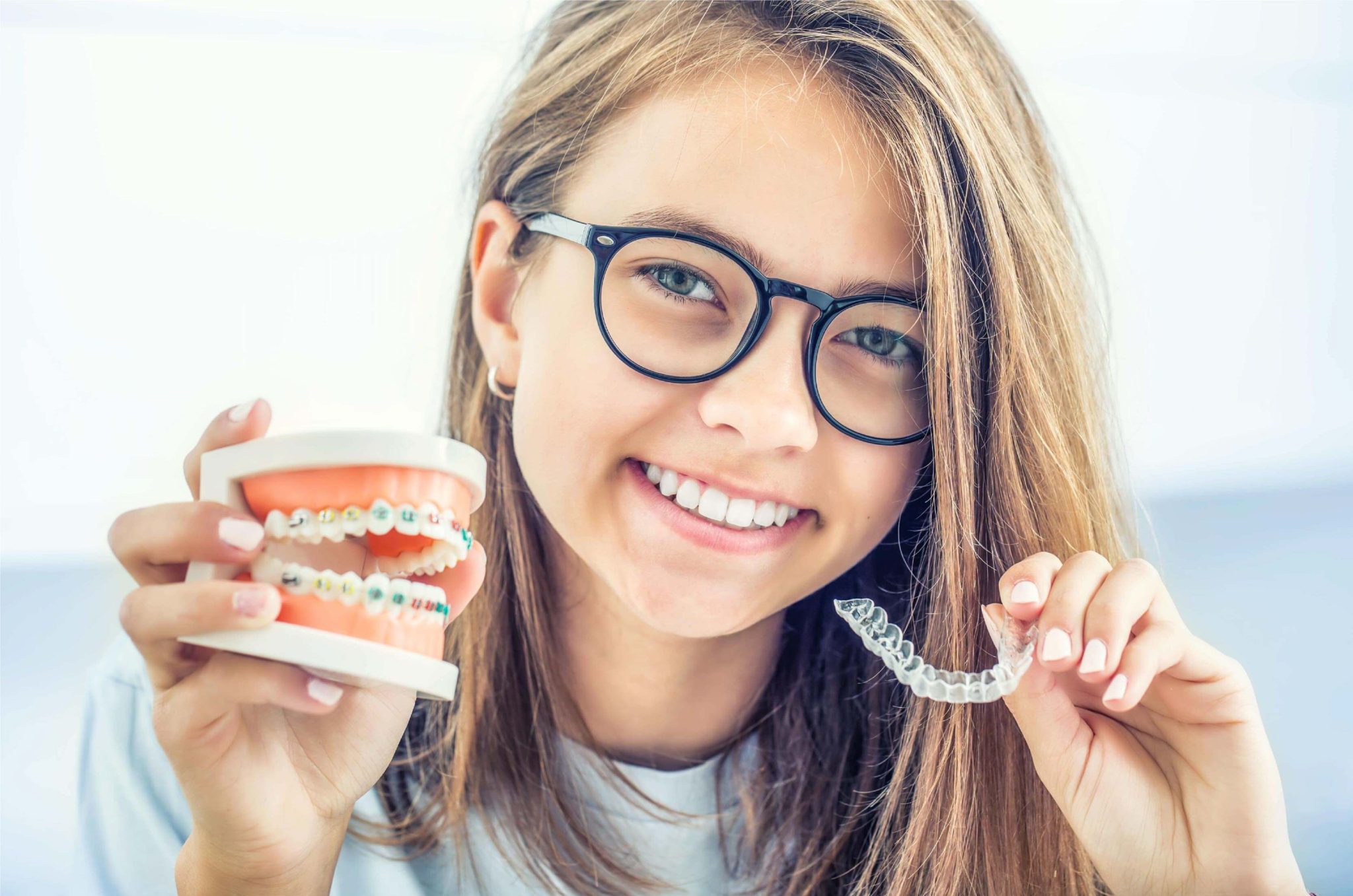
What You Should Know Before Getting Braces: A Complete Guide for Dubai Families
The decision to get braces for your child is a significant one, often marking the beginning of a journey toward a healthier, more confident smile. For families in Dubai preparing for orthodontic treatment, understanding what to expect before treatment begins helps ensure the experience is as smooth and positive as possible. At myPediaClinic in Dubai Healthcare City, we believe informed families make better healthcare decisions, which is why we’re sharing everything you need to know before your child gets braces.
Whether your child has just been recommended for orthodontic treatment or you’re researching in advance, having realistic expectations about the process, timeline, and daily realities of life with braces helps both parents and children prepare mentally and practically. This comprehensive guide answers the most common questions and concerns that Dubai families have before starting orthodontic treatment.
From understanding potential discomfort to learning proper care techniques, from planning for appointments to preparing for dietary changes, this information will help your family enter the orthodontic journey fully prepared and confident.
Understanding Why Your Child Needs Braces
Before focusing on what happens during treatment, it’s worth understanding why orthodontic treatment is recommended in the first place.
Common Reasons for Orthodontic Treatment
Braces address a variety of dental and skeletal issues that affect both function and appearance. Crowding occurs when teeth overlap due to insufficient space in the jaw. Spacing involves excessive gaps between teeth. Overbite is when upper front teeth extend too far over lower teeth. Underbite presents as lower teeth positioned in front of upper teeth. Crossbite happens when upper and lower teeth don’t align properly. Open bite means front teeth don’t meet when back teeth are closed. Misaligned midline is when the center of the upper and lower teeth doesn’t line up. Understanding your child’s specific issue helps you appreciate what treatment is addressing.
Why Treatment Matters Beyond Appearance
While a straighter smile certainly improves appearance, orthodontic treatment addresses functional concerns as well. Properly aligned teeth are easier to clean, reducing cavity and gum disease risk. They distribute bite forces evenly, reducing excessive wear on certain teeth. They function more efficiently for chewing and speaking. They may reduce jaw pain and TMJ issues. Orthodontic treatment is genuinely a health investment, not merely cosmetic enhancement.
Answering the Big Question: Do Braces Hurt?
Perhaps the most common concern children (and parents) have about braces is whether they hurt. The honest answer is that some discomfort is normal, but it’s manageable and temporary.
Discomfort During the Initial Placement
Getting braces placed on teeth doesn’t hurt—no injections or drilling are involved. The orthodontist cleans and prepares the teeth, applies adhesive, positions brackets, and connects them with wires. The process takes one to two hours and feels strange but isn’t painful.
However, in the hours following placement, discomfort develops as teeth begin experiencing pressure. This initial soreness typically peaks on the second or third day, then gradually subsides over the first week. Your child may experience a general aching or soreness in the teeth. Teeth may feel sensitive when biting or chewing. Lips and cheeks may become irritated by the new brackets.
Managing Initial Discomfort
Several strategies help manage the adjustment period. Over-the-counter pain relievers like acetaminophen or ibuprofen (at doses appropriate for your child’s age and weight) effectively reduce discomfort. Soft foods are essential for the first few days—yogurt, mashed potatoes, smoothies, pasta, and soup require minimal chewing. Dental wax applied over brackets that irritate the cheeks provides a smooth barrier. Salt water rinses help soothe irritated tissues. Cold foods and drinks may provide some numbing relief.
Ongoing Discomfort Throughout Treatment
After the initial adjustment, daily life with braces becomes much more comfortable. However, adjustment appointments—typically every 4-8 weeks—involve tightening wires or changing to new archwires, which temporarily increases pressure on teeth. Your child will likely experience 2-4 days of soreness following each adjustment. This recurring discomfort is normal and manageable with the same strategies used during initial placement.
Setting Realistic Expectations
Being honest with your child about expected discomfort actually helps reduce anxiety. When children know what to expect, the experience feels less alarming. Assure them that any pain is temporary, manageable, and a sign that the braces are working. Most children adapt quickly and don’t consider braces particularly painful after the first few weeks.
How Long Will Treatment Take?
Treatment duration varies significantly based on the complexity of the case, and understanding this helps set appropriate expectations.
Typical Treatment Timelines
For children and teenagers, treatment typically lasts 18 months to 3 years. Minor crowding or spacing issues may be corrected in 12-18 months. Moderate cases typically take 18-24 months. Complex cases involving significant bite issues or severe crowding may require 24-36 months. Your orthodontist will estimate treatment duration after evaluating your child’s specific needs, but this estimate may be adjusted as treatment progresses.
Factors Affecting Treatment Length
Several factors influence how long treatment takes. Case complexity is the primary determinant—more severe issues require more time to correct. Patient compliance with instructions about rubber bands, avoiding certain foods, and attending appointments affects progress. Growth patterns during treatment can affect how quickly jaw and teeth respond to treatment. Individual biology plays a role as some people’s teeth move more quickly than others. Treatment setbacks like broken brackets can extend timelines.
The Importance of Patience
Understanding that orthodontic treatment is a marathon, not a sprint, helps families maintain perspective. Teeth must be moved gradually to avoid damaging roots and surrounding bone. Rushing treatment can compromise results. The investment of time yields lifelong benefits—a few years in braces is insignificant compared to decades enjoying a healthy, aligned smile.
Caring for Teeth During Orthodontic Treatment
Maintaining excellent oral hygiene becomes both more important and more challenging when wearing braces. Establishing good habits before braces are placed sets children up for success.
Why Oral Hygiene Matters More with Braces
Braces create numerous nooks and crannies where food particles and plaque accumulate. Without thorough cleaning, this buildup can cause white spot lesions (permanent discoloration around brackets), cavities that require treatment, gum inflammation and gingivitis, bad breath, and longer treatment times if dental problems arise. The goal is to keep teeth healthy throughout treatment so that when braces come off, you reveal a beautiful, undamaged smile.
Proper Brushing Technique with Braces
Brushing must be more thorough and time-consuming with braces. Brush after every meal and snack, not just morning and evening. Use a soft-bristled toothbrush or specialized orthodontic brush designed to clean around brackets. Brush the fronts, backs, and chewing surfaces of all teeth. Pay special attention to the areas around each bracket—angle the brush to reach above and below the brackets. Brush for a full two to three minutes to ensure thorough cleaning. Consider an electric toothbrush, which may clean more effectively around braces.
Flossing with Braces
Flossing becomes trickier but remains essential. Floss threaders help thread regular floss under the archwire so it can be worked between teeth. Orthodontic flossers are pre-threaded and designed specifically for use with braces. Water flossers use pressurized water to remove debris between teeth and around brackets—they complement but don’t fully replace traditional flossing. Daily flossing, even if it takes extra time, prevents decay between teeth where toothbrushes can’t reach.
Additional Oral Hygiene Tools
Several accessories help maintain oral health during treatment. Interdental brushes (small brushes that fit between teeth and under wires) reach areas regular brushes miss. Fluoride mouthwash strengthens enamel and helps prevent cavities. Disclosing tablets temporarily stain plaque, showing where brushing needs improvement. An oral irrigator provides an additional cleaning method for hard-to-reach areas.
Regular Dental Cleanings
Continue regular dental checkups and cleanings during orthodontic treatment—these become even more important, not less. Some dentists recommend more frequent cleanings during braces treatment. Professional cleanings remove tartar buildup that home care misses and catch any developing problems early.
Protecting Braces During Physical Activities
Active children can and should continue their activities during orthodontic treatment, but some precautions are necessary.
Mouthguards for Sports
Any sport with potential for facial impact requires a mouthguard. Standard mouthguards don’t fit over braces and can actually cause injury by pressing brackets into lips during impact. Orthodontic mouthguards are specifically designed to fit over braces, protecting both teeth and orthodontic appliances. Custom-fitted options, available through your orthodontist, provide the best protection. Boil-and-bite orthodontic guards from sporting goods stores offer a more affordable alternative.
Which Activities Need Protection?
Contact sports like basketball, soccer, football, and hockey absolutely require mouthguards. Non-contact but impact-possible activities like skateboarding, cycling, and gymnastics benefit from protection. Even activities that seem low-risk can result in falls or collisions, so err on the side of caution. Swimming and running typically don’t require mouthguards unless the activity involves potential facial impact.
What to Do If Injury Occurs
Despite precautions, injuries sometimes happen. If braces are damaged, contact your orthodontist promptly for advice. If lips or cheeks are cut by brackets, rinse with salt water and apply pressure to stop bleeding. If a wire is poking or causing injury, cover it with wax temporarily and schedule a repair appointment. If a tooth is knocked loose or damaged, seek immediate dental care.
What You Can and Cannot Eat with Braces
Dietary modifications are necessary to protect braces from damage. Understanding these restrictions before treatment begins helps families prepare.
Foods to Avoid Completely
Certain foods pose significant risks to braces and should be avoided entirely. Hard foods can break brackets or bend wires—avoid nuts, hard candies, ice, popcorn (kernels), hard pretzels, and hard raw vegetables unless cut small. Sticky foods can pull brackets off teeth or become impossibly trapped—avoid caramel, taffy, gummy candies, and chewing gum. Chewy foods put excessive stress on brackets—avoid bagels, licorice, and tough meats. Foods that require biting directly can damage front brackets—avoid corn on the cob, whole apples, and carrots (cut these into pieces instead).
Foods That Are Safe with Caution
Some foods can be eaten with modifications. Fruits like apples and pears should be cut into bite-sized pieces rather than bitten whole. Raw vegetables like carrots and celery should be cut small. Meat should be cut off the bone rather than gnawed. Bread and pizza crust are usually fine if not excessively chewy or crusty. Chips can be eaten carefully but watch for sharp pieces.
Braces-Friendly Foods
Plenty of delicious foods work well with braces. Soft fruits like bananas, berries, and melons are ideal. Dairy products including yogurt, cheese, and milk cause no problems. Soft-cooked vegetables are safe and nutritious. Pasta, rice, and soft breads are braces-friendly staples. Tender meats and fish are good protein sources. Smoothies and soft desserts are enjoyable treats.
Managing Cravings for Restricted Foods
Finding acceptable alternatives helps manage cravings for restricted foods. If your child loves caramel, soft caramel ice cream may satisfy the craving without the stickiness. Instead of hard candies, chocolate melts in the mouth and is safer. Nut butters provide the flavor of nuts in a braces-friendly form. These substitutions make dietary restrictions more bearable during treatment.
What Happens at Orthodontic Appointments
Understanding the appointment schedule and what happens at each visit helps families plan and reduces anxiety.
The Initial Consultation
Before braces are placed, an initial consultation allows the orthodontist to examine your child’s teeth, take X-rays and photographs, discuss findings and treatment options, provide cost estimates and payment options, and answer questions. This appointment typically lasts 30-60 minutes and establishes the foundation for treatment.
Braces Placement Appointment
The appointment to place braces typically takes 1-2 hours. The process involves cleaning and drying the teeth, applying adhesive to each tooth, positioning and bonding brackets, inserting and securing archwires, and reviewing care instructions. The process isn’t painful, though keeping the mouth open for an extended period can be tiring.
Regular Adjustment Appointments
Throughout treatment, appointments every 4-8 weeks allow the orthodontist to assess progress and adjust the treatment. These visits typically last 15-30 minutes and involve removing and replacing ligatures, changing or adjusting archwires, addressing any concerns or broken components, and making minor modifications to the treatment plan. These shorter appointments are less demanding than the initial placement.
Emergency Appointments
Sometimes unscheduled appointments are necessary for broken brackets, poking wires, or other issues causing discomfort. Orthodontic practices typically accommodate these emergencies relatively quickly. Not every issue requires immediate attention—your orthodontist can advise by phone whether you need to come in urgently.
Managing the Emotional Aspects of Braces
Getting braces involves emotional adjustment alongside the physical changes. Parents can help children navigate these feelings.
Addressing Self-Consciousness
Many children feel self-conscious about visible braces, particularly initially. Remind them that braces are extremely common—looking around any school cafeteria reveals many students with braces. Emphasize that braces are temporary while the beautiful smile they create is permanent. Consider letting your child choose colored bands to personalize their braces. Share photos of celebrities or role models who had braces. Focus on the positive outcome rather than the temporary appearance.
Building Confidence During Treatment
Help your child maintain confidence throughout treatment. Encourage normal activities—braces shouldn’t limit participation in school, social events, or hobbies. Celebrate milestones like reaching the halfway point or getting the first wire change. Document progress with periodic photos showing improvement. Connect with peers who have or had braces to normalize the experience.
Addressing Frustration
It’s normal for children to feel frustrated at times—frustrated with dietary restrictions, with discomfort after adjustments, or with the slow pace of change. Acknowledge these feelings as valid. Remind your child that you’re proud of them for doing something hard that will benefit them long-term. Keep perspective that the treatment period, while seemingly long, is temporary.
Financial Preparation for Orthodontic Treatment
Orthodontic treatment represents a significant investment, and understanding costs helps families plan appropriately.
Understanding Cost Factors
Treatment costs vary based on case complexity and duration, the type of braces selected (metal, ceramic, lingual, or aligners), the orthodontist’s experience and location, what’s included in the quoted fee, and geographic factors within Dubai. Quotes should specify what’s included: initial records, all appointments, the braces themselves, adjustments, emergency visits, retainers, and follow-up care. Some practices quote all-inclusive fees while others charge separately for various components.
Insurance and Payment Options
If you have dental insurance, check what orthodontic benefits are included—many plans cover a portion of orthodontic treatment. Most orthodontic practices offer payment plans that spread costs over the treatment period, making treatment more accessible. Ask about down payment requirements, monthly payment amounts, interest charges (many practices offer interest-free plans), and what happens if treatment extends beyond the estimated duration.
Planning for the Full Cost
Beyond the treatment itself, budget for regular dental cleanings during treatment, replacement mouthguards as needed, oral hygiene supplies (special brushes, flossers, etc.), potential emergency repairs if damage occurs, and retainers after treatment (if not included). Understanding the full financial picture prevents surprises and ensures you can complete treatment without financial stress.
Preparing for Life After Braces
Treatment doesn’t end when braces come off—retention is crucial for maintaining results.
The Role of Retainers
Without retention, teeth tend to shift back toward their original positions. Retainers hold teeth in their new positions while bone and tissues stabilize. Initially worn full-time (except when eating), retainer wear typically transitions to nighttime only over time. Some patients receive permanent wire retainers bonded behind front teeth for continuous retention.
Importance of Retainer Compliance
The beautiful smile achieved through braces is only maintained through consistent retainer wear. Many orthodontists report that the most common cause of post-treatment relapse is inadequate retainer use. Understanding this from the start helps families appreciate that the commitment extends beyond braces removal.
Frequently Asked Questions Before Getting Braces
What is the best age to get braces?
There’s no single “best” age—it depends on individual dental development and specific issues being addressed. The American Association of Orthodontists recommends initial evaluation by age seven, when enough permanent teeth have emerged to identify developing problems. Actual treatment often begins between ages nine and fourteen, but adults can also benefit from orthodontic treatment. Your orthodontist will recommend optimal timing based on your child’s specific situation.
How will braces affect my child’s daily life?
After an initial adjustment period, most children adapt well to life with braces. They’ll need to modify their diet, spend more time on oral hygiene, wear mouthguards during sports, and attend regular orthodontic appointments. Social activities, school participation, and most hobbies continue normally. The impact, while real, is manageable for most families.
Can my child still play musical instruments with braces?
Yes, though wind instruments and brass instruments may require an adjustment period. The brackets can initially feel uncomfortable against the lips, and embouchure (mouth positioning) may need minor modifications. Most young musicians adapt within a few weeks. Discuss any concerns with both your orthodontist and music teacher.
What if my child is very anxious about getting braces?
Pre-treatment anxiety is common and normal. Help by providing accurate information—uncertainty often fuels anxiety. Visit the orthodontic office beforehand so the environment becomes familiar. Connect with peers who have positive braces experiences. Focus on the end result rather than the process. If anxiety is severe, discuss it with your orthodontist, who may have additional strategies to help.
How do I choose the right orthodontist in Dubai?
Look for an orthodontist with proper specialist credentials, not just a general dentist offering orthodontics. Consider their experience, particularly with cases similar to your child’s. Read reviews from other families. Evaluate the practice’s accessibility, communication style, and how comfortable your child feels. Multiple consultations help you find the right fit.
Are there alternatives to traditional braces?
Yes—options include ceramic braces (less visible than metal), lingual braces (placed behind teeth), and clear aligners like Invisalign. Each has advantages and limitations, and not all are appropriate for every case. Your orthodontist can discuss which options suit your child’s specific needs.
Setting Your Child Up for Success
Entering orthodontic treatment with realistic expectations, proper preparation, and a positive attitude sets the stage for a successful experience. Yes, there will be challenges—discomfort, dietary restrictions, and the commitment of time and resources. But for families who understand what they’re getting into and prepare accordingly, braces treatment proceeds smoothly and delivers life-changing results.
At myPediaClinic in Dubai Healthcare City, we support families through all aspects of their children’s healthcare journey. Our comprehensive approach to pediatric health recognizes that dental development is an integral part of overall well-being. We’re happy to provide guidance on orthodontic readiness and referrals to trusted orthodontic specialists who share our commitment to exceptional pediatric care.
The investment you make in your child’s orthodontic health yields dividends for a lifetime—a confident smile, better oral health, and the knowledge that you’ve given your child one of the greatest gifts: a foundation for lifelong dental wellness.
Contact myPediaClinic today for guidance on your child’s dental development and orthodontic needs. Located in Dubai Healthcare City and recognized as the Best Pediatric Clinic in Dubai, we’re here to support every aspect of your child’s health.