

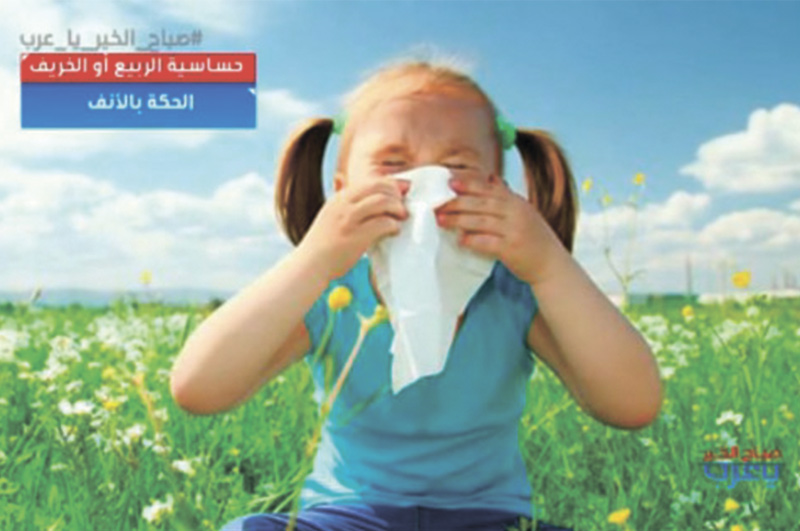
Is your child constantly sneezing? Rubbing itchy eyes? Dealing with a runny nose that won’t quit? In Dubai, seasonal allergies affect thousands of children—and the desert environment can make symptoms even worse.
The good news is that allergies are very manageable with the right approach. Here’s everything Dubai parents need to know about identifying, treating, and preventing seasonal allergies in children.
What Causes Seasonal Allergies in Dubai?
Seasonal allergies (also called allergic rhinitis or hay fever) happen when your child’s immune system overreacts to normally harmless substances in the air.
Common allergy triggers in Dubai:
- Dust and sand — Frequent dust storms can irritate airways
- Pollen — From grass, trees, and desert plants
- Mold spores — Thrive in humid conditions
- Sudden weather changes — Temperature shifts can trigger symptoms
- Air conditioning — Can circulate dust and allergens indoors
Dubai’s unique environment—dusty winds, high humidity, and extreme heat—can make allergies particularly challenging for children.
Symptoms of Seasonal Allergies in Children
Allergy symptoms can look a lot like a cold, but there are key differences. Allergies typically don’t cause fever and symptoms last longer than a week.
Nose and Throat Symptoms
- Runny or stuffy nose
- Frequent sneezing
- Itchy nose or throat
- Post-nasal drip (mucus dripping down the throat)
- Sore throat from mouth breathing
Eye Symptoms
- Red, watery eyes
- Itchy eyes
- Dark circles under eyes (“allergic shiners”)
- Puffy or swollen eyelids
Other Signs to Watch For
- Frequent throat clearing
- Snoring or breathing through the mouth
- Fatigue and irritability
- Poor sleep quality
- Trouble concentrating at school
Important: About 8 out of 10 children with asthma also have allergic rhinitis. If your child has asthma, allergies can make breathing symptoms worse.
How to Tell If It’s Allergies or a Cold
| Symptom | Allergies | Cold |
|---|---|---|
| Duration | Weeks to months | 7-10 days |
| Fever | No | Sometimes |
| Itchy eyes/nose | Yes | Rarely |
| Nasal discharge | Clear and watery | Thick, yellow/green |
| Pattern | Same time each year | Random |
When to See a Pediatrician in Dubai
Talk to a pediatrician in Dubai if your child:
- Has symptoms that last more than 2 weeks
- Isn’t getting relief from over-the-counter medications
- Has symptoms that interfere with sleep or school
- Develops wheezing or difficulty breathing
- Gets frequent sinus or ear infections
- Has symptoms year-round (not just seasonal)
Your doctor may refer your child to a pediatric allergist for skin prick testing to identify exactly what triggers your child’s symptoms.
Treatment Options for Children’s Allergies
Treatment depends on how severe your child’s symptoms are. Most children find relief with a combination of approaches.
1. Antihistamines (First-Line Treatment)
Antihistamines are the most common treatment for allergies. They work quickly—most children notice improvement within 30-60 minutes.
Non-drowsy options for children:
- Cetirizine (Zyrtec)
- Loratadine (Claritin)
- Fexofenadine (Allegra)
Note: Older antihistamines like Benadryl can cause drowsiness. Newer options are less likely to make your child sleepy.
2. Nasal Corticosteroid Sprays
These sprays reduce inflammation in the nose and are very effective for ongoing allergies. They’re safe for children with long-term use.
Examples: Flonase, Nasonex, Rhinocort
Important: These sprays need daily use for up to a month before you see full benefits. They work best when started before allergy season begins.
3. Eye Drops
If itchy, watery eyes are a major problem, antihistamine eye drops can provide quick relief.
4. Immunotherapy (For Severe Cases)
If medications aren’t controlling symptoms, your allergist may recommend immunotherapy. This involves gradually exposing your child to small amounts of allergens to build tolerance.
Options include:
- Allergy shots (SCIT) — Given in the doctor’s office
- Sublingual tablets (SLIT) — Dissolve under the tongue at home
How to Reduce Allergy Symptoms at Home
Prevention is key! These simple steps can significantly reduce your child’s exposure to allergens:
Indoor Environment
- Keep windows closed during high pollen days or dust storms
- Use air conditioning with clean, quality filters (change monthly)
- Run a HEPA air purifier in your child’s bedroom
- Vacuum regularly with a HEPA-filter vacuum
- Wash bedding weekly in hot water
- Keep humidity below 50% to prevent mold growth
When Outdoors
- Check pollen forecasts before outdoor activities
- Limit outdoor play on windy or dusty days
- Have your child shower and change clothes after playing outside
- Wear sunglasses to protect eyes from pollen
- Avoid hanging laundry outside where pollen can collect
At School
- Inform teachers about your child’s allergies
- Pack tissues and any needed medications
- Ask about indoor recess options on high-allergen days
Dubai’s Allergy Seasons
Unlike countries with four distinct seasons, Dubai has unique allergy patterns:
- Winter (Nov-Feb): Grass pollen can increase
- Spring (Mar-May): Tree pollen and dust storms peak
- Summer (Jun-Aug): Mold and indoor allergens (AC-related)
- Fall (Sep-Oct): Weed pollen and weather transitions
Many children in Dubai experience symptoms year-round due to dust and indoor allergens.
Expert Allergy Care at myPediaClinic Dubai
At myPediaClinic in Dubai Healthcare City, we help families manage childhood allergies effectively. Our team can:
- Evaluate your child’s symptoms and identify triggers
- Create a personalized treatment plan
- Recommend appropriate medications
- Refer to pediatric allergists when needed
- Monitor your child’s progress over time
If allergies are affecting your child’s quality of life, don’t wait. Book an appointment with our pediatric team today.
Frequently Asked Questions
At what age do seasonal allergies start in children?
Seasonal allergies can develop at any age, but they most commonly appear between ages 3-5. Children under 2 rarely have seasonal allergies because they haven’t been exposed to enough pollen cycles. If you notice symptoms in a toddler, they may be reacting to indoor allergens like dust mites or pet dander.
Can children outgrow allergies?
Some children do see their allergies improve as they get older, particularly with food allergies. However, seasonal allergies often persist into adulthood. The good news is that symptoms can be well-controlled with proper treatment regardless of age.
Are over-the-counter allergy medications safe for children?
Yes, many over-the-counter antihistamines like cetirizine (Zyrtec), loratadine (Claritin), and fexofenadine (Allegra) are approved for children. However, always check age recommendations on the label and consult your pediatrician for proper dosing, especially for children under 6.
How do I know if my child needs allergy testing?
Consider allergy testing if your child has symptoms that last more than 2-3 weeks, don’t respond to basic treatment, or significantly impact sleep and daily activities. Testing can identify specific triggers so you can take targeted prevention measures.
What’s the difference between allergies and asthma?
Allergies primarily affect the nose and eyes, while asthma affects the lungs and breathing. However, they’re closely connected—about 80% of children with asthma also have allergies, and allergens can trigger asthma attacks. If your child has both, treating allergies can help control asthma symptoms.