
Baby Powder is More Dangerous Than You Think: Pediatrician in Dubai Explains the Risks
For generations, baby powder has been a staple in nurseries around the world, viewed as an essential item for newborn care. That familiar white powder, with its distinctive scent, has been used by countless parents for diaper changes and infant skincare. However, at myPediaClinic in Dubai Healthcare City, Dr. Medhat Abu-Shaaban often surprises parents when he advises against using traditional baby powder for their little ones.
The truth about baby powder is more complex and concerning than many parents realize. What was once considered a harmless, even beneficial product has come under intense medical and scientific scrutiny. Understanding the potential dangers of baby powder helps parents make informed decisions about the products they use on their children’s delicate skin.
What is Baby Powder? Understanding the Product
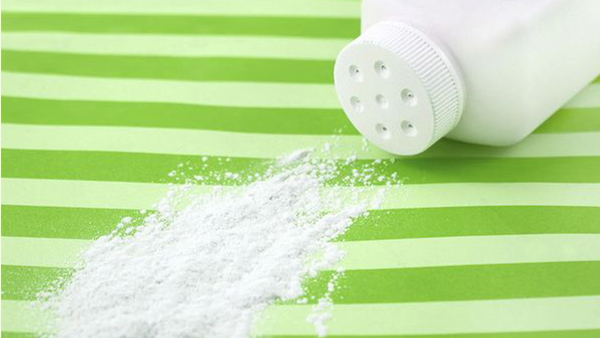
Before discussing the risks, it’s important to understand what baby powder actually contains. Traditionally, baby powder has been made from one of two primary ingredients: talc or cornstarch.
Talc-Based Baby Powder
Talc is a mineral composed of magnesium, silicon, and oxygen. In its natural mineral form, talc contains asbestos, a known carcinogen. While cosmetic-grade talc used in baby powder is supposed to be asbestos-free, concerns about potential contamination have plagued the industry for decades. Talc has excellent moisture-absorbing properties and creates the silky-smooth texture associated with traditional baby powder.
Dr. Medhat Abu-Shaaban explains that while manufacturers claim their talc is carefully purified and tested to ensure no asbestos contamination, the mining and purification processes aren’t perfect. Asbestos and talc often occur together in natural deposits, making complete separation challenging. Multiple investigations have found asbestos contamination in some talc-based products, leading to product recalls and lawsuits.
Cornstarch-Based Baby Powder
In response to concerns about talc, many manufacturers now offer cornstarch-based baby powders. Cornstarch is derived from corn and doesn’t carry the asbestos contamination risk associated with talc. However, cornstarch-based powders present their own concerns, particularly regarding yeast infections. Cornstarch can actually promote the growth of certain fungi and yeast, potentially worsening diaper rash caused by yeast infections rather than helping it.
The Inhalation Danger: Why Powder in Babies’ Lungs is Serious
Perhaps the most immediate and serious danger of baby powder relates not to what it contains but to its physical form. Fine powder particles can easily become airborne during application, creating an inhalation hazard for infants.
How Inhalation Occurs
During diaper changes, parents typically shake powder onto their hands or directly onto the baby’s diaper area. This action creates a cloud of fine particles that can be inhaled by babies lying on changing tables. Babies naturally breathe more rapidly than adults—up to 40-60 breaths per minute in newborns—increasing their exposure to airborne particles.
At myPediaClinic in Dubai, Dr. Abu-Shaaban has treated cases of respiratory distress in infants following baby powder inhalation. The fine particles can be drawn deep into babies’ developing lungs, causing inflammation and breathing difficulties.
Effects on Infant Lungs
When powder particles are inhaled, they can cause immediate respiratory irritation including coughing, wheezing, and difficulty breathing. More severe inhalation can lead to aspiration pneumonitis—inflammation of lung tissue caused by inhaled substances. In rare but serious cases, significant powder inhalation can cause severe respiratory distress requiring emergency medical treatment and even hospitalization.
The developing lungs of infants are particularly vulnerable to inhaled particles. The respiratory system is immature, with smaller airways that can become blocked more easily. Babies have limited ability to cough effectively to clear their airways. Long-term effects of repeated powder inhalation exposure aren’t fully understood but may include chronic lung inflammation or increased asthma risk.
Documented Cases and Medical Concern
Medical literature documents numerous cases of serious respiratory complications from baby powder inhalation. Some infants have required intensive care treatment for powder aspiration. Tragically, deaths have been attributed to severe baby powder inhalation, though these extreme cases are rare. Due to these well-documented risks, pediatric organizations including the American Academy of Pediatrics advise against using baby powder.
The Asbestos Contamination Controversy
The issue of asbestos contamination in talc-based baby powder has generated significant controversy, lawsuits, and scientific investigation over recent years. Understanding this concern helps parents appreciate why Dr. Medhat Abu-Shaaban and other pediatricians in Dubai and internationally recommend avoiding talc-based products.
Understanding the Contamination Risk
Asbestos and talc are different minerals but often occur together in natural deposits. When talc is mined, the potential for asbestos contamination exists if the minerals aren’t completely separated during processing. Even small amounts of asbestos exposure are concerning because asbestos fibers can cause serious health problems including lung cancer, mesothelioma (a cancer affecting the lining of lungs and abdomen), and asbestosis (scarring of lung tissue).
The concern isn’t theoretical. Independent laboratory testing has found asbestos in samples of talc-based baby powder, leading to product recalls and lawsuits. While manufacturers maintain their products are safe and asbestos-free, the contamination findings have eroded consumer confidence and prompted many parents to seek alternatives.
Regulatory Oversight and Testing
In many countries, cosmetic products including baby powder aren’t subject to the same rigorous pre-market testing and approval processes as medications. Manufacturers are largely responsible for ensuring their products are safe, with regulatory agencies like the FDA conducting limited testing and relying primarily on adverse event reporting to identify problems.
This regulatory environment means that contamination might not be detected until products have been on the market for years or even decades. At myPediaClinic, Dr. Abu-Shaaban emphasizes that when it comes to products used on vulnerable infants, it’s better to err on the side of caution rather than waiting for definitive proof of harm.
Skin Irritation and Other Direct Contact Concerns
Beyond inhalation and contamination issues, baby powder can cause problems through direct contact with babies’ skin.
Delicate Infant Skin
Newborn and infant skin is significantly different from adult skin. It’s thinner, more permeable, more sensitive to irritation, has a less developed protective barrier function, and is more vulnerable to chemical absorption. Products that might be tolerated by adult skin can cause irritation, allergic reactions, or other problems on infant skin.
Baby powder, despite its name and marketing as gentle for babies, can irritate sensitive infant skin. The powder can cake in skin folds when combined with moisture, creating areas of irritation. Fragrances and other additives in scented baby powders increase irritation and allergy risk. Some babies develop contact dermatitis (skin inflammation) from baby powder ingredients.
Genital Area Concerns
Baby powder has traditionally been applied to the diaper area, including genital regions. This practice raises specific concerns, particularly for baby girls. Powder particles can enter the vaginal area, potentially causing irritation or disrupting the normal bacterial balance. Some research has suggested a possible link between talc use in the genital area and ovarian cancer later in life, though this research is controversial and not conclusive.
Dr. Yasmin Kottait and Dr. Medhat Abu-Shaaban at myPediaClinic advise parents that the diaper area simply doesn’t need powder for proper hygiene. Gentle cleansing with water and appropriate barrier creams when needed provide better protection without the risks associated with powder.
The Yeast Infection Problem with Cornstarch Powder
Parents who switched to cornstarch-based powders believing them safer may face different problems. While cornstarch eliminates asbestos contamination concerns, it creates its own issues related to fungal and yeast growth.
How Cornstarch Feeds Yeast
Cornstarch is a carbohydrate that can serve as food for Candida and other yeast organisms. When applied to the warm, moist diaper area—an environment where yeast thrives—cornstarch can actually promote yeast growth. This means that cornstarch powder used to prevent or treat diaper rash can worsen rashes caused by yeast infections, creating a frustrating cycle where parents apply more powder to treat worsening rash, further feeding the yeast causing the problem.
At myPediaClinic in Dubai Healthcare City, Dr. Abu-Shaaban frequently sees diaper rashes that have been worsened by well-intentioned but misguided powder use. Distinguishing between yeast diaper rash and other types of diaper rash requires professional evaluation, and treatment approaches differ significantly.
What Parents Should Use Instead: Safer Alternatives
If baby powder isn’t recommended, what should parents in Dubai use for diaper care and infant hygiene? Dr. Medhat Abu-Shaaban and our team at myPediaClinic provide practical, evidence-based alternatives that protect babies’ skin without the risks associated with powder.
Proper Diaper Changing Technique
The foundation of good diaper area care doesn’t require any special products—just proper technique. Change diapers promptly when wet or soiled. Clean the diaper area gently but thoroughly with warm water and a soft cloth or unscented, alcohol-free baby wipes. Pat the area completely dry before applying a new diaper—air drying for a few minutes is ideal when time permits. Ensure skin folds are clean and dry.
This simple approach prevents most diaper rash without any powder, creams, or special products. The key is keeping the area clean and dry—moisture trapped against skin causes most diaper rash problems.
Barrier Creams and Ointments
When diaper rash does occur or for babies with sensitive skin prone to rash, barrier creams provide better protection than powder without associated risks. Products containing zinc oxide or petroleum jelly create a protective barrier between skin and moisture. These thick ointments stay in place better than powder, which can be rubbed off by diaper friction. They don’t pose inhalation risks or feed yeast growth.
At myPediaClinic, Dr. Abu-Shaaban recommends applying a thin layer of barrier cream at each diaper change for babies prone to rash, or only when rash appears for babies with more resilient skin. The “less is more” principle applies—a thin layer spread evenly works better than thick globs that prevent air circulation.
Diaper-Free Time
One of the best treatments and preventive measures for diaper rash costs nothing and requires no products—simply giving babies regular diaper-free time. Lay your baby on a waterproof pad or towel and let them go without a diaper for periods throughout the day. This allows air to circulate around the diaper area, promoting drying and healing. Exposure to air speeds resolution of existing rash and prevents new rash from developing.
In Dubai’s warm climate, diaper-free time is particularly pleasant and practical. Consider outdoor diaper-free time in private spaces like enclosed balconies or gardens where babies can safely enjoy fresh air on their skin.
Appropriate Skin Care Products
If you want to use products beyond basic barrier creams, choose items specifically formulated for infant skin. Look for fragrance-free, hypoallergenic products, minimal ingredient lists (fewer ingredients mean less allergy risk), products specifically labeled for infant or newborn use, and items free from parabens, phthalates, and other concerning chemicals.
At myPediaClinic in Dubai Healthcare City, our team can recommend specific products appropriate for your baby’s skin type and any particular concerns you’re addressing. We understand that Dubai’s market offers products from around the world, and helping parents navigate options is part of comprehensive pediatric care.
Special Considerations for Dubai’s Climate
Dubai’s hot, humid climate creates specific skin care considerations for babies. Understanding how climate affects infant skin helps parents adapt care approaches appropriately.
Heat and Humidity Effects
Dubai’s heat means babies sweat more, increasing moisture in the diaper area and skin folds. This extra moisture raises diaper rash risk and might tempt parents to use powder to absorb wetness. However, the better approach is more frequent diaper changes, ensuring thorough drying between changes, using breathable diaper brands, and providing regular air circulation through diaper-free time.
Air Conditioning Considerations
While Dubai is hot outdoors, indoor environments are typically heavily air-conditioned. This transition between hot, humid outdoor air and cool, dry indoor air can affect babies’ skin. Some babies develop dry skin from air conditioning exposure. For these babies, gentle moisturizers (not powder) help maintain skin barrier function. Choose fragrance-free baby moisturizers applied to clean, dry skin after bathing.
When to Seek Medical Care: Diaper Rash Warning Signs
Most diaper rash can be managed at home with proper hygiene and barrier creams. However, certain symptoms warrant professional evaluation by Dr. Abu-Shaaban or our pediatric team at myPediaClinic.
Concerning Symptoms
Contact myPediaClinic if your baby’s diaper rash shows severe redness or inflammation, bright red rash with defined borders (suggesting yeast infection), pimples, blisters, or open sores, rash that spreads beyond the diaper area, rash that doesn’t improve after 2-3 days of home treatment, rash accompanied by fever, or rash that seems to cause significant pain (baby cries during diaper changes or shows distress).
These symptoms may indicate yeast infection, bacterial infection, or other conditions requiring prescription treatment. Don’t continue applying powder or over-the-counter products if rash worsens or doesn’t improve—seek professional evaluation instead.
The Marketing vs. Medical Reality: Understanding Product Claims
Baby powder marketing emphasizes gentleness, purity, and tradition. Understanding the gap between marketing messages and medical evidence helps parents make informed choices.
Traditional Practice Doesn’t Equal Safety
The fact that baby powder has been used for generations doesn’t guarantee its safety. Many traditional parenting practices have been abandoned as medical understanding advanced. Previous generations used products and practices we now know are dangerous—lead-based paint in nurseries, babies sleeping on stomachs, honey for infants under one year, and unrestrained car travel, to name just a few.
Dr. Medhat Abu-Shaaban emphasizes that modern pediatric care is based on scientific evidence, not tradition. When evidence shows a product poses risks—even if it’s been used for decades—recommendations change accordingly.
Natural Doesn’t Always Mean Safe
Marketing often emphasizes “natural” ingredients like cornstarch or plant-based talc alternatives. While natural ingredients may seem inherently safer, this isn’t always true. Natural substances can cause allergic reactions, promote infection (as with cornstarch and yeast), or contain contaminants. The “natural” label doesn’t guarantee a product is appropriate for use on infants or free from risks.
Legal and Regulatory Developments
The baby powder controversy has generated significant legal activity and regulatory discussion that parents should be aware of.
Lawsuits and Settlements
Major manufacturers have faced thousands of lawsuits alleging that talc-based baby powder caused ovarian cancer or mesothelioma. Some cases have resulted in billion-dollar jury verdicts, though many are under appeal. These legal developments, regardless of their ultimate outcomes, highlight the serious concerns about talc safety that have persisted for years.
Product Reformulations and Discontinuations
In response to safety concerns and declining sales, some manufacturers have discontinued talc-based baby powder in certain markets, reformulated products to use cornstarch instead of talc, or ceased baby powder production entirely. These business decisions reflect the growing awareness of baby powder risks among consumers and healthcare providers.
Educating Caregivers: Ensuring Consistency in Baby Care
In Dubai’s multicultural environment, babies often receive care from parents, grandparents, domestic helpers, and nannies from diverse cultural backgrounds. Ensuring all caregivers understand current baby care recommendations, including avoiding baby powder, requires clear communication.
Addressing Generational Differences
Grandparents who raised children in different eras may not understand why products they used successfully are now discouraged. At myPediaClinic, we help parents navigate these generational differences respectfully. Explain that recommendations change as medical knowledge advances. Share this information from Dr. Abu-Shaaban or other pediatric sources to provide authoritative backing. Emphasize that you’re following current medical guidance for your child’s safety. Suggest specific alternatives they can use instead of powder.
Cultural Considerations
Some cultures have strong traditions around baby powder use. Respecting these cultural backgrounds while protecting infant health requires sensitivity and clear information. Dr. Abu-Shaaban and our multicultural team at myPediaClinic understand these dynamics and can provide culturally sensitive education about infant care practices.
Comprehensive Newborn Care at myPediaClinic Dubai
Questions about baby powder and infant skin care represent just one small part of the guidance new parents need. At myPediaClinic in Dubai Healthcare City, Dr. Medhat Abu-Shaaban, Dr. Yasmin Kottait, and our experienced pediatric team provide comprehensive newborn and infant care including well-baby checkups, newborn screenings, feeding support (breastfeeding and formula), vaccination according to international schedules, developmental monitoring, and guidance on all aspects of infant care from sleep to skin care to safety.
We understand that parenting is overwhelming, especially for first-time parents or those far from extended family support networks. Our team takes time to address your questions, provide evidence-based guidance, and support you through the challenges and joys of caring for your new baby.
Frequently Asked Questions About Baby Powder Safety
Is all baby powder dangerous, or just talc-based powder?
Both talc-based and cornstarch-based powders present risks. Talc carries asbestos contamination concerns and inhalation risks. Cornstarch eliminates asbestos concerns but can promote yeast growth and still poses inhalation risk. Dr. Medhat Abu-Shaaban at myPediaClinic recommends avoiding both types of powder and using safer alternatives like barrier creams instead.
What should I do if my baby inhales baby powder?
If your baby inhales a small amount during typical powder use and shows no distress, monitor closely for coughing, wheezing, or breathing difficulty. If significant inhalation occurs or if your baby shows any breathing problems, seek immediate medical care. Contact myPediaClinic or go to the emergency room if your baby has persistent coughing, difficulty breathing, blue-tinged lips or skin, or extreme lethargy after powder exposure.
I’ve been using baby powder for months; have I harmed my baby?
Don’t panic if you’ve been using baby powder. Most babies exposed to powder don’t experience serious problems. The risks we discuss are concerns that make powder use inadvisable, not guarantees of harm. Simply stop using powder going forward and switch to safer alternatives. If you have specific concerns about your baby’s health, discuss them with Dr. Abu-Shaaban at your next checkup.
Can I use baby powder on older children or adults?
The inhalation risk decreases with age as breathing patterns mature and people have more control over exposure. However, the asbestos contamination concerns with talc-based products remain regardless of age. Many pediatricians and dermatologists recommend avoiding talc-based powders for all ages and choosing cornstarch-based alternatives or other products for moisture absorption needs in older children and adults.
What about powder marketed specifically for diaper rash?
Products marketed for specific purposes like diaper rash still carry the same risks as general baby powder if they contain talc or cornstarch in powder form. Barrier creams specifically formulated for diaper rash provide better treatment without inhalation or contamination risks. At myPediaClinic, Dr. Abu-Shaaban can recommend appropriate diaper rash treatments based on the type and severity of your baby’s rash.
Is organic or natural baby powder safer?
The “organic” or “natural” label doesn’t eliminate safety concerns. Natural cornstarch still promotes yeast growth and poses inhalation risk. Some natural alternatives use arrowroot powder or other plant starches, which present similar concerns. The physical form (fine, inhalable powder) creates risk regardless of the specific ingredient source. Focus on avoiding powder products rather than seeking “natural” versions.
Can baby powder cause cancer?
This is a complex, controversial question. Some research has suggested a possible link between talc use in the genital area and ovarian cancer, though findings are inconsistent and causation isn’t proven. If talc is contaminated with asbestos, asbestos exposure can cause lung cancer and mesothelioma. Given these concerns and the fact that powder isn’t necessary for infant care, avoiding it represents a prudent precaution.
My mother used baby powder on me and I turned out fine; why is it a problem now?
Many people were exposed to baby powder as infants without apparent harm. However, the absence of obvious immediate problems doesn’t guarantee safety. Some risks (like potential cancer links) wouldn’t become apparent until decades after exposure. Additionally, medical recommendations evolve as research reveals risks that weren’t previously understood. Dr. Abu-Shaaban follows current evidence-based guidelines that reflect our best understanding of infant safety.
What should I use to keep my baby’s skin dry and prevent diaper rash?
The best approach to preventing diaper rash doesn’t require powder. Instead, change diapers frequently, clean the diaper area gently with water and soft cloths or wipes, dry the area thoroughly (especially in skin folds), allow diaper-free time for air circulation, and apply a thin layer of zinc oxide or petroleum-based barrier cream when needed. This simple routine prevents most diaper rash without any powder products.
Are there any situations where baby powder is actually necessary or beneficial?
No, there’s no situation where baby powder is medically necessary. Anything powder was traditionally used for can be accomplished more safely with alternative approaches. If you’re concerned about moisture absorption, more frequent diaper changes and air exposure work better. For friction reduction, barrier creams are more effective and safer. Baby powder is a product parents can completely eliminate without any negative impact on infant care quality.
What if I receive baby powder as a gift; should I throw it away?
If you receive baby powder as a gift, you’re not obligated to use it. You can politely inform the gift-giver that your pediatrician recommends against powder use, donate unopened products to organizations that might want them (though consider whether this perpetuates use of a problematic product), or simply store it unused. Don’t feel pressure to use products you believe may be harmful just because they were gifts.
Can baby powder be used for purposes other than on babies?
Some adults use talc-based powder for moisture absorption or friction reduction in various applications. While inhalation risk decreases with age, concerns about asbestos contamination remain. If you choose to use powder products, apply carefully to avoid creating inhalable clouds, choose cornstarch-based products to avoid asbestos concerns, and never use powder around babies or young children who might inhale particles.
How do I treat severe diaper rash without powder?
Severe diaper rash requires professional evaluation to determine the cause and appropriate treatment. At myPediaClinic in Dubai, Dr. Abu-Shaaban can distinguish between different types of diaper rash—irritant dermatitis, yeast infection, bacterial infection, or other conditions—and prescribe appropriate treatment. This might include prescription-strength barrier creams, antifungal creams for yeast infections, or other medications depending on the diagnosis. Powder is never the appropriate treatment for severe diaper rash.
Does myPediaClinic sell or recommend specific baby care products?
While we don’t sell products, Dr. Medhat Abu-Shaaban and our team at myPediaClinic provide recommendations for safe, effective baby care products available in Dubai. We understand the overwhelming array of options in Dubai’s international market and can suggest specific brands and products appropriate for your baby’s needs. We have no financial relationships with product manufacturers—our recommendations are based solely on safety and effectiveness.
What should I look for when choosing diaper rash cream?
Look for products containing zinc oxide or petroleum jelly as primary ingredients, fragrance-free formulations to minimize irritation and allergy risk, minimal ingredient lists, products specifically labeled for infant use, and thick, ointment-like consistency that creates an effective barrier. At myPediaClinic, we can recommend specific products that meet these criteria and are readily available in Dubai.
Can I make my own natural diaper rash treatment instead of using commercial products?
While some parents prefer DIY approaches, exercise caution with homemade preparations. Certain natural substances can cause irritation or allergic reactions. If you want to try natural remedies, discuss them with Dr. Abu-Shaaban first. Some safe, simple home remedies include coconut oil (has antifungal properties but test on a small skin area first to ensure no allergic reaction) and breastmilk (has antibacterial properties and some mothers apply it to minor rashes). However, commercial barrier creams specifically formulated for infant use are generally more effective and reliable.
My baby has very sensitive skin; what special precautions should I take?
Babies with sensitive skin need extra care in product selection and application. Avoid all powder products, which can irritate delicate skin. Choose fragrance-free, hypoallergenic products. Change diapers very frequently to minimize moisture exposure. Pat skin dry gently rather than rubbing. Apply barrier cream at every change to protect sensitive skin. Use lukewarm water for cleaning rather than wipes when possible. At myPediaClinic, Dr. Abu-Shaaban can evaluate your baby’s skin sensitivity and provide personalized care recommendations.
Is baby powder use related to other infant safety concerns I should know about?
The baby powder issue reflects a broader theme in infant care—traditional practices aren’t always safe, and parents should follow current evidence-based medical guidance. Other areas where recommendations have changed include sleep position (back is best), crib safety (no bumpers, loose bedding, or stuffed animals), honey avoidance for infants under one year, and car seat safety requirements. At myPediaClinic, we provide comprehensive safety education to help parents protect their babies based on current best practices.
Where can I learn more about safe baby care practices in Dubai?
myPediaClinic in Dubai Healthcare City offers comprehensive parent education as part of well-baby care. During regular checkups, Dr. Medhat Abu-Shaaban and Dr. Yasmin Kottait provide guidance on all aspects of infant care, safety, feeding, sleep, and development. We welcome questions and provide evidence-based information to help you make informed decisions about your baby’s care. Schedule a consultation to discuss any specific concerns about products or practices you’re unsure about.
How do I know if other “traditional” baby care products are safe?
When evaluating any baby care product, consider whether it’s recommended by current pediatric organizations, has been tested for safety in infants specifically, contains minimal, identifiable ingredients, serves a necessary purpose (not just marketing), and aligns with current medical evidence. If you’re unsure about a product, ask Dr. Abu-Shaaban at myPediaClinic. We’re happy to provide guidance on the safety and necessity of various baby care products and practices.
Making informed choices about the products you use on your baby starts with accurate information. At myPediaClinic in Dubai Healthcare City, Dr. Medhat Abu-Shaaban and our pediatric team are committed to helping parents navigate the overwhelming world of baby care products, separating marketing from medical evidence, and providing guidance that truly protects your child’s health.