

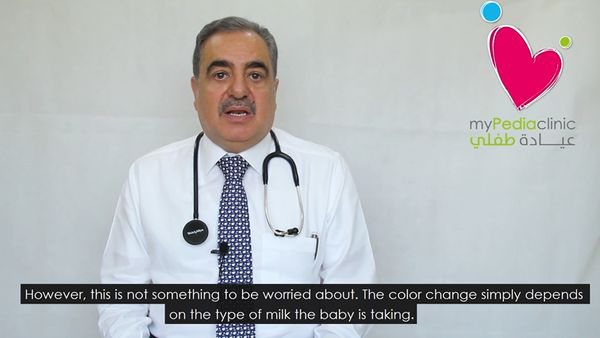
What Does Your Baby’s Stool Color Say About Their Health? A Complete Guide for Parents in Dubai
As a new parent in Dubai, you might find yourself examining your baby’s diaper more closely than you ever imagined you would. While it might seem like an unusual topic of conversation, your baby’s stool color can actually provide valuable insights into their health and development. At myPediaClinic in Dubai, Dr. Medhat Abu-Shaaban and our team of pediatric specialists frequently help parents understand what’s normal and what might warrant concern when it comes to their baby’s bowel movements.
From bright yellow to dark green, from seedy to pasty, baby stools come in an amazing variety of colors and textures. Most of these variations are completely normal and simply reflect what your baby is eating and how their digestive system is developing. However, certain colors can occasionally signal a problem that needs medical attention.
In this comprehensive guide, we’ll walk you through everything you need to know about baby stool colors, what each color means, when to worry, and when to relax. Whether you’re a first-time parent or adding to your family, this information will help you feel more confident in monitoring your baby’s digestive health.
Understanding Baby Stool: The Basics
Before we dive into the rainbow of colors you might encounter, it’s helpful to understand why baby stool looks so different from adult stool. A baby’s digestive system is still developing, and what they eat has a direct and immediate impact on the appearance of their bowel movements.
Breastfed babies, formula-fed babies, and babies who are eating solid foods will all have different-looking stools. Even the same baby’s stool can vary significantly from day to day based on what they’ve consumed, how hydrated they are, and how quickly food is moving through their digestive tract.
At myPediaClinic Dubai, we remind parents that there’s a wide range of “normal” when it comes to baby stool. What’s most important is understanding what’s typical for your baby and recognizing significant changes or concerning colors. Dr. Medhat Abu-Shaaban emphasizes that while stool color can provide clues about your baby’s health, it should always be considered along with other factors like your baby’s overall behavior, feeding patterns, and growth.
The First Stool: Meconium
Your baby’s very first bowel movements look nothing like what will come later, and that’s completely normal. In the first day or two after birth, babies pass meconium—a thick, sticky, tar-like substance that’s usually dark greenish-black in color.
Meconium is made up of everything your baby ingested while in the womb: amniotic fluid, skin cells, lanugo (fine body hair), and other substances. It’s been accumulating in your baby’s intestines since about the fourth month of pregnancy.
The passage of meconium is actually an important sign that your baby’s digestive system is working. Healthcare providers at hospitals in Dubai, including those who work closely with myPediaClinic, will monitor to ensure that your newborn passes meconium within the first 24 to 48 hours of life. Delayed passage of meconium can sometimes indicate a blockage or other problem that needs attention.
After a few days, as your baby begins to feed (whether by breast or bottle), the meconium will transition to a more typical newborn stool. This transition usually happens gradually over the first week of life.
Breastfed Baby Stool: The Golden Standard
Once your baby is actively breastfeeding and your milk has come in, you’ll notice a dramatic change in stool color and consistency. Breastfed baby stool is typically mustard yellow, though it can range from bright yellow to slightly greenish-yellow.
The consistency is usually soft and seedy, often described as looking like cottage cheese mixed with mustard. This seedy appearance comes from undigested milk fat, which is completely normal. The stool may also be somewhat runny or loose, which can sometimes alarm parents who mistake it for diarrhea. However, this looser consistency is typical for breastfed babies.
Dr. Yasmin Kottait at myPediaClinic notes that breastfed babies often have very frequent bowel movements in the early weeks—sometimes after every feeding. This is a good sign that they’re getting plenty of milk. However, it’s also completely normal for breastfeeding patterns to change over time. Some older breastfed babies may go several days without a bowel movement, and as long as the stool is soft when it does come and the baby is otherwise healthy and growing well, this is not constipation.
The color of breastfed baby stool can vary slightly based on what the mother is eating. For example, if you consume a lot of green vegetables or foods with strong colors, you might notice subtle changes in your baby’s stool color. These variations are generally nothing to worry about.
Formula-Fed Baby Stool: Tan to Brown Shades
Babies who are fed formula have stools that look somewhat different from those of breastfed babies. Formula-fed baby stool is typically tan, yellow, or brown in color—often described as peanut butter-like.
The consistency is usually thicker and more formed than breastfed baby stool, though still soft. It also tends to have a stronger odor than breastfed baby stool, which is relatively mild-smelling.
Formula-fed babies often have less frequent bowel movements than breastfed babies, perhaps once a day or every other day. This is normal and not a cause for concern as long as the stool remains soft and the baby is comfortable.
Different formulas can produce slightly different stool colors and consistencies. If you switch formula brands or types (such as from regular formula to a sensitive or hypoallergenic formula), don’t be surprised if you notice changes in your baby’s bowel movements. At myPediaClinic, we can help you understand whether these changes are normal or if they might indicate that a particular formula isn’t agreeing with your baby.
Green Stool: Usually Normal, Sometimes a Clue
Green is one of the most common color variations in baby stool, and it’s usually completely harmless. Both breastfed and formula-fed babies can have green stool for several reasons.
In breastfed babies, green stool can indicate:
Foremilk/hindmilk imbalance: If your baby is getting more foremilk (the thinner, more watery milk that comes first) and less hindmilk (the fattier milk that comes later), the stool may be green and frothy. This might happen if feedings are short or if you switch breasts too quickly.
A strong letdown: If you have a very fast milk flow, your baby might not empty one breast fully before becoming full, leading to the same foremilk/hindmilk imbalance.
Foods in mom’s diet: Green vegetables, foods with green food coloring, or certain supplements can tint breast milk and subsequently affect stool color.
In both breastfed and formula-fed babies, green stool can indicate:
Fast transit time: If food is moving through the intestines quickly, bile (which is green) doesn’t have time to break down completely, resulting in green stool.
Illness: A stomach bug or other illness that speeds up digestion can cause green, sometimes mucousy stool.
Iron supplementation: If your baby is taking iron supplements or drinking iron-fortified formula, this can make the stool greenish.
Dr. Medhat Abu-Shaaban at myPediaClinic Dubai advises that green stool alone, when your baby is otherwise happy, feeding well, and growing appropriately, is not typically a concern. However, if green stool is accompanied by other symptoms like excessive fussiness, poor feeding, or signs of dehydration, it’s worth having your baby checked.
When Stool Color Requires Immediate Attention
While most stool color variations are harmless, there are a few colors that should prompt immediate medical attention. If you see any of the following, contact myPediaClinic or seek emergency care right away:
Red or Bloody Stool: Bright red blood in the stool or black, tarry stool (which indicates digested blood) is never normal and requires immediate evaluation. Possible causes include:
- Anal fissures (small tears in the skin around the anus from passing hard stool)
- Milk protein allergy
- Intestinal infection
- More serious conditions affecting the intestines
It’s important to note that sometimes what looks like blood in the stool is actually something benign, such as food coloring from something the baby or breastfeeding mother ate. Beets, tomatoes, and red food dye can all create red-looking stool. However, it’s always better to err on the side of caution and have it checked.
White or Pale Gray Stool: Chalky white, pale gray, or clay-colored stool can indicate a problem with the liver or bile ducts and requires immediate medical evaluation. This is one of the most serious stool color warnings. Bile is what gives stool its characteristic brown or green color, so the absence of color suggests bile is not reaching the intestines.
Conditions that can cause pale stool include biliary atresia (a serious condition affecting the bile ducts), liver disease, or certain infections. Early detection and treatment are crucial for these conditions, which is why Dr. Medhat Abu-Shaaban emphasizes the importance of parents being aware of this warning sign.
Black Stool (After the Meconium Stage): After the first few days of life, black stool can indicate the presence of digested blood, which could be from bleeding somewhere in the upper digestive tract. It could also be caused by iron supplements, but this should be verified by a healthcare provider.
Orange and Yellow Variations: Generally Normal
Stool in shades of orange and yellow is typically normal, especially in breastfed babies. The exact shade can vary based on diet and how quickly food is moving through the digestive system.
Bright orange stool might appear when babies start eating solid foods, particularly if they’re consuming foods high in beta-carotene like carrots, sweet potatoes, or squash. This is completely harmless and simply reflects what your baby is eating.
Yellow stool remains common throughout infancy, particularly in breastfed babies. Even as your baby gets older and starts eating solid foods, you may still see yellow tones in their stool.
Brown Stool: The Ultimate Goal
As babies get older and consume more solid foods, their stool gradually becomes browner and more formed, eventually resembling typical adult stool. This transition happens slowly over months as solid foods become a larger part of your baby’s diet.
Brown stool in various shades (from light tan to dark brown) is considered the most “normal” stool color and indicates healthy digestion. By the time your child is eating a varied diet of solid foods, brown stool in a formed (but still soft) consistency is what you should typically expect.
Stool Consistency: Also Important
While this guide focuses on color, it’s worth mentioning that consistency is equally important. At myPediaClinic, we assess both color and consistency when evaluating digestive health.
Hard, Pebble-Like Stool: This indicates constipation and can be uncomfortable for your baby. If your baby is straining significantly, seems in pain during bowel movements, or is passing hard stools, consult with your pediatrician. Dr. Medhat Abu-Shaaban can recommend dietary changes, adequate fluid intake, or other interventions to help.
Very Watery, Frequent Stool: While breastfed baby stool is naturally looser, truly watery stool that’s much more frequent than usual can indicate diarrhea, possibly from an infection, food intolerance, or other issue. This is particularly concerning if accompanied by other symptoms like fever, vomiting, or signs of dehydration (fewer wet diapers, lethargy, dry mouth, no tears when crying).
Mucousy Stool: Occasional mucus in stool can be normal, especially if your baby is teething or has recently had a cold. However, persistent mucus, especially if accompanied by other symptoms, might indicate an allergy, infection, or other digestive issue worth investigating.
The Impact of Starting Solid Foods
When you introduce solid foods around 6 months of age, get ready for a whole new world of stool colors and textures. Your baby’s stool will start to look more varied and, frankly, more similar to adult stool.
You’ll likely notice pieces of undigested food in the stool, which is completely normal. Babies’ digestive systems are still learning to process solid foods, and some foods (like corn, peas, or tomato skins) may pass through relatively unchanged. This doesn’t mean your baby isn’t absorbing nutrients from these foods—it’s just that the fiber shells of some foods are difficult to break down.
The stool will also start to smell stronger once solid foods are introduced. Different foods will produce different smells and colors. For example, foods rich in iron (like fortified cereals or red meat) may make the stool darker or even greenish-black.
At myPediaClinic, Dr. Yasmin Kottait often works with parents on nutrition planning as babies transition to solid foods. Understanding how different foods affect your baby’s digestion can help you identify any food sensitivities and ensure your baby is getting balanced nutrition.
Food Allergies and Intolerances: What Stool Can Tell You
Sometimes, changes in stool can be an early warning sign of a food allergy or intolerance. While stool changes alone aren’t enough to diagnose an allergy, they can be one piece of the puzzle.
Signs that might suggest a food sensitivity include:
- Persistent mucus in stool
- Blood-streaked stool
- Sudden changes in stool consistency or frequency after introducing a new food
- Green, frothy stool in a breastfed baby (which might indicate a reaction to something in mother’s diet)
- Unusual fussiness, gas, or discomfort accompanying the stool changes
Cow’s milk protein allergy is one of the most common food allergies in infants and can affect both breastfed babies (through proteins in mother’s diet) and formula-fed babies. It often presents with blood-tinged mucousy stool along with other symptoms like excessive crying, poor weight gain, or eczema.
If you suspect your baby might have a food allergy or intolerance, don’t try to diagnose it yourself by eliminating foods from your or your baby’s diet without guidance. Contact myPediaClinic in Dubai for proper evaluation. Dr. Medhat Abu-Shaaban can help determine whether symptoms are truly related to a food issue and guide you through appropriate testing and dietary modifications if needed.
Keeping Track: When and How to Monitor
While you don’t need to scrutinize every single diaper, it’s a good idea to generally stay aware of what’s normal for your baby. Many parents find it helpful to make note of significant changes or anything unusual, especially in the early months.
Consider contacting your pediatrician at myPediaClinic if you notice:
- Dramatic changes in stool color, especially to white, red, or black
- Persistent green stool accompanied by other symptoms
- Sudden changes in frequency (much more or much less frequent than usual)
- Signs of constipation (hard, pebble-like stool, straining, pain)
- Signs of diarrhea (very watery, very frequent stool)
- Mucus or blood in the stool
- Stool changes accompanied by other concerning symptoms (fever, vomiting, poor feeding, lethargy, rash, excessive crying)
Remember that your baby’s overall health and behavior are just as important as stool appearance. A baby who is feeding well, gaining weight appropriately, producing plenty of wet diapers, and seems generally content is likely healthy, even if their stool color varies from day to day.
Hydration and Its Effect on Stool
Proper hydration plays an important role in healthy bowel movements. For young babies, breast milk or formula provides all the hydration they need. Once solid foods are introduced, offering small amounts of water can help keep stools soft and regular.
Dehydration can lead to harder, darker stools and constipation. Signs of dehydration in babies include fewer than six wet diapers per day, dark yellow urine, dry mouth, lethargy, sunken fontanelle (soft spot on the head), and absence of tears when crying.
Dubai’s hot climate means that babies can become dehydrated more easily, especially during summer months. At myPediaClinic, we provide guidance to parents on ensuring adequate hydration for their babies year-round, with special attention during the hotter months.
Frequently Asked Questions About Baby Stool Color
How often should my newborn have a bowel movement?
In the first few weeks of life, breastfed babies often have a bowel movement after every feeding—sometimes 8-10 times a day. This is completely normal and a good sign that they’re getting enough milk. Formula-fed babies may go less frequently, perhaps 3-4 times a day. After the first month, patterns vary widely. Some breastfed babies continue to go frequently, while others may go several days between bowel movements. As long as the stool is soft when it comes and your baby is otherwise healthy, both patterns can be normal. If you’re concerned about your baby’s bowel movement frequency, the pediatricians at myPediaClinic Dubai can assess whether it’s within the normal range for your baby.
Is it normal for my breastfed baby to go several days without a bowel movement?
Yes, this can be completely normal, especially after the first month or two. Some breastfed babies are so efficient at digesting breast milk that there’s very little waste left over. As long as the stool is soft and your baby is comfortable, gaining weight, and producing plenty of wet diapers, infrequent bowel movements are not a problem. Dr. Medhat Abu-Shaaban at myPediaClinic explains to parents that this is not constipation—true constipation involves hard, difficult-to-pass stool, not just infrequent stool.
Why does my baby’s stool sometimes look seedy or curdled?
The seedy appearance you see in breastfed baby stool is undigested milk fat, which is perfectly normal. Breast milk is high in fat, and a baby’s developing digestive system doesn’t absorb all of it, so some passes through and creates that characteristic seedy, cottage cheese-like appearance. This is actually a sign that your baby is getting the rich, fatty hindmilk that’s so important for brain development and growth.
Can teething cause changes in stool color or consistency?
While teething itself doesn’t directly cause diarrhea or major stool changes, some babies do experience slightly looser stools during teething. This might be due to excessive drooling (which can speed up digestion) or because teething babies tend to put more objects in their mouths, potentially introducing more bacteria. However, true diarrhea, blood in stool, or dramatic color changes should not be attributed to teething and should be evaluated by a pediatrician. If your baby at myPediaClinic is experiencing stool changes along with teething symptoms, we can help determine whether it’s related to teething or if there’s another cause that needs attention.
What does mucus in baby stool mean?
A small amount of mucus in stool is normal and nothing to worry about. The intestines naturally produce mucus to help stool pass smoothly. However, if you’re seeing a lot of mucus, especially if it’s accompanied by other symptoms like blood in the stool, excessive fussiness, or changes in feeding patterns, it could indicate an infection, allergy, or other digestive issue. Dr. Medhat Abu-Shaaban at myPediaClinic can evaluate whether the amount of mucus you’re seeing is within normal limits or requires further investigation.
Is dark green, almost black stool normal?
It depends on the context. If your baby is taking iron supplements or eating foods high in iron (like iron-fortified cereal or dark leafy greens), dark green or even greenish-black stool is normal. However, if there’s no obvious dietary explanation and the stool appears truly black and tarry (like the meconium passed in the first days of life), this could indicate digested blood and should be evaluated promptly. When in doubt, it’s always better to have it checked at myPediaClinic rather than worry unnecessarily.
Can antibiotics change stool color?
Yes, antibiotics can definitely affect stool color and consistency. They can cause diarrhea by disrupting the normal balance of bacteria in the gut. Stool might become looser, more frequent, and sometimes greenish. If your baby is taking antibiotics and you notice stool changes, this is usually not concerning as long as your baby is staying hydrated and doesn’t show signs of severe diarrhea or dehydration. Dr. Yasmin Kottait and Dr. Medhat Abu-Shaaban can provide guidance on managing antibiotic-related digestive changes and when to be concerned.
Should I worry if I see food pieces in my baby’s diaper?
Not at all—this is completely normal, especially when you’re first introducing solid foods. A baby’s digestive system is still learning to break down solid foods, and some foods (particularly those with tough outer skins or high fiber content) may pass through relatively unchanged. You might see corn kernels, pea skins, pieces of carrot, or other recognizable food bits. This doesn’t mean your baby isn’t getting nutrition from these foods; they’re still absorbing the nutrients even if the fiber components pass through. As your baby’s digestive system matures, you’ll see less of this.
Why is my formula-fed baby’s stool suddenly green?
If you’ve recently switched formula brands or types, this could explain the color change. Different formulas can produce different stool colors. Green stool in a formula-fed baby can also be caused by an iron-fortified formula, food moving through the intestines quickly, or occasionally an intolerance to the formula. If your baby is otherwise healthy, feeding well, and doesn’t seem uncomfortable, the green color alone is usually not a concern. However, if it persists or is accompanied by other symptoms like excessive fussiness, poor feeding, or signs of discomfort, schedule an appointment at myPediaClinic Dubai to discuss whether a formula change might be appropriate.
How can I tell the difference between normal stool variations and diarrhea?
This can be tricky, especially with breastfed babies whose stool is naturally loose. True diarrhea is usually much more watery than normal, much more frequent than your baby’s usual pattern, and often has a foul smell. The key is knowing what’s normal for your baby. If bowel movements suddenly become much more frequent and watery than usual, this suggests diarrhea. Also look for other signs like fever, vomiting, decreased wet diapers (sign of dehydration), or unusual fussiness. If you’re unsure whether what you’re seeing is diarrhea or normal variation, the team at myPediaClinic can help you assess the situation.
Can what I eat as a breastfeeding mother affect my baby’s stool color?
Yes, to some degree. Foods with strong colors (like beets, leafy greens, or foods with dyes) can sometimes subtly tint your breast milk and subsequently affect your baby’s stool color. More importantly, proteins from foods you eat can pass into your breast milk and potentially cause reactions in sensitive babies. For example, cow’s milk protein from dairy products you consume can affect a baby with milk protein sensitivity, potentially causing changes in stool (often greenish, mucousy, or blood-tinged). At myPediaClinic, we can help you identify whether any foods in your diet might be affecting your baby and guide you through elimination diets if needed.
When babies start eating colorful foods, should I expect rainbow-colored stools?
Absolutely! Once your baby starts eating a variety of colorful foods, their stool can take on some surprising hues. Beets can create reddish or pink-tinged stool, blueberries might cause dark blue or even greenish-black stool, and carrots or sweet potatoes can produce orange stool. This is completely normal and actually shows that your baby is eating a healthy variety of foods. The stool color will return to normal once that particular food has passed through the system. As long as your baby seems healthy and comfortable, these food-related color changes are nothing to worry about.
Is it normal for stool to smell very bad once solid foods are introduced?
Yes, unfortunately this is one of the less pleasant aspects of introducing solid foods. Breast milk or formula-fed baby stool is relatively mild-smelling, but once babies start eating solid foods (especially proteins and more complex carbohydrates), the stool begins to smell much stronger and more similar to adult stool. This is a normal part of digestive development. Different foods will produce different smells—protein-rich foods tend to create particularly strong-smelling stools. While unpleasant, this change in odor is expected and not a cause for concern.
Could bright red stool be from something my baby ate rather than blood?
Possibly. Foods like beets, tomatoes, red gelatin, or foods with red food coloring can create red-tinged stool that might be mistaken for blood. However, it can be difficult to tell the difference just by looking, and true blood in stool is a serious concern that requires prompt evaluation. If you see red in your baby’s stool, try to remember whether they’ve consumed any red-colored foods in the past 24 hours. Regardless, it’s better to err on the side of caution and contact myPediaClinic for guidance. Dr. Medhat Abu-Shaaban can help you determine whether what you’re seeing is likely from food or whether it needs to be evaluated as possible blood.
How long after eating a particular food will it show up in the stool?
Transit time—the time it takes for food to travel through the digestive system—varies but is generally quite fast in babies. You might see evidence of a particular food in your baby’s diaper anywhere from 6 to 24 hours after they ate it. Some foods, particularly those with distinctive colors or hard-to-digest components, will be more obviously recognizable than others. This fast transit time is one reason why you might see undigested food pieces in your baby’s stool—the food simply hasn’t had time to be fully broken down.
Should I be concerned if my baby strains during bowel movements?
Straining alone doesn’t necessarily indicate a problem. Many babies grunt, turn red in the face, or appear to strain when having a bowel movement, even when the stool itself is soft. This is because babies are learning to coordinate the muscles needed for bowel movements. However, if the straining is accompanied by hard, pebble-like stool, signs of pain, or if your baby seems genuinely distressed, this might indicate constipation that needs attention. The pediatricians at myPediaClinic Dubai can assess whether your baby’s straining is normal developmental behavior or a sign of constipation requiring intervention.
Can dehydration affect stool color?
Dehydration primarily affects stool consistency (making it harder and darker) rather than dramatically changing the color. However, very dark brown or even dark green stool can sometimes be associated with dehydration, as the concentrated stool moves more slowly through the intestines. If you suspect dehydration—indicated by fewer wet diapers, dark urine, dry mouth, lethargy, or sunken soft spot—this requires prompt medical attention regardless of stool color. In Dubai’s hot climate, babies can become dehydrated quickly, so it’s important to ensure they’re getting adequate breast milk, formula, or water (for older babies) especially during summer months.
Are there any foods I should avoid giving my baby because they affect stool?
There aren’t foods you need to avoid specifically because of how they affect stool, but it’s good to be aware that certain foods can cause constipation (like bananas or rice cereal in some babies) while others might loosen stool (like prunes or pears). This knowledge can actually be helpful—if your baby tends toward constipation, you might choose more of the foods that promote softer stool, and vice versa. At myPediaClinic, Dr. Medhat Abu-Shaaban and our nutrition specialists can provide personalized guidance on choosing foods that support healthy digestion for your individual baby.
How can I tell if a stool color change is an emergency?
White, chalky, or clay-colored stool is always an emergency and requires immediate evaluation as it can indicate a serious liver or bile duct problem. Red or black stool (outside of the meconium period) also requires prompt attention as it may indicate bleeding. If you see any of these colors, contact myPediaClinic immediately or go to an emergency facility. Other stool changes are generally less urgent but should still be evaluated if they persist or are accompanied by other symptoms like fever, vomiting, poor feeding, lethargy, or signs of dehydration. When in doubt, our team at myPediaClinic is always available to help you determine whether a stool color change needs immediate attention or can wait for a regular appointment.
Working with Your Pediatrician at myPediaClinic Dubai
Understanding what your baby’s stool color means is valuable, but remember that you don’t have to navigate this alone. The pediatric team at myPediaClinic in Dubai is here to support you through every stage of your baby’s development, including those moments when you’re not sure whether what you’re seeing in the diaper is normal.
Dr. Medhat Abu-Shaaban and our experienced staff are accustomed to answering questions about baby stool—it’s a regular part of pediatric care, and no question is too small or too embarrassing. We’d much rather you ask about something that turns out to be normal than have you worry unnecessarily or, worse, miss a sign that needs attention.
During well-child visits, we’ll ask about your baby’s bowel movements as part of our comprehensive assessment of their health. This is the perfect time to mention any patterns or changes you’ve noticed. We can provide guidance on what to expect as your baby grows and their diet changes, helping you feel confident in monitoring their digestive health.
The Bottom Line on Baby Stool
While examining your baby’s diaper might not be the most glamorous part of parenthood, it provides valuable insights into your little one’s health and development. Most color variations you’ll see are completely normal and simply reflect what your baby is eating and how their digestive system is processing it.
The key takeaways to remember are:
- Yellow, tan, brown, and green stools are generally normal
- Mustard yellow, seedy stool is typical for breastfed babies
- Tan to brown, more formed stool is typical for formula-fed babies
- Food colors and ingredients directly affect stool color once solids are introduced
- White, red, or black stool (after the meconium stage) requires immediate medical evaluation
- Consider stool color in context with your baby’s overall health and behavior
- When in doubt, consult with your pediatrician
At myPediaClinic Dubai, we’re committed to supporting families throughout their parenting journey. Whether you’re concerned about stool color, have questions about feeding, or need guidance on any aspect of your child’s health, our team is here to help. With experienced pediatricians like Dr. Medhat Abu-Shaaban and specialists like Dr. Yasmin Kottait, you can trust that your child is receiving comprehensive, expert care.
Don’t hesitate to reach out to myPediaClinic if you have concerns about your baby’s stool or any other aspect of their health. Schedule an appointment today and experience the personalized, compassionate pediatric care that families across Dubai have come to trust. Because when it comes to your baby’s health, peace of mind is priceless—and we’re here to provide exactly that.