

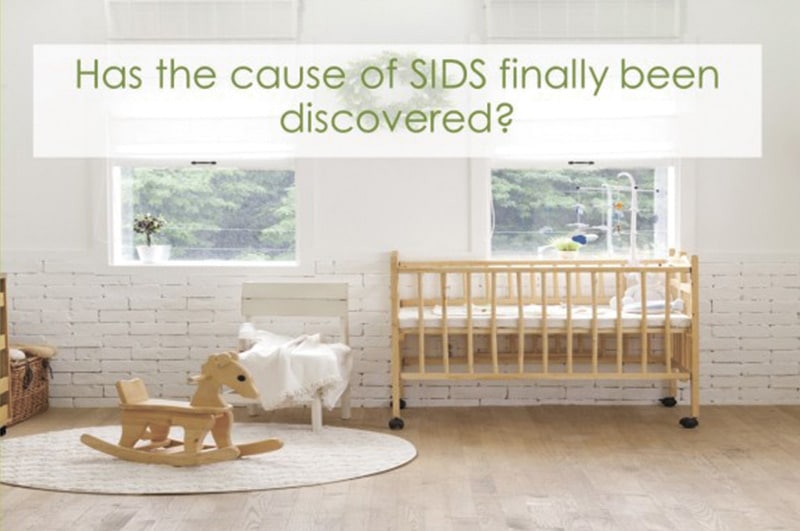
Every parent’s worst fear is losing their baby. Sudden Infant Death Syndrome (SIDS)—also called crib death—is the unexplained death of a seemingly healthy infant, usually during sleep. While SIDS remains one of the leading causes of infant death, the good news is that following safe sleep practices can significantly reduce the risk.
Here’s what every parent in Dubai needs to know about SIDS and how to create the safest sleeping environment for your baby.
What Is SIDS?
Sudden Infant Death Syndrome (SIDS) is the sudden and unexplained death of a baby under one year old, typically during sleep. Despite extensive research, the exact cause remains unknown—which is why it’s often called the “silent killer.”
Key facts about SIDS:
- Most SIDS deaths occur between 1 and 4 months of age
- Risk decreases significantly after 6 months
- SIDS is rare after 12 months
- Boys have a slightly higher risk than girls
- Premature and low birth weight babies face higher risk
The ABCs of Safe Sleep
The American Academy of Pediatrics (AAP) recommends the “ABCs” of safe sleep. Following these guidelines can reduce SIDS risk by up to 50%.
A – Alone
Babies should sleep alone in their own sleep space. While co-sleeping may seem comforting, it increases SIDS risk. The safest arrangement is having baby’s crib or bassinet in your room for the first 6-12 months.
B – Back
Always place your baby on their back to sleep—for every sleep, including naps. Once babies can roll over on their own (usually around 4-6 months), you don’t need to reposition them, but always start them on their back.
C – Crib (Empty)
The crib should contain only a firm, flat mattress with a fitted sheet. Remove:
- Pillows and cushions
- Blankets and comforters
- Stuffed animals and toys
- Bumper pads
- Loose bedding of any kind
Safe Sleep Environment Checklist
Use this checklist to ensure your baby’s sleep space is as safe as possible:
The Mattress
- Firm and flat — The mattress should not indent when baby lies on it
- Fits snugly — No gaps between mattress and crib sides
- New if possible — Avoid used mattresses with unknown history
- Certified — Look for safety certifications
The Room
- Comfortable temperature — Not too hot; 20-22°C (68-72°F) is ideal
- No smoking — Keep the environment completely smoke-free
- Good ventilation — Use a fan or ensure air circulation
- Close to you — Baby’s crib should be in your room for the first 6 months
Baby’s Sleep Clothing
- Use sleep sacks — Instead of loose blankets
- Avoid overheating — One layer more than an adult would wear
- No hats indoors — Babies regulate temperature through their heads
Risk Factors for SIDS
Understanding risk factors helps you take preventive action. Some factors you can control, others you cannot.
Risk Factors You Can Control
- Sleep position — Stomach or side sleeping increases risk
- Soft bedding — Any soft items in the crib
- Overheating — Too many layers or a hot room
- Smoking exposure — During pregnancy or after birth
- Bed sharing — Especially on soft surfaces
- Alcohol or drug use — By caregivers sharing sleep space
Risk Factors Beyond Your Control
- Premature birth or low birth weight
- Family history of SIDS
- Male gender (slightly higher risk)
- Age (1-4 months is highest risk period)
Mattress Safety: What Research Shows
Some researchers have explored whether mattress materials could contribute to SIDS. Dr. James Sprott, a New Zealand scientist, proposed that certain chemicals in mattresses might interact with fungi to produce toxic gases.
While this theory has not been definitively proven or disproven, there are practical steps you can take:
- Use a new mattress — Avoid reusing mattresses between children, as older mattresses may harbor more fungal growth
- Consider organic options — Mattresses free of chemical fire retardants
- Use mattress covers — Waterproof, breathable covers can provide an extra barrier
- Ensure good ventilation — Proper air circulation in baby’s room
Note: These are precautionary measures. The most important proven SIDS prevention strategies remain the ABCs: Alone, Back, empty Crib.
Protective Factors Against SIDS
Research shows these factors may help protect against SIDS:
- Breastfeeding — Even partial breastfeeding reduces risk
- Pacifier use — Offering a pacifier at sleep time (after breastfeeding is established)
- Immunizations — Keep up with recommended vaccines
- Room sharing — Without bed sharing, for first 6-12 months
- Prenatal care — Regular checkups during pregnancy
When to Talk to Your Pediatrician
Discuss SIDS prevention with your pediatrician in Dubai if:
- Your baby was premature or had low birth weight
- You have a family history of SIDS
- Your baby has breathing issues or pauses during sleep
- You have questions about safe sleep practices
- You’re unsure about room temperature or clothing layers
Your pediatrician can provide personalized guidance based on your baby’s specific needs.
Safe Sleep at myPediaClinic Dubai
At myPediaClinic in Dubai Healthcare City, we discuss safe sleep practices at every well-baby visit. Our team can:
- Review safe sleep guidelines with new parents
- Answer questions about your baby’s sleep environment
- Address concerns about breathing or sleep patterns
- Provide resources on SIDS prevention
- Support you in making informed decisions for your baby
Have questions about safe sleep? Book an appointment with our pediatric team for personalized guidance.
Frequently Asked Questions
At what age does SIDS risk decrease?
SIDS risk is highest between 1 and 4 months of age and decreases significantly after 6 months. SIDS is rare after 12 months. However, safe sleep practices should continue throughout infancy.
Is it safe to let my baby sleep in my bed?
The AAP recommends against bed sharing due to increased SIDS risk. The safest option is room sharing—having your baby sleep in their own crib or bassinet in your room for the first 6-12 months. This allows you to respond quickly while keeping baby in a safe sleep space.
Should I use a baby monitor to prevent SIDS?
While baby monitors can provide peace of mind, there’s no evidence that home monitors prevent SIDS. Following safe sleep practices (back sleeping, firm mattress, empty crib) is more effective than monitoring devices.
Can swaddling increase SIDS risk?
Swaddling is safe for newborns when done correctly—snug around the chest but loose around the hips. However, you must stop swaddling once your baby shows signs of trying to roll over (usually around 2 months) as swaddled babies who roll face-down are at higher risk.
What should I do if my baby rolls onto their stomach?
Once your baby can roll from back to stomach on their own (usually around 4-6 months), you don’t need to keep turning them back. The important thing is to always place them on their back to start. Make sure there’s no loose bedding that could pose a risk.