
How to Ease Eyelid Infection for Your Child: Complete Pediatric Guide in Dubai
Discovering that your child has an eyelid infection can be concerning for any parent. Whether it’s a red, swollen bump on the eyelid, crusty discharge in the morning, or your child complaining that their eye hurts, eyelid infections are common childhood ailments that require proper attention and care. At myPediaClinic in Dubai, Dr. Medhat Abu-Shaaban and our experienced pediatric team frequently treat various types of eyelid infections, helping families understand these conditions and providing effective treatment to ease discomfort and promote healing.
Eyelid infections encompass several different conditions, with styes (hordeolum) and blepharitis being among the most common in children. While these infections are usually not serious and often resolve with proper home care, understanding how to manage them correctly can significantly reduce your child’s discomfort, speed healing, and prevent recurrence. In some cases, medical intervention is necessary to prevent complications.
Dubai’s climate—with its heat, dust, and frequent air conditioning—creates environmental factors that can contribute to eyelid infections and complicate their management. Parents in the UAE need to understand both universal best practices for treating eyelid infections and specific considerations relevant to living in Dubai. This comprehensive guide provides everything you need to know about recognizing, treating, and preventing eyelid infections in children.
From identifying different types of eyelid infections to understanding when home remedies are sufficient versus when professional medical care is needed, this guide draws on current medical research and Dr. Abu-Shaaban’s extensive experience treating children in Dubai. We’ll cover practical treatment strategies, prevention tips specific to Dubai’s environment, and answers to the most common questions parents ask about childhood eyelid infections.
Understanding Eyelid Infections: Types and Causes
Several different conditions can cause eyelid infections in children, each with slightly different characteristics, causes, and treatment approaches. Understanding which type of infection your child has is the first step toward effective treatment.
Styes (Hordeolum): A stye is the most recognizable eyelid infection—a red, painful bump that appears on the edge of the eyelid, often resembling a pimple. Styes occur when oil glands at the base of eyelashes become blocked and infected with bacteria, usually Staphylococcus aureus. They can be external (on the outer edge of the eyelid) or internal (on the inner surface of the eyelid). Styes typically develop quickly, may produce pus, and are tender to touch. While uncomfortable, most styes resolve on their own within a week with appropriate home care.
Chalazion: Often confused with styes, a chalazion is a blocked oil gland that becomes inflamed but is not infected. Chalazia develop more slowly than styes, are usually painless (though they may cause pressure or heaviness), and appear as firm, round lumps on the eyelid. They can last for weeks or months and sometimes require medical intervention if they don’t resolve with conservative treatment. While not technically an infection, chalazia are often grouped with styes when discussing eyelid conditions in children.
Blepharitis: This is inflammation of the eyelid margins that affects the eyelashes and oil glands. Unlike the localized bump of a stye, blepharitis affects the entire eyelid edge, causing redness, itching, burning, crusty discharge (particularly noticeable in the morning), and flaky skin around the eyelashes. Blepharitis can be caused by bacterial infection, skin conditions like seborrheic dermatitis, allergies, or dysfunction of the oil glands. It’s often a chronic condition that requires ongoing management rather than a one-time treatment.
Preseptal cellulitis: This is a more serious infection of the eyelid and surrounding tissues that doesn’t involve the eye itself. It causes significant swelling, redness, and warmth of the eyelid and may be accompanied by fever. This condition requires prompt medical treatment with antibiotics and is beyond the scope of home care. Any child with severe eyelid swelling, fever, or signs of systemic illness should be evaluated by a pediatrician like Dr. Abu-Shaaban at myPediaClinic in Dubai immediately.
At myPediaClinic, we carefully examine children’s eyelid conditions to determine the specific type and severity, ensuring appropriate treatment is provided. Dr. Abu-Shaaban can differentiate between these various conditions and identify cases that require prescription medications or specialist referral.
Recognizing the Signs and Symptoms
Early recognition of eyelid infections allows for prompt treatment, which can prevent worsening and reduce your child’s discomfort. Here are the key signs to watch for:
For styes, look for a red, tender bump on the eyelid edge that may have a white or yellow center (pus), swelling of the eyelid around the bump, pain and tenderness when touching the area, watering of the affected eye, and sensitivity to light. The bump usually appears quite suddenly and is localized to one spot on the eyelid.
With blepharitis, symptoms include red, swollen eyelid margins, itching or burning sensation around the eyes, crusty or greasy scales at the base of eyelashes (often visible after sleep), loss of eyelashes in severe cases, feeling like something is in the eye, and sensitivity to light. Unlike styes, these symptoms affect the entire eyelid edge rather than being localized to one spot.
For chalazia, watch for a painless or minimally painful firm lump on the eyelid that may be visible or only felt when touching the eyelid, gradual onset (developing over days to weeks), possible slight redness around the lump, and occasional blurred vision if the chalazion is large enough to press on the eyeball.
Warning signs that require immediate medical evaluation include severe swelling that closes the eye, vision changes or loss, severe pain, fever or other signs of systemic illness, the eye itself appearing red or inflamed (not just the eyelid), rapid worsening despite treatment, or infections that don’t improve with several days of home care.
Dr. Medhat Abu-Shaaban at myPediaClinic emphasizes that parents should trust their instincts—if your child’s eyelid infection seems more severe than a simple stye, or if you’re concerned about any aspect of their condition, schedule an evaluation. Early assessment can identify serious infections that need prompt treatment.
Effective Home Treatment for Eyelid Infections
Many eyelid infections, particularly simple styes and mild blepharitis, can be effectively managed at home with consistent care. The cornerstone of treatment is warm compresses, which help open blocked glands, promote drainage, increase blood circulation to aid healing, reduce inflammation and swelling, and ease discomfort.
How to apply warm compresses: Wash your hands thoroughly before treating your child’s eye. Soak a clean, soft washcloth in warm water—it should be comfortably warm but not hot enough to burn. Test the temperature on your inner wrist before applying to your child’s eyelid. Have your child close their affected eye, then gently place the warm compress over the closed eyelid. Hold it in place for 5 to 10 minutes, re-warming the cloth as it cools. Repeat this process 3 to 4 times daily until the infection resolves.
For young children who won’t sit still for warm compresses, try making it part of a relaxing routine—perhaps during storytime or while watching a favorite show. Some parents in Dubai find that doing warm compresses during the cooler evening hours makes the treatment more comfortable for children than during the heat of the day.
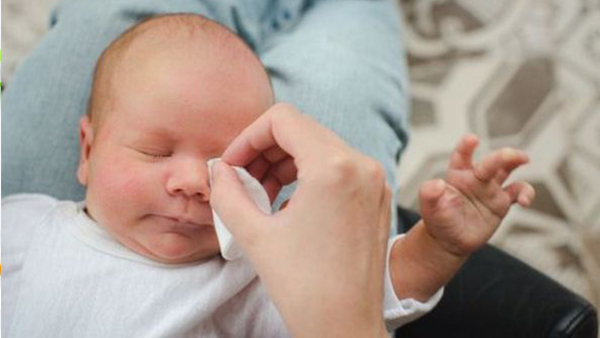
Gentle eyelid cleaning: Keeping the eyelid clean is important, especially for blepharitis. Using a clean washcloth dampened with warm water or a commercial eyelid scrub solution, gently wipe along the eyelid margin to remove crusts, discharge, and debris. Be very gentle to avoid causing additional irritation. For babies and very young children, a soft cotton pad may be easier to control than a washcloth. Clean the eyelid 2 to 3 times daily, always using a clean cloth or pad for each cleaning to avoid recontaminating the area.
Massage for blocked glands: After applying warm compresses, very gentle massage of the affected area can help promote drainage of blocked oil glands. Using a clean finger, gently massage the eyelid in small circular motions, moving away from the eye toward the ear. This should be gentle and not cause pain—if your child finds it uncomfortable, apply less pressure or skip this step.
Hands-off policy: Teach your child not to touch, rub, or scratch the infected eyelid. This is challenging, especially for young children, but it’s crucial. Touching the area can spread infection, introduce new bacteria, delay healing, and potentially cause the infection to spread to the other eye. Keep your child’s fingernails short and clean to minimize damage if they do touch their eye.
Avoid eye makeup and contact lenses: If your older child uses eye makeup or contact lenses, discontinue use until the infection has completely resolved. Replace eye makeup products that were used just before or during the infection, as they may harbor bacteria. This applies more to teenagers, but it’s worth noting for families with older children.
At myPediaClinic in Dubai, Dr. Abu-Shaaban advises parents to continue home treatment for at least 48 to 72 hours before expecting significant improvement. However, if the condition worsens at any point during treatment, schedule an evaluation rather than continuing home care alone.
When Medical Treatment Is Necessary
While many eyelid infections respond well to home treatment, some situations require professional medical care. Knowing when to seek help prevents complications and ensures your child receives appropriate treatment.
Schedule an appointment with a pediatrician at myPediaClinic or another qualified healthcare provider if the infection doesn’t improve after 3 to 4 days of consistent home treatment, the infection appears to be worsening despite home care, your child develops multiple styes or recurrent eyelid infections, the chalazion persists for several weeks, your child has vision changes or complaints, there’s significant swelling of the eyelid, your child has fever or appears systemically unwell, or the infection spreads to involve the eye itself or surrounding facial areas.
Antibiotic treatment: If a bacterial infection is present and not responding to home care, Dr. Abu-Shaaban may prescribe antibiotic ointment or drops. These are typically applied directly to the affected eyelid several times daily. In cases of spreading infection or if the child has fever, oral antibiotics may be necessary. It’s crucial to complete the entire course of antibiotics even if symptoms improve before the medication is finished.
Steroid treatment: For severe inflammation or chronic blepharitis, a short course of steroid eye drops or ointment may be prescribed. Steroids should only be used under medical supervision, as they can have side effects and are not appropriate for all types of eye conditions.
Drainage procedures: If a stye or chalazion is very large, extremely painful, or not responding to conservative treatment, a minor procedure to drain it may be necessary. This is typically performed by an ophthalmologist and involves making a small incision to allow the blocked material to drain. This should never be attempted at home—attempting to “pop” or squeeze a stye can spread infection and cause serious complications.
Referral to eye specialists: Some complex or persistent eyelid conditions require evaluation by a pediatric ophthalmologist. Dr. Medhat Abu-Shaaban at myPediaClinic works closely with Dubai’s top eye specialists and can provide referrals when necessary, ensuring coordinated care for your child.
Dubai-Specific Considerations for Managing Eyelid Infections
Living in Dubai presents unique environmental factors that affect both the occurrence and management of eyelid infections in children.
Climate considerations: Dubai’s extreme heat can make warm compresses uncomfortable during summer months. Consider treating your child in an air-conditioned room during the hottest parts of the day, or schedule treatments for early morning or evening when temperatures are cooler. However, don’t use cold compresses instead—warm compresses are essential for treatment effectiveness. Finding comfortable timing makes consistent treatment more manageable.
Air conditioning and humidity: Constant air conditioning reduces indoor humidity, which can dry out eyes and exacerbate conditions like blepharitis. Using a humidifier in your child’s bedroom can help maintain adequate moisture in the air. This is particularly important during sleep when reduced blinking naturally leads to more eye dryness. At myPediaClinic, we often recommend humidity levels between 30 to 50 percent for optimal comfort.
Dust and air quality: Dubai’s sandy environment and occasional dust storms can irritate eyes and potentially contribute to eyelid infections. During dusty conditions, keep windows closed, use air purifiers with HEPA filters indoors, rinse your child’s face and eyes with clean water after outdoor play, and consider protective sunglasses for older children when outside during dusty weather.
Pool and beach hygiene: Dubai families often spend time at pools and beaches. Chlorinated pool water and seawater can irritate eyes and potentially worsen existing eyelid infections. If your child has an active eyelid infection, it’s best to avoid swimming until the infection has resolved. If exposure occurs, rinse eyes thoroughly with clean water immediately after swimming. Teach children not to rub their eyes with pool water or sand-contaminated hands.
Access to medical care: Dubai has excellent healthcare facilities, and families should take advantage of this. Don’t hesitate to seek evaluation for eyelid conditions that concern you. myPediaClinic offers convenient scheduling and same-day appointments for urgent concerns, making it easy to have your child assessed by Dr. Abu-Shaaban when needed.
Preventing Eyelid Infections in Children
While not all eyelid infections can be prevented, several strategies significantly reduce the risk and frequency of these infections.
Hand hygiene: Teach children to wash their hands frequently and thoroughly, especially before touching their face or eyes. This is the single most important prevention strategy. Make handwashing fun for young children with songs, colorful soaps, or special hand-washing timers. Model good hand hygiene yourself—children learn by watching parents.
Avoid eye rubbing: Discourage children from rubbing their eyes. If eyes feel itchy or irritated, teach them to wash hands first, then use a clean tissue to gently wipe eyes. For children with allergies who frequently have itchy eyes, addressing the underlying allergies with your pediatrician can reduce the rubbing behavior.
Facial cleanliness: Establish a routine of washing your child’s face twice daily—morning and evening. This removes oils, dust, and bacteria that can contribute to eyelid problems. Use a mild, child-appropriate cleanser and ensure the area around the eyes is gently cleaned.
Proper sleep hygiene: Clean pillowcases and sheets regularly—at least weekly, and more frequently if your child is prone to eyelid infections. Bacteria can accumulate on bedding and transfer to the face during sleep. In Dubai’s climate where children may sweat during sleep, washing bedding twice weekly may be beneficial.
Towel hygiene: Each family member should have their own towel for face-drying, and these should never be shared. Wash towels frequently in hot water. If one child has an eyelid infection, ensure their towel is kept completely separate from others’ to prevent spreading the infection.
Address underlying conditions: Children with skin conditions like eczema or seborrheic dermatitis are more prone to blepharitis. Managing these underlying conditions with appropriate treatment reduces eyelid infection risk. Similarly, treating allergies can reduce eye rubbing that contributes to eyelid problems.
Healthy diet and hydration: A balanced diet rich in vitamins A, C, and E supports eye health and immune function. Adequate hydration is important for maintaining healthy tear production, which naturally protects the eyes. This is particularly important in Dubai’s climate where children can become dehydrated quickly.
Dr. Yasmin Kottait at myPediaClinic notes that overall health and hygiene significantly impact eye health. Children who maintain good general health practices tend to have fewer infections of all types, including eyelid infections.
Dealing with Recurrent Eyelid Infections
Some children experience repeated eyelid infections, which can be frustrating for families and uncomfortable for children. Understanding potential underlying causes and implementing targeted prevention strategies can help break this cycle.
Identifying triggers: Keep a log of when infections occur to identify potential patterns. Do they happen after swimming? During allergy seasons? After staying with certain family members? Identifying triggers helps you implement specific prevention strategies. For example, if infections follow swimming, perhaps your child needs prescription swim goggles or should rinse eyes more thoroughly after water exposure.
Chronic blepharitis management: If your child has been diagnosed with chronic blepharitis, daily eyelid hygiene becomes a lifelong routine rather than a treatment for acute infections. This involves daily gentle cleaning of eyelid margins with warm water or commercial eyelid cleaning products, warm compresses several times weekly even when asymptomatic, and possible use of prescribed medications for maintenance.
Addressing bacterial colonization: Some children naturally harbor Staphylococcus bacteria on their skin and eyelid margins. While these bacteria normally don’t cause problems, in some individuals they can repeatedly lead to infections. In these cases, Dr. Abu-Shaaban at myPediaClinic may prescribe a course of antibiotic ointment applied to the eyelid margins nightly for several weeks to reduce bacterial counts.
Managing seborrheic dermatitis: This common skin condition, which causes flaky, oily patches on the scalp and face, can extend to the eyelids and contribute to blepharitis. Treating seborrheic dermatitis with medicated shampoos and, if necessary, prescription creams can significantly reduce eyelid infections.
Allergy management: Allergies cause itching that leads to eye rubbing, which can introduce bacteria and cause eyelid infections. Dubai’s environment includes various allergens—dust, pollen, mold in air conditioning systems, and more. Effective allergy management with antihistamines, nasal sprays, or allergy shots can reduce eye rubbing and subsequent infections.
Immune system considerations: Children with compromised immune systems or certain medical conditions may be more prone to infections. If your child has recurrent eyelid infections along with frequent infections in other parts of the body, discuss this with Dr. Abu-Shaaban, who can assess whether underlying immune issues need investigation.
Nutritional support: Some evidence suggests that omega-3 fatty acids may support healthy oil gland function in the eyelids. While more research is needed, ensuring your child’s diet includes omega-3 sources (like fish, walnuts, or supplements if recommended by your pediatrician) may be beneficial for children with recurrent eyelid problems.
Myths and Misconceptions About Eyelid Infections
Many myths surround eyelid infections, and understanding the facts helps parents make informed treatment decisions.
Myth: Styes are contagious. Reality: While the bacteria that cause styes can spread, styes themselves are not contagious in the way that pink eye (conjunctivitis) is. However, good hygiene practices are still important to prevent spreading bacteria to others or to your child’s other eye.
Myth: You should squeeze or pop a stye. Reality: Never attempt to squeeze, pop, or drain a stye at home. This can spread infection to surrounding tissues, cause the infection to go deeper into the eyelid, lead to more serious complications, or result in scarring. Allow styes to drain naturally with warm compress treatment, or have drainage performed by a medical professional if necessary.
Myth: Styes are caused by stress or lack of sleep. Reality: While stress and fatigue can weaken the immune system and potentially make infections more likely, styes are directly caused by bacterial infection of blocked oil glands. Focusing on hygiene and proper eyelid care is more important than attributing styes to lifestyle factors.
Myth: Tea bags are the best treatment for styes. Reality: While warm, moist tea bags have been a traditional home remedy and the warmth may provide some benefit, clean, warm compresses with water are just as effective and eliminate any risk of irritation from tea components. There’s no scientific evidence that tea specifically offers advantages over plain water compresses. Dr. Abu-Shaaban at myPediaClinic recommends sticking with simple warm water compresses for consistency and safety.
Myth: Eyelid infections always require antibiotics. Reality: Many eyelid infections resolve with conservative home treatment. Antibiotics are only necessary when infections don’t respond to home care, are severe, are spreading, or when children have fever or systemic symptoms. Over-prescribing antibiotics contributes to antibiotic resistance, so they should only be used when medically indicated.
Myth: Children will outgrow eyelid infections. Reality: While some children do experience fewer infections as they age and their hygiene practices improve, there’s no guarantee. Some people continue to be prone to eyelid infections into adulthood. What does change is that older children and adults can better manage their own hygiene and recognize early signs of infection for prompt treatment.
Frequently Asked Questions About Eyelid Infections in Children
How long does it take for a stye to heal?
Most styes improve significantly within 3 to 5 days of beginning treatment with warm compresses and resolve completely within 7 to 10 days. However, the timeline can vary based on the size of the stye, how promptly treatment was started, and individual factors. Very large styes or those that don’t receive proper treatment may take longer. If a stye hasn’t shown improvement after 3 to 4 days of consistent home treatment, or if it’s getting worse, schedule an evaluation with Dr. Medhat Abu-Shaaban at myPediaClinic in Dubai. He can assess whether prescription treatment is needed or if drainage might be necessary. Some lumps that persist for weeks or months aren’t styes but rather chalazia, which have different treatment approaches. The key is consistent application of warm compresses multiple times daily—sporadic treatment will prolong healing time.
Can my child go to school or nursery with a stye?
Yes, children with styes can generally attend school or nursery, as styes are not contagious in the same way that viral infections like pink eye are. However, there are important considerations. Ensure your child practices good hand hygiene and understands not to touch or rub the affected eye. If the stye is causing significant discomfort or vision impairment, keeping your child home until symptoms improve may be more comfortable for them. Some schools or nurseries in Dubai have policies about visible eye conditions, so check with your child’s facility. If your child also has fever, significant swelling, or seems unwell beyond just the stye, keep them home and have them evaluated by a pediatrician. Inform teachers or caregivers about the stye so they can remind your child about hand hygiene and ensure they don’t share towels or personal items with other children. Continue treatment with warm compresses before school and after school returns to maintain the treatment schedule. At myPediaClinic, Dr. Abu-Shaaban can provide a note for school if needed, explaining the condition and confirming that your child is not contagious.
What’s the difference between a stye and a chalazion?
While styes and chalazia both appear as lumps on the eyelid, they have important differences. A stye (hordeolum) is an infection of an oil gland, usually caused by bacteria, developing quickly (over hours to days), typically painful and tender, often has a visible white or yellow pus-filled center, and usually resolves within a week with warm compresses. A chalazion is a blocked oil gland that becomes inflamed but not infected, developing slowly (over days to weeks), usually painless or only mildly uncomfortable, appears as a firm, smooth lump without a pus-filled center, and may persist for weeks or months. Treatment approaches overlap—both benefit from warm compresses—but chalazia often require more patience and sometimes need steroid injections or surgical removal if they don’t resolve. Dr. Yasmin Kottait at myPediaClinic can examine the lump and determine which condition your child has, as this affects expectations for healing time and may influence treatment decisions. Sometimes a stye can evolve into a chalazion if the infection resolves but the blockage remains, or a chalazion can become infected and develop into a stye. The distinction isn’t always perfectly clear, but the general treatment approach of warm compresses applies to both conditions initially.
Should I continue treatment after the stye has drained?
Yes, continue warm compress treatment for 1 to 2 days after a stye drains to ensure complete clearing of the blocked gland and to prevent recurrence. When a stye drains—whether spontaneously or after drainage by a medical professional—you’ll notice pus or discharge, the lump will decrease in size, and pain will typically improve significantly. However, the underlying blockage and inflammation may not be completely resolved. Continuing treatment helps ensure the oil gland returns to normal function and reduces the risk of the stye reforming. Gently clean away any drainage with a clean, damp cloth after the stye bursts. Continue good eyelid hygiene even after treatment stops to prevent future styes. If drainage is copious, foul-smelling, or accompanied by worsening symptoms, contact myPediaClinic in Dubai for evaluation, as this could indicate a complication requiring medical treatment. Most styes drain naturally with consistent warm compress treatment—if you’re several days into treatment without improvement, schedule an appointment rather than waiting indefinitely for natural drainage.
Can my child swim with an eyelid infection?
It’s best to avoid swimming while your child has an active eyelid infection. Pool water, whether chlorinated or saltwater, can irritate the infected area and potentially introduce additional bacteria. Rubbing the eye after swimming could spread the infection. If there’s any drainage from the infection, there’s a theoretical (though small) risk of contaminating pool water. Additionally, swimming goggles may put pressure on the infected area, causing discomfort. Wait until the stye or eyelid infection has completely resolved—including complete healing, no remaining lump or redness, no pain or tenderness, and no drainage—before returning to swimming. This typically means waiting until several days after symptoms have resolved. If your child participates in competitive swimming or has swim lessons that can’t be missed, discuss the specific situation with Dr. Abu-Shaaban at myPediaClinic, who can assess the severity and advise whether swimming is acceptable with precautions like protective goggles. Once swimming resumes, encourage your child to rinse their face and eyes with clean water immediately after leaving the pool. Given Dubai’s pool-centric lifestyle, a week or two away from swimming might feel significant, but it’s worth prioritizing complete healing over risking recurrence or complications.
Are certain children more prone to eyelid infections?
Yes, several factors can make some children more susceptible to eyelid infections. Children with skin conditions like eczema, seborrheic dermatitis, or rosacea (rare in children but possible) are more prone to blepharitis and styes. Those with allergies may rub their eyes more frequently, introducing bacteria and increasing infection risk. Children who naturally produce more oil in their skin glands, including those around eyelashes, may be more prone to blockages that lead to styes. Some individuals naturally harbor more Staphylococcus bacteria on their skin, predisposing them to infections. Children with less developed hygiene habits (younger children or those with developmental delays) may touch their faces and eyes more frequently with unwashed hands. Those with weakened immune systems due to medical conditions or medications are more vulnerable to all infections, including eyelid infections. Teenagers who use eye makeup may be at increased risk if makeup is contaminated or not removed properly before sleep. At myPediaClinic in Dubai, Dr. Medhat Abu-Shaaban can assess your child’s individual risk factors and recommend targeted prevention strategies. If your child experiences frequent eyelid infections, identifying and addressing underlying predisposing factors can significantly reduce recurrence.
What should I do if my child develops a stye on both eyes?
Bilateral styes (affecting both eyes) require extra care to manage effectively and prevent cross-contamination. Treat each eye separately—use different compresses or different areas of the same compress for each eye, never apply the same compress surface to both eyes, wash your hands between treating one eye and the other, and use separate towels for your child to dry each side of their face. This prevents transferring bacteria from one infected eye to the other. Continue all treatment protocols (warm compresses, gentle cleaning, avoiding touching) for both eyes. Be extra vigilant about hand hygiene, as bacteria are clearly present and actively causing infection. Monitor carefully for signs that the infection is severe or spreading—having both eyes infected simultaneously may indicate more aggressive bacteria or an underlying issue. Schedule an evaluation with Dr. Abu-Shaaban at myPediaClinic if bilateral styes develop. While this can occasionally happen by chance, it may warrant prescription antibiotic ointment to help clear the infection more quickly and prevent further spread. The pediatrician will also want to assess for any underlying conditions that might be predisposing your child to infections. Keep your child’s fingernails very short during this time to minimize risk if they do touch their eyes. Provide extra comfort measures as having styes in both eyes is likely quite uncomfortable and may interfere with vision or activities.
Can teething cause styes in babies?
No, teething does not directly cause styes. However, the behaviors associated with teething can create conditions that contribute to eye infections. When babies are teething, they often rub their faces, eyes, and ears more frequently due to discomfort, potentially introducing bacteria to the eyelid area. They may have more saliva production and drooling, which can spread to the face and eyes if baby rubs their face. Teething can be associated with general fussiness and increased hand-to-face contact. Teething can sometimes temporarily lower immune response, though this is debated and, if real, is very subtle. If your teething baby develops a stye, it’s likely coincidental timing or related to increased face-touching rather than a direct effect of teething itself. Treatment remains the same—warm compresses and good hygiene. For teething babies, try providing appropriate teething toys to reduce the urge to rub their face, wipe drool frequently with a clean cloth, offer teething relief to reduce overall discomfort, and be extra diligent about keeping baby’s hands clean. Dr. Yasmin Kottait at myPediaClinic can provide guidance on safe teething relief methods, and Dr. Abu-Shaaban can assess any eyelid infections to ensure appropriate treatment. If your baby frequently develops styes, discuss this with your pediatrician to identify whether there are underlying factors beyond teething-related behaviors.
Is it safe to use breast milk to treat a baby’s stye?
While breast milk has antibacterial properties and is sometimes used in traditional medicine for various ailments, it is not recommended as a treatment for styes. Medical professionals, including Dr. Abu-Shaaban at myPediaClinic, advise against using breast milk in the eyes for several reasons. Breast milk is not sterile and can potentially introduce different bacteria to the already infected area. The antibacterial components in breast milk are not specifically effective against the Staphylococcus bacteria that typically cause styes. Warm compresses with plain water are proven effective, safe, and recommended by medical professionals. There’s no scientific evidence that breast milk offers advantages over appropriate medical treatment. Using home remedies that aren’t medically validated may delay seeking appropriate treatment if the stye doesn’t improve. For babies with styes, stick with evidence-based treatment: gentle warm compresses with a clean cloth soaked in warm water, gentle cleaning of the area, avoiding touching or rubbing, and consultation with a pediatrician if the stye doesn’t improve or if you have any concerns. While the instinct to use natural remedies is understandable, in this case, simple warm water is both natural and medically appropriate. If you’re uncertain about treatment for your baby, the team at myPediaClinic in Dubai is always available to provide guidance and can see your baby for evaluation if needed.
Can diet affect eyelid infections?
While diet doesn’t directly cause styes or eyelid infections, overall nutrition does play a role in immune function and inflammation, which can affect susceptibility to infections. A diet rich in vitamins and minerals supports healthy immune response, potentially reducing infection frequency. Vitamin A is important for eye health and immune function. Vitamin C supports immune system and helps with wound healing. Vitamin E has anti-inflammatory properties. Omega-3 fatty acids support healthy oil gland function and may reduce inflammation. Zinc supports immune function. Staying well-hydrated is important for maintaining healthy tear production and overall eye health. Some research suggests that a diet high in processed foods and sugar may promote inflammation, while a diet rich in whole foods, fruits, vegetables, and healthy fats may reduce inflammatory conditions. For children in Dubai, ensuring adequate hydration is particularly important given the hot climate. While optimizing your child’s diet won’t prevent or cure an active stye, it’s part of an overall approach to supporting health and potentially reducing recurrent infections. At myPediaClinic, Dr. Medhat Abu-Shaaban can provide nutrition guidance as part of comprehensive pediatric care. However, don’t rely solely on dietary changes to treat active infections—appropriate medical treatment should always be the primary approach, with good nutrition as supportive care.
Should I throw away my child’s eye makeup if they get a stye?
Yes, if your older child or teenager uses eye makeup (mascara, eyeliner, eye shadow), these products should be discarded if they were used around the time of the stye’s development. Bacteria that caused the stye can contaminate makeup products, and continuing to use them after the infection resolves can reintroduce bacteria and cause recurrence. This applies to mascara (most important to discard), eyeliner (especially liquid liners), eye shadow that was applied with applicators that touched the skin, and makeup brushes or applicators used around the eyes. Wait until the stye has completely resolved before purchasing and using new eye makeup. Use this as an opportunity to teach your teenager about makeup hygiene: never share eye makeup with others, replace mascara every 3 months even without infections, avoid applying makeup directly to the waterline of the eye, remove all eye makeup before sleep every night, wash makeup brushes regularly, don’t use expired makeup products, and if eyes become irritated, discontinue makeup use until the issue resolves. While eye makeup is less relevant for younger children, these principles apply to any cosmetics used around the eyes, including face paints used for dress-up or parties. Dr. Yasmin Kottait at myPediaClinic can discuss proper hygiene practices with teenagers to minimize infection risk associated with makeup use.
Can my child share toys, books, or tablets with siblings when they have a stye?
Yes, general sharing of toys, books, and electronic devices is acceptable when a child has a stye, with some precautions. Styes are not contagious in the way that respiratory or gastrointestinal infections are. However, bacteria can transfer via hands and surfaces. To minimize any risk, ensure the child with the stye washes their hands frequently, especially after touching their face or eye. Wipe down frequently touched items (tablets, phone screens, game controllers) with disinfecting wipes regularly. Don’t share personal items that touch the face—towels, pillowcases, washcloths, or anything else that has direct face contact. Remind all children in the household about good hand hygiene. The bacteria that cause styes don’t typically spread through casual contact or shared objects—direct touch from contaminated hands to eyes is the primary transmission route. Continue these precautions until the stye has completely resolved. If multiple children in the household develop styes around the same time, ensure each child has their own towels and face-care items, consider whether there’s a common source of bacterial contamination in the home (shared unwashed towels, contaminated makeup, etc.), and discuss the situation with Dr. Abu-Shaaban at myPediaClinic, who can assess whether there’s an unusual situation requiring specific intervention. In general, though, you don’t need to isolate or restrict the normal activities of a child with a stye.
How can I apply warm compresses to a young child who won’t sit still?
Getting young children to cooperate with warm compress treatment can be challenging, but several strategies can help. Make it part of a calming routine—apply compresses during story time, while watching a favorite show, or during a cuddle session. For very young children, apply compresses while they’re nursing or bottle-feeding. Use distraction techniques—have someone else entertain your child with conversation, songs, or showing them pictures on a phone while you hold the compress. Make it a game—”Let’s pretend the warm cloth is a magic sleeping mask” or count to 10 together while the compress is on. Start with shorter durations (1 to 2 minutes) and gradually work up to the recommended 5 to 10 minutes as your child becomes accustomed to the sensation. Let your child hold their favorite stuffed animal or toy for comfort. Apply compresses when your child is naturally calmer—early morning just after waking, or before naptime or bedtime. Be consistent with timing—if you always do warm compresses before bedtime story, it becomes part of the expected routine. Don’t force it—if your child is extremely upset, take a break and try again later. Even brief, frequent applications are better than nothing. For babies, try applying compresses during diaper changes when they’re already lying down and somewhat restrained. At myPediaClinic in Dubai, Dr. Abu-Shaaban understands that treating young children is challenging and can provide additional suggestions tailored to your child’s age and temperament. Remember that even less-than-perfect compliance with treatment is better than no treatment at all.
What should I do if the stye bursts while I’m sleeping?
If you or your child wake up to find that a stye has burst overnight, this is actually a positive development in the healing process—it means the blocked gland has drained. Here’s what to do: gently clean the area with a warm, damp, clean washcloth to remove any dried discharge or crust. Don’t scrub or put pressure on the area; gentle wiping is sufficient. Apply a warm compress to the area for 5 to 10 minutes to encourage complete drainage and promote healing. If there’s any remaining discharge, wipe it away gently. Wash your child’s hands (and yours) thoroughly to avoid spreading bacteria. Change the pillowcase, as it likely has drainage on it, and this prevents recontaminating the healing infection. Continue warm compress treatment for 1 to 2 more days to ensure complete resolution. Watch for signs of improvement—the lump should decrease, redness should fade, and pain should reduce. If symptoms worsen or if you see increasing redness spreading beyond the immediate area, contact myPediaClinic for evaluation. Don’t attempt to squeeze or express more drainage—let any remaining material come out naturally with warm compress treatment. The fact that the stye drained is a good sign, and with continued treatment, complete healing should occur within a few days. If your child seems to have significant pain or the eye itself becomes red (not just the eyelid), schedule an evaluation to ensure there are no complications.
Are there any natural or home remedies that really work for styes?
While many home remedies are suggested for styes, most lack scientific evidence. The one “natural” remedy that is medically validated and recommended is warm compresses with plain water—the cornerstone of stye treatment. Some other approaches have limited or mixed evidence. Very diluted baby shampoo can be used to gently clean eyelid margins, particularly for blepharitis—this does help remove crusts and bacteria, though the benefit comes more from the mechanical cleaning than any special property of the shampoo. Some people suggest aloe vera, but there’s no evidence it’s effective for styes, and introducing substances near the eye carries risk of irritation. Turmeric is sometimes recommended for its anti-inflammatory properties, but again, there’s no evidence for effectiveness with eyelid infections, and it could cause staining or irritation. Green tea compresses are popular, but plain warm water compresses are equally effective without any risk of irritation from tea components. Coriander water is suggested in some traditional medicine practices, but lacks scientific validation. Guava leaves are another traditional remedy without scientific backing. At myPediaClinic in Dubai, Dr. Medhat Abu-Shaaban recommends sticking with proven, safe treatments: warm compresses with clean water, gentle eyelid hygiene, avoiding touching the area, and seeking medical treatment if the stye doesn’t improve or worsens. The advantage of warm compresses is they’re safe, free, effective, and recommended by medical professionals worldwide. There’s no need to search for alternative remedies when such an effective treatment exists. If you’re interested in complementary approaches, discuss them with your pediatrician before trying them to ensure they’re safe and won’t delay appropriate treatment.
Can antibiotics prevent my child from getting more styes?
Antibiotics are not typically used for prevention of styes in children. While antibiotics effectively treat active bacterial infections, long-term antibiotic use to prevent styes is not recommended for several reasons. It can lead to antibiotic resistance, making antibiotics less effective when truly needed. Side effects from antibiotics can affect digestive health and overall wellbeing. Preventing styes is better addressed through hygiene and addressing underlying predisposing factors. However, there are some specific situations where short-term antibiotic use might be part of a management strategy for recurrent styes. For children who have frequent, recurrent styes, a short course (2 to 4 weeks) of antibiotic ointment applied to the eyelid margins nightly may be prescribed to reduce bacterial colonization. This is different from ongoing prevention—it’s a time-limited intervention to break a cycle of recurrent infections. Dr. Abu-Shaaban at myPediaClinic assesses each case individually. If your child has frequent styes, the focus will be on identifying underlying causes (chronic blepharitis, skin conditions, poor hygiene habits, etc.) and addressing those directly rather than relying on antibiotics. Improving eyelid hygiene routines, treating underlying skin conditions, managing allergies that lead to eye rubbing, and ensuring good hand-washing habits are more sustainable and effective long-term approaches to preventing styes than antibiotic use. If your child continues to have recurrent styes despite these measures, further investigation may be needed to identify whether there’s an underlying immune issue or other factor that needs addressing.
Should I keep my child home from nursery or school if they have blepharitis?
Blepharitis itself doesn’t require keeping your child home from nursery or school, as it’s not contagious to others. However, several factors should be considered when making this decision. If blepharitis is causing significant discomfort, itching, or visual disturbance, your child may be more comfortable at home until symptoms improve with treatment. If your child has difficulty not touching or rubbing their eyes, closer supervision at home may be beneficial during initial treatment. Some schools or nurseries in Dubai have policies about visible eye conditions—check with your child’s facility. If blepharitis is accompanied by fever or signs of spreading infection, keep your child home and have them evaluated by a pediatrician. For chronic blepharitis that’s being managed with ongoing treatment, there’s no reason to keep your child home once the initial flare has improved—they can attend school or nursery with their regular treatment continuing at home. Inform teachers or caregivers about the condition so they can help remind your child about not rubbing their eyes and can ensure good hand hygiene. Your child should have their own towel or tissues for face-wiping and shouldn’t share these with others. Dr. Yasmin Kottait and Dr. Abu-Shaaban at myPediaClinic can provide guidance specific to your child’s situation and can provide notes for school if needed. Chronic blepharitis is a long-term condition that many children manage while participating normally in all activities—the key is establishing good hygiene routines and consistent treatment rather than restricting activities.
Partnering with myPediaClinic for Your Child’s Eye Health
While many eyelid infections can be managed at home with proper care, having a trusted pediatric healthcare partner ensures you have expert guidance when needed. At myPediaClinic in Dubai, Dr. Medhat Abu-Shaaban and our experienced pediatric team provide comprehensive care for all aspects of childhood health, including the diagnosis and treatment of eyelid infections and other eye conditions.
Our approach combines evidence-based medicine with compassionate, family-centered care. We understand that seeing your child uncomfortable with an eyelid infection is concerning, and we’re here to provide reassurance, accurate diagnosis, and effective treatment. Whether you need guidance on home care, prescription medication for a stubborn infection, or referral to a pediatric ophthalmologist for complex cases, we coordinate all aspects of your child’s care.
Dr. Abu-Shaaban takes time to educate families about their child’s condition, ensuring you understand what’s happening, why, and what to do about it. We provide clear, practical instructions for home care and are available for follow-up questions or concerns. Our goal is to empower you with knowledge while providing the medical expertise you need to keep your child healthy.
Located conveniently in Dubai, myPediaClinic offers flexible scheduling, same-day appointments for urgent concerns, and a welcoming, child-friendly environment. We serve the diverse international community of Dubai with sensitivity to cultural practices while maintaining the highest standards of medical care.
If your child develops an eyelid infection that concerns you, doesn’t improve with home care, or is accompanied by worrying symptoms, don’t hesitate to contact myPediaClinic. Early evaluation can prevent complications and provide peace of mind. Your child’s health and comfort are our priorities, and we’re here to support your family through every health challenge, big and small.