

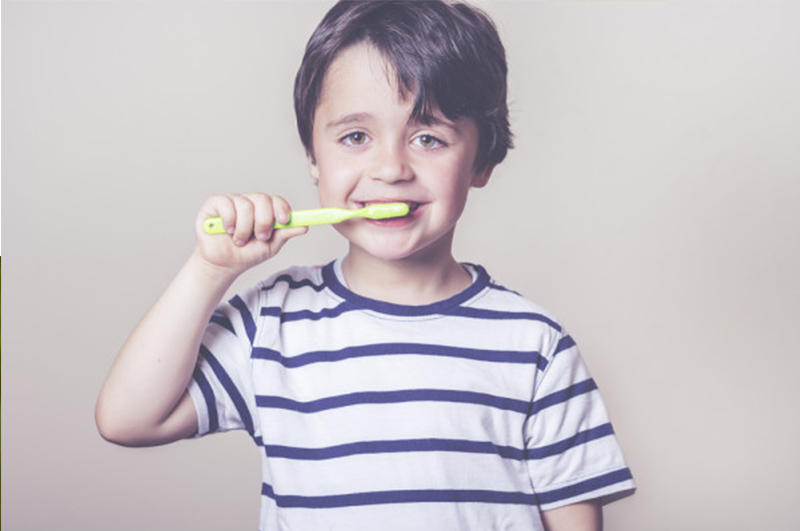
How to Encourage Children to Brush Their Teeth: Expert Strategies from Dubai
Getting children to brush their teeth willingly and thoroughly represents one of parenthood’s most persistent daily challenges. Whether you’re dealing with a resistant toddler, an easily distracted school-age child, or an independent teenager who thinks brushing is optional, establishing consistent oral hygiene habits requires patience, creativity, and effective strategies.
At myPediaClinic in Dubai Healthcare City, Dr. Yasmin Kottait, our specialist pediatric dentist, works with families daily to develop effective tooth brushing routines that children actually cooperate with. Understanding the psychology behind children’s resistance and implementing proven motivational techniques transforms this twice-daily struggle into a positive habit that serves your child for life.
Why Children Resist Tooth Brushing
Understanding the root causes of resistance helps parents address the real issues rather than just battling symptoms.
Developmental Factors
Young children are naturally asserting independence and testing boundaries. Refusing to brush teeth may represent less about oral hygiene and more about exercising control over their bodies and choices. Toddlers particularly struggle with activities that interrupt play or require still, focused participation when they’d rather be exploring and moving.
Sensory Sensitivities
Some children experience genuine discomfort from tooth brushing sensations. The tickling feeling of bristles on gums, minty toothpaste flavors, foaming action, or gagging sensations from brushes too far back in the mouth can create real aversion. Children with sensory processing differences may find these sensations overwhelming rather than merely unpleasant.
Lack of Understanding
Young children don’t comprehend abstract concepts like cavity prevention or long-term dental health. When they don’t understand why tooth brushing matters, it seems like an arbitrary, annoying rule that adults impose without good reason.
Negative Past Experiences
If tooth brushing has involved force, arguments, or discomfort, children develop negative associations that make future cooperation unlikely. Each battle reinforces resistance, creating cycles that become harder to break.
Simply Forgetting or Not Prioritizing
Older children and teenagers may not actively resist brushing but simply forget, rush through it inadequately, or skip it when tired or busy. Without understanding the importance or having established strong habits, oral hygiene falls low on their priority list.
Age-Appropriate Strategies for Encouraging Brushing
Effective approaches vary depending on your child’s developmental stage, making age-appropriate strategies essential.
Infants and Toddlers (0-3 Years)
For babies with just a few teeth, integrate oral care into enjoyable routines. Sing songs while gently cleaning teeth, use soft infant toothbrushes or finger brushes that minimize discomfort, and make it playful rather than clinical. Consistency matters more than perfection at this age—establishing that teeth get cleaned twice daily creates the foundation for lifelong habits.
At myPediaClinic in Dubai, Dr. Yasmin Kottait demonstrates proper infant tooth brushing techniques for parents, ensuring you’re equipped to make these early experiences positive.
Preschoolers (3-5 Years)
Preschoolers respond well to imagination and play. Turn brushing into games—have them “chase away sugar bugs,” brush away dragons hiding between teeth, or make teeth “shiny like diamonds.” Let them choose their toothbrush featuring favorite characters and select from child-safe toothpaste flavors they enjoy.
Use timers, songs, or videos lasting two minutes to ensure adequate brushing duration while keeping children engaged. Many parents successfully use apps designed to make tooth brushing fun with games, music, or characters that children brush along with.
School-Age Children (6-12 Years)
Elementary-age children can understand cause and effect better, so education becomes more effective. Explain how cavities form, show them dental models or pictures, and involve them in dental appointments where Dr. Yasmin Kottait at myPediaClinic can reinforce good brushing habits professionally.
Reward systems work well for this age—sticker charts tracking consistent brushing, small privileges earned through week-long brushing streaks, or positive recognition for maintaining good habits. Involve them in buying oral care supplies, giving them ownership of their dental health routine.
Teenagers (13+ Years)
Adolescents respond to social motivations and personal appearance concerns. Emphasize how good oral hygiene prevents bad breath, keeps teeth white and attractive, and supports overall health and confidence. Respect their desire for independence by stepping back from supervision while still maintaining expectations and accountability.
Provide quality oral care products—electric toothbrushes, whitening toothpastes, or appealing flavors—that make brushing feel more grown-up. Connect oral health to things they care about, like sports performance, overall health, or romantic relationships where fresh breath and nice smiles matter.
Making Tooth Brushing Fun and Engaging
Transforming tooth brushing from a chore into an enjoyable activity dramatically improves cooperation.
Music and Videos
Two-minute songs or videos designed for tooth brushing keep children engaged while ensuring they brush long enough. Many families successfully use the same song every time, creating a comforting routine. YouTube offers numerous child-friendly tooth brushing videos featuring popular characters that children can brush along with.
Brush Together
Children learn by imitating. Brush your teeth alongside your child, modeling proper technique and showing that everyone in the family prioritizes oral hygiene. This shared activity builds connection while teaching good habits. Make silly faces in the mirror together or have playful competitions about who can make the most foam.
Storytelling and Imagination
Create stories about brave tooth warriors fighting cavity monsters, or imagine the toothbrush is a magic wand making teeth sparkle. Let children name their toothbrush or create character identities for different teeth that need cleaning. This imaginative play engages young minds while accomplishing the practical goal of clean teeth.
Choice and Control
Offering choices gives children some control while still accomplishing tooth brushing. Let them choose which toothbrush to use, select toothpaste flavor, decide whether to brush upstairs or downstairs bathroom, or determine the order of teeth-cleaning steps. These small choices increase cooperation without compromising oral hygiene.
Technology and Apps
Numerous smartphone apps make tooth brushing interactive and fun. Apps featuring games, rewards, timers with music, or augmented reality experiences where children see virtual effects of their brushing engage tech-savvy children. Smart toothbrushes that connect to apps tracking brushing quality appeal to older children interested in data and achievement.
Creating Positive Brushing Routines
Consistent routines reduce resistance by making tooth brushing an automatic, non-negotiable part of daily life.
Establish Clear Expectations
Be consistent about when and how tooth brushing happens. Teeth get brushed after breakfast and before bed, every single day, no exceptions. This predictability removes negotiation and makes brushing feel inevitable rather than optional.
Build Brushing Into Existing Routines
Attach tooth brushing to established routines—always brush after breakfast before leaving for school, or always brush as part of the bedtime sequence before stories. These connections make brushing automatic, triggered by other routine activities.
Minimize Distractions
Turn off screens and remove toys from the bathroom during brushing time. Focused attention on the task helps children complete it thoroughly and efficiently rather than half-heartedly brushing while distracted.
Allow Adequate Time
Rushing creates stress and resistance. Build sufficient time into morning and bedtime routines so tooth brushing doesn’t feel hurried or like it’s making everyone late. When children have time to brush at their own pace, cooperation improves.
Be Patient During Transitions
When implementing new brushing strategies or routines, expect an adjustment period. Remain calm and consistent even if children initially resist changes. Most new approaches take several days or weeks to become comfortable habits.
Addressing Sensory Sensitivities
For children with genuine sensory challenges around tooth brushing, accommodations make the experience tolerable.
Modify Toothbrush Type
Try different toothbrush textures and sizes. Extra-soft bristles reduce tickling sensations, small brush heads minimize gagging, electric toothbrushes provide different sensory input that some children tolerate better, or finger brushes work for children who can’t tolerate traditional brushes.
Adjust Toothpaste
Unflavored toothpaste exists for children who dislike mint or fruity flavors. Some children prefer minimal foam, addressed by using less toothpaste. Others handle homemade toothpaste with controlled ingredients better than commercial options. At myPediaClinic in Dubai, Dr. Yasmin Kottait can recommend toothpaste options appropriate for sensitive children.
Gradual Desensitization
For children with significant sensory aversion, proceed slowly. Start by simply touching the toothbrush to teeth briefly, gradually increasing duration over days or weeks. Allow children to hold the toothbrush and brush at their own pace initially, even if technique isn’t perfect. As comfort increases, gradually improve technique and thoroughness.
Provide Sensory Preparation
Warn children before starting to brush, describing what they’ll feel. For some sensory-sensitive children, starting with firm pressure massage on gums before brushing prepares their mouth for the sensations. Others benefit from chewing on washcloths before brushing to “wake up” their mouth.
Using Positive Reinforcement Effectively
Reward systems motivate children when implemented thoughtfully.
Immediate Praise
Verbal recognition immediately after successful brushing reinforces behavior. Be specific: “You did such a good job brushing your back teeth!” rather than generic “good job.” This specific feedback helps children understand exactly what they did well.
Sticker Charts and Visual Tracking
Many children respond enthusiastically to earning stickers for each successful brushing session. Seeing visual evidence of their consistency motivates continued cooperation. After earning certain numbers of stickers, children might receive small rewards like choosing a family activity, extra story time, or a special snack.
Natural Consequences as Rewards
Frame good oral hygiene in terms of natural positive outcomes rather than arbitrary rewards. Children who brush well get to keep healthy teeth, avoid painful cavities, maintain fresh breath, and enjoy visits to Dr. Yasmin Kottait at myPediaClinic in Dubai where they hear positive reports rather than needing fillings.
Avoid Over-Reliance on Rewards
While reward systems can jump-start cooperation, gradually fade external rewards as brushing becomes habitual. The goal is internalized commitment to oral hygiene, not permanent dependence on rewards for basic self-care.
Education: Helping Children Understand Why Brushing Matters
Age-appropriate education about oral health helps children value tooth brushing beyond parental demands.
Explain Cavities in Kid-Friendly Terms
Describe how sugar and bacteria create “holes in teeth” that hurt and require dental work to fix. Use analogies children understand—cavities are like holes in a wall that need patching, brushing is like washing hands to remove germs.
Show Visual Demonstrations
Many educational resources demonstrate plaque and cavity formation visually. Videos, books, or demonstrations at dental visits help children understand the invisible processes happening in their mouths.
Discuss Disclosing Tablets
Plaque-disclosing tablets that temporarily stain plaque make the invisible visible, showing children exactly where they need to brush more thoroughly. This concrete feedback helps them improve technique and understand why thorough brushing matters.
Leverage Dental Visits
Regular checkups at myPediaClinic with Dr. Yasmin Kottait provide professional reinforcement of home messages. Children often respond differently to professional education from dentists than to parent reminders. Dr. Kottait can show children their teeth, explain what she sees, and provide age-appropriate education that motivates better home care.
Special Considerations for Dubai Families
Dubai’s unique environment presents specific factors influencing children’s oral health and brushing routines.
Dietary Factors in Dubai
Dubai’s diverse food culture exposes children to various cuisines, including sweet treats from different traditions. During Ramadan and Eid celebrations, increased sweet consumption makes consistent oral hygiene particularly important. Parents should emphasize thorough brushing after festive meals and sweet foods.
Water Quality and Fluoride
Dubai’s desalinated water contains minimal natural fluoride, making fluoride toothpaste particularly important for cavity prevention. At myPediaClinic, Dr. Yasmin Kottait can assess whether your child needs fluoride supplements based on cavity risk and water source.
International Products
Dubai’s international retail environment provides access to oral care products from around the world. While variety is excellent, ensure toothpaste contains appropriate fluoride levels and meets safety standards. Dr. Kottait can recommend specific products suitable for Dubai children.
Climate Considerations
Dubai’s hot climate means children consume more beverages. Encourage water rather than sugary drinks, and remind children that drinking juice or sweet beverages means teeth need brushing afterward to prevent cavity risk.
When to Seek Professional Help
Sometimes tooth brushing resistance indicates issues requiring professional intervention.
Persistent Extreme Resistance
If your child experiences meltdowns, intense anxiety, or physical resistance to tooth brushing despite consistent positive approaches, consult Dr. Yasmin Kottait at myPediaClinic. Underlying sensory processing issues, oral motor difficulties, or previous negative dental experiences may require specialized approaches.
Dental Pain or Sensitivity
Sometimes children resist brushing because it causes genuine pain from cavities, gum inflammation, or dental sensitivity. If your child complains that brushing hurts, schedule a dental examination to identify and address underlying problems.
Developmental Concerns
Children with autism, ADHD, or other developmental differences may need specialized strategies for establishing oral hygiene routines. MyPediaClinic specializes in caring for children with special needs, adapting approaches to individual requirements.
Frequently Asked Questions About Encouraging Children to Brush Teeth
At what age should I start brushing my child’s teeth?
Begin cleaning your baby’s mouth even before teeth appear by gently wiping gums with a soft, damp cloth after feedings. Once the first tooth erupts, typically around 6 months, start brushing twice daily using an infant toothbrush with soft bristles and a rice grain-sized amount of fluoride toothpaste. This early start establishes oral care as a normal daily routine from the very beginning. At myPediaClinic in Dubai Healthcare City, Dr. Yasmin Kottait provides demonstrations of proper infant tooth brushing techniques during well-baby dental visits, ensuring parents feel confident caring for their baby’s emerging teeth. Starting early prevents cavities in baby teeth and creates positive associations with oral hygiene that last throughout childhood.
How long should children brush their teeth?
Children should brush for two full minutes twice daily—once in the morning and once before bed. Two minutes ensures adequate time to thoroughly clean all tooth surfaces, but this duration feels very long to young children. Use timers, two-minute songs, videos, or apps to help children brush for the full recommended time without watching the clock. Divide the mouth into quadrants, spending 30 seconds on each section. Electric toothbrushes often include built-in two-minute timers with 30-second interval alerts, making proper timing easier. At myPediaClinic, Dr. Yasmin Kottait can demonstrate thorough brushing technique and recommend timing tools appropriate for your child’s age and interest.
What if my child refuses to open their mouth for brushing?
Refusal to open for brushing is common, particularly among toddlers asserting independence. Try making it a game—have them show you their “big lion roar” or “crocodile mouth.” Sing songs that incorporate opening wide. Let them brush a favorite stuffed animal or your teeth first, then take their turn. Use timers or videos that encourage mouth opening. For persistent resistance, stay calm but consistent—tooth brushing is non-negotiable for health, even if children protest. At myPediaClinic in Dubai, Dr. Yasmin Kottait can assess whether resistance stems from typical developmental behavior, sensory sensitivity, or dental pain requiring intervention. She provides strategies specifically tailored to your child’s situation, helping establish successful brushing routines.
Should I let my child brush their own teeth?
Encourage independence by letting children participate in brushing from a young age, but parents must supervise and assist until children have the manual dexterity and responsibility to brush thoroughly on their own, typically around age 7-8. Young children lack the fine motor skills to effectively clean all tooth surfaces, so parental assistance ensures thorough cleaning. Let children brush first to practice, then parents “check and finish” to ensure teeth are truly clean. This balance gives children ownership while guaranteeing adequate oral hygiene. Older children and teenagers still benefit from occasional supervision to ensure they’re brushing thoroughly rather than rushing through inadequately. At myPediaClinic, Dr. Yasmin Kottait assesses children’s brushing technique during checkups and provides feedback on when they’re ready for more independence.
What toothpaste should I use for my child in Dubai?
Use fluoride toothpaste from the moment the first tooth appears. For children under 3 years, use a rice grain-sized amount; for children 3-6 years, use a pea-sized amount. Fluoride strengthens tooth enamel and prevents cavities, making it essential for children’s oral health. Dubai’s desalinated water contains minimal natural fluoride, making fluoride toothpaste particularly important for children in the UAE. Choose toothpaste flavors your child enjoys to encourage cooperation—many child-friendly flavors exist beyond traditional mint. Ensure toothpaste displays appropriate fluoride content (typically 1000-1450 ppm fluoride for children) and meets safety standards. At myPediaClinic in Dubai Healthcare City, Dr. Yasmin Kottait can recommend specific toothpaste brands appropriate for your child’s age and cavity risk, and discuss whether fluoride supplements might benefit your child.
How do I make tooth brushing fun for my toddler?
Transform brushing into an enjoyable activity through games, songs, and imagination. Sing favorite songs or use two-minute tooth brushing videos featuring characters your toddler loves. Create stories about “sugar bugs” hiding between teeth that need brushing away, or pretend the toothbrush is making teeth “sparkly and shiny.” Let toddlers choose toothbrushes featuring favorite characters and pick toothpaste flavors they like. Brush together, making silly faces in the mirror and turning it into bonding time rather than a battle. Use apps designed for toddler tooth brushing that incorporate games and rewards. Praise enthusiastically when they cooperate, recognizing their efforts specifically. At myPediaClinic in Dubai, Dr. Yasmin Kottait shares creative strategies that have worked for other Dubai families, helping you find approaches that resonate with your toddler’s unique personality and interests.
What if brushing seems to hurt my child?
If your child complains that tooth brushing hurts, this warrants professional evaluation. Pain during brushing can indicate cavities, gum inflammation (gingivitis), dental sensitivity, or ulcers in the mouth. Brushing too hard with excessive pressure can also cause gum pain and should be corrected. Sometimes pain reflects genuine dental problems requiring treatment; other times it indicates technique issues like using brushes with bristles too firm for sensitive gums. Schedule an examination at myPediaClinic in Dubai Healthcare City so Dr. Yasmin Kottait can identify the cause of discomfort. She’ll check for cavities, assess gum health, evaluate brushing technique, and recommend solutions like softer toothbrushes, modified brushing approaches, or treatment for underlying dental issues. Addressing pain quickly prevents children from developing negative associations with tooth brushing.
Can I use reward charts to encourage tooth brushing?
Reward charts work very effectively for many children, particularly those aged 3-10 years who respond well to visual tracking and achievement recognition. Create a simple chart where children earn stickers or checkmarks for each successful brushing session. After accumulating certain numbers of stickers, they receive small rewards like choosing a family activity, extra story time, staying up slightly later on weekends, or selecting a special snack. Keep rewards simple and focus on experiences rather than expensive toys. As brushing becomes habitual over weeks or months, gradually fade the chart while continuing verbal recognition of good habits. The goal is developing intrinsic commitment to oral hygiene, not permanent dependence on external rewards. At myPediaClinic, Dr. Yasmin Kottait provides positive reinforcement during checkups, praising children who maintain good brushing habits and showing them their healthy teeth as natural rewards for their efforts.
How can I help my teenager remember to brush their teeth?
Teenagers often forget brushing or rush through it inadequately despite knowing better. Help by making oral care convenient—keep toothbrushes, toothpaste, and floss readily accessible in their bathroom. Set phone reminders if forgetfulness is the issue. Emphasize motivations teenagers care about: fresh breath, white teeth, overall appearance, and health. Explain how poor oral hygiene causes bad breath that affects social interactions and relationships. Provide quality oral care products like electric toothbrushes or whitening toothpastes that make brushing feel more grown-up. Respect their independence but maintain expectations through occasional check-ins. Schedule regular dental visits at myPediaClinic where Dr. Yasmin Kottait can provide professional reinforcement—teenagers often respond better to dentist education than parental reminders. Frame oral hygiene as self-care and personal responsibility rather than parental nagging.
Should I use electric or manual toothbrushes for my child?
Both electric and manual toothbrushes clean teeth effectively when used properly, so choose based on your child’s preferences and what encourages thorough brushing. Electric toothbrushes appeal to many children who enjoy the vibration and find them fun to use. Built-in timers on electric brushes ensure adequate brushing duration. Some studies suggest electric toothbrushes remove slightly more plaque, though proper technique matters more than brush type. Manual brushes work perfectly well, cost less, and require no batteries. Try both and let your child use whichever they prefer and will use consistently and thoroughly. At myPediaClinic in Dubai, Dr. Yasmin Kottait can demonstrate proper technique for both manual and electric toothbrushes, ensuring effective cleaning regardless of which type your family chooses.
When should children start flossing?
Begin flossing once your child has two teeth that touch each other, typically around age 2-3 years. Flossing removes plaque and food particles from between teeth where toothbrushes can’t reach, preventing cavities in these vulnerable areas. Young children cannot floss independently, so parents must do it for them. As children develop better manual dexterity around age 8-10, they can begin learning to floss themselves with supervision. Make flossing easier for young children using floss picks or holders designed for kids. One daily flossing session, typically before bedtime, is sufficient. At myPediaClinic in Dubai Healthcare City, Dr. Yasmin Kottait demonstrates proper flossing technique for parents and children, ensuring you’re equipped to maintain complete oral hygiene between teeth. She can also identify children at higher cavity risk who particularly benefit from consistent flossing.
What should I do if my child has sensory sensitivities around tooth brushing?
Children with sensory processing sensitivities may genuinely find tooth brushing overwhelming rather than merely annoying. Accommodate these sensitivities by trying extra-soft toothbrushes that minimize tickling sensations, using unflavored or very mild toothpastes if strong flavors are problematic, choosing toothbrushes with small heads that reduce gagging, and implementing gradual desensitization where you slowly increase brushing duration over time. Let children control some aspects like holding the toothbrush themselves or choosing when during the bedtime routine brushing occurs. Some sensory-sensitive children tolerate electric toothbrushes better than manual ones, or vice versa. Consider consulting an occupational therapist familiar with oral sensitivity if challenges persist. At myPediaClinic, Dr. Yasmin Kottait has extensive experience with sensory-sensitive children and children with autism or special needs. She can recommend specialized approaches and products that minimize sensory discomfort while maintaining oral health.
How often should my child see the dentist in Dubai?
Children should visit the dentist every six months for routine checkups and cleanings starting from their first birthday or when their first tooth appears. These regular visits allow Dr. Yasmin Kottait at myPediaClinic in Dubai Healthcare City to monitor dental development, identify problems like cavities early when treatment is simpler, provide professional cleaning, apply fluoride treatments that strengthen enamel, and reinforce good brushing habits. Some children with higher cavity risk, orthodontic concerns, or other dental issues may need more frequent visits. Regular dental appointments normalize professional care, prevent dental anxiety, and establish lifelong patterns of preventive health care. During visits, Dr. Kottait provides education about home care, demonstrates proper brushing technique, and offers encouragement that reinforces the oral hygiene messages you share at home.
What if my child swallows toothpaste?
Young children inevitably swallow some toothpaste while learning to brush and rinse. This is why using appropriate amounts is important—rice grain size for children under 3, pea-sized for children 3-6 years. These small amounts are safe if swallowed. Teach children to spit out toothpaste rather than swallowing when developmentally able, typically around age 3-4. Excessive fluoride ingestion during tooth development can cause fluorosis (white spots on adult teeth), though this requires consistently swallowing significant toothpaste amounts over time, not occasional swallowing of recommended small amounts. Supervise young children’s brushing to ensure they use appropriate toothpaste quantities. If you’re concerned about swallowing, Dr. Yasmin Kottait at myPediaClinic can assess fluorosis risk and recommend whether lower-fluoride training toothpaste might be appropriate during the learning phase.
Where can I find pediatric dental care in Dubai?
MyPediaClinic in Dubai Healthcare City provides specialized pediatric dental care from Dr. Yasmin Kottait, a specialist pediatric dentist with extensive training specifically in children’s oral health needs. Located at Al Razi Building No 64, Block B, First Floor, Unit 1011, Dubai Healthcare City, we offer comprehensive dental services for infants, children, and teenagers including preventive care, restorative treatments, and specialized care for anxious children or those with special needs. Our child-centered environment and expert team make dental visits positive experiences that encourage lifelong oral health habits. Contact us at +971-4-430-5926 or email info@mypediaclinic.com to schedule your child’s dental appointment. We work with Dubai families to establish healthy tooth brushing routines at home and provide professional care that keeps children’s smiles healthy and bright.
At myPediaClinic in Dubai Healthcare City, we’re committed to partnering with families to make tooth brushing a positive, successful daily routine. Contact Dr. Yasmin Kottait and our team today to learn more strategies tailored to your child’s unique needs and personality.