
General Anesthesia for Pediatric Dental Treatment: Expert Guide from Dr. Yasmin Kottait in Dubai
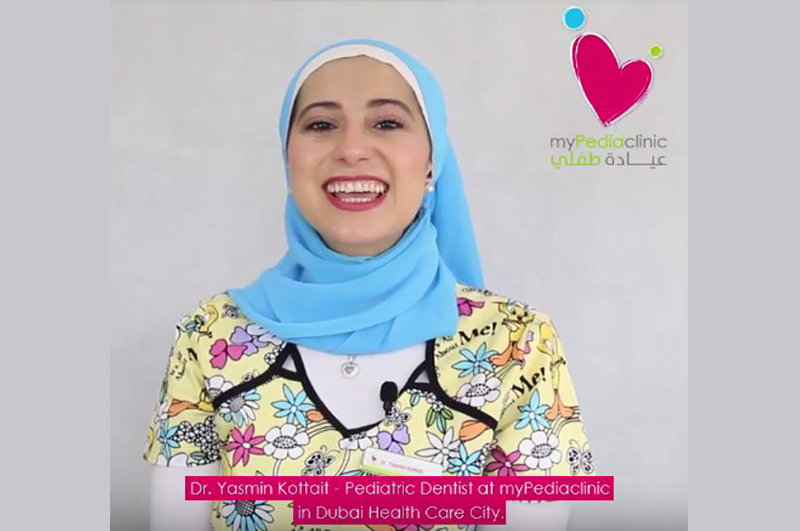
The decision to use general anesthesia for a child’s dental treatment often feels overwhelming for parents. Questions about safety, necessity, alternatives, and what to expect create anxiety around an already stressful situation. At myPediaClinic in Dubai Healthcare City, Dr. Yasmin Kottait, our pediatric dentist, works closely with families and board-certified pediatric anesthesiologists to provide safe, effective dental care under general anesthesia when indicated. Understanding when general anesthesia is recommended, how the process works, safety protocols employed, and what parents can expect helps families make informed decisions and feel confident about this important treatment option.
General anesthesia for dental treatment isn’t taken lightly—it’s recommended only when less invasive approaches aren’t appropriate or safe. However, when indicated, general anesthesia allows comprehensive dental rehabilitation in a single appointment, sparing children from multiple stressful procedures and ensuring complete, high-quality treatment that protects both immediate comfort and long-term dental health. This comprehensive guide addresses common questions and concerns Dubai parents have about pediatric dental treatment under general anesthesia.
Understanding General Anesthesia for Dental Procedures
Before discussing when and why general anesthesia might be recommended, understanding what it is and how it differs from other sedation options provides essential context.
What Is General Anesthesia?
General anesthesia is a medically controlled state of unconsciousness where patients are completely asleep, feel no pain, have no awareness of the procedure, and have no memory of the event. Unlike lighter sedation where children remain somewhat conscious and responsive, general anesthesia renders children completely unconscious with protective reflexes temporarily suppressed, requiring breathing support and continuous monitoring by anesthesiologists.
For dental procedures, general anesthesia is administered by board-certified pediatric anesthesiologists—physicians specializing in anesthesia care for children. They manage all aspects of anesthesia including medication administration, airway management, vital sign monitoring, and emergence from anesthesia while Dr. Yasmin Kottait focuses entirely on dental treatment.
How General Anesthesia Differs from Sedation
Various levels of sedation exist along a continuum from fully awake to completely unconscious. Minimal sedation (anxiolysis) involves medication that reduces anxiety but leaves children awake and responsive. Moderate sedation (“conscious sedation”) creates drowsiness where children can respond to verbal commands or light touch but are very relaxed. Deep sedation produces sleep-like states where children may not respond readily to stimulation but can be awakened.
General anesthesia sits at the far end of this continuum—complete unconsciousness where children cannot be awakened by stimulation and require breathing support. The distinction matters because general anesthesia requires the most comprehensive monitoring and highest level of anesthesia expertise, but also provides the most complete comfort and amnesia for extensive dental procedures.
Where Pediatric Dental Anesthesia Is Performed
General anesthesia for pediatric dental treatment can be performed in several settings including hospital operating rooms (offering maximum resources and backup support), accredited surgical centers (outpatient facilities meeting stringent safety standards), or specially equipped dental offices (when appropriate protocols and equipment are present).
At myPediaClinic, Dr. Yasmin Kottait coordinates with Dubai’s top pediatric hospitals and surgical centers to provide dental treatment under general anesthesia in facilities meeting the highest safety standards. The setting is chosen based on each child’s medical complexity, extent of dental work needed, and family preferences, always prioritizing safety while maximizing convenience when possible.
When Is General Anesthesia Recommended for Children’s Dental Work?
General anesthesia represents an important tool in pediatric dentistry but isn’t appropriate for every situation. Understanding when it’s recommended helps parents assess whether it’s necessary for their child.
Extensive Dental Disease Requiring Multiple Procedures
Children with severe early childhood caries (extensive cavities affecting multiple teeth) often require fillings, crowns, or extractions on numerous teeth. Attempting to complete this work across multiple office visits—each requiring local anesthesia injections, drilling sounds, and extended time in the dental chair—creates significant stress and trauma for young children.
General anesthesia allows Dr. Yasmin Kottait to complete all necessary dental work comprehensively in one appointment while the child sleeps comfortably. This approach minimizes total stress exposure, ensures complete treatment (rather than partial treatment limited by child cooperation), and allows optimal quality work without the time pressures of managing anxious, tired children during lengthy appointments.
Very Young Children Requiring Dental Treatment
Toddlers and very young children (typically under age 3-4) often cannot cooperate with dental procedures regardless of how skilled or gentle the dentist. Their developmental stage simply doesn’t allow the understanding and compliance necessary for dental work. For young children with significant dental disease that cannot wait until they’re old enough to cooperate, general anesthesia provides a safe, humane option.
At myPediaClinic, Dr. Yasmin Kottait frequently treats toddlers under general anesthesia, restoring their dental health and preventing pain and infection while they’re too young to tolerate traditional dental treatment. This proactive approach prevents dental disease progression that could affect permanent teeth development or cause serious infections.
Children with Severe Dental Anxiety or Phobia
Some children develop extreme dental anxiety or phobia—often from previous traumatic dental experiences, general anxiety disorders, or specific sensory sensitivities. Despite behavioral management attempts, sedation trials, and patient, skilled dental teams, these children simply cannot tolerate dental care while awake.
For children with severe dental anxiety preventing necessary treatment, general anesthesia provides compassionate care that doesn’t force children through traumatic experiences that could worsen phobia and create lifelong dental avoidance. Completing necessary work under anesthesia, then transitioning to preventive care and behavioral therapy to reduce anxiety for future maintenance, often represents the most humane and effective approach.
Children with Special Healthcare Needs
Children with developmental disabilities, autism spectrum disorders, cerebral palsy, or other conditions affecting cooperation often cannot tolerate dental treatment despite their caregivers’ and dental team’s best efforts. Attempting to force treatment can be traumatic, dangerous (risk of injury if children struggle), and often impossible to complete safely.
General anesthesia allows comprehensive dental care for children with special needs who cannot cooperate with traditional treatment. This approach respects children’s limitations while ensuring they receive the dental care essential for health and quality of life. Dr. Yasmin Kottait has extensive experience treating children with diverse special needs under general anesthesia, coordinating with their other healthcare providers to ensure safe, comprehensive care.
Dental Trauma or Emergencies
Significant dental injuries from falls, sports accidents, or other trauma sometimes require extensive, painful treatment that children—particularly if already traumatized and in pain—cannot tolerate while awake. General anesthesia allows thorough treatment of traumatic dental injuries in one session, addressing all damage comprehensively while the child is completely comfortable.
Safety of General Anesthesia for Pediatric Dental Procedures
Safety understandably represents parents’ primary concern when considering general anesthesia. While all medical procedures carry some risk, modern pediatric anesthesia is extremely safe when performed by qualified professionals following rigorous protocols.
Anesthesia Safety Statistics
Major complications from pediatric anesthesia are rare, with serious adverse events occurring in fewer than 1 in 10,000 to 1 in 100,000 anesthetics depending on the child’s health status and procedure complexity. For healthy children undergoing elective dental procedures, risk is at the lowest end of this spectrum. Modern monitoring technology, improved anesthetic medications, and specialized pediatric anesthesia training have dramatically improved safety over past decades.
Minor side effects—nausea, vomiting, sore throat, drowsiness, or temporary behavioral changes—occur more commonly (10-30% of children experience some minor effects) but resolve quickly without lasting consequences. These temporary discomforts must be weighed against the benefits of completing necessary dental treatment and avoiding the trauma of forced dental work while awake.
The Role of Pediatric Anesthesiologists
At myPediaClinic, dental procedures under general anesthesia always involve board-certified pediatric anesthesiologists—physicians who completed medical school, anesthesiology residency, and additional pediatric anesthesiology fellowship training. This specialized expertise in managing children’s unique anesthesia needs, smaller bodies, different medication dosing, and potential complications represents a crucial safety factor.
Pediatric anesthesiologists continuously monitor children throughout anesthesia, adjusting medication doses, managing airways, tracking vital signs, and responding immediately to any changes. Their exclusive focus on anesthesia management (while Dr. Yasmin Kottait focuses on dental treatment) ensures optimal safety and outcomes.
Pre-Operative Medical Evaluation
Before any general anesthesia procedure, comprehensive medical evaluation identifies potential risk factors and ensures children are healthy enough for safe anesthesia. This assessment includes detailed medical history review, physical examination, review of current medications and allergies, discussion of any previous anesthesia experiences, and sometimes laboratory tests or specialist consultations for children with complex medical conditions.
Children with certain medical conditions—significant heart or lung disease, uncontrolled seizures, acute infections, or other serious health problems—may have higher anesthesia risk or may need procedures performed in hospital settings with additional resources rather than outpatient facilities. This thorough evaluation ensures appropriate risk assessment and treatment planning for each child’s unique situation.
Monitoring During Anesthesia
Throughout dental procedures under general anesthesia, continuous monitoring tracks heart rate and rhythm via electrocardiogram (ECG), blood oxygen levels via pulse oximetry, blood pressure at regular intervals, breathing rate and depth, carbon dioxide levels in exhaled breath (capnography), and body temperature. This comprehensive monitoring allows immediate detection of and response to any changes requiring intervention.
Additionally, pediatric anesthesiologists remain present throughout the entire procedure, never leaving the child unattended. This constant vigilance combined with sophisticated monitoring technology creates multiple safety layers ensuring rapid identification of and response to any issues.
The General Anesthesia Dental Procedure Process
Understanding what happens before, during, and after general anesthesia helps families prepare and reduces anxiety about the unknown.
Pre-Operative Preparation
Before the procedure, families receive detailed instructions about fasting (no food or drink for specified hours before anesthesia to reduce aspiration risk), medication management (which medications to continue or hold), and arrival time at the facility. Children typically fast for 6-8 hours for solid foods and 2 hours for clear liquids, though exact timing varies by age and facility protocols.
On procedure day, arrival occurs 1-2 hours before the scheduled start time for registration, final health assessment, and anesthesia team consultation. The anesthesiologist reviews the medical history, performs a brief examination, discusses the anesthesia plan, and answers family questions. Dr. Yasmin Kottait also meets with families to review the planned dental treatment and ensure everyone understands what will be done.
Most facilities allow one parent to accompany children until they fall asleep, providing comfort during the initial anxiety-producing separation from parents. Some facilities use oral premedication (like midazolam) given 20-30 minutes before the procedure to reduce anxiety and make separation easier.
Anesthesia Induction
Anesthesia can be induced via mask (breathing anesthetic gases) or intravenous medication if an IV is placed first. For young children, mask induction is often preferred as it avoids the anxiety and discomfort of IV placement while awake. Anesthetic gases smell somewhat unpleasant but work quickly, typically inducing sleep within 1-2 minutes.
Once asleep, an IV is placed for medication and fluid administration, and a breathing tube (endotracheal tube) or laryngeal mask airway is inserted to maintain the airway and deliver anesthetic gases. Protective monitoring equipment is attached, and positioning for dental work is optimized. Throughout this process, the anesthesiologist continuously monitors the child’s vital signs and anesthesia depth.
The Dental Procedure
With the child comfortably asleep and carefully monitored, Dr. Yasmin Kottait performs all planned dental work. This might include thorough cleaning, fillings for cavities, crowns for severely damaged teeth, extractions of teeth too damaged to save, or other necessary procedures. The advantage of general anesthesia is that comprehensive work can be completed without time limitations imposed by child cooperation issues.
Dr. Kottait works efficiently but thoroughly, ensuring high-quality treatment that addresses all dental disease in one session. The anesthesiologist maintains stable anesthesia depth—deep enough to ensure complete unconsciousness and pain control, but no deeper than necessary to minimize medication exposure.
Emergence and Recovery
When dental work is complete, anesthetic medications are discontinued, allowing children to gradually wake up. The breathing tube is removed once children are breathing adequately on their own, and they’re transferred to a recovery area where specialized nurses monitor them closely as they fully awaken.
Waking from anesthesia occurs gradually over 15-45 minutes. Some children wake calmly and smoothly; others experience emergence delirium—temporary confusion, agitation, or crying that resolves as anesthesia wears off completely. Parents are usually reunited with children early in the recovery process, providing comfort during this vulnerable period.
Children remain in recovery until they’re fully awake, vital signs are stable, they’re drinking fluids, and any nausea or pain is controlled. Discharge home typically occurs 1-3 hours after the procedure ends, with detailed home care instructions provided to families.
Preparing Your Child for Dental Treatment Under Anesthesia
Appropriate preparation helps children (and parents) feel as comfortable as possible with the upcoming procedure.
Age-Appropriate Explanations
How you discuss the upcoming procedure depends on your child’s age and developmental level. For very young children (toddlers and preschoolers), brief, simple explanations the day before or morning of the procedure work best. Too much advance notice creates prolonged anxiety without understanding. You might say, “Tomorrow the dentist will fix your teeth while you take a special sleep. When you wake up, your teeth will feel better.”
For school-age children, explanations can be more detailed while still focusing on positives. Explain that they’ll get “special medicine to help them sleep” so they won’t feel anything during the procedure, they’ll be carefully watched the whole time, and when they wake up their teeth will be all fixed. Answer questions honestly but without excessive frightening details.
Never lie to children about medical procedures, but frame information positively and age-appropriately. At myPediaClinic, our team can provide guidance about age-appropriate explanations tailored to your child’s specific developmental level and personality.
Managing Your Own Anxiety
Children are remarkably perceptive about parental emotions. If you’re anxious or fearful about anesthesia, your child will sense this and mirror your anxiety. Before the procedure, address your own fears through education (ask questions until you feel informed and comfortable), talking with friends whose children have undergone similar procedures, or even speaking with the anesthesiologist ahead of time if you have significant concerns.
On procedure day, project calm confidence even if you don’t entirely feel it. Your child needs to see that you trust the medical team and believe everything will be fine. If your anxiety is severe, consider having another trusted adult who is calmer accompany your child instead.
Following Pre-Operative Instructions Carefully
Fasting instructions exist for safety—preventing aspiration if vomiting occurs. Following these instructions exactly is crucial. Don’t let your child have “just a sip of water” or “one small snack” outside the permitted timeframe. If fasting instructions aren’t followed, procedures may be postponed, creating disappointment and requiring the preparation process to begin again.
Keep your child’s stomach empty as directed but don’t make excessive production of this—simply don’t offer food or drink during fasting periods. For children who eat on waking, schedule the procedure as early as possible to minimize fasting discomfort.
After the Procedure: Recovery and Home Care
Understanding what to expect after general anesthesia and how to care for your child at home helps ensure smooth recovery.
Immediate Post-Anesthesia Effects
For the rest of the procedure day, children typically feel drowsy, uncoordinated, and sometimes nauseous. They might cry easily, seem more clingy than usual, or have temporary behavioral changes. These effects are normal and resolve as anesthesia fully clears the system, usually within 24 hours.
Nausea and vomiting occur in 10-30% of children after anesthesia. If vomiting occurs, offer small sips of clear fluids frequently rather than large amounts at once. If vomiting is severe or prolonged, contact myPediaClinic for guidance—medications can control nausea when needed.
Sore throat from the breathing tube is common and typically resolves within 24-48 hours. Cool drinks and soft foods help comfort. Some children have hoarse voices temporarily, which also resolves quickly.
Dental Recovery
Beyond anesthesia recovery, children are recovering from dental procedures as well. Mouth soreness, particularly if extractions were performed, is expected. Dr. Yasmin Kottait provides specific pain management recommendations, typically including acetaminophen or ibuprofen in appropriate doses.
Soft diet for 24-48 hours helps comfort while mouth tenderness resolves. Avoid hard, crunchy, very hot, or acidic foods that might irritate treated areas. Cold foods like ice cream, popsicles, or smoothies often feel particularly soothing while providing calories and hydration.
If crowns or fillings were placed, children may notice their bite feels “different.” This sensation typically resolves as children adapt to the dental work. If significant bite problems persist beyond a few days, contact myPediaClinic for evaluation.
When to Contact Your Doctor
Most post-anesthesia recovery proceeds smoothly, but certain symptoms warrant medical attention. Contact myPediaClinic or seek emergency care if your child experiences difficulty breathing or significant breathing changes, persistent vomiting preventing fluid intake, fever above 38.5°C that doesn’t respond to fever-reducing medication, excessive bleeding from the mouth, extreme lethargy or difficulty waking, seizures or loss of consciousness, or any other symptoms causing significant concern.
Trust your parental instincts—if something feels wrong, seek medical advice even if you can’t specifically articulate what concerns you.
Alternatives to General Anesthesia
General anesthesia isn’t the only option for managing anxiety or non-cooperation during pediatric dental treatment. Understanding alternatives helps families make informed decisions about the best approach for their child.
Behavioral Management Techniques
For children with mild anxiety or cooperation challenges, behavioral management techniques including tell-show-do, positive reinforcement, distraction, and voice control often allow successful treatment without sedation or anesthesia. Dr. Yasmin Kottait is highly skilled in pediatric behavioral management and always attempts non-pharmacologic approaches when appropriate.
Nitrous Oxide (Laughing Gas)
Nitrous oxide provides mild sedation and anxiety reduction while leaving children conscious and responsive. It works well for children with mild to moderate anxiety undergoing relatively simple procedures. However, for extensive dental work or children with severe anxiety or cooperation issues, nitrous oxide typically provides insufficient sedation.
Conscious Sedation
Oral or IV conscious sedation creates deeper relaxation than nitrous oxide while maintaining consciousness and protective reflexes. This option works for some children but has limitations—sedation depth can be unpredictable, some children don’t sedate adequately while others become overly sedated, cooperation isn’t guaranteed even with sedation, and recovery can be prolonged and unpredictable.
For extensive dental work or very young or non-cooperative children, conscious sedation often provides inadequate control, making general anesthesia the more appropriate choice despite being more involved.
Frequently Asked Questions About Pediatric Dental Anesthesia
Is general anesthesia safe for young children and toddlers?
Yes, when performed by qualified pediatric anesthesiologists following appropriate protocols, general anesthesia is safe for children of all ages including toddlers and infants when medically necessary. Pediatric anesthesiologists specialize in managing the unique needs of children’s smaller bodies, different medication dosing, and developmental differences. At myPediaClinic in Dubai, Dr. Yasmin Kottait works exclusively with board-certified pediatric anesthesiologists who bring specialized expertise to ensuring optimal safety. While all medical procedures carry some risk, modern pediatric anesthesia is extremely safe, with serious complications being very rare in healthy children undergoing elective dental procedures.
How long will my child be under anesthesia for dental work?
Anesthesia duration depends on the extent of dental work required. Simple cases might require 30-60 minutes total anesthesia time, while extensive dental rehabilitation involving multiple fillings, crowns, or extractions might take 2-3 hours or occasionally longer. Dr. Yasmin Kottait can estimate expected procedure duration during pre-operative consultations based on the planned dental work. Generally, anesthesia duration is kept to the minimum necessary to complete all required treatment safely and thoroughly. The goal is comprehensive care in one session rather than multiple shorter procedures requiring repeated anesthesia exposure.
Will my child remember the dental procedure?
No, general anesthesia produces complete amnesia for the period under anesthesia. Children have no memory of the dental work, the operating room, or anything that occurred while asleep. This amnesia represents one of general anesthesia’s advantages—preventing traumatic memories that could create lasting dental anxiety or phobia. Some children have vague memories of falling asleep or waking up in recovery, but no memory of the actual procedure. This complete lack of awareness and memory makes general anesthesia particularly appropriate for children who might otherwise be traumatized by extensive dental work.
What are the risks of general anesthesia for children?
Serious complications from pediatric anesthesia are rare, occurring in fewer than 1 in 10,000 to 1 in 100,000 cases. Potential serious risks include allergic reactions to anesthetic medications, breathing problems, abnormal heart rhythms, or aspiration if fasting instructions weren’t followed. However, comprehensive pre-operative evaluation, continuous monitoring, and immediate availability of interventions for any complications minimize these already-low risks significantly. Minor side effects including nausea, vomiting, sore throat, drowsiness, or temporary behavioral changes occur more commonly but resolve quickly without lasting effects. The anesthesiologist discusses specific risks relevant to your child’s health status during pre-operative consultations, allowing informed decision-making.
How much does dental treatment under general anesthesia cost in Dubai?
Costs vary significantly based on the facility used (hospital versus surgical center), extent of dental work performed, anesthesia duration, and insurance coverage. Total costs typically range from several thousand to tens of thousands of AED depending on these factors. Many Dubai health insurance policies cover medically necessary dental procedures under general anesthesia for children, though coverage varies by policy. myPediaClinic’s administrative team can provide cost estimates, verify insurance coverage, and help families understand financial aspects before proceeding. While costs can be significant, compare them against the alternative of forcing traumatic dental treatment on awake children or leaving dental disease untreated, both of which have their own serious costs.
Can I stay with my child during the dental procedure under anesthesia?
Parents typically cannot be present in the operating room during the actual procedure for safety and infection control reasons, space limitations, and to allow the medical team to focus entirely on the child. However, most facilities allow one parent to accompany children until they fall asleep (during anesthesia induction) and reunite with them early in the recovery process as they’re waking up. This allows parental comfort during the most anxiety-producing moments—separation and emergence—while respecting the need for sterile, focused medical environment during the procedure itself. Dr. Yasmin Kottait and the anesthesia team keep parents updated during longer procedures.
How long until my child can eat and drink after dental anesthesia?
After returning home, start with small sips of clear fluids once your child is fully awake and requesting drinks. If fluids are tolerated without vomiting for 30-60 minutes, advance to soft foods as desired. Many children aren’t interested in eating immediately after anesthesia due to drowsiness or nausea, which is normal. Don’t force eating—offer small amounts of preferred foods and let your child’s appetite guide intake. By the next day, most children return to normal eating, though soft diet may be recommended for a day or two if extensive dental work was performed. Specific dietary instructions will be provided based on the procedures performed.
What should I pack for my child’s dental anesthesia procedure?
Bring comfort items like favorite stuffed animals, blankets, or toys to help your child feel secure in the unfamiliar medical environment. Pack a change of clothes for your child in case of vomiting or other accidents. Bring any current medications your child takes, insurance cards and identification, completed paperwork if provided in advance, and items to occupy yourself during the procedure (book, tablet, phone charger) as procedures can take several hours. Consider bringing snacks and drinks for your child to have during recovery once cleared to eat, as recovery areas may have limited food options. Avoid bringing valuables that could be lost in the busy healthcare environment.
How will my child’s teeth be protected during the anesthesia tube placement?
Pediatric anesthesiologists are highly skilled in gentle airway management that protects teeth. However, when breathing tubes are placed, there is small risk of tooth damage, particularly to loose baby teeth or protruding front teeth. The anesthesiologist assesses teeth before the procedure and takes appropriate precautions. If teeth are extremely loose, they may be removed before tube placement to prevent accidental dislodgement and possible aspiration. Any concerns about specific teeth are discussed during pre-operative consultation. The benefits of general anesthesia for completing necessary dental work typically outweigh the very small risk of anesthesia-related dental injury.
Can my child have dental anesthesia if they have a cold or are sick?
Active respiratory infections increase anesthesia risks, potentially causing breathing problems during or after anesthesia. If your child develops cold symptoms, fever, or other illness in the days before scheduled dental anesthesia, contact myPediaClinic immediately for guidance. Minor symptoms might be acceptable, but significant illness typically requires rescheduling until your child is healthy. While rescheduling is disappointing, proceeding with anesthesia during illness creates unnecessary risks. The anesthesiologist makes final decisions about whether to proceed based on your child’s condition on procedure day. Honesty about any illness is crucial—never minimize symptoms hoping to avoid rescheduling, as this puts your child’s safety at risk.
Will my child need antibiotics after dental work under anesthesia?
Antibiotic needs depend on the specific procedures performed and your child’s medical history. Children with certain heart conditions require antibiotics before and after dental procedures to prevent bacterial endocarditis. Extensive dental work including multiple extractions might warrant antibiotics to prevent infection. Simple fillings or crowns typically don’t require antibiotics in healthy children. Dr. Yasmin Kottait determines antibiotic needs based on the work performed and your child’s individual situation, providing specific medication instructions before discharge if antibiotics are prescribed. Follow all medication instructions exactly as provided to ensure optimal healing and prevent complications.
How can I prevent my child from needing dental anesthesia in the future?
Prevention focuses on excellent oral hygiene from infancy, limiting sugary foods and drinks (particularly avoiding bottles or sippy cups with milk or juice at bedtime), regular dental visits starting by age one, fluoride toothpaste use from first tooth, and addressing small dental problems early before they become extensive. Children who maintain excellent oral health rarely need general anesthesia for dental work. If your child has undergone dental rehabilitation under anesthesia, implementing rigorous preventive care afterward prevents recurrence of dental disease requiring future anesthesia. Dr. Yasmin Kottait provides comprehensive preventive guidance, helping families protect teeth and avoid future extensive dental treatment.
What happens if my child wakes up during the procedure?
Intraoperative awareness (waking during surgery) is extremely rare in modern anesthesia practice, particularly in pediatric cases where anesthesiologists continuously monitor anesthesia depth and adjust medications to maintain appropriate levels. Multiple monitoring parameters and clinical signs allow anesthesiologists to detect any lightening of anesthesia before awareness could occur, allowing immediate deepening of anesthesia. The medications used for pediatric dental anesthesia typically include amnestic drugs that prevent memory formation even in the extremely unlikely event of brief awareness. Trust that the pediatric anesthesiologist’s entire focus is maintaining safe, appropriate anesthesia depth throughout your child’s procedure.
Can dental anesthesia affect my child’s developing brain?
Research into anesthesia effects on developing brains is ongoing. Some animal studies suggested concerns about repeated or prolonged anesthesia exposure in very young animals, though human research has not confirmed significant effects. Current evidence suggests that single, brief anesthesia exposures for necessary procedures don’t cause detectable harm to children’s development. The FDA issued a warning about repeated or prolonged anesthesia in children under 3, but this applies to situations requiring multiple lengthy procedures, not single dental anesthesia. For children needing dental treatment under anesthesia, the benefits of completing necessary dental work typically outweigh theoretical concerns, particularly since the alternative—forcing traumatic dental treatment or leaving dental disease untreated—carries its own significant risks.
How soon after anesthesia can my child return to school or normal activities?
Most children feel back to normal within 24 hours of dental anesthesia and can return to school and usual activities the day after the procedure. Some children recover more slowly, requiring 2-3 days before feeling completely themselves. Avoid strenuous physical activities, swimming, or sports for 24-48 hours after anesthesia to allow complete recovery and prevent injury while coordination is still slightly affected. If dental work was extensive, particularly if teeth were extracted, activity restrictions might extend longer to protect healing surgical sites. Dr. Yasmin Kottait provides specific activity guidelines based on the procedures performed and your child’s individual recovery. When in doubt, err on the side of extra rest rather than pushing too quickly back to full activities.
What if my child has special healthcare needs or medical conditions?
Children with medical conditions including heart disease, seizure disorders, asthma, diabetes, or developmental disabilities can safely undergo dental anesthesia, though they may require additional precautions, specialized protocols, or hospital settings rather than outpatient facilities. Comprehensive pre-operative evaluation identifies medical issues requiring special management and ensures appropriate planning. Dr. Yasmin Kottait coordinates closely with your child’s other specialists and the anesthesia team to develop individualized care plans addressing medical complexities while ensuring safe dental treatment. Children with special needs often particularly benefit from general anesthesia for dental work, as it allows comprehensive care impossible to provide with other approaches.
Will dental anesthesia change my child’s personality or behavior permanently?
No, general anesthesia does not cause permanent personality or behavioral changes. Some children experience temporary behavioral changes for 24-48 hours after anesthesia including clinginess, irritability, sleep disruptions, or emotional sensitivity. These temporary effects resolve completely as anesthesia fully clears the system. Very rarely, behavioral changes persist for several days to a couple weeks, but even these resolve without lasting effects. If you notice persistent behavioral changes beyond 2-3 weeks after anesthesia, contact myPediaClinic for evaluation, though causes other than anesthesia are more likely for prolonged changes. Rest assured that general anesthesia is a temporary medical intervention that doesn’t create lasting personality or behavioral alterations.
Can I video record my child during anesthesia recovery?
While understandable that parents might want to document their child’s experience, resist the urge to video children during emergence from anesthesia. Children emerging from anesthesia are vulnerable—often confused, emotional, or saying things they wouldn’t normally say—and don’t have the capacity to consent to being recorded during this vulnerable time. Videos that might seem funny or cute to parents can be embarrassing for children later or posted on social media without their consent. Instead, focus on providing comfort and reassurance during this vulnerable period. Your presence and attention mean more than documentation. Respect your child’s dignity during the recovery process.
How do I choose between general anesthesia and trying other approaches first?
This decision involves weighing your child’s specific situation, dental needs, cooperation ability, and anxiety level against the benefits and risks of different approaches. Dr. Yasmin Kottait provides expert recommendations based on her assessment, but families ultimately make decisions about their children’s care. Consider factors including extent of dental work needed, child’s age and developmental level, previous dental experiences and resulting anxiety, cooperation likelihood with other approaches, and family values about medical interventions. For borderline situations, trying less invasive approaches first and reserving anesthesia if those fail is reasonable. For clear-cut situations—very young children with extensive disease, children with severe anxiety or special needs preventing cooperation—general anesthesia from the start often represents the most humane, effective approach.
What credentials should the anesthesiologist have for my child’s dental procedure?
Insist on board-certified pediatric anesthesiologists—physicians who completed medical school, anesthesiology residency, and additional pediatric anesthesiology fellowship training. This specialized expertise in children’s anesthesia represents the gold standard for safety. Verify that the anesthesiologist is licensed in the UAE and has privileges at reputable Dubai hospitals. At myPediaClinic, Dr. Yasmin Kottait works exclusively with board-certified pediatric anesthesiologists from Dubai’s top hospitals, ensuring the highest level of anesthesia expertise for every child. Don’t hesitate to ask about anesthesiologist qualifications—reputable providers expect and welcome these questions as they demonstrate appropriate parental diligence about child safety.
Conclusion: Making Informed Decisions About Pediatric Dental Anesthesia
General anesthesia for children’s dental treatment, while involving more complexity than routine dental visits, provides safe, effective care when appropriately indicated. Understanding when anesthesia is recommended, how the process works, safety protocols employed, and what to expect helps families make informed decisions and feel confident about this important treatment option.
At myPediaClinic in Dubai Healthcare City, Dr. Yasmin Kottait combines specialized pediatric dental expertise with collaboration with top pediatric anesthesiologists to provide comprehensive dental care under general anesthesia when needed. We prioritize safety, communication, and family-centered care, ensuring children receive necessary dental treatment in the most appropriate, humane manner for their individual situations.
For children requiring extensive dental work, too young to cooperate with traditional treatment, experiencing severe dental anxiety, or having special needs affecting cooperation, general anesthesia often represents the best option for completing necessary dental care while protecting both immediate comfort and long-term dental health.
If you have questions about whether your child might benefit from dental treatment under general anesthesia, contact myPediaClinic to schedule a consultation with Dr. Yasmin Kottait. We’ll assess your child’s dental needs, discuss all treatment options including anesthesia, answer your questions, and help you make informed decisions about the best approach for your child’s unique situation. Your child’s dental health, comfort, and safety are our top priorities.