

How to Clean Your Child’s Ears Safely: Expert Guidance from Dr. Medhat Abu-Shaaban in Dubai
Ear care for children often confuses and concerns parents, particularly regarding earwax—is it dirty and needing removal, or protective and best left alone? At myPediaClinic in Dubai Healthcare City, Dr. Medhat Abu-Shaaban frequently addresses questions about proper ear cleaning, earwax management, and when professional ear care becomes necessary. Understanding ear anatomy, the protective role of earwax, safe cleaning practices, and warning signs of ear problems helps parents care for children’s ears appropriately without causing harm through overzealous or improper cleaning.
The phrase “never put anything smaller than your elbow in your ear” humorously summarizes medical advice about ear cleaning—essentially, don’t insert objects into ear canals. Yet parents understandably want to keep children clean, including ears. Reconciling the desire for cleanliness with medical recommendations to avoid ear canal cleaning creates confusion that proper education can resolve. This comprehensive guide provides evidence-based information about pediatric ear anatomy, earwax function, appropriate cleaning practices, and professional ear care when needed.
Understanding Ear Anatomy and Earwax Function
Before discussing ear cleaning, understanding basic ear anatomy and earwax’s protective functions helps parents appreciate why aggressive ear cleaning often causes more harm than good.
The Structure of Children’s Ears
The ear consists of three main sections: the outer ear (visible ear and ear canal leading to the eardrum), middle ear (space behind the eardrum containing tiny bones that transmit sound vibrations), and inner ear (containing structures for hearing and balance). The ear canal, approximately 2.5 centimeters long in adults and shorter in children, connects the visible outer ear to the eardrum.
The ear canal skin contains specialized glands that produce cerumen (earwax), a waxy substance with important protective functions. The canal naturally angles and curves, making the eardrum not visible when looking into ears—an important anatomical feature that protects the delicate eardrum but also means parents can’t see whether ear canals are “clean” without otoscopes (lighted viewing instruments doctors use).
What Is Earwax and Why Do We Have It?
Earwax isn’t dirty or a sign of poor hygiene—it’s a protective substance serving several important functions. Cerumen traps dust, debris, and microorganisms before they reach the eardrum, protecting the delicate ear canal and middle ear from infection and damage. Its slightly acidic pH creates an environment inhospitable to bacteria and fungi, preventing infections. The waxy texture provides natural waterproofing, protecting ear canal skin from moisture that could cause maceration or infection.
Earwax also contains enzymes with antimicrobial properties and lubricates ear canal skin, preventing dryness and itching. Far from being waste to remove, earwax is beneficial protective substance produced intentionally by the body. At myPediaClinic, Dr. Medhat Abu-Shaaban explains to Dubai parents that earwax presence indicates healthy, normally functioning ears rather than poor hygiene needing correction.
The Self-Cleaning Ear Canal
Ear canals are self-cleaning through an elegant natural process. Skin cells in the ear canal grow in spiral patterns that gradually move outward, carrying earwax and trapped debris from deep in the canal toward the outer opening. This migration process, combined with jaw movements during talking and chewing, continuously cleans ear canals without any need for mechanical cleaning.
Earwax that reaches the outer ear opening naturally dries and flakes away during sleep, washing, or normal activities. This self-cleaning system works beautifully when left alone but can be disrupted by attempts to “help” through cotton swabs, bobby pins, or other inserted objects that push wax deeper rather than removing it.
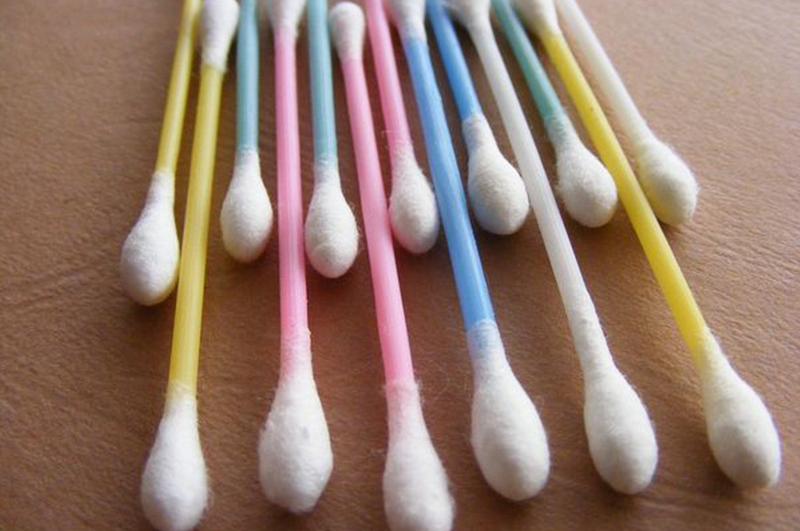
Why You Shouldn’t Use Cotton Swabs in Children’s Ears
Despite cotton swab packaging often warning against ear canal insertion, many parents use them routinely for ear cleaning. Understanding the problems this practice causes helps motivate safer alternatives.
Pushing Wax Deeper
Inserting cotton swabs or other objects into ear canals typically pushes earwax deeper toward the eardrum rather than removing it. While the visible swab tip might show some wax (creating the illusion of effective cleaning), much more gets compacted against the eardrum, potentially creating impaction—accumulated, hardened wax blocking the canal.
Wax impaction can cause hearing loss, ear pain, ringing in the ears (tinnitus), dizziness, or feeling of fullness in the ear. Ironically, aggressive cleaning intended to prevent these symptoms often causes them by creating the impaction the cleaning aimed to prevent.
Risk of Ear Canal and Eardrum Injury
Children move unpredictably. A child might jerk suddenly while a parent cleans their ear, driving a cotton swab deeper than intended, potentially scraping ear canal skin or even perforating the eardrum. Even without sudden movements, overzealous cleaning can abrade delicate ear canal skin, creating micro-tears that allow bacterial entry and cause painful external ear infections (swimmer’s ear).
At myPediaClinic, Dr. Medhat Abu-Shaaban treats numerous ear injuries caused by cotton swabs and other inserted cleaning implements. These entirely preventable injuries range from minor ear canal abrasions to serious eardrum perforations requiring specialist ENT care. The universal message from ear specialists is clear: nothing should be inserted into ear canals for cleaning purposes.
Disrupting Natural Cleaning Processes
Mechanical cleaning removes not just excess wax but also the protective wax layer that should remain coating ear canal skin. This disruption can cause dry, itchy ear canals that feel uncomfortable, prompting more cleaning that worsens the problem—creating a vicious cycle of irritation and over-cleaning.
Additionally, removing protective wax increases vulnerability to infections and irritation from water, soap, or other substances entering ears. Ironically, less intervention often results in healthier, more comfortable ears than aggressive cleaning.
Safe Ear Cleaning Practices for Children
If you shouldn’t insert objects into ear canals, what should ear cleaning involve? The answer focuses on external cleaning only, allowing internal ear canals to manage themselves.
Cleaning the Outer Ear
During regular bathing, clean only the parts of the ear you can see and reach easily without inserting anything into the ear canal. Use a soft washcloth with mild soap and water to gently clean the visible outer ear (pinna), the area behind the ears, and the very outer opening of the ear canal—only as far as you can see and reach comfortably with a cloth-covered finger.
Rinse thoroughly to remove all soap, which can cause irritation if it remains in ear creases. Dry ears gently but thoroughly, particularly behind the ears where trapped moisture can cause skin irritation or infection. This simple external cleaning is all healthy ears require—no special tools, products, or internal cleaning needed.
Managing Visible Earwax
If earwax is visible at the ear canal opening, wipe it away gently with a soft, damp washcloth. Never insert the cloth or any object into the canal to pursue wax deeper inside. If wax frequently appears at the opening between cleanings, this indicates the normal self-cleaning process working effectively, not a problem requiring intervention.
Many Dubai parents express concern about visible earwax appearing unsightly. Dr. Medhat Abu-Shaaban reassures families that small amounts of visible wax are completely normal and don’t require removal beyond gentle external wiping. Obsessive pursuit of wax-free ear canal openings often leads to the over-cleaning problems discussed earlier.
What About Ear Candles or Other Alternative Cleaning Methods?
Ear candling—a practice involving placing a hollow candle in the ear canal and lighting it, supposedly creating suction that draws out wax—is dangerous, ineffective, and strongly discouraged by medical professionals. Research clearly shows ear candles don’t remove earwax and can cause serious injuries including burns, ear canal obstruction from candle wax, and eardrum perforation.
Similarly, various irrigation devices, suction tools, and other consumer ear cleaning products marketed for home use carry risks when used improperly and typically aren’t necessary for healthy ears. At myPediaClinic, we recommend against these products, advocating instead for the simple external cleaning described above combined with professional evaluation when true earwax problems exist.
When Does Earwax Become a Problem Requiring Treatment?
While most earwax is protective and beneficial, occasionally it does accumulate excessively, causing symptoms requiring professional management.
Signs of Problematic Earwax Buildup
Earwax becomes problematic when it causes symptoms including hearing loss or muffled hearing, ear pain or discomfort, feeling of fullness or pressure in the ear, itching or drainage from the ear, ringing in the ears (tinnitus), or dizziness. These symptoms suggest possible wax impaction requiring evaluation at myPediaClinic.
Additionally, if earwax completely blocks the ear canal, preventing healthcare providers from examining the eardrum (necessary for diagnosing ear infections or other problems), professional cleaning becomes medically necessary even if the wax itself causes no symptoms.
Risk Factors for Excessive Wax Buildup
Some children produce more earwax than others due to individual variation in cerumen gland activity. Children with narrow or unusually shaped ear canals may be more prone to wax accumulation. Frequent earbud or headphone use can push wax deeper, causing impaction. Paradoxically, overzealous cotton swab use often causes the impaction problems it’s intended to prevent by pushing wax against the eardrum.
Skin conditions like eczema can affect ear canal skin, sometimes increasing wax production or changing wax consistency. Children with developmental differences affecting self-cleaning mechanisms (such as jaw movement abnormalities) may experience more wax buildup. At myPediaClinic, Dr. Medhat Abu-Shaaban identifies children at higher risk for wax problems and provides appropriate monitoring and preventive guidance.
Professional Earwax Removal
When earwax does require removal, it should be done by healthcare professionals using appropriate techniques and equipment. Methods for professional earwax removal include manual removal using specialized instruments under direct visualization, irrigation using controlled water flow to flush out wax (appropriate for older children but sometimes too uncomfortable for young children), or earwax-softening drops followed by gentle irrigation or suction removal.
Dr. Medhat Abu-Shaaban performs ear examinations and wax removal when necessary at myPediaClinic, using gentle techniques appropriate for children. Most earwax problems resolve with simple interventions, and children with recurrent issues can receive guidance about prevention and early intervention to minimize symptoms.
Preventing Ear Infections Through Proper Ear Care
While ear cleaning practices don’t directly cause most ear infections (which typically result from upper respiratory infections spreading to the middle ear), certain practices do affect ear infection risk.
Keeping Ears Dry
Excessive moisture in ear canals creates environments favorable for bacterial and fungal growth, potentially causing external ear infections (otitis externa or swimmer’s ear). After bathing or swimming, tilt the head to each side, allowing water to drain from ears. Gently dry visible outer ears and ear canal openings with soft towels, but don’t insert towels, cotton swabs, or anything else into canals.
For children who swim frequently in Dubai’s pools and beaches, Dr. Medhat Abu-Shaaban may recommend preventive measures like using earplugs during swimming, applying alcohol-based drying drops after water exposure (only if recommended and with intact eardrums), or ensuring thorough drying after aquatic activities. These simple measures significantly reduce external ear infection risk in susceptible children.
Avoiding Irritants
Soap, shampoo, and other products can irritate ear canal skin if they enter during bathing. Take care to prevent excessive soap or water entering ear canals during hair washing. If children are prone to ear irritation, cotton balls gently placed in outer ears (not pushed into canals) during bathing can provide some protection, though for most children this isn’t necessary.
Hair products, perfumes, and other substances applied near ears can sometimes cause irritation if they enter ear canals. If your child develops ear itching or irritation, consider whether new products might be contributing and eliminate potential irritants to see if symptoms improve.
Recognizing and Addressing Ear Problems
Beyond earwax concerns, children experience various ear problems requiring medical attention. Recognizing symptoms helps parents know when to seek care at myPediaClinic.
Middle Ear Infections (Otitis Media)
Middle ear infections, extremely common in young children, typically follow colds or upper respiratory infections. Symptoms include ear pain (babies may pull at ears or cry inconsolably), fever, irritability or sleep disruption, fluid draining from the ear, or temporary hearing loss.
While ear infections often resolve without treatment, significant pain, high fever, or infections in very young infants warrant medical evaluation. Dr. Medhat Abu-Shaaban can examine the eardrum with an otoscope to diagnose infections, determine whether antibiotics are needed, and provide pain management recommendations. Recurrent ear infections may require additional interventions including referral to ENT specialists for consideration of ear tubes.
External Ear Infections (Swimmer’s Ear)
External ear infections affect the ear canal rather than the middle ear, causing ear pain that worsens when the outer ear is touched or pulled, itching in the ear canal, redness and swelling of the outer ear, drainage from the ear, or muffled hearing if swelling blocks the canal.
These infections typically result from moisture trapped in the ear canal (hence “swimmer’s ear”) or skin damage from aggressive cleaning allowing bacterial entry. Treatment involves antibiotic eardrops and keeping ears dry during healing. Prevention focuses on thorough drying after water exposure and avoiding insertion of objects that could damage canal skin.
Foreign Objects in Ears
Young children sometimes insert small objects—beads, food items, small toys, or other objects—into their ear canals. Sometimes these incidents are witnessed, but often children don’t report them and objects are discovered when symptoms develop including pain, drainage, hearing loss, or feeling of something in the ear.
Never attempt to remove foreign objects yourself, as this often pushes them deeper or causes injury. Contact myPediaClinic for professional removal. Dr. Medhat Abu-Shaaban can safely remove most foreign objects using appropriate instruments under visualization, preventing the complications that home removal attempts often cause.
Special Considerations for Dubai’s Climate
Dubai’s hot, humid climate combined with frequent swimming and air conditioning use creates specific ear care considerations for children.
Swimming and Water Activities
With year-round swimming common in Dubai, preventing swimmer’s ear becomes particularly important. Ensure thorough ear drying after swimming, consider earplugs for children prone to ear infections, rinse ears with fresh water after swimming in pools (chlorine can irritate ear canals), and limit underwater swimming that forces water into ears for extended periods.
If your child develops ear pain after swimming, don’t delay evaluation—early treatment of swimmer’s ear prevents progression to more severe infections requiring extended treatment.
Air Conditioning and Humidity
Dubai’s ubiquitous air conditioning can dry air significantly, potentially affecting ear canal skin moisture. While this rarely causes problems, children with very dry skin or eczema affecting ears might experience ear canal itching or irritation. Using humidifiers in bedrooms and ensuring adequate overall hydration can help, though most children’s ears adapt fine to air-conditioned environments.
Frequently Asked Questions About Cleaning Children’s Ears
How often should I clean my child’s ears?
Clean only the visible outer parts of your child’s ears during regular bathing—typically once daily or every other day depending on your bathing routine. Never clean inside the ear canal with cotton swabs or other inserted objects. The ear canal is self-cleaning and doesn’t require manual cleaning. At myPediaClinic in Dubai, Dr. Medhat Abu-Shaaban emphasizes that less intervention usually results in healthier ears than frequent, aggressive cleaning attempts. Simple external wiping during baths is sufficient for normal ear hygiene.
Is it normal for my child to have a lot of earwax?
Yes, earwax production varies normally among children. Some produce more wax than others without any problem or health concern. Unless earwax causes symptoms like hearing loss, pain, or fullness, its presence—even in seemingly large amounts—is normal and healthy. The amount of wax you can see at the ear canal opening doesn’t indicate how much exists deeper in the canal or whether it’s problematic. Resist the urge to remove wax simply because it’s visible. If you’re concerned about the amount of wax your child produces, schedule an evaluation at myPediaClinic where Dr. Medhat Abu-Shaaban can examine the ear canals and provide specific guidance for your child’s situation.
Can I use cotton swabs if I’m very careful not to insert them deeply?
No—even shallow insertion carries risks and typically pushes some wax deeper rather than removing it. Additionally, “very careful” use can still cause problems if children move unexpectedly. Medical professionals universally recommend against any cotton swab insertion into ear canals. The feeling that ears need internal cleaning or that cotton swabs work effectively usually reflects misconceptions about ear hygiene. Clean only external parts of ears that you can reach easily without inserting anything into the canal. This restriction isn’t overly cautious medical advice—it’s evidence-based guidance preventing the numerous ear injuries and impactions that cotton swab use causes.
What should I do if I’ve been using cotton swabs and my child’s ears seem fine?
Stop using cotton swabs in ear canals immediately, even if no obvious problems have occurred yet. Many people use cotton swabs for years without apparent issues, then suddenly experience impaction, injury, or infection. The fact that problems haven’t occurred yet doesn’t mean the practice is safe—it means you’ve been fortunate. Switch to external-only cleaning and allow ear canals to self-clean naturally. If you’re concerned that previous cotton swab use might have caused hidden problems, schedule an ear examination at myPediaClinic where Dr. Medhat Abu-Shaaban can check for impaction or damage and provide reassurance if everything looks healthy.
My child complains that their ears feel full or plugged. What should I do?
Feelings of fullness can indicate earwax impaction, middle ear fluid from infection or allergies, Eustachian tube dysfunction, or other causes requiring professional evaluation. Don’t attempt home treatment with cotton swabs, ear candles, or other remedies. Schedule an appointment at myPediaClinic where Dr. Medhat Abu-Shaaban can examine the ears, identify the cause of fullness, and provide appropriate treatment. Simple problems often have simple solutions when properly diagnosed, while attempting self-treatment can worsen issues or delay necessary medical care for more serious conditions.
Can earwax cause hearing loss in children?
Yes, if earwax accumulates enough to completely block the ear canal, it can cause conductive hearing loss (sound can’t travel effectively to the eardrum and middle ear). This hearing loss is temporary and reverses completely when the wax is removed professionally. However, earwax is just one of many causes of childhood hearing loss. If you notice hearing changes—your child doesn’t respond to sounds, frequently says “what?”, turns up TV volume excessively, or seems to hear better from one ear than the other—seek evaluation at myPediaClinic rather than assuming it’s simply earwax. Dr. Medhat Abu-Shaaban can examine ears, assess hearing, and determine whether wax, infection, or other causes explain hearing changes, ensuring appropriate treatment.
Are there safe home remedies for removing excess earwax?
For mild wax that’s soft and near the ear canal opening, a few drops of warm water from a clean dropper, followed by tilting the head to allow drainage, can sometimes help. Some over-the-counter earwax softening drops (typically containing mineral oil, baby oil, glycerin, or hydrogen peroxide) can soften wax, making it easier for the natural cleaning process to remove it. However, never use these drops if there’s any possibility of eardrum perforation (indicated by recent ear pain, drainage, or ear surgery), and never follow drops with vigorous irrigation or insertion of objects to remove wax. At myPediaClinic, we can recommend specific products if appropriate for your child and demonstrate safe use. For significant wax accumulation causing symptoms, professional removal is safer and more effective than home remedies.
Should I be concerned if my child’s earwax is dark or has a strong odor?
Earwax color varies normally from light yellow to dark brown or nearly black, influenced by genetics, age (wax typically darkens with age), and how long it’s been in the ear. Color variation alone doesn’t indicate problems. However, foul-smelling discharge, particularly if accompanied by pain, fever, or hearing loss, may indicate infection requiring medical evaluation. If you notice changes in ear discharge character, color, or smell, or if discharge occurs alongside other symptoms, contact myPediaClinic for evaluation rather than assuming it’s normal wax variation.
Can I use baby oil or olive oil in my child’s ears to soften wax?
A few drops of baby oil, mineral oil, or olive oil can soften earwax, potentially facilitating the natural cleaning process. Use only if the eardrum is intact (no perforation), place just 2-3 drops in the ear, keep the head tilted for a few minutes to allow oil penetration, then tilt to allow excess to drain out. Don’t follow with vigorous irrigation or insertion of objects. Use oil only for a few days; if symptoms don’t improve, see Dr. Medhat Abu-Shaaban at myPediaClinic rather than continuing home treatment indefinitely. While generally safe when used correctly, oil drops aren’t necessary for most children and should be used only when specific wax-related symptoms exist, not as routine “maintenance.”
How can I tell if my child has an ear infection versus just earwax buildup?
This distinction often requires professional examination. Both conditions can cause hearing changes and ear discomfort. However, ear infections typically produce additional symptoms including fever, significant ear pain (particularly pain that awakens children from sleep), irritability, and sometimes drainage. Earwax alone typically causes gradual fullness sensation and hearing changes without severe pain or fever. That said, accurate diagnosis requires otoscopic examination of the eardrum—something parents can’t do at home. If your child has ear symptoms, schedule evaluation at myPediaClinic rather than guessing whether it’s wax or infection. Prompt diagnosis ensures appropriate treatment and prevents complications from delayed care.
My child uses hearing aids. How does this affect ear cleaning?
Hearing aids can interfere with the ear canal’s natural self-cleaning process and may increase wax production or push wax deeper into canals. Children with hearing aids often require more frequent professional ear cleaning than those without aids. Work closely with both your audiologist and Dr. Medhat Abu-Shaaban at myPediaClinic to develop an appropriate ear care routine. Never attempt aggressive home cleaning that could damage delicate ear structures—professional monitoring and cleaning when necessary works best for children with hearing aids.
Can earwax color or consistency indicate health problems?
Normal earwax varies in color (yellow to dark brown or black) and consistency (soft and moist to hard and dry) without indicating problems. These variations reflect genetics, age, and individual differences. However, sudden changes—wax that becomes very watery, bloody, or foul-smelling—can sometimes indicate infection or other problems warranting evaluation. If earwax character changes dramatically from your child’s usual pattern, particularly if accompanied by pain, hearing loss, or other symptoms, seek medical assessment at myPediaClinic. Most wax variations are completely normal, but significant changes occasionally signal underlying issues.
Are ear candles or ear vacuums safe for removing children’s earwax?
No, ear candles are dangerous and ineffective, potentially causing burns, eardrum perforation, ear canal obstruction from candle wax, and external ear burns. Research clearly demonstrates they don’t remove earwax despite marketing claims. Similarly, consumer ear vacuum devices carry injury risks and rarely work effectively. The American Academy of Otolaryngology and other medical organizations strongly advise against ear candling. At myPediaClinic, we never recommend these methods and discourage their use. If your child needs earwax removal, Dr. Medhat Abu-Shaaban can provide safe professional cleaning using appropriate medical techniques and equipment.
What should I do if water gets trapped in my child’s ear?
Tilt the head to the affected side and gently pull the earlobe in different directions to help water drain. Encourage your child to lie on the affected side, allowing gravity to help drainage. Have them chew gum or yawn to engage jaw muscles that may help open the Eustachian tube. You can gently dry the outer ear with a towel, but don’t insert anything into the canal. Never use cotton swabs, which can push water deeper or damage canal skin. If water remains trapped for more than a day, causes pain, or if hearing doesn’t return to normal after water drains, seek evaluation at myPediaClinic to check for infection or other complications.
Can allergies affect earwax production or cause ear problems?
Allergies don’t typically affect earwax production directly, but can cause middle ear fluid accumulation, Eustachian tube dysfunction, and secondary ear infections that create ear symptoms. Allergy-related middle ear fluid can cause hearing changes and fullness sensations similar to earwax impaction. Distinguishing allergic ear problems from wax issues requires medical examination. If your child has known allergies and develops ear symptoms, mention the allergy history when seeking evaluation at myPediaClinic, as this context helps guide diagnosis and treatment. Managing underlying allergies often helps prevent recurrent ear problems.
Should I clean my baby’s ears differently than older children’s ears?
The same principles apply to all ages: clean only visible external parts during bathing, never insert objects into ear canals, and allow internal canals to self-clean. Babies may accumulate some milk or formula in outer ear creases that should be gently wiped away during bathing, but canal cleaning isn’t necessary. Baby ear canals are even shorter and more delicate than older children’s, making insertion of anything—even shallow cotton swab insertion—particularly dangerous. If you notice wax at your baby’s ear canal opening, gently wipe it away with a soft washcloth, but don’t pursue it into the canal. Dr. Medhat Abu-Shaaban examines infant ears during well-baby visits at myPediaClinic, providing reassurance about ear health and addressing any concerns.
Can frequent headphone or earbud use cause earwax problems?
Yes, regular headphone or earbud use can interfere with the ear canal’s natural self-cleaning process, potentially causing wax accumulation. Additionally, sharing earbuds can transfer bacteria between users, increasing infection risk. If your child uses headphones or earbuds regularly, ensure they’re cleaned periodically according to manufacturer instructions, not shared with others, and not inserted so deeply that they push against ear canal walls. If ear symptoms develop—fullness, hearing changes, or discomfort—discontinue use temporarily and seek evaluation at myPediaClinic if symptoms persist. Most children use audio devices without problems, but awareness of potential ear effects helps prevent issues.
What are ear tubes, and how do they affect ear cleaning?
Ear tubes (tympanostomy tubes or grommets) are tiny cylinders placed through the eardrum to equalize pressure and allow middle ear fluid drainage in children with recurrent ear infections or persistent fluid. Children with ear tubes should avoid getting water in their ears during swimming or bathing, as water entering through the tubes can cause infections. Earplugs or cotton balls coated with petroleum jelly can protect ears during bathing. Ear cleaning practices for children with tubes should focus on external cleaning only, never inserting objects that could dislodge tubes or damage the eardrum. If your child has ear tubes, Dr. Medhat Abu-Shaaban provides specific care instructions and monitors tubes during follow-up visits at myPediaClinic.
Can stress or diet affect earwax production?
Stress and diet don’t significantly influence earwax production. Earwax secretion is determined primarily by genetics and individual variation in cerumen gland activity, not by controllable factors like stress or nutrition. While general health affects all bodily functions, there’s no evidence that dietary changes or stress reduction specifically alter earwax production. If your child has problematic wax accumulation, focus on appropriate professional cleaning when needed rather than attempting to reduce production through diet or lifestyle changes, which won’t be effective for this purpose.
When should my child first have their ears professionally examined?
Ear examinations should occur during all well-child visits starting in infancy. Dr. Medhat Abu-Shaaban examines infant ears at newborn visits and throughout the first year during regular checkups, checking for structural abnormalities, assessing hearing through developmental observation, and looking for ear infections or wax issues. These routine examinations catch problems early and provide opportunities for parents to ask ear-related questions. Beyond scheduled well-child visits, seek ear examination whenever your child has ear pain, hearing changes, drainage, injury, or persistent wax-related symptoms. Regular preventive care includes ear health monitoring, ensuring any issues are detected and addressed promptly.
Conclusion: Simple Principles for Healthy Ear Care
Proper ear care for children is simpler than many parents realize—clean external parts during bathing, never insert objects into ear canals, dry ears gently after water exposure, and seek professional care when symptoms develop. Understanding that earwax is protective rather than dirty, ear canals are self-cleaning, and aggressive cleaning usually causes more problems than it solves helps parents resist the temptation to over-clean their children’s ears.
At myPediaClinic in Dubai Healthcare City, Dr. Medhat Abu-Shaaban provides comprehensive ear care including routine ear examinations during well-child visits, diagnosis and treatment of ear infections, professional earwax removal when necessary, evaluation of hearing concerns, and education about proper ear care practices for Dubai families. Our goal is preventing ear problems when possible and treating them promptly and effectively when they occur.
For children with ear pain, hearing changes, suspected wax impaction, or any ear-related concerns, contact myPediaClinic to schedule an evaluation. We provide expert, gentle ear care that protects children’s hearing and ear health while educating families about safe home care practices. Your child’s ears are precious—trust them to the experienced pediatric care team at myPediaClinic Dubai.