
How to Deal with a Child’s Tooth Decay: Expert Guide from Pediatric Dentist in Dubai
Discovering that your child has tooth decay can be distressing for any parent. Those tiny teeth that seemed perfectly healthy suddenly show signs of cavities, and you’re left wondering how this happened and what to do about it. At myPediaClinic in Dubai Healthcare City, Dr. Yasmin Kottait, our experienced pediatric dentist, helps families navigate the challenges of childhood tooth decay every day—from prevention and early intervention to treatment and long-term oral health management.
Tooth decay in children is far more common than many parents realize, affecting children across all socioeconomic backgrounds, cultures, and geographic locations. Understanding why decay occurs, recognizing it early, and knowing how to respond effectively can make the difference between a minor dental issue and a serious problem affecting your child’s health, development, and quality of life.
Understanding Tooth Decay: What’s Happening in Your Child’s Mouth
Before discussing treatment and prevention, it’s essential to understand what tooth decay actually is and how it develops. This knowledge empowers parents to make informed decisions about their children’s oral health.
The Decay Process
Tooth decay, also called dental caries or cavities, is a disease process in which acids produced by bacteria damage tooth structure. The process begins when bacteria in the mouth consume sugars and starches from food and drinks, producing acids as a byproduct. These acids attack tooth enamel—the hard, protective outer layer of teeth—gradually dissolving minerals from the enamel in a process called demineralization.
Dr. Yasmin Kottait explains to families at myPediaClinic that our mouths naturally have systems to repair this damage. Saliva contains minerals including calcium and phosphate that can remineralize teeth, repairing early acid damage before it progresses to a cavity. Fluoride from toothpaste and other sources enhances this remineralization process. However, when demineralization outpaces remineralization—due to frequent sugar exposure, poor oral hygiene, or other factors—decay progresses and cavities form.
Why Children Are Particularly Vulnerable
Children face several factors that increase their cavity risk compared to adults. Primary teeth (baby teeth) have thinner enamel than permanent teeth, making them more susceptible to acid damage. Young children often lack the motor skills and discipline for effective tooth brushing and flossing. Many children consume frequent snacks and sugary drinks that provide constant fuel for cavity-causing bacteria. Children may not recognize or communicate dental discomfort until decay is advanced. Limited understanding of long-term consequences makes motivation for good oral hygiene challenging.
Additionally, some children have deep grooves and pits in their back teeth where bacteria and food particles easily accumulate, making these areas particularly prone to decay even with reasonable hygiene efforts.
Recognizing Tooth Decay: Signs and Symptoms
Early detection of tooth decay allows for less invasive treatment and better outcomes. Dr. Kottait educates parents at myPediaClinic in Dubai about warning signs that should prompt a dental evaluation.
Visual Signs of Decay
Early decay often appears as white spots on teeth near the gumline or on chewing surfaces. These white spots indicate demineralization—mineral loss from enamel that hasn’t yet progressed to a cavity. With appropriate intervention at this stage, the decay process can sometimes be reversed. As decay progresses, teeth may develop brown, black, or gray spots or stains. Visible holes or pitting in teeth indicate advanced decay where enamel has broken down completely. Teeth may appear chalky or rough rather than smooth and shiny.
Symptoms Your Child May Report
Depending on age and verbal ability, children may complain of tooth sensitivity to hot, cold, or sweet foods and drinks, toothache or pain in a specific tooth or area of the mouth, discomfort when chewing, or a bad taste in their mouth. Young children who can’t articulate dental pain may show behavioral changes—irritability, reluctance to eat, favoring one side of the mouth when chewing, or touching or holding their cheek or jaw.
When Decay Is Advanced
In severe cases that have progressed without treatment, signs may include visible abscess or pimple-like bump on the gums near a decayed tooth, facial swelling, fever accompanying dental symptoms, or extremely foul breath despite brushing. These symptoms indicate serious infection requiring immediate dental care.
Early Childhood Caries: A Special Concern
Early childhood caries, sometimes called baby bottle tooth decay, is a particularly severe and rapid form of decay affecting infants and toddlers. Understanding this condition helps parents prevent it in younger children.
What Causes Early Childhood Caries
This condition typically develops when babies are put to bed with bottles containing milk, formula, juice, or other sugary liquids. The liquid pools in the mouth during sleep, bathing teeth in sugar for extended periods. Saliva production decreases during sleep, reducing the mouth’s natural protective and cleansing mechanisms. Prolonged pacifier dipping in sugar or honey can cause similar problems. Frequent sippy cup use with sugary drinks throughout the day creates constant acid exposure.
At myPediaClinic in Dubai, Dr. Yasmin Kottait has treated numerous cases of early childhood caries and emphasizes that prevention is much easier than treatment, particularly in very young children who can’t cooperate well with dental procedures.
Recognizing Early Childhood Caries
This condition typically first affects the upper front teeth, which are most exposed to liquid from bottles. Early signs include white spots on front teeth near the gumline, brown or black staining on front teeth, and visible decay or crumbling of tooth structure. As the condition progresses, it can affect all teeth and may cause pain, infection, and difficulty eating.
Treatment Options: What to Expect at the Dentist
When Dr. Kottait diagnoses tooth decay in your child, the treatment approach depends on the decay’s extent, the tooth’s location, your child’s age and cooperation ability, and other factors. Understanding treatment options helps reduce anxiety and allows you to make informed decisions about your child’s care.
Fluoride Treatment for Early Decay
When decay is in its very early stages—white spots indicating demineralization but no actual cavity yet—professional fluoride treatments may halt or even reverse the damage. Dr. Kottait applies concentrated fluoride varnish or gel to affected teeth. This treatment is painless, quick, and can be repeated at regular intervals. Combined with improved oral hygiene and dietary changes, fluoride treatment can remineralize early decay, preventing progression to cavities requiring more invasive treatment.
Fillings for Cavities
When decay has progressed to actual cavities, fillings are typically necessary. The procedure involves removing decayed tooth structure, cleaning the cavity, and filling the space with restorative material. For children, tooth-colored composite resin is commonly used because it bonds well to tooth structure, looks natural, and doesn’t contain mercury (unlike traditional silver amalgam fillings).
At myPediaClinic in Dubai, Dr. Yasmin Kottait uses child-friendly language and gentle techniques to minimize anxiety and discomfort during filling procedures. Depending on the child’s age, anxiety level, and extent of treatment needed, local anesthesia may be used to numb the area and ensure comfort.
Crowns for Extensive Decay
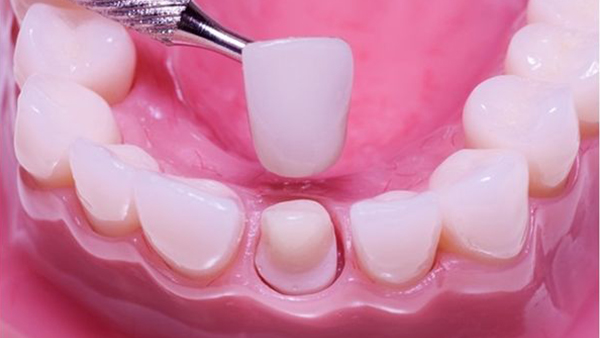
When decay is extensive or when a tooth has had previous large fillings, a crown may be necessary to restore function and protect the remaining tooth structure. For primary teeth, stainless steel crowns are commonly used because they’re durable, cost-effective, and don’t require multiple visits. For front teeth where aesthetics are important, tooth-colored crowns are available.
Many parents question whether treating baby teeth with crowns is worthwhile since these teeth will eventually fall out anyway. Dr. Kottait explains that preserving baby teeth is crucial for maintaining space for permanent teeth, enabling proper chewing and nutrition, supporting speech development, and preventing pain and infection.
Root Canal Treatment (Pulpotomy) for Primary Teeth
When decay reaches the pulp (nerve) of a primary tooth, a pulpotomy may be needed. This procedure is similar to a root canal in adult teeth but modified for baby teeth. Dr. Kottait removes the infected pulp from the crown portion of the tooth, treats the area with medication, and places a crown to protect the tooth. This treatment can save the tooth, preventing extraction and maintaining proper spacing for permanent teeth.
Extraction When Necessary
In some cases—severely decayed teeth that can’t be restored, infected teeth that don’t respond to treatment, or teeth causing abscess or significant infection—extraction may be the best option. When primary teeth must be extracted prematurely, space maintainers may be needed to prevent neighboring teeth from shifting and blocking space for permanent teeth.
Managing Dental Anxiety: Making Treatment Less Stressful
Many children experience anxiety about dental treatment. At myPediaClinic in Dubai Healthcare City, Dr. Yasmin Kottait and our pediatric dental team specialize in behavior management techniques that make dental visits as positive as possible.
Before the Appointment
Prepare your child using age-appropriate language. For young children, keep explanations simple and positive—”The dentist will clean your tooth and make it strong again.” Avoid words like “pain,” “hurt,” “shot,” or “drill” that create fear. Read children’s books about positive dental visits. Consider scheduling a “meet and greet” visit before treatment appointments to familiarize your child with the dental office environment and staff. Avoid promising rewards contingent on “being good,” which suggests something bad will happen.
During Treatment
Dr. Kottait uses various techniques to help children cooperate. The “tell-show-do” approach explains procedures in child-friendly language, demonstrates on models or parents, then performs the procedure on the child. Distraction techniques including music, videos, or conversation about favorite topics help children relax. Positive reinforcement through praise and encouragement builds confidence. Nitrous oxide (laughing gas) can be used for anxious children or extensive procedures, providing relaxation while allowing the child to remain conscious and responsive.
For Very Anxious or Young Children
Sometimes, despite best efforts, children can’t tolerate dental treatment with basic behavior management. In these cases, sedation options may be discussed. Oral sedation using medication given before the appointment can help very anxious children relax. General anesthesia in a hospital setting may be appropriate for very young children, those with extensive dental needs, or children with special needs who can’t cooperate for treatment. Dr. Kottait discusses these options thoroughly with parents, explaining risks and benefits to ensure informed decision-making.
Prevention: The Best Treatment is Avoiding Decay in the First Place
While effective treatments exist for tooth decay, prevention is always preferable to treatment. Dr. Yasmin Kottait emphasizes comprehensive preventive strategies with all families at myPediaClinic in Dubai.
Oral Hygiene Fundamentals
Start cleaning your baby’s mouth even before teeth erupt, using a soft, damp cloth to wipe gums after feeding. When teeth appear, brush twice daily with a smear (grain of rice-sized amount) of fluoride toothpaste for children under three, and a pea-sized amount for children three and older. Supervise brushing until at least age seven or eight to ensure thoroughness. Begin flossing when any two teeth touch each other, usually around age two or three. Replace toothbrushes every three to four months or sooner if bristles become frayed.
Dietary Strategies
Diet plays a crucial role in cavity development. At myPediaClinic, Dr. Kottait provides personalized dietary counseling based on each child’s eating patterns and decay risk. Key recommendations include limiting sugary foods and drinks—when treats are consumed, have them with meals rather than as frequent snacks. Avoid putting babies to bed with bottles containing anything except water. Transition from bottles to cups around the first birthday. Limit juice to 4-6 ounces daily and offer it only with meals, not throughout the day in sippy cups.
In Dubai’s environment, where sweet treats are culturally important in many communities and international cuisine exposes children to diverse foods, Dr. Kottait works with families to find culturally sensitive approaches that protect dental health while respecting food traditions.
Fluoride for Cavity Prevention
Fluoride strengthens enamel and helps remineralize early decay. Use fluoride toothpaste as described above—even for babies, the benefits outweigh minimal risks from the tiny amounts used. Professional fluoride treatments at dental checkups provide additional protection for children at higher decay risk. In Dubai, where water typically has low natural fluoride levels, these professional treatments are particularly important.
Dental Sealants
Dental sealants are thin protective coatings applied to the chewing surfaces of back teeth, where decay most commonly occurs. The deep grooves in molars trap food and bacteria that toothbrush bristles can’t reach effectively. Sealants fill these vulnerable grooves, creating smooth, easy-to-clean surfaces. Application is quick, painless, and requires no drilling or anesthesia. Dr. Kottait typically recommends sealants when permanent molars erupt, usually around ages six and twelve. Studies show sealants can reduce decay in sealed teeth by up to 80%.
Regular Dental Checkups
Professional dental examinations allow early detection and intervention when problems are small and easier to treat. The American Academy of Pediatric Dentistry recommends that children have their first dental visit by their first birthday, then return for checkups every six months. During these visits, Dr. Kottait examines teeth and gums, monitors dental development, provides professional cleaning, applies fluoride treatment when indicated, and educates parents and children about oral health.
Special Considerations for Dubai Families
Living in Dubai creates unique considerations for managing childhood tooth decay that Dr. Yasmin Kottait addresses in her practice.
Cultural and Dietary Diversity
Dubai’s multicultural population means children are exposed to diverse cuisines and food traditions. While this cultural richness is wonderful, some traditional foods or eating patterns from various cultures may increase decay risk—frequent consumption of dried fruits, dates, or other sticky sweet foods, traditional sweets given during celebrations, or chai or sweet tea consumption throughout the day.
At myPediaClinic, Dr. Kottait provides culturally sensitive dietary counseling that respects family food traditions while protecting dental health. Rather than eliminating beloved traditional foods entirely, she works with families on timing (having sweets with meals rather than as frequent snacks), portion control, and enhanced oral hygiene after consuming cavity-promoting foods.
Water Fluoridation
Unlike many Western countries with fluoridated water supplies, Dubai’s water typically contains low fluoride levels. This makes other fluoride sources—fluoride toothpaste and professional fluoride treatments—even more important for children in the UAE to receive adequate fluoride exposure for strong, decay-resistant teeth.
International School Schedules
Many Dubai families follow demanding academic and extracurricular schedules that can affect dental health. Frequent snacking between activities, sports drinks consumption, and stress-related dietary changes can all increase decay risk. Dr. Kottait helps families develop practical strategies for maintaining oral health despite busy schedules.
Addressing Common Parental Concerns
Dr. Yasmin Kottait frequently addresses specific questions and concerns from parents dealing with their children’s tooth decay.
“Do Baby Teeth Really Matter Since They Fall Out Anyway?”
This is one of the most common misconceptions Dr. Kottait encounters. Primary teeth are crucial for maintaining proper spacing for permanent teeth—when baby teeth are lost prematurely due to decay, neighboring teeth shift and can block space for permanent teeth, requiring expensive orthodontic treatment later. Baby teeth enable proper chewing and nutrition during critical growth periods. They play important roles in speech development. Healthy baby teeth contribute to children’s self-esteem and social development.
Additionally, decay in baby teeth can spread to developing permanent teeth beneath the gums. Treating baby tooth decay isn’t optional—it’s essential for current comfort and long-term dental health.
“My Child Brushes Regularly; Why Do They Have Cavities?”
Brushing alone doesn’t guarantee cavity-free teeth. Other factors include diet—frequent consumption of sugary or acidic foods and drinks promotes decay despite brushing. Brushing technique matters—superficial brushing that doesn’t reach all tooth surfaces and the gumline won’t prevent decay. Genetic factors influence enamel strength and mouth bacteria composition. Some children simply have deeper grooves in their teeth that trap bacteria despite good brushing. Saliva composition and flow affect natural cavity protection.
Dr. Kottait evaluates all these factors to develop personalized prevention strategies for children who develop decay despite apparent good oral hygiene.
“Will Dental Treatment Hurt My Child?”
Modern pediatric dentistry offers numerous options to minimize or eliminate discomfort. Local anesthesia numbs treatment areas effectively. Nitrous oxide (laughing gas) provides relaxation. Child-friendly techniques and language reduce anxiety. At myPediaClinic in Dubai, Dr. Kottait prioritizes patient comfort and works to ensure dental treatment is as pain-free as possible. The discomfort of treatment is far less than the pain of untreated decay and infection.
Long-Term Implications of Untreated Decay
Understanding the serious consequences of untreated tooth decay motivates timely treatment and prevention.
Pain and Infection
Untreated decay progresses, eventually reaching the tooth’s nerve and causing significant pain. Infection can spread, forming abscesses that cause facial swelling and potentially serious systemic infection. At myPediaClinic, Dr. Kottait has treated children with dental infections requiring hospitalization and IV antibiotics—serious situations that could have been prevented with earlier intervention.
Eating and Nutrition Problems
Children with painful decayed teeth may avoid certain foods, particularly crunchy fruits and vegetables that require chewing. This can lead to inadequate nutrition during critical growth periods. Weight loss or poor weight gain may occur in severe cases. The impact on a child’s growth and development can extend far beyond dental health.
Speech Development
Early loss of front baby teeth due to decay can affect speech development, particularly sounds like “f,” “v,” “s,” and “th” that require teeth for proper formation. While speech therapy can help, preventing tooth loss in the first place is ideal.
Self-Esteem and Social Development
Children with visible tooth decay, especially in front teeth, may become self-conscious about their smiles. This can affect social interactions, willingness to smile in photos, participation in school activities, and overall self-confidence during critical developmental periods.
Long-Term Dental Health
Children with extensive decay in baby teeth are at higher risk for decay in permanent teeth. Early positive dental experiences promote lifelong good oral health attitudes and habits. Conversely, traumatic childhood dental experiences due to advanced decay can create lasting dental anxiety affecting oral health throughout life.
Working with Your Pediatric Dentist: Building a Partnership
Effective management of your child’s dental health requires collaboration between parents and the dental team. At myPediaClinic in Dubai Healthcare City, Dr. Yasmin Kottait views families as partners in promoting children’s oral health.
Honest Communication
Share accurate information about your child’s dietary habits, oral hygiene practices, and any challenges you’re facing. Mention any dental anxiety or previous negative dental experiences. Discuss financial constraints or insurance limitations that might affect treatment decisions. Ask questions about anything you don’t understand—Dr. Kottait wants you to make informed decisions about your child’s care.
Following Through on Recommendations
Implement home care recommendations regarding brushing, flossing, and diet. Schedule and attend recommended follow-up appointments. Complete treatment plans rather than leaving decay partially treated. Address problems promptly when they arise rather than waiting until situations become emergencies.
Creating Consistency
In Dubai’s environment where children often receive care from multiple caregivers—parents, grandparents, domestic helpers, nannies—ensuring everyone understands and follows oral health recommendations is crucial. Dr. Kottait can provide written instructions and welcomes including all caregivers in education sessions to ensure consistency.
Comprehensive Pediatric Dental Care at myPediaClinic
At myPediaClinic in Dubai Healthcare City, Dr. Yasmin Kottait provides comprehensive pediatric dental care from infancy through adolescence. Services include preventive care with regular checkups and cleanings, fluoride treatments and dental sealants, early cavity detection and conservative treatment, restorative treatments including fillings, crowns, and pulpotomies, behavior management for anxious children, emergency dental care for trauma or infections, and education and support for families.
Our child-centered approach combines Dr. Kottait’s specialized expertise with a warm, welcoming environment designed specifically for children’s comfort. We understand that dental visits can be stressful and work to make every experience as positive as possible.
Frequently Asked Questions About Childhood Tooth Decay
At what age should my child first see a dentist?
The American Academy of Pediatric Dentistry and Dr. Yasmin Kottait at myPediaClinic recommend that children have their first dental visit by their first birthday or within six months of the first tooth erupting. These early visits allow for preventive care, early problem detection, and parent education about infant oral health before decay has a chance to develop.
Can tooth decay in baby teeth affect permanent teeth?
Yes, decay in baby teeth can affect developing permanent teeth beneath the gums. Infection from badly decayed baby teeth can damage permanent tooth buds. Additionally, early loss of baby teeth due to decay can cause spacing problems that affect permanent tooth alignment and may require orthodontic treatment. Children with extensive decay in baby teeth are also at higher risk for cavities in their permanent teeth due to high cavity-causing bacteria levels and established poor oral health habits.
Is it normal for a toddler to have cavities?
While common, cavities are not “normal” in the sense of being healthy or desirable. Early childhood caries affects many toddlers, but this represents a disease process that should be prevented when possible and treated promptly when it occurs. If your toddler has cavities, work with Dr. Kottait at myPediaClinic to treat existing decay and implement prevention strategies to protect remaining teeth.
Do stainless steel crowns look bad?
Stainless steel crowns on back teeth are quite durable and functional, though they are silver-colored. Most parents find them acceptable for back teeth that aren’t highly visible during smiling. For front teeth where aesthetics are more important, tooth-colored crowns are available. Dr. Kottait discusses crown options and helps families make decisions based on the tooth’s location, extent of decay, and aesthetic concerns.
How can I get my toddler to cooperate with tooth brushing?
Toddler tooth brushing battles are common. Strategies that help include making it fun with songs, games, or silly faces in the mirror, letting your child brush a favorite stuffed animal or doll first, then their own teeth, offering choice of toothbrush color or flavor while maintaining the brushing requirement itself, brushing at the same times daily so it becomes routine, and modeling good oral hygiene by brushing alongside your child. For very resistant toddlers, ensuring thorough brushing at least once daily (preferably before bed) is better than nothing, even if morning brushing is superficial.
Can breastfeeding cause tooth decay?
Breastfeeding itself doesn’t cause decay, but nighttime nursing after teeth have erupted combined with poor oral hygiene can contribute to early childhood caries. If you continue night nursing after your baby has teeth, wipe their teeth with a damp cloth after feeding when possible, or at least ensure thorough brushing before the first nighttime nursing session. The benefits of breastfeeding generally outweigh cavity concerns when coupled with appropriate oral hygiene.
Are white spots on my child’s teeth serious?
White spots on teeth often indicate early demineralization—the beginning of the decay process before actual cavities form. While not yet serious, they warrant attention. Contact myPediaClinic for evaluation. With professional fluoride treatment, improved oral hygiene, and dietary changes, white spot lesions can sometimes be remineralized, preventing progression to cavities requiring more extensive treatment.
Does sugar-free gum help prevent cavities?
Sugar-free gum, particularly gum containing xylitol, can help prevent cavities by stimulating saliva flow (which helps neutralize acids and remineralize teeth) and, in the case of xylitol gum, inhibiting cavity-causing bacteria. However, gum is appropriate only for children old enough not to choke on it (usually age five or older) and should complement, not replace, proper brushing and flossing. Discuss gum use with Dr. Kottait based on your child’s age and specific needs.
My child has a dental abscess; is this an emergency?
Yes, dental abscesses require prompt treatment. Contact myPediaClinic immediately if your child has swelling in the face or gums, a pimple-like bump on the gums near a tooth, fever accompanying dental symptoms, or severe dental pain. Abscesses indicate infection that can spread if untreated. Dr. Kottait can provide emergency care including drainage, antibiotics if needed, and definitive treatment to address the infected tooth.
Can diet alone prevent cavities without brushing?
No, even with a perfect diet, brushing is necessary to remove bacteria-containing plaque from teeth. However, diet significantly affects cavity risk. The combination of good oral hygiene and a tooth-friendly diet provides the best protection. Neither alone is sufficient—both are necessary components of comprehensive cavity prevention.
Should I brush my baby’s tongue?
Gently cleaning your baby’s tongue can help remove bacteria and milk residue, promoting oral health and freshening breath. Use a soft, damp cloth or a very soft baby toothbrush. Be gentle and stop if your baby has a strong gag reflex that makes tongue cleaning distressing. While not as critical as cleaning teeth, tongue cleaning is a beneficial addition to infant oral hygiene routines.
At what age can my child brush independently?
Most children don’t have the manual dexterity and discipline for effective independent brushing until around age seven or eight. Before this age, supervise brushing and do follow-up brushing yourself to ensure all tooth surfaces are cleaned thoroughly. You can let your child brush first to develop skills and independence, then brush again yourself to ensure thoroughness.
Are electric toothbrushes better for children?
Electric toothbrushes can be effective if children use them properly. Some children find them more fun, which may improve cooperation. However, manual toothbrushes are equally effective when used with proper technique. Choose based on what your child prefers and will use consistently. Ensure electric toothbrushes are age-appropriate models designed for children.
My child grinds their teeth at night; will this cause decay?
Teeth grinding (bruxism) doesn’t directly cause decay, though it can wear down enamel and potentially damage teeth in other ways. Mention grinding to Dr. Kottait during dental checkups. For severe grinding, a nightguard may be recommended to protect teeth. Addressing any factors that may contribute to grinding—stress, poor sleep, etc.—is also beneficial.
Can medications cause tooth decay?
Some medications can contribute to decay risk. Liquid medications often contain sugar for palatability. Some medications cause dry mouth, reducing saliva’s protective effects. Certain medications may cause changes in mouth bacteria composition. If your child takes regular medications, mention this to Dr. Kottait. Sugar-free medication formulations may be available, and extra preventive measures can be implemented for children on cavity-promoting medications.
What if my child chips a tooth?
Contact myPediaClinic for evaluation. For minor chips, smoothing sharp edges may be all that’s needed. For more significant chips, bonding with tooth-colored material can restore appearance and function. If the chip exposes the tooth’s nerve or causes pain, more extensive treatment may be necessary. Save any broken tooth fragments if possible and schedule evaluation promptly.
Does juice cause cavities even if it’s 100% fruit juice?
Yes, even 100% fruit juice contains natural sugars that fuel cavity-causing bacteria. Juice also tends to be acidic, which can erode enamel. Limit juice to 4-6 ounces daily, offer it only with meals (not throughout the day in sippy cups), and encourage water as the primary beverage. Whole fruits are preferable to juice—they provide the same nutrients along with beneficial fiber without the concentrated sugar exposure that juice creates.
Should my child use mouthwash?
Mouthwash is generally not necessary for children who brush and floss effectively. For children who can reliably spit (usually age six or older), fluoride mouthwash can provide additional cavity protection. However, mouthwash should complement, not replace, brushing and flossing. Avoid mouthwashes containing alcohol for children. Discuss whether mouthwash would benefit your child with Dr. Kottait based on their specific needs and decay risk.
How do I know if my child’s dentist is qualified?
Look for a pediatric dentist who has completed dental school plus an additional two to three years of specialized residency training in pediatric dentistry. Dr. Yasmin Kottait at myPediaClinic has this specialized training and focuses her practice exclusively on children’s dental health. Pediatric dentists have expertise in child development, behavior management, and age-specific dental treatments that general dentists who treat all ages may not possess.
What should I do if I can’t afford dental treatment for my child?
Discuss financial concerns openly with Dr. Kottait’s team at myPediaClinic. We can often develop treatment plans that prioritize the most urgent needs, space out treatment over time to make costs more manageable, or discuss payment plans. Some health insurance plans in Dubai cover pediatric dental care. Never avoid needed dental treatment due to cost concerns without first discussing options—untreated decay becomes more expensive and complex to treat over time.
Dealing with your child’s tooth decay requires a comprehensive approach combining prompt treatment of existing decay, implementation of preventive strategies to protect remaining teeth, and building positive dental attitudes and habits that last a lifetime. At myPediaClinic in Dubai Healthcare City, Dr. Yasmin Kottait and our pediatric dental team partner with families to provide the expert care, compassionate support, and practical guidance needed to ensure every child develops and maintains a healthy, beautiful smile.