
How to Handle Your Baby’s Teeth: Complete Guide from Pediatric Dentist in Dubai
The emergence of your baby’s first tooth marks an exciting developmental milestone, but it also signals the beginning of an important responsibility—caring for those tiny teeth from their very first appearance. Many parents feel uncertain about when to start oral care, how to clean baby teeth properly, and what to expect as their infant’s smile develops. Understanding proper baby teeth handling from the earliest stages prevents dental problems and establishes foundations for lifelong oral health.
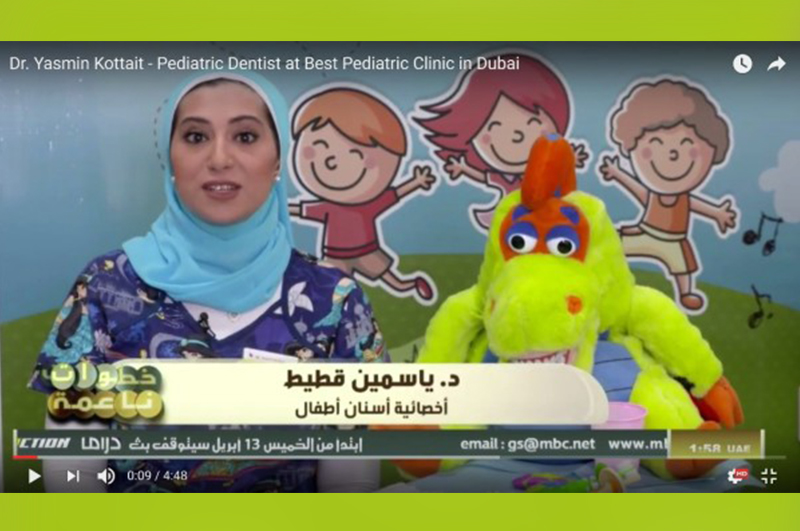
At myPediaClinic in Dubai Healthcare City, Dr. Yasmin Kottait, our specialist pediatric dentist, provides expert guidance to Dubai families on every aspect of infant oral care. From caring for gums before teeth appear to managing teething discomfort and establishing effective cleaning routines, comprehensive baby teeth handling ensures your child’s smile stays healthy through infancy and beyond.
Understanding Baby Teeth Development
Knowing what to expect as your baby’s teeth emerge helps you provide appropriate care at each developmental stage.
When Do Baby Teeth Appear?
Most babies get their first tooth around 6 months of age, though considerable variation is normal. Some infants are born with teeth (natal teeth), while others don’t see their first tooth until after their first birthday. Both early and late tooth emergence are usually within normal developmental ranges.
The typical sequence involves lower central incisors (bottom front teeth) appearing first around 6 months, followed by upper central incisors around 8 months, lateral incisors (teeth beside the front ones) between 9-13 months, first molars around 13-19 months, canines (pointed teeth) around 16-23 months, and second molars around 23-33 months. By age 3, most children have all 20 primary (baby) teeth.
Why Baby Teeth Matter
Some parents question whether baby teeth really need careful attention since they’re temporary. However, primary teeth serve critical functions that significantly impact your child’s development and future dental health.
Baby teeth maintain proper spacing for permanent teeth developing underneath. Premature loss of baby teeth due to decay can cause spacing problems affecting permanent tooth alignment. They enable proper speech development—certain sounds require teeth for correct pronunciation. They allow adequate nutrition through effective chewing, supporting overall growth and development. They contribute to facial development and appearance. Additionally, cavities in baby teeth can damage developing permanent teeth beneath them, and dental infections from baby teeth can cause pain and serious health problems.
At myPediaClinic in Dubai, Dr. Yasmin Kottait emphasizes that baby teeth absolutely deserve the same care as permanent teeth.
Caring for Gums Before Teeth Appear
Oral care should begin even before the first tooth emerges.
Why Clean Gums?
Cleaning gums before teeth appear removes bacteria and milk residue, establishes oral care as part of the normal routine before resistance develops, familiarizes babies with having their mouths cleaned, and helps you develop the habit of daily oral care.
How to Clean Infant Gums
After feedings, wrap a clean, damp, soft cloth or gauze around your finger and gently wipe your baby’s gums, inner cheeks, and tongue. Use gentle motions without applying excessive pressure. This process takes just a minute or two and helps maintain oral cleanliness.
Make gum cleaning a pleasant experience by talking or singing to your baby, keeping your touch gentle and soothing, and completing it efficiently without prolonging the activity unnecessarily. Some babies tolerate gum cleaning better after baths when they’re relaxed.
Caring for Baby’s First Teeth
Once teeth begin appearing, oral care advances to actual tooth brushing.
When to Start Brushing
Begin brushing as soon as the first tooth appears. Even a single tooth needs cleaning to prevent early childhood cavities. Don’t wait until multiple teeth emerge—start oral care immediately with that first tooth.
Choosing the Right Toothbrush
Select infant toothbrushes specifically designed for babies with very small brush heads sized for tiny mouths, extra-soft bristles that clean gently without irritating sensitive gums, easy-to-grip handles for parental control, and BPA-free, baby-safe materials. Replace infant toothbrushes every 3-4 months or when bristles become frayed.
Some parents successfully use silicone finger brushes that slip over your fingertip, providing excellent control and gentleness for very young infants. At myPediaClinic in Dubai Healthcare City, Dr. Yasmin Kottait can recommend specific infant toothbrush brands suitable for Dubai babies.
Toothpaste for Babies
Use fluoride toothpaste from the moment the first tooth appears. Fluoride strengthens developing tooth enamel and prevents cavities, making it essential even for infants. For babies and children under age 3, use only a rice grain-sized smear of toothpaste—this tiny amount provides cavity protection while minimizing risks if swallowed.
Dubai’s desalinated water contains minimal natural fluoride, making fluoride toothpaste particularly important for babies in the UAE. Choose toothpaste with appropriate fluoride concentration (typically 1000 ppm) and baby-safe ingredients. Dr. Kottait at myPediaClinic can assess whether your baby needs fluoride supplements beyond toothpaste based on cavity risk factors.
Proper Brushing Technique for Infants
Position your baby comfortably—sitting on your lap facing away, lying across your lap with their head tilted back, or cradled in your arm all work well. Use gentle, small circular motions to clean all tooth surfaces—front, back, and tops if molars are present. Pay special attention to the gumline where teeth meet gums, where plaque accumulates.
Brush twice daily—once in the morning and once before bedtime. Even with just a few teeth, establish this twice-daily pattern creating habits that continue throughout childhood. Be gentle but thorough, ensuring all tooth surfaces get cleaned.
Managing Teething Discomfort
Teething causes varying degrees of discomfort as teeth push through gums.
Signs of Teething
Common teething symptoms include increased drooling, gnawing or chewing on objects, irritability or fussiness, mild gum swelling or tenderness, slight temperature elevation (though high fever is not caused by teething alone), disrupted sleep patterns, and decreased appetite or changes in feeding patterns.
Safe Teething Relief
Help soothe teething discomfort through clean, chilled (not frozen) teething rings that babies can gnaw on, gently massaging swollen gums with a clean finger, offering cold, wet washcloths for babies to chew, and providing appropriate pain relief medication as recommended by your pediatrician.
At myPediaClinic in Dubai, our pediatricians can provide guidance on safe teething pain management, including appropriate medication dosing when necessary.
What to Avoid
Don’t use teething tablets or gels containing benzocaine, which can cause serious side effects. Avoid amber teething necklaces, which pose choking and strangulation risks. Never apply alcohol to gums, freeze teething rings solid (which can damage gums), or give babies frozen foods that could cause choking.
Preventing Early Childhood Cavities
Early childhood cavities, sometimes called “baby bottle tooth decay,” are surprisingly common but largely preventable.
Understanding the Risk
Cavities develop when bacteria in the mouth feed on sugars from milk, formula, juice, or food, producing acid that erodes tooth enamel. Baby teeth are particularly vulnerable because their enamel is thinner than permanent teeth. Prolonged exposure to sugary liquids, especially from bottles or sippy cups, dramatically increases cavity risk.
Bottle-Feeding Practices
Never put babies to bed with bottles containing milk, formula, juice, or any liquid other than water. During sleep, saliva flow decreases, allowing sugary liquids to pool around teeth for extended periods, creating ideal conditions for cavity development.
Avoid using bottles as pacifiers between feedings. Encourage drinking from bottles at specific feeding times rather than continuous sipping throughout the day. Transition babies from bottles to cups by 12-18 months.
Breastfeeding Considerations
While breastfeeding provides numerous health benefits, breast milk contains natural sugars that can contribute to cavities with prolonged contact. After breastfeeding sessions, wipe your baby’s gums and teeth with a clean, damp cloth, or brush teeth if your baby has several teeth. As babies get older and eat regular meals, avoid all-night feeding sessions where breast milk pools around teeth.
Introduction of Solid Foods
As babies begin eating solid foods around 6 months, choose tooth-friendly options. Avoid frequent sugary snacks, sweet beverages, or sticky foods that cling to teeth. Serve water with meals and snacks rather than juice. In Dubai’s hot climate, keep babies hydrated with water rather than sweet drinks.
First Dental Visit Timing
Professional dental care should begin in infancy.
When to Schedule
The American Academy of Pediatric Dentistry and international dental organizations recommend scheduling your baby’s first dental visit by their first birthday or within six months after the first tooth erupts, whichever comes first. This timing allows early assessment of dental development, identification of potential problems, parent education about proper infant oral care, and establishment of a dental home.
What Happens at Infant Dental Visits
At myPediaClinic in Dubai Healthcare City, Dr. Yasmin Kottait conducts gentle examinations of your baby’s teeth, gums, and oral development. She assesses for early signs of cavities or developmental concerns, provides personalized guidance on brushing technique and fluoride needs, discusses feeding practices and their impact on dental health, and answers parents’ questions about infant oral care.
First visits are typically brief and focused on familiarization rather than extensive procedures. Your baby may sit on your lap during the examination, creating security and comfort. These positive early experiences prevent dental anxiety and establish foundations for lifelong dental health.
Common Baby Teeth Concerns
Understanding typical issues helps parents know when to seek professional guidance.
Delayed Tooth Emergence
If your baby hasn’t gotten any teeth by 13-15 months, consult Dr. Yasmin Kottait at myPediaClinic. While delayed eruption is usually normal variation, occasionally it indicates underlying conditions requiring evaluation.
Discolored Baby Teeth
Baby teeth can become discolored from inadequate brushing leaving plaque or stains, certain medications, dental trauma or injury, or excessive fluoride (rare with proper dosing). If you notice discoloration, schedule a dental examination to determine the cause and appropriate treatment.
Natal or Neonatal Teeth
Some babies are born with teeth (natal teeth) or develop teeth in the first month of life (neonatal teeth). These should be evaluated by a pediatric dentist to ensure they’re not causing feeding difficulties or creating injury risks to the baby’s tongue.
Tooth Injuries
As babies become mobile, dental injuries from falls are common. If your baby chips, breaks, or knocks out a tooth, contact myPediaClinic immediately for guidance. Even seemingly minor injuries should be evaluated to ensure no damage to developing permanent teeth underneath.
White Spots on Teeth
White spots can indicate early cavity formation (demineralization) or fluorosis from excessive fluoride exposure. Either way, they warrant dental evaluation at myPediaClinic where Dr. Kottait can determine the cause and recommend treatment.
Dubai-Specific Considerations for Baby Teeth
Caring for baby teeth in Dubai involves unique factors specific to the UAE environment.
Fluoride and Dubai Water
Dubai’s desalinated water supply contains minimal natural fluoride compared to many cities worldwide where water fluoridation provides cavity protection. This makes fluoride toothpaste and possibly fluoride supplements particularly important for Dubai babies. At myPediaClinic, Dr. Yasmin Kottait assesses each baby’s fluoride needs based on cavity risk, diet, and water source.
Climate and Hydration
Dubai’s hot climate means babies need frequent fluids. Always offer water as the primary beverage, avoiding sugary drinks or juice in bottles. Breast milk or formula provides adequate hydration for young babies, with water supplementation as solid foods are introduced.
International Products
Dubai’s international retail environment offers baby oral care products from many countries. While variety is excellent, ensure products meet safety standards and contain appropriate fluoride levels. Dr. Kottait can recommend specific products suitable for Dubai babies.
Cultural Feeding Practices
Dubai’s diverse community includes varying cultural approaches to infant feeding. MyPediaClinic respects this diversity while providing evidence-based guidance on feeding practices that support optimal dental health.
Establishing Healthy Habits Early
The habits established during infancy set the stage for lifelong oral health.
Make Oral Care Routine
Incorporate tooth brushing into daily routines from the very first tooth. When oral care becomes as automatic as diaper changes or baths, it’s simply “what we do” rather than a negotiable activity.
Stay Positive
Make brushing sessions pleasant through gentle touch, soothing or playful voice, songs or games making it enjoyable, and calm efficiency without dragging it out unnecessarily. Babies sense and respond to your attitude—approaching oral care positively creates positive associations.
Model Good Behavior
Even very young babies observe and learn from what they see. Let your baby watch you brush your teeth, demonstrating that everyone does it. As they get older, brush together as a family activity.
Regular Dental Visits
Maintain regular checkups every six months starting from that first visit by age one. Consistent professional care monitors development, catches problems early, and reinforces good home care habits.
Frequently Asked Questions About Handling Baby Teeth
When should I start cleaning my baby’s teeth?
Begin oral care even before teeth appear by gently wiping your baby’s gums with a clean, damp cloth after feedings. Once the first tooth erupts—typically around 6 months but varying considerably—start brushing immediately with an infant toothbrush and rice grain-sized smear of fluoride toothpaste. Don’t wait for multiple teeth to appear; that single first tooth needs cleaning to prevent cavities. Early oral care establishes routines before resistance develops and familiarizes babies with having their mouths cleaned. At myPediaClinic in Dubai Healthcare City, Dr. Yasmin Kottait demonstrates proper infant tooth brushing techniques during early dental visits, ensuring parents feel confident caring for their baby’s emerging teeth from the very beginning.
Should I use toothpaste for my baby’s teeth?
Yes, use fluoride toothpaste from the moment the first tooth appears. Fluoride strengthens developing tooth enamel and prevents cavities, making it essential even for infants. For babies and children under age 3, use only a rice grain-sized smear—this tiny amount provides cavity protection while minimizing risks if swallowed. Dubai’s desalinated water contains minimal natural fluoride, making fluoride toothpaste particularly important for babies in the UAE. Choose toothpaste with appropriate fluoride concentration (typically 1000 ppm) and baby-safe ingredients. The very small amount recommended is safe for babies who haven’t yet learned to spit. At myPediaClinic in Dubai, Dr. Yasmin Kottait can recommend specific baby toothpaste brands appropriate for infants and discuss whether fluoride supplements might benefit your baby based on cavity risk factors and water source.
How do I brush my baby’s teeth if they resist?
Baby resistance to tooth brushing is common as they become more aware and opinionated. Stay calm and patient while maintaining consistency. Make it playful by singing songs, making funny faces, or creating games. Keep sessions brief and efficient—thorough but quick brushing minimizes resistance opportunity. Try different positions to see what your baby tolerates best—sitting on your lap, lying on a bed with you above them, or cradled in your arm. Let them hold a second toothbrush to keep their hands occupied. Brush at times when your baby is generally happy and well-rested rather than cranky or tired. If significant resistance persists, consult Dr. Yasmin Kottait at myPediaClinic in Dubai Healthcare City for strategies tailored to your baby’s temperament. Some gentle physical assistance may be necessary to clean teeth adequately despite protests—dental health is non-negotiable even when babies resist.
Is it okay to let my baby fall asleep with a bottle?
No, never put babies to bed with bottles containing milk, formula, juice, or any liquid other than water. During sleep, saliva flow decreases significantly, allowing sugary liquids to pool around teeth for extended periods. This prolonged exposure creates ideal conditions for cavity development, often causing severe early childhood cavities called “baby bottle tooth decay.” These cavities can affect multiple teeth, require extensive treatment, and cause significant pain. If your baby needs comfort to fall asleep, use a pacifier rather than a bottle, or offer a bottle with only water. Complete feedings before putting your baby down to sleep, then wipe gums and brush teeth as appropriate. At myPediaClinic in Dubai, Dr. Yasmin Kottait frequently treats preventable baby bottle cavities and emphasizes the importance of proper feeding practices for protecting infant dental health.
When should my baby have their first dental visit?
Schedule your baby’s first dental visit by their first birthday or within six months after the first tooth erupts, whichever comes first. This early timing, recommended by pediatric dental organizations worldwide, allows Dr. Yasmin Kottait at myPediaClinic in Dubai Healthcare City to assess dental development, identify potential problems early, provide parent education about proper infant oral care, and establish a dental home where you can seek guidance for oral health concerns. First visits are gentle, brief, and focused on familiarization. Your baby will likely sit on your lap during the examination, creating security and comfort. These positive early experiences prevent dental anxiety and establish foundations for lifelong oral health. Don’t delay until problems develop—preventive care starting in infancy protects your baby’s teeth most effectively. Contact myPediaClinic at +971-4-430-5926 to schedule your baby’s first dental appointment.
What if my baby’s teeth look yellow or stained?
Some yellowing or staining on baby teeth can result from inadequate brushing leaving plaque buildup, certain medications like iron supplements that can stain teeth, foods or beverages causing superficial staining, or rarely, developmental enamel defects. Improve brushing thoroughness, ensuring all tooth surfaces get cleaned twice daily. If staining persists despite good oral hygiene, schedule a dental examination at myPediaClinic in Dubai Healthcare City so Dr. Yasmin Kottait can assess whether the discoloration is superficial and cleanable, indicates a cavity requiring treatment, or represents a developmental issue needing monitoring. She can professionally clean teeth if needed and provide specific guidance for maintaining your baby’s tooth color and health. Most baby tooth discoloration is benign and responds to improved home care, but professional evaluation ensures no underlying problems exist.
Do I need to floss my baby’s teeth?
Most babies don’t require flossing until teeth touch each other with no gap between them, which often doesn’t occur until later in toddlerhood around age 2-3. Baby teeth typically have spaces between them initially, allowing toothbrushes to clean between teeth adequately. Once any two teeth touch, begin flossing those specific areas to remove plaque and food particles that toothbrushes can’t reach. Use gentle technique to avoid injuring delicate gums. Floss picks or holders designed for children are easier to maneuver in small mouths than traditional string floss. At myPediaClinic in Dubai, Dr. Yasmin Kottait can assess whether your baby’s teeth require flossing based on spacing and demonstrate proper technique during dental visits. For most babies, thorough brushing twice daily with fluoride toothpaste provides adequate oral care until teeth touch and flossing becomes necessary.
What should I do if my baby chips or knocks out a tooth?
Dental injuries are common as babies become mobile and experience falls. If your baby chips, breaks, or knocks out a tooth, contact myPediaClinic immediately at +971-4-430-5926 for guidance. Even seemingly minor injuries should be evaluated to ensure no damage to developing permanent teeth underneath baby teeth. For knocked-out baby teeth, don’t attempt to replant them, as this can damage the permanent tooth bud beneath. Rinse your baby’s mouth gently with water, apply clean gauze to any bleeding areas, and use a cold compress to reduce swelling. For broken or chipped teeth, save any tooth fragments if possible and bring them to the dental appointment. Dr. Yasmin Kottait will examine the injury, take X-rays if needed to assess underlying structures, and provide appropriate treatment. Quick professional evaluation after dental injuries prevents complications and ensures optimal outcomes.
How do I know if my baby’s teeth are developing normally?
Tooth development varies widely among babies, with normal ranges spanning several months for each developmental milestone. Most babies get their first tooth around 6 months, but anywhere from 3-14 months is within normal limits. Teeth typically emerge in a predictable sequence, but exact timing varies. Signs of normal development include teeth appearing roughly symmetrically (both lower central incisors around the same time, both upper central incisors together, etc.), gradual progression with new teeth emerging every few months, and teeth that are white or slightly off-white in color. If your baby shows no teeth by 13-15 months, if teeth emerge in very unusual sequences, if teeth are severely discolored, or if significant delays occur between tooth appearances, schedule an evaluation at myPediaClinic in Dubai Healthcare City. Dr. Yasmin Kottait can assess whether development is within normal variation or indicates issues requiring intervention.
Can teething cause fever or diarrhea?
While teething commonly causes mild symptoms like increased drooling, irritability, and desire to chew, it does not cause high fever, severe diarrhea, or significant illness. Slight temperature elevation (up to about 100.4°F or 38°C) can occur, but fever above this indicates illness unrelated to teething. Similarly, while some mild digestive changes may coincide with teething, significant diarrhea suggests an illness requiring medical attention. If your baby has high fever, severe diarrhea, or other concerning symptoms during teething periods, don’t attribute these to teething alone—consult your pediatrician at myPediaClinic to rule out actual illness. The teething timeline often overlaps with when babies begin exploring environments and putting objects in mouths, increasing exposure to germs that can cause illness coinciding with but not caused by teething.
What if my baby was born with teeth or gets teeth very early?
Some babies are born with teeth (natal teeth) or develop them in the first month (neonatal teeth). While unusual, this occurs in about 1 in 2,000-3,000 births and is usually normal variation. However, natal and neonatal teeth should be evaluated by a pediatric dentist to ensure they’re firmly attached and not causing feeding difficulties or creating risks of aspiration if loosened. Sometimes these early teeth are extra teeth that will fall out with normal baby teeth erupting later; other times they’re early-arriving regular baby teeth. They may have poorly developed roots making them loose. At myPediaClinic in Dubai Healthcare City, Dr. Yasmin Kottait can examine natal or neonatal teeth, assess whether removal is necessary (rare), and provide guidance on caring for these early arrivals. In most cases, they’re maintained and cared for like normally-timed baby teeth.
How can I prevent cavities in my baby’s teeth?
Preventing cavities involves multiple strategies working together. Brush your baby’s teeth twice daily with fluoride toothpaste from the moment the first tooth appears. Never put babies to bed with bottles containing milk, formula, or juice—only water is safe for sleep. Avoid frequent sweet snacks or drinks between meals; if offering juice, limit to 4 oz daily with meals only, diluted with water. Ensure adequate fluoride through toothpaste and possibly supplements or professional treatments if your baby has high cavity risk. In Dubai, where water contains minimal fluoride, discuss fluoride needs with Dr. Yasmin Kottait at myPediaClinic. Wipe gums and teeth after breastfeeding, especially if your baby feeds throughout the night. Schedule regular dental checkups every six months starting by age one. Limit pacifier use and avoid dipping pacifiers in sweet substances. These preventive measures dramatically reduce cavity risk and protect your baby’s developing teeth.
What’s the difference between a pediatric dentist and a general dentist for babies?
Pediatric dentists like Dr. Yasmin Kottait at myPediaClinic complete additional years of specialized training beyond general dental school, focusing exclusively on children’s dental needs from infancy through adolescence. This specialization includes expertise in infant and child dental development, behavior management techniques for young children, specialized equipment sized for tiny mouths, child psychology and communication approaches, and treatment of dental conditions specific to children. Pediatric dental practices create child-centered environments that feel welcoming rather than intimidating. For babies and young children, seeing a pediatric dentist ensures care from a specialist who understands developmental stages, communicates age-appropriately, and provides gentle, appropriate treatment. At myPediaClinic in Dubai Healthcare City, our exclusive pediatric focus means every aspect of care—from scheduling to treatment approaches—is optimized for young patients’ unique needs.
Where can I find expert baby dental care in Dubai?
MyPediaClinic in Dubai Healthcare City provides specialized baby dental care from Dr. Yasmin Kottait, a specialist pediatric dentist with extensive training in infant oral health. Located at Al Razi Building No 64, Block B, First Floor, Unit 1011, Dubai Healthcare City, we offer comprehensive dental services for babies including gentle examinations, parent education on home care, fluoride assessments and treatments, cavity prevention and treatment, and guidance on feeding practices. Our child-centered environment makes early dental visits positive experiences establishing lifelong comfort with dental care. Dr. Kottait understands infant development and provides care that’s both effective and age-appropriate. Contact us at +971-4-430-5926 or email info@mypediaclinic.com to schedule your baby’s first dental appointment. We’re committed to helping Dubai families establish excellent oral health habits from the very beginning when foundations for lifelong dental health are established.
At myPediaClinic in Dubai Healthcare City, we’re dedicated to providing expert guidance and gentle care for your baby’s emerging teeth. Dr. Yasmin Kottait and our team support Dubai families through every stage of infant dental development, ensuring healthy smiles from the very first tooth.