

Baby Acid Reflux: Symptoms, Causes & When to See a Doctor
Every new parent knows the drill: feed the baby, burp the baby, and then… watch helplessly as half the feeding comes back up. If you’re going through multiple outfit changes a day (yours and baby’s), you’re probably wondering: is this normal spit-up, or does my baby have acid reflux?
Here’s the truth: most babies spit up. It’s so common that pediatricians call it a “laundry problem, not a medical problem.” But for some babies, the spit-up is frequent, painful, and affecting their growth. That’s when we’re dealing with something more serious—infant acid reflux or GERD.
As pediatricians at myPediaClinic in Dubai, we see worried parents every day asking the same questions. This guide will help you understand exactly what’s happening, when to worry, and what treatments actually work.
What Is Infant Acid Reflux?
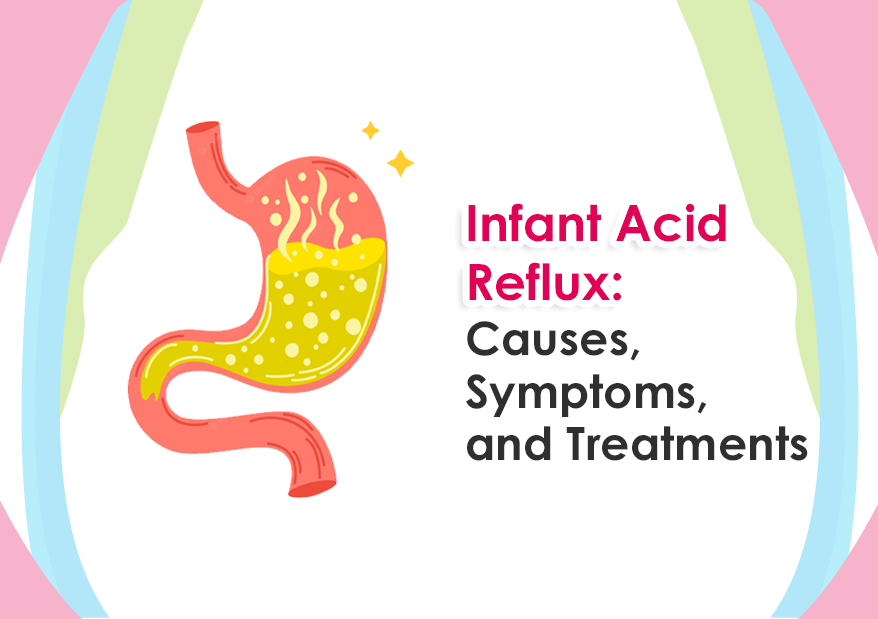
Infant acid reflux (also called gastroesophageal reflux or GER) happens when stomach contents flow back up into your baby’s esophagus—the tube connecting the mouth to the stomach.
Think of it like this: at the bottom of the esophagus, there’s a ring of muscle called the lower esophageal sphincter (LES). In adults, this muscle stays tightly closed except when swallowing. But in babies, this muscle is still developing and doesn’t always close properly.
The result? Milk and stomach acid can splash back up, causing spit-up, discomfort, or in some cases, serious feeding problems.
GER vs. GERD: What’s the Difference?
Doctors use two different terms, and the distinction matters:
- GER (Gastroesophageal Reflux): Normal, uncomplicated reflux. Baby spits up but is otherwise happy, feeding well, and gaining weight. This is what most babies have.
- GERD (Gastroesophageal Reflux Disease): Reflux that causes complications—poor weight gain, feeding refusal, breathing problems, or signs of pain. This requires medical attention.
The key question isn’t “does my baby spit up?” It’s “is the reflux causing problems?”
How Common Is Acid Reflux in Babies?
Very common. Here are the numbers:
- 50% of babies under 3 months spit up at least once daily
- 67% of 4-month-olds experience regular reflux
- Peak age for reflux is around 4 months
- By 12-18 months, most babies outgrow it completely
- Only 1-5% of infants have GERD severe enough to need treatment
So if your baby is spitting up, they’re in the majority. The question is whether it’s the harmless kind or something that needs intervention.
What Causes Acid Reflux in Babies?
Several factors make babies prone to reflux:
1. Immature Digestive System
Your baby’s digestive system is still developing. The LES muscle that prevents backflow is weak and doesn’t always close properly. This improves naturally as babies grow.
2. Liquid Diet
Babies consume only liquids, which are easier to regurgitate than solid foods. Once your baby starts solids around 6 months, reflux often improves.
3. Lying Flat
Babies spend most of their time lying down, which makes it easier for stomach contents to flow backward. Gravity isn’t helping.
4. Small Stomach Size
A newborn’s stomach is tiny—about the size of a cherry at birth, growing to the size of an egg by one month. It fills up quickly and can easily overflow.
5. Frequent Feeding
Babies eat frequently, which means their stomachs are often full. More opportunities for reflux.
Medical Conditions That Can Worsen Reflux
Some babies have underlying conditions that make reflux worse:
- Cow’s milk protein allergy (CMPA) – affects up to 7% of formula-fed babies
- Food sensitivities through breast milk
- Hiatal hernia – rare in infants but possible
- Neurological conditions affecting muscle tone
- Premature birth – preemies have less developed digestive systems
Symptoms of Baby Acid Reflux
Here’s what to look for:
Common Symptoms (Usually Normal GER)
- Spitting up during or after feeds
- Occasional fussiness during feeding
- Hiccups after eating
- Wet burps
- Milk coming out of nose during spit-up
Important: If your baby is doing all of this but still happy, feeding well, and gaining weight—it’s likely normal reflux that will resolve on its own.
Warning Signs of GERD (See a Doctor)
- Poor weight gain or weight loss
- Refusing to feed or eating very little
- Arching back during or after feeds
- Persistent crying during feeds
- Choking or gagging frequently
- Green or yellow vomit (not milk)
- Blood in vomit or stool
- Projectile vomiting (forceful, shooting across the room)
- Chronic cough or wheezing
- Difficulty breathing
- Starting after 6 months of age (late-onset reflux is unusual)
If you notice any of these warning signs, contact your pediatrician in Dubai promptly.
What Is Silent Reflux in Babies?
Silent reflux (laryngopharyngeal reflux) is when stomach contents come up but your baby swallows them back down instead of spitting them out. There’s no visible spit-up, but the acid still irritates the throat and esophagus.
Signs of Silent Reflux
- Frequent swallowing or gulping
- Chronic congestion or “wet” breathing sounds
- Hoarse cry
- Chronic cough, especially at night
- Feeding difficulties without visible spit-up
- Arching and crying during feeds
- Poor sleep
Silent reflux can be harder to diagnose because there’s no obvious spit-up. But it can be just as uncomfortable for your baby.
How Is Infant Acid Reflux Diagnosed?
In most cases, your pediatrician can diagnose reflux based on your description of symptoms and a physical examination. No tests are needed for typical reflux.
When Tests Might Be Needed
If symptoms are severe or don’t improve with treatment, your doctor might recommend:
- Upper GI series (barium swallow): X-rays after baby drinks a special liquid to check for structural problems
- pH probe monitoring: A thin tube measures acid levels in the esophagus over 24 hours
- Endoscopy: A tiny camera examines the esophagus and stomach (rare in infants)
- Allergy testing: If milk protein allergy is suspected
Most babies with reflux never need these tests.
Home Remedies for Baby Acid Reflux
Before reaching for medication, try these evidence-based strategies:
1. Feeding Adjustments
Feed smaller amounts more frequently. Instead of large feeds every 3-4 hours, try smaller feeds every 2-2.5 hours. A less full stomach is less likely to overflow.
Burp frequently. Burp your baby after every 1-2 ounces (or after switching breasts). Trapped air takes up space and can push milk back up.
Keep baby upright during and after feeds. Hold your baby at a 30-45 degree angle while feeding, and keep them upright for 20-30 minutes afterward.
Check the bottle nipple flow. If milk flows too fast, baby may gulp air. If too slow, baby may suck harder and swallow air. The right flow means a few drops per second when held upside down.
2. Positioning
Elevate the head of the crib. Place a towel or wedge under the mattress (not under baby’s head) to create a slight incline. This uses gravity to keep stomach contents down.
Avoid car seats for sleeping. The scrunched position can actually worsen reflux. Car seats are for cars, not naps.
Tummy time when awake. When baby is awake and supervised, tummy time can help with digestion and strengthen muscles.
3. For Breastfeeding Mothers
Some babies are sensitive to foods in mom’s diet. Consider eliminating:
- Dairy products
- Caffeine
- Spicy foods
- Citrus
- Tomatoes
Eliminate one food at a time for 2 weeks to see if symptoms improve. Work with a pediatric nutritionist if you need guidance.
4. For Formula-Fed Babies
Consider a hydrolyzed formula. If cow’s milk protein allergy is suspected, your pediatrician might recommend a hypoallergenic formula where proteins are broken down.
Don’t switch formulas randomly. Talk to your doctor before changing. Frequent formula switching can actually worsen digestive issues.
5. Thickening Feeds
Adding rice cereal to formula (1 tablespoon per ounce) can reduce visible spit-up. However, this is controversial—some studies show it helps, others don’t. Never add cereal to breast milk or use it without your doctor’s guidance.
Special anti-reflux (AR) formulas are pre-thickened and may help some babies.
Medical Treatment for Infant Acid Reflux
If home remedies don’t work and your baby has GERD symptoms, your pediatrician may recommend medication:
H2 Blockers (Ranitidine, Famotidine)
These medications reduce stomach acid production. They don’t stop reflux but make the refluxed contents less acidic and irritating.
Proton Pump Inhibitors (PPIs)
Medications like omeprazole or lansoprazole are stronger acid reducers. They’re reserved for babies with confirmed GERD who haven’t responded to other treatments.
Important Notes on Medications
- Medication does not reduce spit-up—it only reduces acid
- Studies show PPIs are not more effective than placebo for typical infant fussiness and spit-up
- Overuse of acid-reducing medications may increase risk of infections and nutrient deficiencies
- Medications should be used only when there’s confirmed GERD with complications
The trend in pediatric medicine is moving away from routine medication for reflux, as most babies improve with time and positioning changes alone.
When Does Baby Reflux Go Away?
Here’s the good news: infant reflux is almost always temporary.
- 4 months: Reflux typically peaks
- 6-7 months: Starting solids and sitting up helps significantly
- 12 months: Most babies have outgrown reflux
- 18 months: Nearly all healthy babies are reflux-free
The LES muscle matures, baby starts eating solids and sitting upright, and the problem resolves naturally.
When to Call Your Pediatrician
Call your pediatrician in Dubai if your baby:
- Is not gaining weight or is losing weight
- Refuses to feed or eats very little
- Has blood in vomit or stool
- Has green or yellow vomit
- Has projectile vomiting (forceful)
- Seems in pain during or after feeds
- Has breathing difficulties
- Is extremely irritable and inconsolable
- Shows signs of dehydration (dry mouth, no tears, fewer wet diapers)
- Develops reflux symptoms after 6 months of age
Tips for Coping with a Reflux Baby
Living with a reflux baby is exhausting. Here are some survival tips:
- Stock up on bibs and burp cloths. Lots of them.
- Keep spare clothes everywhere—in the diaper bag, car, and every room.
- Use waterproof mattress protectors. Save yourself the laundry.
- Ask for help. Reflux babies need extra care, and caregivers need breaks.
- Remember it’s temporary. This phase will end.
- Trust your instincts. If you feel something is wrong, see your doctor.
Acid Reflux vs. Milk Allergy: How to Tell the Difference
Cow’s milk protein allergy (CMPA) can look a lot like reflux. Here’s how to tell them apart:
| Symptom | Reflux | Milk Allergy |
|---|---|---|
| Spit-up | Yes | Yes |
| Skin rash/eczema | No | Often yes |
| Blood in stool | Rare | Possible |
| Diarrhea | No | Often yes |
| Improves with acid medication | Sometimes | No |
| Improves with hypoallergenic formula | No | Yes |
If your baby has reflux symptoms plus skin issues or bloody stool, milk allergy should be considered. Your pediatrician can help determine the cause.
Frequently Asked Questions About Baby Acid Reflux
Is it normal for babies to spit up after every feeding?
Yes, spitting up after most or all feedings is common in the first few months. As long as your baby is happy, feeding well, and gaining weight, this is normal GER and not a cause for concern. Most babies outgrow it by 12 months.
How do I know if my baby’s reflux is serious?
Reflux becomes concerning when it affects your baby’s health—poor weight gain, feeding refusal, persistent crying during feeds, breathing problems, or blood in vomit. These signs suggest GERD rather than simple reflux and require medical evaluation.
Should I let my baby sleep on their stomach to help reflux?
No. Despite reflux, babies should always sleep on their backs to reduce SIDS risk. You can elevate the head of the mattress slightly, but never place baby on their stomach to sleep. Supervised tummy time while awake is fine.
Does breastfeeding cause more reflux than formula?
No, breastfed babies actually tend to have less severe reflux because breast milk is digested faster than formula. However, reflux can occur with either feeding method. Don’t switch from breastfeeding to formula hoping to reduce reflux.
Can I give my baby gripe water for reflux?
There’s no scientific evidence that gripe water helps reflux. Some gripe water products contain alcohol or sodium bicarbonate, which are not safe for babies. Discuss any supplements with your pediatrician before use.
How long should I keep my baby upright after feeding?
Keep your baby upright for 20-30 minutes after each feeding. You can hold them against your shoulder, in a baby carrier, or in a bouncy seat (supervised). Avoid laying them flat immediately after eating.
Will thickening my baby’s formula with cereal help?
Thickening formula may reduce visible spit-up but doesn’t actually reduce reflux episodes. It adds calories (which can help underweight babies) but should only be done under your doctor’s guidance. Never add cereal to breast milk.
Can reflux cause my baby to choke?
Healthy babies have protective reflexes that prevent choking from reflux. However, if your baby frequently chokes, gags, or has breathing difficulties during or after feeds, see your pediatrician to rule out other issues.
Is silent reflux worse than regular reflux?
Silent reflux isn’t necessarily worse, but it can be harder to identify because there’s no visible spit-up. The acid still irritates the throat and esophagus. If your baby shows discomfort during feeds without spitting up, mention this to your doctor.
When should I try medication for my baby’s reflux?
Medication is typically recommended only when lifestyle changes haven’t worked AND your baby has confirmed GERD with complications like poor weight gain or feeding refusal. Most babies with simple reflux don’t need medication.
Can reflux cause sleep problems in babies?
Yes, reflux can disrupt sleep because lying flat allows stomach contents to flow back up more easily. Elevating the head of the mattress and feeding well before bedtime can help. Avoid feeding right before laying baby down.
My baby arches their back during feeds—is this reflux?
Back arching during or after feeds is a common sign of reflux discomfort. The baby is trying to stretch their esophagus to relieve the burning sensation. This is a sign to discuss with your pediatrician.
Does pacifier use help or worsen reflux?
Some studies suggest pacifier use may actually help reflux by stimulating saliva production, which neutralizes acid. If your baby takes a pacifier, it’s generally fine to continue using it.
Can I prevent reflux in my newborn?
You can’t completely prevent reflux because it’s caused by an immature digestive system. However, smaller frequent feeds, proper burping, and keeping baby upright after feeds can minimize symptoms.
Should I change formulas if my baby has reflux?
Don’t switch formulas without your doctor’s advice. If cow’s milk protein allergy is suspected, your pediatrician may recommend a hydrolyzed formula. Random formula switching can worsen digestive issues rather than help.
How do I know if my baby has a milk allergy versus reflux?
Milk allergy often includes additional symptoms like skin rashes, eczema, bloody stool, or diarrhea—signs you won’t see with simple reflux. If reflux symptoms don’t improve with standard treatment, milk allergy should be investigated.
At what age do babies outgrow reflux?
Most babies outgrow reflux between 12-18 months as their digestive system matures, they start eating solid foods, and they spend more time upright. Reflux that persists beyond 18 months or starts after 6 months should be evaluated.
Can reflux cause ear infections?
There’s some evidence that severe reflux may contribute to ear infections if stomach contents reach the throat and back of the nose. However, most babies with reflux don’t have increased ear infection risk.
Is it safe to use a wedge pillow for my baby’s reflux?
Products marketed as “reflux wedges” or positioners are not recommended due to suffocation risk. Instead, place a towel or folded blanket under the mattress (not under baby) to create a slight incline.
When should I seek emergency care for my baby’s reflux?
Seek immediate medical attention if your baby has blood in vomit, green/yellow vomit, projectile vomiting, signs of dehydration, difficulty breathing, or seems very ill. These could indicate a more serious condition requiring urgent evaluation.
Get Expert Help for Your Baby’s Reflux in Dubai
If you’re concerned about your baby’s reflux, the pediatric team at myPediaClinic is here to help. Our experienced pediatricians can evaluate your baby, rule out underlying conditions, and create a personalized treatment plan.
We understand how stressful it is to watch your baby struggle with feeds. Whether your little one has simple spit-up or needs more advanced treatment, we’re here to support you through this phase.
Book an appointment with our pediatric specialists today.