

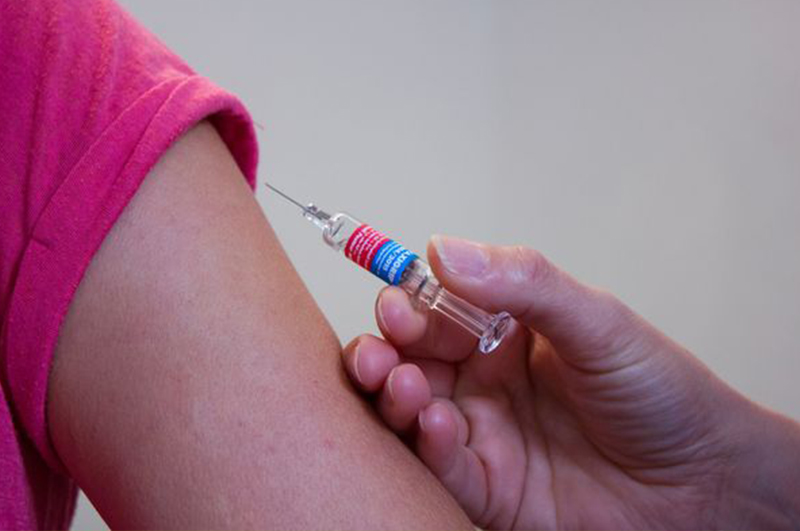
Influenza Vaccine Gives Your Child a Chance to Grow Up Healthy in Dubai
As a parent in Dubai, protecting your child’s health is your top priority. Among the many preventive healthcare measures available, the influenza vaccine stands out as one of the most important yet often misunderstood immunizations. At myPediaClinic in Dubai Healthcare City, we’ve seen countless families benefit from this simple yet powerful preventive measure that helps children thrive throughout the year.
Influenza, commonly known as the flu, is far more serious than many parents realize. While often confused with the common cold, influenza is a potentially dangerous respiratory illness that can lead to severe complications, hospitalizations, and in rare cases, even death. For children, whose immune systems are still developing, the risks are particularly significant. Dr. Medhat Abu-Shaaban, our experienced pediatrician at myPediaClinic, emphasizes that annual influenza vaccination is one of the most effective ways to protect children in Dubai’s unique environment.
Understanding Influenza: More Than Just a Bad Cold
Influenza is a contagious respiratory illness caused by influenza viruses that infect the nose, throat, and sometimes the lungs. Unlike the common cold, which typically causes mild symptoms, influenza often strikes suddenly and can cause moderate to severe illness. The distinction between a cold and influenza is crucial for parents to understand.
Common cold symptoms develop gradually and typically include a runny or stuffy nose, sneezing, and mild fatigue. Influenza, however, hits hard and fast. Children with influenza often experience high fever (usually 100°F or higher), severe body aches, extreme fatigue, dry cough, and sometimes vomiting and diarrhea. These symptoms can last from several days to two weeks, forcing children to miss school and preventing participation in activities they love.
How Influenza Spreads in Dubai’s Environment
Dubai’s unique environmental conditions create specific challenges for influenza transmission. The virus spreads primarily through respiratory droplets when infected individuals cough, sneeze, or talk. These droplets can land in the mouths or noses of people nearby or be inhaled into the lungs. Additionally, touching surfaces contaminated with flu viruses and then touching one’s face can cause infection.
In Dubai’s climate, people spend significant time in air-conditioned environments—schools, shopping malls, indoor play areas, and homes. These enclosed spaces with recirculated air provide ideal conditions for flu virus transmission. Children attending international schools in Dubai come into contact with classmates from around the world, potentially exposing them to different influenza strains. This multicultural environment, while enriching, increases the importance of comprehensive vaccination coverage.
Why Children Are Particularly Vulnerable
Children under five years old, particularly those under two, face higher risks of serious flu-related complications. Their immune systems are still developing and may not respond as effectively to influenza infection as adult immune systems. Young children also tend to have closer physical contact with peers during play, increasing transmission opportunities.
At myPediaClinic, Dr. Yasmin Kottait and our pediatric team frequently see children with influenza-related complications. These can include pneumonia, dehydration, sinus problems, ear infections, and worsening of chronic medical conditions like asthma or heart disease. Children with compromised immune systems or chronic health conditions face even greater risks.
The Influenza Vaccine: Your Child’s Best Protection
The influenza vaccine represents the single most effective method for preventing flu infection and its complications. This safe, extensively tested vaccine has protected millions of children worldwide for decades. Understanding how the vaccine works helps parents appreciate its importance.
How the Flu Vaccine Works
Influenza vaccines work by teaching your child’s immune system to recognize and fight influenza viruses. When your child receives the vaccine, their body is exposed to weakened or inactive flu viruses (depending on the vaccine type) or specific virus proteins. This exposure doesn’t cause illness but triggers the immune system to produce antibodies against influenza.
If your vaccinated child later encounters actual flu viruses, their immune system recognizes these viruses and responds quickly with antibodies, preventing infection or significantly reducing illness severity. This protection is crucial during Dubai’s flu season, which typically peaks during the cooler months from November through March, though influenza can circulate year-round.
Types of Influenza Vaccines Available in Dubai
At myPediaClinic, we offer several influenza vaccine options suitable for different age groups and health conditions. The injectable flu vaccine (flu shot) is the most common and can be given to children as young as six months old. This vaccine contains inactivated (killed) viruses and cannot cause influenza infection.
For children two years and older who don’t have certain health conditions, the nasal spray flu vaccine represents an alternative. This live attenuated vaccine contains weakened viruses that can’t cause influenza illness. Dr. Medhat Abu-Shaaban can help you determine which vaccine type is most appropriate for your child based on their age, health status, and previous vaccine history.
Annual Vaccination: Why It’s Necessary
Many parents ask why their child needs a flu vaccine every year. Two important reasons explain this annual requirement. First, influenza viruses constantly change through mutation and evolution. The flu strains circulating one year may differ significantly from those circulating the next year. Scientists monitor global flu virus trends and update vaccine formulations annually to match circulating strains.
Second, immune protection from influenza vaccination decreases over time. Studies show that flu vaccine-induced immunity wanes throughout the year, making annual vaccination necessary to maintain optimal protection. At myPediaClinic in Dubai, we typically begin offering flu vaccines in September or October, allowing children to develop immunity before peak flu season arrives.
Benefits of Influenza Vaccination for Dubai Families
The advantages of influenza vaccination extend far beyond simply preventing illness. Vaccinating your child creates ripple effects that benefit your entire family and the broader Dubai community.
Protecting Your Child’s Health and Development
Healthy children can attend school regularly, participate in sports and extracurricular activities, and maintain normal social development. Influenza can derail these important aspects of childhood by forcing children to miss a week or more of school, stay home from activities they enjoy, and feel miserable during recovery.
The flu vaccine significantly reduces the likelihood of your child contracting influenza. Even when vaccinated children do get flu (no vaccine is 100% effective), their illness is typically much milder with fewer complications. This means shorter illness duration, less severe symptoms, and lower risk of hospitalization.
For children with chronic health conditions like asthma, diabetes, or heart problems, influenza vaccination is especially critical. These children face higher risks of severe complications if they contract the flu. The vaccine provides crucial protection that can prevent dangerous health crises.
Reducing School Absences and Academic Impact
Dubai’s competitive academic environment means every day of school matters. Influenza-related absences can cause children to fall behind in coursework, miss important lessons, and struggle to catch up after returning to school. Multiply these absences across an entire school year, and the academic impact becomes significant.
By preventing influenza infection, the vaccine helps ensure consistent school attendance. This consistency supports academic achievement, reduces stress for both children and parents, and eliminates the challenge of making up missed work while managing ongoing lessons.
Protecting Vulnerable Family Members
When you vaccinate your child against influenza, you’re not only protecting them—you’re also protecting grandparents, infant siblings, pregnant family members, and anyone with compromised immune systems who might live in or visit your home. Children often serve as vectors for flu transmission, bringing viruses home from school and spreading them to family members.
This concept, known as “herd immunity” or community protection, is particularly important in Dubai’s multigenerational households where grandparents may live with or frequently visit families. Elderly individuals and very young infants (too young for flu vaccination) rely on vaccination of those around them for protection.
Economic Benefits for Families
While preventing illness and protecting health are paramount, the economic benefits of flu vaccination shouldn’t be overlooked. Influenza-related illness creates multiple financial burdens: medical expenses for doctor visits and medications, lost wages when parents must stay home with sick children, and potential costs for makeup lessons or tutoring to help children catch up academically.
The relatively modest cost of annual flu vaccination represents a wise investment that often saves families money while preventing the stress and disruption of childhood illness.
Safety and Side Effects: What Parents Should Know
As a parent, understanding the safety profile of any vaccine your child receives is essential. The influenza vaccine has an excellent safety record backed by decades of research and hundreds of millions of doses administered worldwide.
Common Side Effects
Most children who receive the flu vaccine experience no side effects or only mild, temporary reactions. The injectable flu vaccine commonly causes minor soreness, redness, or swelling at the injection site. These local reactions typically resolve within a day or two and can be managed with cool compresses and age-appropriate pain relievers if needed.
Some children experience mild systemic symptoms including low-grade fever, mild body aches, or fatigue for a day or two after vaccination. These symptoms are actually signs that your child’s immune system is responding to the vaccine and building protection. They’re far milder than actual influenza symptoms and resolve quickly.
The nasal spray flu vaccine may cause mild symptoms including runny nose, headache, sore throat, or mild cough. Again, these symptoms are temporary and much less severe than influenza illness.
Addressing Safety Concerns
At myPediaClinic, Dr. Medhat Abu-Shaaban frequently addresses parents’ concerns about flu vaccine safety. One common misconception is that the flu vaccine can cause influenza. This is impossible with the injectable vaccine, which contains inactivated viruses incapable of causing infection. While the nasal spray contains weakened live viruses, these are too weak to cause influenza illness in healthy children.
Some parents worry about vaccine ingredients, particularly thimerosal (a mercury-containing preservative). Most single-dose flu vaccine vials used for children contain no thimerosal. Multi-dose vials may contain tiny amounts of thimerosal as a preservative, but extensive research has shown no evidence of harm from these trace amounts. At myPediaClinic, we’re happy to discuss vaccine ingredients and address any specific concerns you may have.
When to Avoid or Delay Flu Vaccination
While the flu vaccine is safe for most children, certain situations warrant caution or delay. Children with severe, life-threatening allergies to flu vaccine ingredients should not receive the vaccine. Children with severe egg allergy previously required special precautions, but current guidelines allow most children with egg allergy to receive flu vaccine under medical supervision.
If your child is moderately to severely ill, it’s best to wait until they recover before vaccinating. This delay isn’t due to safety concerns but ensures we can distinguish vaccine side effects from illness symptoms. Mild illness like a cold typically doesn’t require postponing vaccination.
During your visit to myPediaClinic in Dubai Healthcare City, our medical team will review your child’s health history and current condition to determine the best timing and type of flu vaccine for their needs.
Flu Vaccination Schedule and Timing for Dubai Children
Proper timing of influenza vaccination maximizes protection during peak flu season. Understanding the recommended schedule helps you plan accordingly.
When to Vaccinate
In Dubai, we recommend beginning flu vaccination in September or October, before flu season typically peaks. This timing allows your child’s immune system approximately two weeks to develop full protection before flu viruses circulate widely. However, vaccination later in the season still provides valuable protection, and it’s never too late to vaccinate during flu season.
For children under nine years old receiving flu vaccine for the first time, two doses separated by at least four weeks are recommended for optimal protection. This two-dose initial series helps young children’s immune systems develop adequate antibody responses. Children who have previously received flu vaccine only need one dose annually.
Combining Flu Vaccine with Other Immunizations
The influenza vaccine can be safely administered alongside other routine childhood vaccines. If your child is due for other immunizations during flu season, they can receive multiple vaccines during the same visit to myPediaClinic. This approach minimizes office visits and ensures your child stays current with all recommended vaccinations.
Special Considerations for Dubai’s International Community
Dubai’s diverse, international population creates unique influenza vaccination considerations. Families traveling internationally, children attending international schools with classmates from around the world, and frequent exposure to travelers from different regions all influence flu vaccination strategies.
Travel and Flu Vaccination
If your family plans international travel, particularly to temperate climate countries during their winter months, ensuring your child receives flu vaccination before travel is especially important. Influenza patterns vary globally, with different peak seasons in different hemispheres. Southern hemisphere countries experience flu season during their winter (roughly June through September), while northern hemisphere countries see peaks during November through March.
Children traveling internationally face exposure to different flu virus strains and different population immunization rates. Vaccinating before travel provides crucial protection in unfamiliar environments where healthcare access might be challenging.
International School Environment
Dubai’s international schools bring together children from dozens of countries, creating a rich cultural experience but also increasing influenza exposure opportunities. Some children may arrive from countries with different vaccination schedules or lower vaccination rates, potentially introducing flu viruses to the school community.
Ensuring your child is vaccinated helps protect them in this diverse school environment and contributes to overall community protection. Some international schools in Dubai strongly encourage or require flu vaccination, recognizing its importance in maintaining a healthy school community.
Debunking Common Flu Vaccine Myths
Despite overwhelming scientific evidence supporting flu vaccination safety and effectiveness, myths and misconceptions persist. Dr. Medhat Abu-Shaaban and our team at myPediaClinic address these common concerns regularly.
Myth: “The flu is just a bad cold; my child doesn’t need the vaccine”
Reality: Influenza is significantly more dangerous than the common cold. While colds cause mild symptoms and rarely lead to serious complications, influenza can cause severe illness, hospitalization, and even death, particularly in young children. The flu vaccine prevents a potentially serious disease, not just a minor inconvenience.
Myth: “Healthy children don’t need flu vaccine”
Reality: While children with chronic health conditions face higher complication risks, previously healthy children can and do develop serious flu-related complications. We cannot predict which children will develop severe illness. Vaccination protects all children and prevents them from spreading flu to more vulnerable individuals.
Myth: “The flu vaccine doesn’t work”
Reality: Flu vaccine effectiveness varies by season depending on how well vaccine strains match circulating viruses, but even in seasons with lower effectiveness, the vaccine provides important protection. It reduces illness severity, decreases complication rates, and lowers hospitalization risk even when it doesn’t completely prevent infection.
Myth: “Natural immunity is better than vaccine immunity”
Reality: While recovering from influenza does provide immunity to that specific strain, the risks of natural infection—severe illness, complications, missing school, spreading infection to others—far outweigh any theoretical benefits. Vaccination provides protection without these risks.
What to Expect During Your Flu Vaccination Visit at myPediaClinic
Understanding what happens during a vaccination visit can help reduce anxiety for both parents and children. At myPediaClinic in Dubai Healthcare City, we’ve designed our vaccination process to be as comfortable and stress-free as possible.
Before the Visit
When you schedule your child’s flu vaccination appointment, our staff will ask about any allergies, previous vaccine reactions, or current illnesses. This information helps us prepare for your visit and identify any special considerations. We encourage you to prepare your child by explaining, in age-appropriate terms, that they’ll receive a vaccine to help keep them healthy.
During the Visit
At myPediaClinic, our experienced pediatric nurses and physicians create a welcoming, child-friendly environment. We’ll review your child’s health history, address any questions or concerns, and ensure vaccination is appropriate. For the injectable vaccine, we use proper techniques to minimize discomfort, and the actual injection takes only seconds.
Parents can help by remaining calm and positive, distracting younger children with conversation or toys, and praising children afterward. Our team is experienced in working with children of all ages and temperaments, from infants to teenagers.
After the Visit
Most children can resume normal activities immediately after flu vaccination. We recommend monitoring the injection site for excessive swelling or redness and watching for any unusual symptoms. Mild soreness, redness, or low-grade fever can be managed with cool compresses and age-appropriate pain relievers if needed.
If your child experiences any concerning symptoms after vaccination—high fever, behavior changes, or allergic reaction signs—contact myPediaClinic immediately. Serious reactions are extremely rare, but we’re available to address any concerns that arise.
Comprehensive Pediatric Care at myPediaClinic Dubai
Influenza vaccination represents just one component of comprehensive pediatric preventive care. At myPediaClinic in Dubai Healthcare City, we provide a full range of pediatric services designed to keep your child healthy at every stage of development.
Our experienced team, including Dr. Medhat Abu-Shaaban and Dr. Yasmin Kottait, offers well-child checkups, immunizations, developmental screenings, acute illness care, and management of chronic pediatric conditions. We understand the unique needs of Dubai families and provide care that respects cultural diversity while adhering to international best practices in pediatric medicine.
Our state-of-the-art facility in Dubai Healthcare City provides convenient access for families throughout Dubai and the UAE. We maintain the highest standards of medical care while creating a welcoming, child-friendly environment that makes healthcare visits less stressful for children and parents alike.
Taking Action: Scheduling Your Child’s Flu Vaccine
Now that you understand the importance of influenza vaccination, taking action to protect your child is simple. Contact myPediaClinic in Dubai Healthcare City to schedule your child’s flu vaccination appointment. Our convenient scheduling accommodates busy family schedules, and our efficient service minimizes waiting times.
Don’t wait until flu season is in full swing. Early vaccination provides optimal protection throughout the season. If you have multiple children, we can often accommodate family vaccination appointments, making the process convenient for everyone.
Remember that annual flu vaccination is recommended for all children six months and older. This simple preventive measure gives your child the chance to grow up healthy, attend school regularly, participate in activities they love, and avoid the misery and potential complications of influenza infection.
Frequently Asked Questions About Flu Vaccination in Dubai
What age can my child receive the influenza vaccine?
Children can receive the injectable flu vaccine starting at six months of age. The nasal spray flu vaccine is approved for children two years and older who don’t have certain health conditions. At myPediaClinic, Dr. Medhat Abu-Shaaban will recommend the most appropriate vaccine type based on your child’s age and health status.
How effective is the flu vaccine for children?
Flu vaccine effectiveness varies by season, typically ranging from 40% to 60% when vaccine strains match circulating viruses well. Even when effectiveness is lower, the vaccine significantly reduces illness severity, complication rates, and hospitalization risk. No vaccine is 100% effective, but flu vaccination provides the best available protection against influenza.
Can the flu vaccine give my child the flu?
No, the injectable flu vaccine cannot cause influenza infection because it contains inactivated (killed) viruses. The nasal spray vaccine contains weakened viruses that cannot cause flu illness in healthy children. Some children experience mild symptoms after vaccination, but these are not influenza and resolve quickly.
My child already had the flu this year; do they still need the vaccine?
Yes, because multiple influenza virus strains circulate each season. Having the flu once only provides immunity to that specific strain. Your child could still contract influenza from different circulating strains. The flu vaccine protects against multiple strains (typically three or four), providing broader protection than natural infection.
Does the flu vaccine contain harmful ingredients?
Flu vaccines contain safe ingredients that have been extensively studied. Most single-dose flu vaccines used for children contain no thimerosal (a mercury-containing preservative). All vaccine ingredients serve important purposes and are present in safe amounts. At myPediaClinic, we’re happy to discuss specific ingredients and address any concerns.
How long does flu vaccine protection last?
Flu vaccine-induced immunity gradually wanes over time, typically declining significantly within a year. This waning immunity, combined with annual changes in circulating flu virus strains, is why annual vaccination is necessary to maintain optimal protection throughout each flu season.
Can my child receive the flu vaccine if they have egg allergies?
Current guidelines allow most children with egg allergy to receive flu vaccine under medical supervision. The amount of egg protein in flu vaccines is minimal and rarely causes allergic reactions. At myPediaClinic in Dubai, we can safely administer flu vaccine to children with egg allergies while monitoring for any reactions.
What should I do if my child has side effects after the flu vaccine?
Mild side effects like soreness at the injection site, low-grade fever, or mild body aches are common and can be managed with cool compresses and age-appropriate pain relievers. These symptoms typically resolve within a day or two. Contact myPediaClinic if your child experiences high fever, severe symptoms, or allergic reaction signs like difficulty breathing or facial swelling.
When is the best time to get the flu vaccine in Dubai?
We recommend flu vaccination in September or October, before Dubai’s flu season typically peaks (November through March). Early vaccination allows your child’s immune system to develop full protection before flu viruses circulate widely. However, vaccination later in the season still provides valuable protection.
Can my child receive other vaccines at the same time as the flu vaccine?
Yes, the flu vaccine can be safely administered alongside other routine childhood vaccines. If your child is due for multiple immunizations, receiving them during the same visit to myPediaClinic is both safe and convenient, minimizing office visits while ensuring your child stays current with all recommended vaccinations.
My child is scared of needles; what can I do?
At myPediaClinic, our experienced pediatric team uses child-friendly techniques to minimize anxiety and discomfort. You can help by remaining calm, using distraction techniques, explaining the process in age-appropriate terms, and praising your child afterward. For children extremely fearful of needles who are two years or older, the nasal spray flu vaccine may be an option.
Does health insurance in Dubai cover flu vaccination?
Many health insurance plans in Dubai provide coverage for preventive care including flu vaccination, though coverage details vary by plan. Contact your insurance provider to understand your specific benefits, or our administrative team at myPediaClinic can help verify coverage before your appointment.
What if my child was sick recently; should I wait to vaccinate?
Mild illness like a cold typically doesn’t require postponing flu vaccination. However, if your child is moderately to severely ill, it’s best to wait until they recover. This delay ensures we can distinguish vaccine side effects from illness symptoms. Contact myPediaClinic for guidance if you’re unsure whether to proceed with a scheduled vaccination appointment.
Can my child go to school immediately after receiving the flu vaccine?
Yes, most children can resume normal activities including school attendance immediately after flu vaccination. Mild soreness at the injection site shouldn’t interfere with daily activities. If your child experiences more significant side effects like fever or fatigue, keeping them home to rest may be appropriate, but this is uncommon.
What flu vaccine strains are included each year?
The World Health Organization monitors global flu virus trends and recommends which strains to include in each year’s vaccine formulation. Vaccines typically protect against three or four different influenza virus strains predicted to circulate during the upcoming season. The specific strains change annually based on current virus evolution and circulation patterns.
Is the flu vaccine mandatory for children in Dubai schools?
While flu vaccination is not universally mandatory for school attendance in Dubai, some international schools strongly encourage or require it. Even when not required, flu vaccination is highly recommended by pediatricians and public health authorities to protect children’s health and reduce school absences due to influenza illness.
My child has asthma; is the flu vaccine safe for them?
Yes, the injectable flu vaccine is safe and especially important for children with asthma. Influenza infection can trigger severe asthma attacks and respiratory complications in children with asthma. The flu vaccine significantly reduces these risks. However, children with asthma should not receive the nasal spray flu vaccine, as it may trigger breathing problems.
How is myPediaClinic different from other pediatric clinics in Dubai?
myPediaClinic in Dubai Healthcare City offers comprehensive pediatric care from experienced international physicians including Dr. Medhat Abu-Shaaban and Dr. Yasmin Kottait. We combine advanced medical expertise with a child-friendly environment, convenient scheduling, and personalized care that respects Dubai’s cultural diversity. Our commitment to preventive care, including comprehensive immunization services, helps children throughout Dubai grow up healthy and strong.
What should I bring to my child’s flu vaccination appointment?
Bring your child’s vaccination record or health card, which will be updated with the flu vaccine information. If your child has health insurance, bring your insurance card. Having a list of any medications your child takes or any allergies they have can be helpful. For younger children, bringing a comfort item or favorite toy can help reduce anxiety during the visit.
Can adults also receive flu vaccination at myPediaClinic?
While myPediaClinic focuses on pediatric care, protecting children from influenza includes ensuring parents and caregivers are also vaccinated. Contact our clinic to discuss options for family vaccination or ask for recommendations for adult flu vaccination providers in Dubai. Vaccinating the entire family creates the strongest protection for your children, especially infants too young for flu vaccine.