

Understanding Baby Skin Rashes: A Comprehensive Guide for Dubai Parents
Few things worry parents more than seeing a rash on their baby’s delicate skin. Baby skin rashes are incredibly common, and while most are harmless and resolve on their own, knowing how to identify different types of rashes and when to seek medical attention is crucial for every parent. At myPediaClinic Dubai, our experienced pediatricians, including Dr. Medhat Abu-Shaaban and Dr. Yasmin Kottait, help Dubai families navigate the sometimes confusing world of infant skin conditions.
Babies’ skin is significantly more sensitive than adult skin, making it prone to various rashes, especially during the first year of life. In Dubai’s unique climate, with intense heat, high humidity during summer months, and constant air conditioning, babies’ skin faces additional challenges. Understanding common rashes, their causes, and appropriate treatments empowers parents to provide the best care for their little ones.
Why Baby Skin Is More Vulnerable to Rashes
Before diving into specific rash types, it’s helpful to understand why babies develop rashes so frequently. Baby skin has several characteristics that make it more susceptible to various skin conditions compared to older children and adults.
Infant skin is thinner and more delicate than mature skin, with less developed protective barriers. This means baby skin loses moisture more easily and is more permeable to irritants and allergens. The sweat glands aren’t fully mature in newborns and young infants, which can lead to heat rash when babies get too warm.
Babies’ immune systems are still developing, making them more vulnerable to infections that can manifest as skin rashes. Additionally, their sensitive skin reacts more readily to environmental factors like heat, cold, friction, and chemicals in soaps or detergents.
In Dubai’s environment, babies face unique skin challenges. The extreme outdoor heat can cause heat-related rashes, while indoor air conditioning creates very dry air that can lead to dry skin and eczema. The transition between these temperature extremes can stress delicate baby skin.
Dr. Medhat Abu-Shaaban emphasizes that while rashes are common and usually benign, parents should trust their instincts. If a rash appears alongside fever, changes in behavior, feeding difficulties, or if parents simply feel worried, it’s always appropriate to seek medical evaluation at myPediaClinic Dubai.
Newborn Rashes: Normal Skin Changes in the First Weeks
Many rashes appearing in the first few weeks of life are completely normal newborn skin changes that don’t require treatment. Understanding these common newborn conditions helps prevent unnecessary worry.
Erythema toxicum is one of the most common newborn rashes, appearing in about 50% of full-term babies, usually within the first few days of life. This rash consists of small red bumps with white or yellow centers, resembling flea bites. The bumps can appear anywhere on the body except the palms and soles, and they come and go, sometimes changing location. Despite its alarming name, erythema toxicum is completely harmless and resolves on its own within a week or two without treatment.
Milia appear as tiny white bumps, usually on the nose, chin, or cheeks. These are caused by blocked oil glands and are present in nearly half of all newborns. Milia require no treatment and disappear on their own within a few weeks as the baby’s skin matures. Parents should never try to squeeze or pop these bumps.
Neonatal acne develops in about 20% of newborns, typically appearing around 2-4 weeks of age. These small red or white bumps usually appear on the face and are caused by maternal hormones still circulating in the baby’s system. Baby acne typically resolves by 3-4 months of age without treatment. Gentle cleansing with water is sufficient; harsh acne products should never be used on infant skin.
Mongolian spots are blue-gray patches that look like bruises, most commonly found on the lower back and buttocks. These are pigmented birthmarks that are particularly common in babies with darker skin tones, including many babies in Dubai’s diverse population. Mongolian spots are completely harmless and usually fade by school age, though some persist into adulthood.
Heat Rash (Miliaria): Common in Dubai’s Climate
Heat rash, medically called miliaria, is extremely common among Dubai babies due to the region’s hot climate. This rash occurs when sweat ducts become blocked, trapping perspiration under the skin and causing inflammation.
Heat rash appears as tiny red bumps or small clear blisters, typically in areas where sweat accumulates: skin folds, neck, chest, back, armpits, and groin. The rash may be itchy or prickly, causing babies to be fussy and uncomfortable.
In Dubai, heat rash often occurs when babies are overdressed for the warm weather, bundled in too many layers in air-conditioned environments, or sleeping in rooms that are too warm. Well-meaning parents sometimes overdress babies, not realizing that infants typically need only one more layer than adults wear.
Dr. Yasmin Kottait provides practical advice for preventing and treating heat rash in Dubai babies. Keep babies cool by dressing them in lightweight, breathable fabrics like cotton. Ensure rooms are comfortably cool but not excessively cold (around 20-22°C or 68-72°F is ideal for sleeping). Give babies frequent cool baths during hot weather to help regulate temperature and clean sweat from the skin. Avoid heavy creams and ointments during hot weather, as these can block pores and worsen heat rash.
Heat rash typically resolves within a few days once the baby is kept cool and dry. If the rash persists, worsens, or appears infected (with pus-filled bumps), contact myPediaClinic for evaluation, as bacterial infection can sometimes complicate heat rash.
Eczema (Atopic Dermatitis): Chronic Skin Condition in Babies
Eczema, or atopic dermatitis, is one of the most common chronic skin conditions affecting babies, occurring in up to 20% of infants. This inflammatory condition causes dry, itchy, red patches of skin that can significantly impact a baby’s comfort and sleep.
In babies, eczema typically appears on the face, especially the cheeks, and on the scalp. As babies grow into toddlers, eczema often moves to skin creases: inside elbows, behind knees, on wrists and ankles. The affected skin appears red, dry, and rough, with small bumps that may ooze or crust when scratched. The intense itching causes babies to rub affected areas, sometimes leading to skin damage and infection.
Eczema has a genetic component and often runs in families with histories of allergies, asthma, or eczema. In Dubai’s environment, the constant use of air conditioning creates very dry indoor air that can trigger or worsen eczema in susceptible babies. Other triggers include certain foods (particularly in babies with food allergies), harsh soaps and detergents, synthetic fabrics, overheating, and stress.
Managing eczema requires a comprehensive approach that our pediatricians at myPediaClinic tailor to each baby’s specific situation. Key strategies include regular moisturization with fragrance-free, hypoallergenic creams or ointments, applied multiple times daily and immediately after bathing. Gentle bathing practices using lukewarm (not hot) water, mild, fragrance-free cleansers, and limiting bath time to 5-10 minutes help maintain the skin barrier.
Identifying and avoiding triggers is important, which may involve keeping a diary of flares and potential causes. For moderate to severe eczema, prescription medications like topical corticosteroids or other anti-inflammatory creams may be necessary. Dr. Medhat Abu-Shaaban can prescribe appropriate treatments and provide detailed guidance on safe use of these medications in babies.
Preventing infection is crucial since scratched eczema can become infected. Keep babies’ fingernails short and consider using cotton mittens during sleep to prevent scratching. If eczema appears infected (with yellow crusting, oozing, or increased redness and warmth), seek prompt medical attention at myPediaClinic.
Diaper Rash: Prevention and Treatment
Diaper rash is perhaps the most common rash affecting babies, with most infants experiencing it at some point. This inflammatory skin condition affects the diaper area and ranges from mild redness to severe, painful sores.
The most common type is irritant diaper dermatitis, caused by prolonged contact with urine and stool. The moisture, friction, and irritating substances in waste break down the skin barrier, leading to inflammation. This rash appears as redness in the diaper area, particularly on the buttocks, genitals, and thigh creases.
Candidal (yeast) diaper rash occurs when the Candida fungus, which naturally lives on skin, overgrows in the warm, moist diaper environment. This rash appears bright red with satellite lesions (small red spots separate from the main rash) and often involves the skin folds. Yeast rash typically requires antifungal treatment rather than just barrier creams.
Bacterial diaper rash can develop when bacteria infect damaged skin. Signs include pus-filled bumps, severe redness, tenderness, and sometimes fever. This requires antibiotic treatment prescribed by a pediatrician.
Prevention is the best approach to diaper rash. Change diapers frequently, ideally every 2-3 hours and immediately after bowel movements. Clean the diaper area gently but thoroughly with each change, using warm water and soft cloths or mild, alcohol-free wipes. Allow the area to air dry completely before applying a new diaper, giving babies some diaper-free time daily if possible.
Apply a barrier cream or ointment containing zinc oxide or petroleum jelly at each diaper change to protect skin from moisture and irritants. If using cloth diapers, ensure they’re washed thoroughly with gentle, fragrance-free detergent and rinsed completely to remove all soap residue.
For treating diaper rash, continue frequent diaper changes and thorough but gentle cleaning. Apply thick layers of barrier cream at each change. If the rash doesn’t improve within 2-3 days, worsens, or shows signs of yeast or bacterial infection, contact myPediaClinic. Dr. Yasmin Kottait can prescribe appropriate antifungal or antibiotic treatments if needed.
Viral Rashes: Identifying Infectious Causes
Many viral infections cause distinctive rashes in babies and young children. While most viral rashes are harmless and resolve as the infection clears, some require medical attention, and parents should be able to recognize concerning features.
Roseola is a common viral illness affecting babies between 6 months and 2 years. It typically begins with sudden high fever (often 39-40°C or 102-104°F) lasting 3-5 days. When the fever breaks, a pink, slightly raised rash appears on the trunk and spreads to the neck, face, and limbs. The rash is not itchy and fades within a few days. Roseola is generally benign, though the high fever can cause febrile seizures in susceptible children.
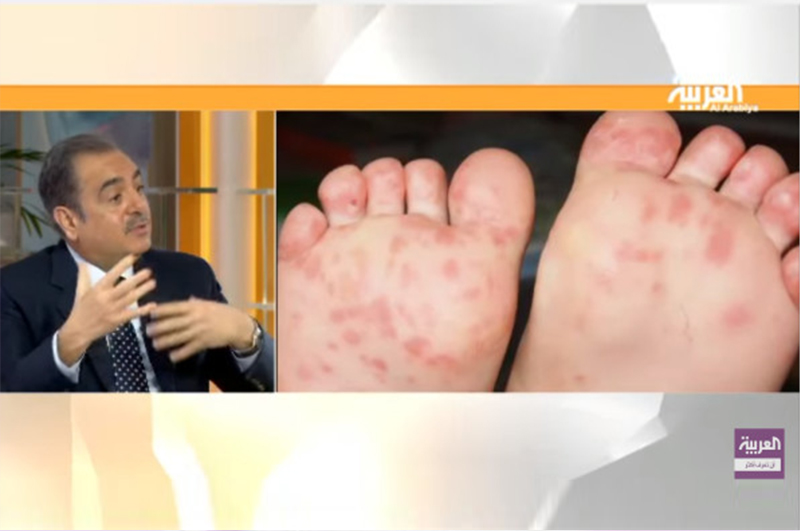
Hand, foot, and mouth disease is another common viral infection causing rash. It produces small red spots or blisters on the palms, soles, and inside the mouth. Babies may have fever, be irritable, and refuse to eat due to mouth sores. The condition is usually mild and resolves in 7-10 days.
Chickenpox causes an itchy rash of red spots that develop into fluid-filled blisters before crusting over. New spots appear in crops over several days, so lesions at different stages are visible simultaneously. While chickenpox is less common in vaccinated populations, unvaccinated babies can still contract it.
Dr. Medhat Abu-Shaaban advises parents to seek medical evaluation for rashes accompanied by high fever, difficulty breathing, extreme lethargy or irritability, rash that looks like bruises or doesn’t blanch when pressed, or rash with signs of infection. While most viral rashes are harmless, some serious infections can present with rash, and professional medical assessment ensures proper diagnosis and treatment.
Allergic Rashes: Hives and Contact Dermatitis
Allergic reactions can manifest as various types of rashes in babies, ranging from mild to severe. Understanding allergic rashes helps parents respond appropriately and seek medical care when necessary.
Hives (urticaria) appear as raised, red, itchy welts that can occur anywhere on the body. Individual hives may come and go, changing location over hours. They’re caused by histamine release during allergic reactions and can be triggered by foods, medications, insect stings, or infections. Most hives are harmless and resolve within 24 hours, but hives accompanied by facial swelling, difficulty breathing, or changes in consciousness require immediate emergency care, as these may indicate serious allergic reaction (anaphylaxis).
Contact dermatitis occurs when skin reacts to substances it touches. In babies, common triggers include fragrances in soaps or lotions, nickel in clothing snaps or jewelry, certain fabrics, and plants. The rash appears as redness, small bumps, or blisters in the area that contacted the irritant. Treatment involves identifying and removing the trigger substance and applying gentle moisturizers or, in severe cases, prescription anti-inflammatory creams.
At myPediaClinic Dubai, our pediatricians can help identify allergens causing rashes through careful history-taking and, when appropriate, allergy testing. Managing allergic rashes often involves eliminating triggers and using medications to control symptoms.
Cradle Cap (Seborrheic Dermatitis): Scalp Rash in Babies
Cradle cap, medically termed infantile seborrheic dermatitis, is an extremely common, harmless condition affecting many newborns and young babies. It appears as thick, yellow, greasy scales or crusts on the scalp, though it can also affect the face, particularly the eyebrows and behind the ears.
The exact cause isn’t fully understood but likely involves overactive sebaceous (oil) glands, possibly influenced by maternal hormones. Cradle cap is not caused by poor hygiene, allergy, or infection, and it’s not contagious.
While cradle cap looks concerning to parents, it doesn’t bother babies and causes no discomfort or itching. Treatment is primarily cosmetic. Gentle management includes massaging the scalp with baby oil or mineral oil to loosen scales, leaving it on for 15-20 minutes, then shampooing with mild baby shampoo and gently brushing out loosened scales with a soft brush.
Most cradle cap resolves on its own by 8-12 months of age. If it’s severe, persistent, or spreads beyond the scalp, Dr. Yasmin Kottait at myPediaClinic can recommend medicated shampoos or gentle prescription creams to help manage the condition.
When to Seek Medical Attention for Baby Rashes
While most baby rashes are benign, certain features indicate the need for medical evaluation. Parents should contact myPediaClinic if their baby’s rash is accompanied by fever above 38°C (100.4°F) in babies under 3 months, or above 39°C (102°F) in older babies.
Seek medical attention if the rash appears painful or causes significant distress, shows signs of infection (pus, increasing redness, warmth, swelling, or red streaks), doesn’t fade or blanch when pressed (which could indicate serious conditions like meningococcemia), is accompanied by other concerning symptoms like difficulty breathing, extreme lethargy, poor feeding, or unusual crying.
Additionally, contact your pediatrician if the rash spreads rapidly, persists beyond a week without improvement, or if you’re simply worried. Dr. Medhat Abu-Shaaban emphasizes that parents know their babies best, and concerning changes warrant professional evaluation, even if symptoms don’t fit textbook warning signs.
Dubai-Specific Considerations for Baby Skin Care
Caring for baby skin in Dubai requires adaptations to the unique environmental conditions. The extreme heat and sun exposure necessitate sun protection for babies. Keep infants under 6 months out of direct sunlight whenever possible, use hats and lightweight protective clothing, and for babies over 6 months, apply baby-safe sunscreen to exposed skin.
The dry air from constant air conditioning can exacerbate dry skin and eczema. Combat this by using humidifiers in babies’ rooms, especially during sleep, applying moisturizer frequently (2-3 times daily), and ensuring adequate hydration through breast milk or formula.
Temperature regulation can be challenging when moving between hot outdoor temperatures and cold air-conditioned spaces. Dress babies in layers that can be easily added or removed, and keep extra clothing in the diaper bag for temperature changes.
Water quality in Dubai is generally good, but some families find their babies’ skin reacts to tap water. If you notice skin problems after bathing, consider using filtered or bottled water for rinse, or adding moisturizer immediately after bathing to lock in hydration.
Frequently Asked Questions About Baby Skin Rashes
How can I tell the difference between different types of baby rashes?
Distinguishing between rashes can be challenging, but location, appearance, and associated symptoms provide clues. Heat rash appears in warm, sweaty areas as tiny bumps. Eczema causes dry, itchy patches, typically on the face and in skin creases. Diaper rash is confined to the diaper area. Viral rashes often accompany fever and appear suddenly. At myPediaClinic Dubai, Dr. Medhat Abu-Shaaban can examine your baby and provide accurate diagnosis, which is especially important if the rash is severe, persistent, or accompanied by other symptoms.
Is it safe to use over-the-counter creams on my baby’s rash?
Some over-the-counter products are safe for babies, while others should be avoided. Gentle, fragrance-free moisturizers and zinc oxide-based diaper creams are generally safe. However, products containing fragrances, dyes, or harsh chemicals should be avoided. Hydrocortisone cream can be used for very short periods for some rashes, but only under pediatrician guidance. Never use adult acne treatments, anti-itch creams containing diphenhydramine for young babies, or prescription-strength steroid creams without medical supervision. Dr. Yasmin Kottait at myPediaClinic can recommend appropriate treatments for your baby’s specific rash.
Can breastfeeding affect my baby’s skin or cause rashes?
Breastfeeding itself doesn’t cause rashes, but occasionally babies develop allergic reactions to foods the mother eats that pass through breast milk. Common culprits include dairy, eggs, soy, nuts, and wheat. If your baby has persistent rash, eczema, or other symptoms suggesting food sensitivity, keeping a food diary and working with a pediatrician can help identify potential triggers. Most babies tolerate everything mothers eat without problems, so dietary elimination should only be done with medical guidance.
How often should I bathe my baby to prevent skin rashes?
Bathing frequency depends on your baby’s skin type and activities. For young babies with normal skin, 2-3 baths per week is generally sufficient, with spot-cleaning the diaper area and face daily. In Dubai’s hot climate, daily quick baths may be needed for comfort and cleanliness. For babies with eczema, daily short lukewarm baths followed immediately by moisturizer can actually help manage the condition. Use mild, fragrance-free cleansers and avoid hot water, which can strip natural oils from skin. Our pediatricians at myPediaClinic can provide personalized bathing recommendations based on your baby’s skin needs.
Can the water quality in Dubai cause skin rashes in babies?
While Dubai’s water is treated and generally safe, some babies with very sensitive skin may react to minerals or treatment chemicals in tap water. If you notice skin problems correlating with bathing, try using filtered water for rinsing, applying moisturizer immediately after bathing to create a protective barrier, or using very mild, soap-free cleansers. If water seems to be contributing to skin issues, discuss this with Dr. Medhat Abu-Shaaban at myPediaClinic for specific recommendations.
Are certain fabrics better for preventing rashes in babies?
Yes, fabric choice can impact baby skin health. Soft, breathable natural fibers like cotton are generally best for babies’ sensitive skin. Avoid rough, scratchy fabrics and synthetic materials that don’t breathe well, especially in Dubai’s heat. Wash new clothes before use to remove manufacturing chemicals. Use gentle, fragrance-free detergent and ensure clothes are rinsed thoroughly. For babies with eczema, special care in fabric selection and washing practices can help minimize flares.
What’s the best way to treat heat rash in Dubai’s climate?
Heat rash treatment focuses on cooling and drying the skin. Keep your baby in cool, air-conditioned environments, dress them in lightweight, breathable cotton clothing, give cool baths to help regulate temperature, and ensure their sleeping area is comfortably cool (around 20-22°C or 68-72°F). Avoid heavy creams during hot weather as these can block pores. Most heat rash resolves within a few days with these measures. If it persists or worsens, contact myPediaClinic for evaluation.
Can teething cause skin rashes?
Teething itself doesn’t directly cause rashes, but the excessive drooling that accompanies teething can cause irritation around the mouth, chin, and neck. This drool rash appears as redness or small bumps where saliva contacts skin. Prevent and treat drool rash by gently patting (not rubbing) the area dry frequently, applying a thin layer of barrier cream like petroleum jelly or zinc oxide, and using bibs to protect skin and clothing. If facial rash is accompanied by other symptoms like fever or diarrhea, these are likely due to concurrent illness rather than teething itself.
Should I be worried if my baby’s rash is spreading?
Rash spreading isn’t always concerning, as many normal rashes naturally spread across the body (like roseola or chickenpox). However, rapidly spreading rash accompanied by fever, difficulty breathing, extreme lethargy, or rash that doesn’t blanch when pressed requires immediate medical attention. At myPediaClinic Dubai, we’re available for urgent consultations when parents are concerned about their baby’s rash. Dr. Yasmin Kottait can quickly assess whether the spreading rash is part of a normal disease course or indicates something requiring immediate intervention.
How long should I wait before seeing a doctor about a rash?
This depends on the rash characteristics and accompanying symptoms. Seek immediate medical attention for rash with high fever in young babies, difficulty breathing, extreme lethargy, or rash that looks like bruises or doesn’t fade when pressed. For mild rashes without other concerning symptoms, monitoring for 2-3 days is reasonable if the rash isn’t worsening and your baby is otherwise well. However, parents should never hesitate to contact myPediaClinic if they’re worried, even if the rash seems mild. Early evaluation can provide peace of mind and ensure appropriate treatment begins promptly if needed.
Can I use coconut oil or natural remedies on my baby’s rash?
Some natural products can be helpful for baby skin, while others may cause problems. Coconut oil is generally safe for most babies and can work as a gentle moisturizer, though it may not be sufficient for conditions like eczema that require medical-grade emollients. Always patch-test any new product on a small area before widespread use. Be cautious with essential oils, which can irritate baby skin and should generally be avoided. Before using any alternative or natural remedy, discuss it with your pediatrician at myPediaClinic to ensure it’s safe and appropriate for your baby’s specific skin condition.
Is eczema in babies related to food allergies?
There’s a connection between eczema and food allergies, though not all babies with eczema have food allergies, and not all food-allergic babies have eczema. Studies show babies with moderate to severe eczema have higher rates of food allergies, particularly to milk, eggs, peanuts, and wheat. If your baby has persistent eczema despite good skin care, or if eczema is accompanied by other allergy symptoms, Dr. Medhat Abu-Shaaban may recommend allergy testing. However, unnecessary dietary restrictions can affect nutrition, so testing should be done thoughtfully with medical guidance.
Can stress cause rashes in babies?
While babies don’t experience stress the same way adults do, certain stressors like disrupted routines, overstimulation, or parental stress can affect babies and may trigger or worsen skin conditions like eczema in susceptible infants. Maintaining calm, consistent routines and ensuring babies get adequate sleep and comfort can support overall health, including skin health. If you notice your baby’s rash worsens during stressful times, mention this to your pediatrician at myPediaClinic, as it may inform treatment approaches.
What should I pack in my diaper bag to manage rashes when out in Dubai?
For managing rashes while out and about in Dubai, pack extra diapers for frequent changes, gentle wipes or small pack of soft cloths and water bottle for cleaning, barrier cream or ointment in a travel-size container, change of clothes in case of leaks or excessive sweating, lightweight blanket for shading baby from sun, and prescribed medications or creams if your baby has chronic skin conditions. Being prepared allows you to address skin irritation promptly, preventing minor issues from worsening during outings.
How does Dubai’s humidity affect baby skin differently than dry climates?
Dubai experiences both high humidity during summer months and very dry conditions indoors due to air conditioning. High outdoor humidity can increase sweating and heat rash risk, while dry indoor air can worsen eczema and dry skin. This dual challenge requires adaptive skin care: during humid outdoor exposure, keep babies cool and dry; in dry air-conditioned environments, prioritize moisturization and consider using humidifiers. Our pediatricians at myPediaClinic understand these unique environmental factors and can recommend specific strategies for Dubai’s climate.
Can vaccinations cause skin rashes?
Some vaccines can cause mild rashes as normal immune responses. The MMR vaccine, for example, may cause a mild measles-like rash 7-10 days after administration. Chickenpox vaccine can cause a few spots in some children. These vaccine-related rashes are typically mild, not contagious (except rarely with chickenpox vaccine), and resolve on their own. Injection site reactions (redness, small bumps) are common and not concerning. If your baby develops extensive rash, hives, or any concerning symptoms after vaccination, contact myPediaClinic for evaluation.
Should I change my baby’s laundry detergent if they have a rash?
If your baby has sensitive skin or develops rashes, switching to gentle, fragrance-free, dye-free laundry detergent designed for babies or sensitive skin can help. Ensure clothes are rinsed thoroughly to remove all detergent residue. Avoid fabric softeners and dryer sheets, which can leave irritating residues. If rash improves after changing detergent, you’ve likely identified a trigger. However, if rash persists despite using gentle products, the cause is probably something else, and medical evaluation at myPediaClinic can help identify the underlying issue.
What’s the difference between baby acne and other facial rashes?
Baby acne appears as small red or white bumps, primarily on the cheeks, forehead, and chin, typically starting around 2-4 weeks of age. It doesn’t appear to bother babies and resolves on its own by 3-4 months. Eczema on the face appears as dry, scaly, itchy patches that bother babies, causing them to rub affected areas. Heat rash consists of tiny bumps in sweaty areas. Contact dermatitis causes redness where skin contacted an irritant. If you’re unsure what type of rash your baby has, Dr. Yasmin Kottait at myPediaClinic can examine your baby and provide accurate diagnosis and treatment recommendations.
How can I prevent my baby from scratching their rash?
Preventing scratching protects skin from damage and infection. Keep baby’s fingernails trimmed short and filed smooth, use soft cotton mittens, especially during sleep, for babies with very itchy rashes, dress babies in soft, breathable clothing that covers affected areas, address the underlying cause of itching with appropriate treatments, use cool compresses on itchy areas for relief, and distract babies with play and activities. For persistent, severe itching despite these measures, prescription medications may be necessary. Our pediatricians at myPediaClinic can prescribe safe, effective treatments to control itching and allow healing.
When does baby skin mature enough to be less prone to rashes?
Baby skin gradually matures throughout the first year and beyond, becoming more resilient over time. Many newborn rashes resolve within the first few months as skin adapts to the outside environment. Sweat glands mature by about 3-6 months, reducing heat rash susceptibility. The skin barrier continues strengthening throughout the first year and into toddlerhood. However, some children remain prone to certain skin conditions like eczema or sensitive skin throughout childhood. Each child’s skin development timeline varies, and some may always have more sensitive skin requiring special care.
Comprehensive Skin Care at myPediaClinic Dubai
At myPediaClinic, we understand how concerning baby skin rashes can be for parents. Our experienced pediatricians, Dr. Medhat Abu-Shaaban and Dr. Yasmin Kottait, provide comprehensive evaluation and treatment for all types of infant skin conditions. We take time to examine your baby thoroughly, explain our findings clearly, and develop practical treatment plans that fit your family’s lifestyle.
Our approach to baby skin health includes accurate diagnosis of rash types and underlying causes, evidence-based treatment recommendations, guidance on preventing future skin problems, education about appropriate skincare products for Dubai’s climate, and coordination with dermatology specialists when needed for complex cases.
We serve Dubai’s diverse, multicultural community with sensitivity to various cultural practices and perspectives on infant care. Our clinic’s modern facilities and experienced staff create a welcoming environment where parents feel comfortable asking questions and babies receive gentle, expert care.
Schedule a Consultation at myPediaClinic Dubai
If your baby has a rash that concerns you, don’t hesitate to contact myPediaClinic for evaluation. Whether your baby has a mild, persistent rash you’d like assessed or a sudden, concerning rash requiring urgent attention, our team is here to help.
Schedule an appointment with Dr. Medhat Abu-Shaaban or Dr. Yasmin Kottait for expert evaluation and treatment of your baby’s skin condition. Our convenient Dubai location, flexible appointment times, and same-day urgent visit availability ensure you can access quality pediatric care when your baby needs it.
Contact myPediaClinic today to schedule your consultation. Your baby’s comfort and health are our priorities, and we’re committed to providing the excellent, compassionate care that Dubai families trust. Let our experienced pediatricians help you navigate baby skin rashes with confidence and ensure your little one’s delicate skin stays healthy and comfortable.