

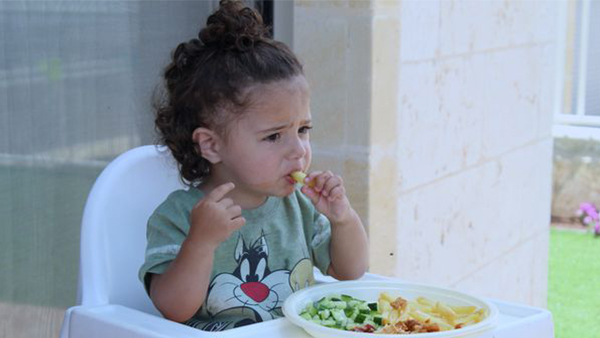
Picky Eater Help: Complete Guide to Managing Fussy Eating in Children in Dubai
Is your child a picky eater who refuses to try new foods, pushes vegetables off their plate, or insists on eating the same few items every day? You’re not alone. Picky eating is one of the most common concerns parents bring to myPediaClinic in Dubai, and the good news is that with the right approach, most children can develop healthier eating habits over time.
As parents in Dubai and across the UAE, we often worry whether our picky eaters are getting adequate nutrition for proper growth and development. Understanding why children become fussy eaters and learning evidence-based strategies can transform mealtimes from stressful battles into positive family experiences.
Understanding Picky Eating in Children
Picky eating, also known as selective eating or fussy eating, is a common phase that affects approximately 25-50% of children at some point during childhood. While most children outgrow this phase, understanding the underlying causes can help parents in Dubai address the behavior more effectively.
What Qualifies as Picky Eating?
A child may be considered a picky eater if they consistently exhibit several of these behaviors:
- Refuse to try new foods (food neophobia)
- Eat only a limited variety of foods (fewer than 20-30 different foods)
- Reject entire food groups (vegetables, proteins, fruits)
- Have strong preferences based on food texture, color, or temperature
- Take an unusually long time to finish meals
- Frequently complain about food taste or appearance
- Request the same foods repeatedly
- Show distress or anxiety when presented with unfamiliar foods
Developmental Stages and Picky Eating
Picky eating often emerges at specific developmental stages. Understanding these patterns can help Dubai parents recognize normal behavior versus concerning eating patterns:
Toddlers (1-3 years): This is the peak age for picky eating. Toddlers naturally become more selective as they assert independence. Growth slows down from the first year, so appetite naturally decreases. This is a normal developmental phase for children in the UAE and worldwide.
Preschoolers (3-5 years): Food neophobia (fear of new foods) typically peaks between ages 2-6. Children at this age are highly influenced by food appearance and may reject foods based on color or texture alone.
School-age children (6-12 years): Most children become more adventurous eaters during these years. Peer influence in Dubai schools can encourage children to try new foods, though some selective eating may persist.
Common Causes of Picky Eating
Understanding why your child became a picky eater is the first step toward helping them expand their food preferences. Our pediatric specialists at myPediaClinic in Dubai have identified several contributing factors:
Sensory Sensitivity
Many picky eaters have heightened sensory sensitivity, making them more reactive to food textures, smells, temperatures, and appearances. A child with sensory processing differences may gag at certain textures, refuse foods with mixed consistencies, or be unable to tolerate strong flavors that other children enjoy.
Signs of sensory-related picky eating include:
- Strong aversion to specific textures (mushy, crunchy, slimy)
- Gagging or vomiting when trying certain foods
- Preference for bland foods only
- Inability to have different foods touching on the plate
- Extreme sensitivity to food temperature
Anxiety and Emotional Factors
Anxiety and emotional wellbeing significantly impact eating behaviors in children. Children experiencing stress, anxiety, or depression may use food refusal as a coping mechanism or develop anxiety specifically around mealtimes.
Mealtime anxiety can develop from:
- Previous negative food experiences (choking, vomiting, allergic reactions)
- Pressure or force-feeding during meals
- General anxiety that manifests at mealtimes
- Family stress or conflict during meals
- Perfectionism and fear of trying new things
Medical Conditions
Sometimes picky eating stems from underlying medical issues that should be evaluated by a pediatrician in Dubai:
- Gastroesophageal reflux (GERD): Stomach acid causing discomfort during or after eating
- Food allergies or intolerances: Children may unconsciously avoid foods that cause discomfort
- Constipation: Can reduce appetite and cause mealtime discomfort
- Oral motor difficulties: Problems with chewing or swallowing
- Zinc deficiency: Can alter taste perception and reduce appetite
- Iron deficiency: Often causes decreased appetite in children
Environmental and Behavioral Factors
The eating environment and parental feeding practices significantly influence picky eating behaviors:
- Excessive snacking reducing hunger at mealtimes
- Too many drink options (juice, milk) filling children up
- Distractions during meals (screens, toys)
- Inconsistent meal schedules
- Limited exposure to variety during early feeding
- Parental picky eating modeling the behavior
Consequences of Prolonged Picky Eating
While mild picky eating rarely causes serious problems, persistent selective eating can have significant consequences that parents in Dubai should be aware of:
Nutritional Deficiencies
Children who eat only a limited variety of foods risk developing mineral or vitamin deficiencies that can affect multiple aspects of health:
- Iron deficiency: Causing fatigue, weakness, and cognitive delays
- Vitamin D deficiency: Affecting bone health and immune function
- Calcium deficiency: Impacting bone development and dental health
- Vitamin A deficiency: Affecting vision and immune function
- Zinc deficiency: Impacting growth, appetite, and immune response
- Fiber deficiency: Leading to constipation and digestive issues
Growth and Development Concerns
Nutritional gaps from picky eating can affect:
- Height and weight gain
- Brain development and cognitive function
- Immune system strength
- Energy levels and physical activity
- Dental health and tooth development
Social and Emotional Impact
Picky eating can create social issues between you and your child, as well as affect your child’s social experiences:
- Family conflict and mealtime stress
- Difficulty eating at school, parties, or restaurants
- Social anxiety around food situations
- Self-esteem issues related to being “different”
- Parental guilt and frustration
Effective Strategies for Managing Picky Eating
Our pediatric nutrition experts at myPediaClinic recommend these evidence-based strategies for helping picky eaters in Dubai expand their food acceptance:
Create a Positive Mealtime Environment
The atmosphere during meals significantly impacts eating behavior. Transform mealtimes with these approaches:
- Eat together as a family: Children learn eating habits by watching parents and siblings
- Remove distractions: Turn off screens and put away toys during meals
- Keep mealtimes calm: Avoid arguments, negotiations, or pressure about food
- Set consistent meal and snack times: Regular schedules help regulate appetite
- Make mealtimes pleasant: Focus on conversation and family connection, not just food consumption
The Division of Responsibility Approach
Developed by feeding expert Ellyn Satter, this approach has helped countless families manage picky eating:
Parent’s job:
- Decide what foods are offered
- Decide when meals and snacks occur
- Decide where eating takes place
Child’s job:
- Decide whether to eat
- Decide how much to eat
This approach removes pressure and power struggles while still ensuring nutritious options are available.
Repeated Exposure Without Pressure
Research shows children may need 10-15 exposures to a new food before accepting it. Strategies include:
- Serve tiny portions of new foods alongside familiar favorites
- Allow children to explore foods without requiring them to eat
- Avoid forcing, bribing, or rewarding food consumption
- Keep offering rejected foods periodically without comment
- Let children see you enjoying the foods they refuse
Creative Food Presentation
Making food visually appealing can encourage picky eaters to try new things:
- Use cookie cutters to create fun shapes
- Arrange foods into pictures or designs on the plate
- Offer dips and sauces for vegetables
- Serve foods in interesting containers or plates
- Create colorful “rainbow” meals
- Use toothpicks or skewers for bite-sized portions
Involve Children in Food Preparation
Children who participate in food selection and preparation are more likely to eat the results:
- Grocery shopping: Let children choose a new fruit or vegetable to try
- Meal planning: Include children in deciding what to eat each week
- Cooking together: Age-appropriate tasks like washing vegetables, stirring, or measuring
- Gardening: Growing vegetables or herbs can increase interest in eating them
- Setting the table: Involvement creates investment in the meal
Food Bridges and Flavor Mapping
Help picky eaters expand their diet by building on foods they already accept:
- If they like chicken nuggets, try baked chicken strips, then grilled chicken
- If they enjoy french fries, try sweet potato fries, then roasted potatoes
- If they accept cheese pizza, try adding one vegetable topping at a time
- If they like fruit smoothies, gradually add small amounts of spinach or vegetables
When to Seek Professional Help
While most picky eating is normal and temporary, some situations require evaluation by a pediatrician or child nutritionist in Dubai:
Warning Signs Requiring Medical Evaluation
- Weight loss or failure to gain weight appropriately
- Falling off growth curves
- Eating fewer than 20 different foods
- Eliminating entire food groups completely
- Gagging, choking, or vomiting with most foods
- Extreme distress or tantrums around food
- Nutritional deficiencies confirmed by blood tests
- Picky eating that worsens over time instead of improving
- Feeding difficulties that significantly impact family quality of life
Professional Support Options
At myPediaClinic in Dubai, our team can provide comprehensive support for picky eaters:
- Pediatrician evaluation: Rule out medical causes and assess growth
- Nutritional assessment: Evaluate dietary intake and identify deficiencies
- Feeding therapy: Specialized intervention for severe feeding difficulties
- Occupational therapy: For sensory-related eating issues
- Family nutrition counseling: Practical strategies for your specific situation
Nutrition Tips for Picky Eaters
While working on expanding your child’s food acceptance, ensure adequate nutrition with these strategies:
Maximize Accepted Foods
Make the most of foods your child does eat:
- Choose fortified cereals and breads for added vitamins
- Offer whole milk or fortified alternatives for calories and nutrients
- Add healthy fats (olive oil, avocado, nut butters) to increase calories
- Blend vegetables into accepted foods like pasta sauce, smoothies, or muffins
Strategic Supplementation
Discuss with your pediatrician whether supplements might help:
- Multivitamin with iron for children eating limited variety
- Vitamin D supplementation (especially important in Dubai’s indoor lifestyle)
- Omega-3 fatty acids if fish is refused
- Fiber supplements if constipation is an issue
Healthy Snack Options
Strategic snacking can boost nutrition without interfering with meals:
- Cheese and whole grain crackers
- Yogurt with fruit
- Hummus with vegetables or pita
- Apple slices with nut butter
- Homemade smoothies
- Trail mix with dried fruit and nuts
Managing Picky Eating in Different Settings
School Lunches in Dubai
Packing school lunches for picky eaters requires creativity:
- Include at least one “safe” food your child reliably eats
- Pack small portions of new foods alongside favorites
- Use bento-style containers with separate compartments
- Include a variety of finger foods
- Communicate with teachers about your child’s eating patterns
Eating at Restaurants
Dining out with a picky eater requires planning:
- Review menus online before visiting
- Call ahead to ask about modifications
- Bring backup snacks for emergencies
- Order plain or simple preparations
- Don’t force trying new foods in public settings
Social Events and Parties
Birthday parties and gatherings in Dubai can be challenging:
- Feed your child before events where food options are uncertain
- Bring acceptable foods if appropriate
- Don’t make a big deal about what your child does or doesn’t eat
- Focus on the social experience rather than food consumption
Long-Term Outlook for Picky Eaters
Most picky eaters gradually expand their food preferences over time. Research shows that with patience and appropriate strategies, the majority of children develop normal eating patterns by adolescence. However, consistency and patience are key factors in successful outcomes.
Timeline Expectations
Understanding realistic timelines can help parents maintain patience:
- Food neophobia typically peaks around age 2-6 and gradually decreases
- New food acceptance may take months of repeated exposure
- Significant dietary expansion often occurs during school years
- Complete resolution of picky eating may take years, not weeks
Cultural Considerations for Picky Eating in Dubai
Dubai’s multicultural environment presents unique opportunities and challenges when addressing picky eating in children. Families from different cultural backgrounds may have varying expectations about food, mealtimes, and eating behaviors that influence how picky eating is perceived and managed.
Navigating Multicultural Food Expectations
In Dubai’s diverse community, children are often exposed to cuisines from around the world. While this exposure can eventually help expand food preferences, it can also initially overwhelm picky eaters. Understanding how to navigate these multicultural food expectations helps families find balance:
- Respect cultural food traditions: Maintain connections to your heritage foods while gradually introducing variety
- Use familiar flavors as bridges: Introduce new foods using spices and seasonings your child already accepts from your cultural cuisine
- Set realistic expectations with extended family: Grandparents and relatives may have strong opinions about what children should eat
- Find common ground: Identify nutritious foods that work across different cultural contexts served at home
- Celebrate food diversity: Frame Dubai’s multicultural food scene as an opportunity rather than pressure
Managing Picky Eating During Ramadan
For Muslim families in Dubai, Ramadan presents specific considerations for picky eaters. When children are too young to fast, managing their eating patterns while the household observes different meal schedules requires planning:
- Maintain consistent meal and snack times for young children even during fasting periods
- Include children in age-appropriate Iftar preparation to increase food interest
- Offer familiar foods alongside traditional Ramadan dishes
- Don’t use this period to push food expansion aggressively
- Focus on shared family experiences around food rather than consumption
Common Myths About Picky Eating Debunked
Many misconceptions about picky eating can lead parents in Dubai down unproductive paths. Understanding the truth behind these myths helps families implement more effective strategies:
Myth: Hungry Children Will Eventually Eat What’s Offered
Truth: While mild hunger can encourage eating, truly picky eaters with sensory or anxiety issues may refuse food even when very hungry. Starving a child into compliance can damage their relationship with food and cause nutritional harm. A balanced approach that offers acceptable options while gradually introducing new foods is more effective and healthier.
Myth: Picky Eating Is Just Bad Behavior
Truth: Picky eating is rarely about defiance or behavior problems. It often stems from genuine sensory sensitivities, developmental phases, anxiety, or medical issues. Treating picky eating as misbehavior and using punishment typically worsens the problem. Understanding the underlying cause leads to better outcomes.
Myth: If Parents Just Tried Harder, the Child Would Eat
Truth: Parental effort alone cannot overcome all picky eating. Some children have neurological differences in how they process taste, texture, and smell. Others have underlying anxiety or medical conditions. Parents should not blame themselves for a child’s picky eating, and seeking professional support when needed is appropriate, not a failure.
Myth: Hiding Vegetables Solves the Problem
Truth: While adding pureed vegetables to accepted foods can boost nutrition temporarily, this strategy doesn’t teach children to accept and enjoy those foods in their recognizable form. For long-term success, children need to develop positive relationships with visible, identifiable healthy foods. Stealth vegetable approaches should supplement, not replace, continued exposure to whole vegetables.
Myth: Picky Eaters Will Never Change
Truth: With patience, appropriate strategies, and sometimes professional support, most picky eaters significantly expand their food acceptance over time. The majority of children become more adventurous eaters during school years and adolescence. Early intervention and consistent, pressure-free approaches improve long-term outcomes.
Frequently Asked Questions About Picky Eating
Is it normal for toddlers to be picky eaters?
Yes, picky eating is extremely common and normal in toddlers. Research indicates that 25-50% of parents describe their toddlers as picky eaters. This phase often coincides with developmental milestones like increased independence and naturally decreased appetite as growth slows from the rapid first year. Most toddlers in Dubai and worldwide go through this phase and gradually become more adventurous eaters with appropriate support and patience from caregivers.
Should I force my child to eat foods they don’t like?
No, forcing children to eat specific foods is not recommended and can actually backfire. Research shows that pressure to eat creates negative associations with food, increases mealtime stress, and can worsen picky eating behaviors. Instead, continue offering a variety of foods without pressure, maintain positive mealtimes, and let your child decide whether and how much to eat from what you’ve provided. Trust that with repeated exposure and a relaxed approach, most children will gradually expand their food acceptance.
How many times should I offer a new food before giving up?
Research suggests children may need 10-15 or more exposures to a new food before accepting it. However, “exposure” doesn’t mean forcing your child to eat the food each time. Simply having the food on their plate, seeing family members eat it, or interacting with the food through play or cooking all count as exposures. Continue offering rejected foods periodically without pressure or comment, and don’t assume permanent rejection after a few refusals.
Could my child’s picky eating indicate a more serious problem?
While most picky eating is normal and temporary, certain patterns warrant evaluation by a pediatrician in Dubai. Consult a healthcare provider if your child eats fewer than 20 different foods, has completely eliminated entire food groups, is losing weight or falling off growth curves, gags or vomits with most foods, shows extreme distress around mealtimes, or has picky eating that worsens rather than improves over time. These signs could indicate underlying sensory processing issues, anxiety, or medical conditions requiring professional support.
Are there supplements my picky eater should take?
Whether supplements are appropriate depends on your child’s specific dietary intake and should be discussed with your pediatrician. Children eating limited variety may benefit from a daily multivitamin with iron. Vitamin D supplementation is particularly important for children in Dubai who spend significant time indoors. However, supplements should complement, not replace, efforts to expand dietary variety. A pediatric nutritionist can assess your child’s intake and recommend appropriate supplementation based on their individual needs.
When should I seek help from a specialist for picky eating?
Consider seeking professional help if picky eating significantly impacts your child’s nutrition, growth, or family quality of life. Specific triggers for consultation include: weight concerns or growth faltering, extreme food restriction (fewer than 20 foods), severe anxiety or behavioral issues around mealtimes, physical symptoms like gagging or choking with most foods, or situations where picky eating has persisted without improvement despite consistent home strategies. At myPediaClinic in Dubai, our pediatricians and nutritionists can evaluate whether your child’s eating patterns require intervention.
Schedule a Nutrition Consultation in Dubai
If you’re concerned about your child’s picky eating, our pediatric team at myPediaClinic in Dubai is here to help. We offer comprehensive feeding evaluations and personalized nutrition guidance to support healthy eating development.
Contact myPediaClinic:
- Location: Dubai Healthcare City, Dubai, UAE
- Book online: Schedule a Nutrition Consultation
- Phone: +971-4-430-5926
Remember, patience and consistency are key when managing picky eating. With the right approach and support, most children develop healthy, varied eating habits over time. Our team is committed to supporting your family through this common childhood challenge.