

Nutrient Deficiencies in Children: Complete Testing Guide for Dubai Parents
Proper nutrition forms the foundation of healthy child development, influencing everything from physical growth to cognitive function, immune system strength, and emotional well-being. Despite Dubai’s abundance of food options and high standard of living, nutrient deficiencies remain surprisingly common among children in the UAE. These deficiencies can have serious, long-lasting consequences if left undetected and untreated.
At myPediaClinic in Dubai Healthcare City, we emphasize proactive nutritional screening as an essential component of comprehensive pediatric care. Annual blood testing to assess nutrient levels helps identify deficiencies early, allowing timely intervention before significant health impacts occur. Understanding why these tests matter, what they reveal, and how to address deficiencies empowers Dubai parents to optimize their children’s health and development.
Understanding Nutrient Deficiencies in Children
Nutrient deficiencies occur when children don’t consume or absorb adequate amounts of essential vitamins, minerals, or other nutrients required for optimal growth and function. While severe malnutrition is rare in developed regions like Dubai, subclinical deficiencies—where levels are below optimal but not critically low—are remarkably common and often go unrecognized.
Children’s nutritional needs are uniquely demanding. Rapid growth during infancy, childhood, and adolescence requires abundant nutrients to build new tissues, support brain development, maintain immune function, and fuel physical activity. Even brief periods of inadequate nutrition during critical developmental windows can have lasting effects.
Common Nutrient Deficiencies in UAE Children
Research specific to the Middle East region, including the UAE, has identified several nutrients that children commonly lack despite apparent dietary adequacy:
Vitamin D: Perhaps the most prevalent deficiency among children in Dubai and throughout the UAE, vitamin D insufficiency affects a significant percentage of the pediatric population. Despite abundant sunshine, cultural practices favoring indoor activities, extensive use of sunscreen, traditional clothing covering most skin, and time spent in air-conditioned environments limit natural vitamin D production. This deficiency impacts bone health, immune function, and potentially mood regulation.
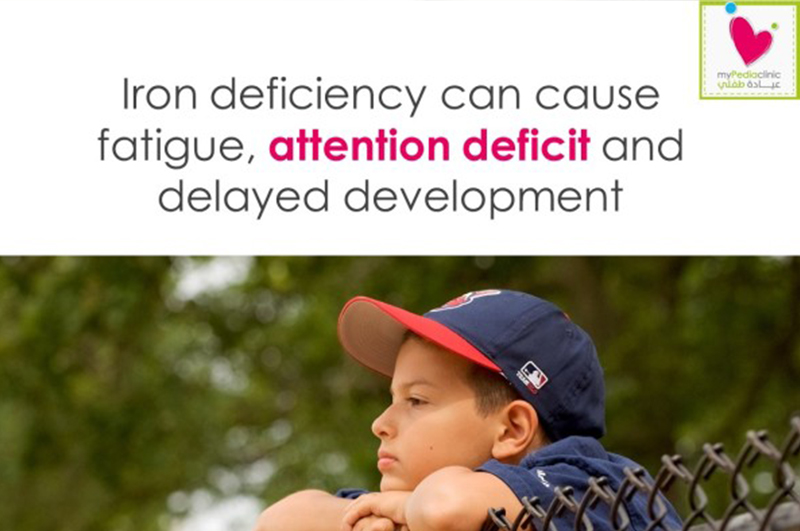
Iron: Iron deficiency remains one of the most common nutritional problems worldwide, including in the UAE. Growing children require substantial iron for red blood cell production, muscle development, and brain function. Picky eating, vegetarian diets, rapid growth spurts, and menstruation in adolescent girls increase deficiency risks. Even mild iron deficiency can impair cognitive development, academic performance, and physical stamina.
Vitamin B12: This essential nutrient supports nervous system function, red blood cell formation, and DNA synthesis. Children following vegetarian or vegan diets face particularly high risks since B12 occurs naturally only in animal products. Some children have absorption problems that prevent adequate B12 uptake even with sufficient dietary intake.
Folate (Vitamin B9): Critical for cell division and growth, folate deficiency can impair development and cause anemia. While many countries fortify grains with folic acid, children who don’t consume fortified foods or eat limited vegetables may develop deficiency.
Calcium: Essential for building strong bones and teeth during childhood and adolescence, calcium deficiency can compromise skeletal development and increase future osteoporosis risks. Children who avoid dairy products or have lactose intolerance may not consume adequate calcium.
Zinc: This mineral supports immune function, wound healing, growth, and development. Deficiency can impair growth, weaken immunity, and affect cognitive function. Children eating limited meat or whole grains may not obtain sufficient zinc.
Omega-3 Fatty Acids: While not typically measured in standard nutritional panels, omega-3 deficiency is common among children who don’t regularly consume fish. These essential fats support brain development, cognitive function, and inflammatory regulation.
Consequences of Nutrient Deficiencies
The impacts of nutritional inadequacies extend far beyond simple dietary concerns, affecting virtually every aspect of child health and development.
Developmental Delays
Adequate nutrition is absolutely essential for normal growth and development. Deficiencies during critical periods can cause delays that may persist even after nutritional status improves. Iron deficiency during infancy and toddlerhood, for example, can impair cognitive development with effects lasting into school age and beyond. Proper nutrient intake supports not just physical growth in height and weight, but also brain development, motor skill acquisition, and developmental milestone achievement.
Immune System Weakness
The immune system requires numerous nutrients to function optimally. Vitamins A, C, D, and E, along with minerals like zinc, iron, and selenium, all play crucial roles in immune defense. Deficient children experience more frequent infections, longer illness duration, and potentially more severe disease courses. In Dubai’s communal school environment where infections spread readily, strong immune function protects children’s health and minimizes missed school days.
Cognitive and Academic Impacts
Brain function depends heavily on adequate nutrition. Iron deficiency, even before causing anemia, can impair attention, memory, and learning ability. B vitamins support neurotransmitter production and nervous system function. Omega-3 fatty acids comprise structural components of brain cells and influence cognitive performance. Children with nutritional deficiencies may struggle academically despite adequate intelligence, face concentration difficulties, and experience reduced learning capacity.
Mood and Behavioral Changes
Emerging research links nutritional status to mental health and emotional regulation. Vitamin D deficiency has been associated with increased depression risk. B vitamins influence neurotransmitter production affecting mood. Iron deficiency can cause irritability and behavioral changes. While nutritional deficiencies alone don’t cause mental health conditions, they can contribute to mood problems, anxiety, and behavioral challenges.
Lowered Energy and Fatigue
Children with nutritional deficiencies often display reduced energy, increased fatigue, and decreased physical stamina. Iron deficiency causes tiredness even before anemia develops. B vitamin deficiencies impair energy metabolism. These children may seem less active than peers, tire easily during physical activities, or appear unmotivated when actually suffering from physiological fatigue.
Growth Impairment
Severe or prolonged nutritional deficiencies can slow growth rates, resulting in children who are shorter or lighter than expected for their age. While genetics primarily determine height potential, nutrition provides the building blocks necessary to achieve that potential. Zinc, vitamin D, calcium, protein, and overall caloric intake all influence growth trajectories.
Bone Health Concerns
Childhood and adolescence represent critical periods for building bone mass that must last a lifetime. Deficiencies in calcium, vitamin D, and other bone-supporting nutrients during these years can compromise peak bone mass achievement, increasing osteoporosis and fracture risks later in life. The skeletal system continues developing into the early twenties, making adequate nutrition throughout childhood and young adulthood essential.
Why Annual Blood Testing Matters
Many parents wonder whether annual nutritional screening is truly necessary for apparently healthy children. Several compelling reasons support this proactive approach.
Deficiencies Often Lack Obvious Symptoms
Early nutritional deficiencies typically don’t cause dramatic symptoms. Children may seem generally healthy while subclinical deficiencies gradually impact development, immunity, or cognitive function. By the time obvious symptoms appear, deficiency has often existed for months or years, potentially causing preventable developmental impacts. Annual testing catches deficiencies in early stages when intervention is most effective.
Dietary Assessment Has Limitations
While dietary history provides valuable information, it doesn’t always accurately predict nutritional status. Absorption problems, increased requirements during growth spurts, genetic variations in nutrient metabolism, and inaccurate dietary recall can all cause discrepancies between apparent intake and actual nutritional status. Blood testing provides objective measurements that dietary assessment alone cannot offer.
Children’s Needs Change Rapidly
Growth rates vary throughout childhood, with particularly rapid periods during infancy and adolescence. Nutritional requirements fluctuate accordingly. A child with adequate status one year may develop deficiency the next due to growth acceleration, dietary changes, or new health conditions affecting absorption. Annual monitoring captures these dynamic changes.
Early Intervention Prevents Complications
Identifying and correcting deficiencies before they cause significant health impacts prevents potential long-term consequences. Early iron supplementation prevents cognitive effects of deficiency. Timely vitamin D correction optimizes bone development. Proactive nutritional management supports optimal growth, development, immunity, and academic performance.
Dubai-Specific Risk Factors
Several factors unique to life in Dubai increase deficiency risks for children. Limited outdoor activity due to extreme heat, extensive sun protection when outdoors, indoor lifestyle preferences, and cultural dietary patterns all influence nutritional status. Regular testing accounts for these regional considerations and ensures children receive targeted interventions as needed.
What Nutritional Blood Tests Measure
Comprehensive nutritional screening typically includes multiple tests assessing different aspects of nutritional status. At myPediaClinic, we customize testing panels based on individual risk factors, dietary patterns, and clinical concerns.
Complete Blood Count (CBC)
This fundamental test evaluates red blood cells, white blood cells, and platelets. Regarding nutritional assessment, the CBC reveals anemia, which can result from iron, B12, or folate deficiency. The test measures hemoglobin levels, red blood cell size and shape, and other parameters that help identify the specific type and cause of anemia if present.
Iron Studies
Comprehensive iron assessment goes beyond simple hemoglobin measurement to include:
- Serum Iron: The amount of iron circulating in blood
- Ferritin: Iron storage levels, often the first parameter to decrease when deficiency develops
- Total Iron Binding Capacity (TIBC): The blood’s capacity to bind and transport iron
- Transferrin Saturation: The percentage of transferrin (iron transport protein) actually carrying iron
These measurements together provide detailed information about iron status, distinguishing between true deficiency, anemia of chronic disease, and other conditions affecting iron levels.
Vitamin D (25-Hydroxyvitamin D)
This test measures vitamin D storage levels. Results classify status as deficient, insufficient, sufficient, or potentially excessive. Given the high prevalence of vitamin D deficiency in UAE children, this represents one of the most important nutritional tests performed at myPediaClinic.
Vitamin B12 and Folate
These tests measure levels of these crucial B vitamins. Both are essential for red blood cell formation, nervous system function, and rapid cell division during growth. Deficiency in either can cause similar types of anemia, making it important to measure both.
Calcium and Related Minerals
Blood calcium levels are tightly regulated and may not reflect dietary intake accurately, but testing helps identify conditions affecting calcium metabolism. Additional tests may include phosphorus, parathyroid hormone, and alkaline phosphatase to assess bone health more comprehensively.
Zinc
When deficiency is suspected based on symptoms like growth delays, frequent infections, or poor wound healing, zinc levels can be measured, though test interpretation can be challenging as blood levels don’t always reflect total body zinc status.
Additional Tests Based on Individual Needs
Depending on dietary patterns, symptoms, and medical history, additional nutritional tests might include magnesium, vitamins A, E, or K, selenium, or other nutrients. At myPediaClinic, we develop individualized testing protocols that balance thoroughness with practical considerations.
The Testing Process at myPediaClinic Dubai
Understanding what to expect during nutritional testing helps children and parents prepare and reduces anxiety about the process.
Pre-Test Consultation
Before ordering nutritional blood tests, our pediatricians conduct thorough consultations reviewing dietary habits, growth patterns, medical history, and any concerning symptoms. This information helps determine which specific tests are most appropriate for your child. We discuss the purpose of testing, what results might reveal, and how findings will guide nutritional recommendations.
Preparing for Blood Testing
Most nutritional blood tests don’t require fasting, making them more convenient for children. However, some tests may provide more accurate results if performed in the morning before breakfast. Our team provides specific instructions based on the ordered tests. On testing day, ensure your child is well-hydrated, as this makes blood collection easier and more comfortable.
The Blood Collection Process
At myPediaClinic in Dubai Healthcare City, our experienced pediatric phlebotomists specialize in making blood draws as quick and comfortable as possible for children. We use the smallest appropriate needles, allow parents to stay with children during the procedure, and offer distraction techniques to minimize anxiety. Most pediatric blood draws take less than five minutes from start to finish.
Results and Follow-Up
Blood test results are typically available within a few days. Once results return, our pediatricians review them carefully, comparing values to age-appropriate reference ranges and interpreting findings in the context of your child’s overall health, growth, and symptoms. We schedule follow-up consultations to discuss results, explain what they mean for your child’s health, and develop treatment plans if deficiencies are identified.
Addressing Identified Deficiencies
When blood testing reveals nutritional deficiencies, prompt and appropriate intervention corrects the problem and prevents health consequences.
Dietary Modifications
The first line of treatment for many deficiencies involves dietary changes to increase intake of deficient nutrients. Our pediatric team provides detailed nutritional guidance tailored to your child’s age, food preferences, cultural dietary patterns, and specific deficiencies. This might include:
- Increasing consumption of iron-rich foods like lean meats, beans, fortified cereals, and dark leafy greens
- Adding calcium sources such as dairy products, fortified plant milks, or calcium-rich vegetables
- Incorporating vitamin D-fortified foods into daily meals
- Including more B12 sources like eggs, dairy, and animal proteins, or fortified vegetarian options
- Improving overall dietary quality with more whole foods and fewer processed items
Supplementation
When deficiencies are significant or dietary changes alone are insufficient, nutritional supplements provide concentrated doses of deficient nutrients to restore optimal levels more quickly. At myPediaClinic, we prescribe appropriate supplement types, doses, and duration based on your child’s specific needs. Pediatric formulations make supplements palatable and appropriately dosed for children.
Supplement recommendations might include:
- Iron supplements for iron deficiency, often given with vitamin C to enhance absorption
- Vitamin D drops or tablets to correct deficiency, with doses depending on severity
- B12 supplements, particularly important for children following vegetarian or vegan diets
- Multivitamin preparations providing broad-spectrum nutritional support
- Specific mineral supplements like zinc or calcium when indicated
Treating Underlying Causes
Sometimes nutritional deficiencies result from underlying medical conditions affecting nutrient absorption or increasing requirements. Celiac disease, inflammatory bowel disease, chronic infections, or other health problems may require specific treatment beyond simple supplementation. Our comprehensive pediatric services at myPediaClinic allow coordinated care addressing both nutritional deficiencies and any underlying conditions contributing to them.
Follow-Up Testing
After initiating treatment for nutritional deficiencies, follow-up blood testing ensures interventions are working effectively. Retest timing depends on deficiency severity and treatment approach, typically ranging from 6 weeks to 3 months after starting supplementation. These follow-up tests confirm levels are improving, allow dosage adjustments if needed, and indicate when supplements can be discontinued.
Preventing Nutritional Deficiencies in Dubai
While regular testing helps identify deficiencies, prevention remains the ideal approach. Several strategies help ensure children obtain adequate nutrition for optimal health and development.
Balanced, Varied Diet
The foundation of good nutrition is a varied diet including foods from all major groups: fruits, vegetables, whole grains, lean proteins, and dairy or calcium-rich alternatives. Variety ensures exposure to the full spectrum of essential nutrients and reduces the risk of deficiencies. In Dubai’s multicultural environment, children have access to diverse cuisines offering different nutritional profiles.
Address Picky Eating
Selective eating is common among young children but can limit nutritional intake if very restricted. Strategies to expand food acceptance include repeated exposure to new foods without pressure, involving children in meal planning and preparation, making foods fun and appealing, and modeling healthy eating yourself. When picky eating severely limits diet variety, supplementation may be necessary as a safety net while continuing to encourage dietary expansion.
Appropriate Sun Exposure
For vitamin D production, children need some unprotected sun exposure on arms and legs. In Dubai’s climate, early morning or late afternoon sun provides this benefit with minimal burn risk. Even 10-15 minutes several times weekly supports vitamin D synthesis. Balance sun exposure for vitamin D with sun protection to prevent skin damage—this might mean brief periods without sunscreen during low-UV times, then applying protection before extended outdoor activity.
Consider Supplementation for High-Risk Groups
Some children benefit from routine supplementation even without diagnosed deficiency. Vegetarian or vegan children may need B12 and iron supplements. Most children in Dubai benefit from vitamin D supplementation given the high deficiency prevalence. Infants who are exclusively breastfed typically need vitamin D drops. Discuss preventive supplementation with your pediatrician at myPediaClinic to determine what’s appropriate for your child.
Regular Growth Monitoring
Growth patterns provide important clues about nutritional status. Children growing normally along their expected curves are more likely receiving adequate nutrition, while those falling off their growth trajectories may have nutritional inadequacies or other health concerns. Regular well-child visits at myPediaClinic include careful growth assessment, allowing early identification of potential problems.
Limit Nutritionally Poor Foods
While occasional treats are fine, diets dominated by processed foods, sugary drinks, and snacks may crowd out nutrient-dense options, increasing deficiency risks despite adequate calories. Establishing healthy eating patterns during childhood creates lifelong habits supporting optimal nutrition.
Special Nutritional Considerations for Dubai Children
Life in Dubai presents unique factors affecting children’s nutritional needs and deficiency risks.
Indoor Lifestyle and Vitamin D
Dubai’s extreme summer heat keeps many children indoors during the hottest months. Air-conditioned malls, homes, and schools provide comfort but limit sun exposure needed for vitamin D production. This lifestyle factor, combined with sun protection practices when outdoors, contributes to the region’s high vitamin D deficiency rates. Awareness of this risk allows proactive intervention through supplementation and strategic sun exposure.
Dietary Diversity
Dubai’s international community exposes children to wonderfully diverse cuisines from around the world. While this variety can support excellent nutrition, it also means children may not consume traditional nutrient-dense foods from any single culture. Being intentional about including nutritious options from various cuisines helps maintain balanced intake.
Food Availability and Quality
Dubai offers access to high-quality foods from around the globe. Fresh produce, quality meats and fish, and specialty dietary products are readily available. Taking advantage of this abundance supports optimal nutrition, though it also requires navigating many processed food options that may be less nutritious despite widespread availability.
Busy Lifestyles
Many Dubai families maintain busy schedules with work, school, and activities filling most waking hours. This time pressure can lead to increased reliance on convenience foods or eating out, which may not always provide optimal nutrition. Planning ahead with batch cooking, healthy convenient options, and mindful restaurant choices helps maintain nutritional quality despite time constraints.
Frequently Asked Questions About Nutrient Testing in Children
Why should my child have nutritional blood tests done annually?
Annual nutritional blood testing identifies deficiencies early, before they cause obvious symptoms or health problems. Children’s nutritional needs change rapidly as they grow, and deficiencies can develop even when diet seems adequate. Early detection through routine testing allows timely intervention, preventing potential impacts on growth, development, immunity, academic performance, and overall health. This proactive approach is particularly important in Dubai where certain deficiencies like vitamin D insufficiency are very common among children despite the sunny climate. Regular testing provides objective measurements that dietary assessment alone cannot offer, ensuring your child receives optimal nutrition during critical developmental periods.
What nutrients are most commonly deficient in Dubai children?
Vitamin D deficiency is extremely prevalent among children in Dubai and throughout the UAE, affecting a significant percentage of the pediatric population despite abundant sunshine. Cultural practices favoring indoor activities, extensive sun protection use, traditional clothing covering most skin, and lifestyle factors limiting outdoor time all contribute to inadequate vitamin D production. Iron deficiency is also common, particularly among picky eaters, rapidly growing children, and menstruating adolescent girls. Other nutrients frequently found deficient include vitamin B12, especially in children following vegetarian or vegan diets, calcium in children avoiding dairy products, and zinc. At myPediaClinic in Dubai Healthcare City, we customize testing panels based on individual risk factors and regularly screen for these common deficiencies to ensure early identification and treatment.
At what age should nutritional testing begin?
Nutritional screening can begin in infancy if specific risk factors or concerns exist, such as restricted diets, poor growth, or medical conditions affecting nutrient absorption. For otherwise healthy children, many pediatricians recommend beginning routine nutritional blood testing around age 1-2 years, then continuing annually throughout childhood and adolescence. These early years involve rapid growth and brain development when adequate nutrition is particularly critical. Adolescence brings increased nutritional demands from puberty and growth spurts, making continued monitoring important. At myPediaClinic, we develop individualized testing schedules based on each child’s health history, growth patterns, dietary habits, and risk factors, ensuring appropriate screening timing for optimal health outcomes.
Does my child need to fast before nutritional blood tests?
Most nutritional blood tests do not require fasting, making them more convenient for children. Tests for vitamins D, B12, folate, and minerals like iron generally provide accurate results regardless of recent food intake. However, some tests may be more accurate when performed in the morning before breakfast, and certain comprehensive metabolic panels sometimes ordered alongside nutritional tests may require fasting. When you schedule nutritional testing at myPediaClinic in Dubai, our team provides specific preparation instructions based on the exact tests ordered for your child. If fasting is required, we typically recommend scheduling early morning appointments to minimize discomfort and inconvenience for children who must wait to eat.
How is blood drawn from young children?
At myPediaClinic in Dubai Healthcare City, our experienced pediatric phlebotomists specialize in making blood collection as quick and comfortable as possible for children of all ages. For infants and very young children, we typically use heel sticks or finger pricks when only small blood volumes are needed. For larger samples, we collect from arm veins using the smallest appropriate needles and gentle techniques. Parents remain with children during the procedure, providing comfort and reassurance. We use distraction techniques like toys, videos, or conversation to help children stay calm. Most pediatric blood draws take just a few minutes from start to finish. While some discomfort is unavoidable, our specialized training and child-friendly approach minimize anxiety and make the experience as positive as possible.
What happens if testing shows my child has a nutrient deficiency?
If blood testing reveals nutritional deficiencies, our pediatric team at myPediaClinic develops a comprehensive treatment plan tailored to your child’s specific needs. Treatment typically involves a combination of dietary modifications and supplementation. We provide detailed nutritional guidance to increase intake of deficient nutrients through food sources, which supports long-term adequacy. Supplements provide concentrated doses to correct deficiencies more quickly, with specific types, dosages, and duration determined by deficiency severity and your child’s age. We schedule follow-up appointments to monitor response to treatment and follow-up blood tests after 6 weeks to 3 months to ensure levels are improving appropriately. If underlying medical conditions are contributing to deficiency, we address those as well. Most nutritional deficiencies respond well to appropriate treatment, with levels returning to normal within weeks to months.
Can’t I just give my child a multivitamin instead of testing?
While daily multivitamins provide nutritional insurance and can help prevent deficiencies, they cannot correct existing significant deficiencies that require higher therapeutic doses. Standard multivitamins typically contain relatively modest amounts of nutrients designed for maintenance, not treatment. Without testing, you won’t know if your child has deficiencies requiring intervention beyond what multivitamins provide. Additionally, some nutrients can be harmful in excessive amounts, making supplementation without knowledge of actual status potentially risky. Blood testing identifies specific deficiencies and their severity, allowing targeted, appropriate treatment. At myPediaClinic, we may recommend preventive multivitamins for children at high risk for deficiency, but this doesn’t replace the value of periodic testing to objectively assess nutritional status and ensure interventions are working.
Are nutritional supplements safe for children?
When used appropriately under medical supervision, nutritional supplements are generally very safe for children. However, some important considerations apply. Dosing must be appropriate for children’s age and weight—adult supplements often contain doses too high for pediatric use. Some nutrients can cause side effects if taken incorrectly; iron supplements, for example, can cause constipation or stomach upset. Certain nutrients can be harmful in excessive amounts, which is why testing before supplementing and professional guidance regarding appropriate doses are important. At myPediaClinic, we prescribe pediatric-appropriate supplements with clear instructions for administration and monitor children during treatment to ensure safety and effectiveness. We use child-friendly formulations that are palatable and easy to take, improving compliance and outcomes.
How can I prevent nutritional deficiencies in my child?
Preventing nutritional deficiencies involves several strategies working together. Provide a balanced, varied diet including fruits, vegetables, whole grains, lean proteins, and dairy or calcium-rich alternatives. Variety ensures exposure to the full spectrum of essential nutrients. Address picky eating through patient, repeated exposure to new foods without pressure. In Dubai’s sunny but very hot climate, allow brief periods of sun exposure on arms and legs during low-UV times (early morning or late afternoon) several times weekly to support vitamin D production, while still protecting skin during extended outdoor activity. Consider preventive supplementation for high-risk situations—vitamin D for most Dubai children, B12 for vegetarian or vegan children, or multivitamins for very picky eaters. Regular well-child visits at myPediaClinic including growth monitoring and periodic nutritional blood testing provide early warning of developing deficiencies, allowing intervention before health impacts occur.
What symptoms might indicate my child has a nutrient deficiency?
Many nutrient deficiencies cause subtle, nonspecific symptoms that can be easily overlooked or attributed to other causes. Fatigue and low energy are common with iron, B12, or vitamin D deficiency. Frequent infections may indicate inadequate zinc, iron, or vitamins A, C, or D affecting immune function. Pale skin can suggest anemia from iron, B12, or folate deficiency. Poor growth or weight gain might reflect overall inadequate nutrition or specific deficiencies affecting development. Behavioral changes, irritability, or mood problems can occur with iron or B vitamin deficiencies. Difficulty concentrating and poor academic performance may result from iron deficiency affecting cognitive function. Muscle weakness or bone pain might indicate vitamin D deficiency. However, many children with deficiencies show no obvious symptoms at all, which is why routine blood testing is important. If you notice any concerning symptoms, schedule an evaluation at myPediaClinic in Dubai Healthcare City for thorough assessment.
Does insurance cover nutritional blood testing?
Insurance coverage for nutritional blood testing varies depending on your specific insurance plan and policy terms. Many health insurance plans in Dubai cover routine preventive care including some screening tests, though coverage specifics differ. Some plans cover nutritional testing when medically indicated—such as when symptoms suggest deficiency or risk factors are present—but may not cover purely screening tests for asymptomatic children. At myPediaClinic, our administrative team can help you understand your insurance benefits and determine coverage for nutritional testing before proceeding. We can also provide cost estimates for any testing not covered by insurance, allowing you to make informed decisions about your child’s care. Even if insurance doesn’t cover screening tests, many parents choose to proceed given the valuable information gained and potential health impacts of undetected deficiencies.
How long does it take to correct a nutrient deficiency?
The time required to correct nutrient deficiencies depends on several factors including deficiency severity, the specific nutrient involved, supplement dosing, and individual absorption and metabolism. Mild deficiencies often improve within 6-8 weeks of appropriate supplementation and dietary changes. More severe deficiencies may require 3-6 months or longer to fully correct. Vitamin D deficiency, for example, typically improves significantly within 8-12 weeks of supplementation, though optimal levels may take longer to achieve and maintain. Iron deficiency generally requires several months of supplementation to replenish body stores even after blood counts normalize. At myPediaClinic, we perform follow-up blood testing to assess response to treatment and adjust interventions as needed. Most children show measurable improvement within 2-3 months of starting treatment, with symptoms often improving before blood values completely normalize. Patience and consistency with treatment recommendations are important for achieving optimal outcomes.
Can nutritional deficiencies affect my child’s behavior and school performance?
Yes, nutritional status significantly impacts cognitive function, behavior, and academic performance. Iron deficiency, even before causing anemia, can impair attention, memory, processing speed, and learning ability, directly affecting school performance. Children with iron deficiency often struggle with concentration, tire easily during mental tasks, and may score lower on cognitive tests compared to children with adequate iron status. Vitamin D deficiency has been linked to mood problems and possibly affects cognitive function. B vitamin deficiencies can impact neurotransmitter production and nervous system function, potentially affecting behavior and emotional regulation. Omega-3 fatty acid insufficiency may impair learning and behavior. Children with multiple nutritional deficiencies may experience compounded effects. At myPediaClinic in Dubai, we’ve seen academic performance and behavior improve in many children after correcting nutritional deficiencies, highlighting the important connection between nutrition and brain function during these critical developmental years.
Are there different nutritional needs for boys versus girls?
While basic nutritional requirements are similar for boys and girls during childhood, some differences emerge, particularly during adolescence. Iron needs increase significantly for girls after menstruation begins due to monthly blood loss, making adolescent girls more susceptible to iron deficiency. This increased risk makes iron screening particularly important for teenage girls. Boys often have higher caloric needs during adolescent growth spurts when they’re typically adding more muscle mass than girls. Calcium needs are high for both sexes during the teenage years when bone mass accumulation peaks. Vitamin D requirements don’t differ significantly by sex, though deficiency prevalence may vary. At myPediaClinic, we consider sex-specific factors when assessing nutritional needs, screening for deficiencies, and making dietary recommendations. Our pediatric team understands the nuanced differences in nutritional requirements throughout childhood and adolescence, ensuring both boys and girls receive appropriate guidance and care.
Where can I get nutritional testing done in Dubai?
Nutritional blood testing for children is available through pediatricians and specialized pediatric clinics throughout Dubai. At myPediaClinic, located in Dubai Healthcare City at Al Razi Building, Block B, First Floor, Unit 1011, we provide comprehensive nutritional assessment and testing as part of our pediatric care services. Our experienced pediatric team orders appropriate tests based on individual risk factors and health concerns, draws blood using child-friendly techniques, interprets results in the context of your child’s overall health, and provides detailed guidance for addressing any identified deficiencies. We offer convenient appointment scheduling, accept many insurance plans, and provide care in a comfortable, child-centered environment. For families seeking proactive nutritional screening or concerned about potential deficiencies, our team is ready to help ensure your child receives the nutrients necessary for optimal growth, development, and health.
For more information about nutritional testing and comprehensive pediatric care in Dubai, contact myPediaClinic at +971-4-430-5926 or visit us at Al Razi Building, Block B, First Floor, Unit 1011, Dubai Healthcare City. Our dedicated team is committed to supporting your child’s health through expert nutritional guidance and evidence-based medical care.