

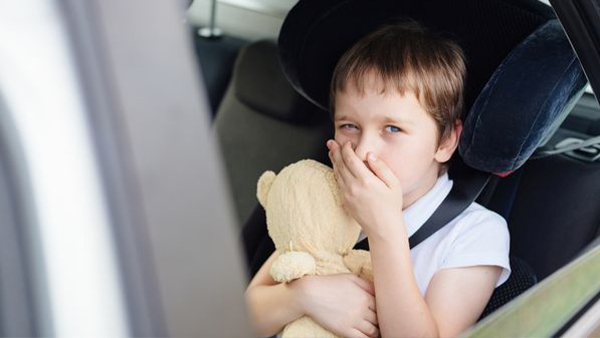
Essential Tips to Avoid Car Sickness in Children: Expert Advice for Dubai Families
Few things can derail a family road trip faster than a child suffering from car sickness. Whether you’re embarking on a weekend getaway from Dubai to the mountains of Fujairah, navigating the daily school run, or simply heading to the mall, motion sickness can turn even short car journeys into challenging experiences for both children and parents.
At myPediaClinic in Dubai, Dr. Medhat Abu-Shaaban and our team of pediatric specialists frequently help families understand and manage car sickness. While this common childhood condition can be distressing, the good news is that with the right strategies, most cases can be effectively prevented or minimized. In this comprehensive guide, we’ll explore everything you need to know about car sickness in children, from understanding why it happens to practical tips for keeping your young passengers comfortable on the road.
Understanding Car Sickness: What’s Happening in Your Child’s Body
Car sickness, also known as motion sickness or kinetosis, occurs when there’s a disconnect between what the eyes see and what the inner ear senses. The inner ear contains delicate structures that detect motion and help maintain balance. When a child is sitting in a moving car, their inner ear senses the movement, but if they’re looking down at a book or tablet, their eyes are telling the brain that they’re stationary. This sensory mismatch confuses the brain and can trigger the symptoms we associate with car sickness.
The exact mechanism involves the vestibular system (inner ear balance system), the visual system (eyes), and proprioceptors (sensors throughout the body that detect position and movement). When these three systems send conflicting information to the brain, it can result in nausea, dizziness, cold sweats, and vomiting—the classic signs of motion sickness.
Dr. Medhat Abu-Shaaban explains to families at myPediaClinic that car sickness is actually a sign of a well-developed vestibular system. Interestingly, infants and very young toddlers rarely experience motion sickness because their sensory systems are still developing. Car sickness typically begins around age 2 and is most common between ages 4 and 12, though it can affect people of any age.
Understanding this physiological basis helps parents appreciate that car sickness isn’t about weakness or attention-seeking—it’s a genuine physical response to conflicting sensory signals. With this knowledge, families can approach prevention and treatment with empathy and effective strategies.
Recognizing the Signs of Car Sickness
Children don’t always articulate clearly when they’re starting to feel unwell, so it’s important for parents to recognize the early signs of car sickness. The sooner you can intervene, the better chance you have of preventing full-blown symptoms.
Early warning signs include sudden quietness or withdrawn behavior, yawning, pale skin, cold sweats, increased swallowing or lip licking, complaints of feeling “funny” or uncomfortable, and restlessness or squirming in their seat. As symptoms progress, children may complain of dizziness, headache, or stomach discomfort. Nausea and vomiting are the most severe manifestations.
Some children at myPediaClinic report feeling better immediately after vomiting, while others continue to feel unwell for some time. Understanding your individual child’s pattern can help you prepare for trips and know when to stop and let them recover.
Pay particular attention on longer journeys, winding roads, and in stop-and-go traffic—situations that tend to exacerbate motion sickness. The combination of Dubai’s modern highways and occasional congested traffic means families might experience varied conditions even on a single journey.
Pre-Trip Preparation: Setting Up for Success
The best approach to car sickness is prevention, and that starts before you even get in the vehicle. Proper planning can make a significant difference in whether your child enjoys the ride or spends it feeling miserable.
Timing your travel: When possible, schedule car trips during times when your child is likely to nap. A sleeping child doesn’t experience motion sickness because the sensory conflict doesn’t occur when the eyes are closed and the mind is not actively processing visual information. Many Dubai families find that early morning or afternoon nap time departures work well for longer journeys.
Pre-trip meals: What and when your child eats before a car journey can significantly impact their susceptibility to motion sickness. A light meal 1-2 hours before travel is ideal—enough time for initial digestion but not so long that your child is hungry. Avoid heavy, greasy, or spicy foods before travel, as these can make nausea worse. Also skip dairy products if your child is particularly prone to car sickness, as these can be problematic if vomiting occurs.
Good pre-travel snack options include plain crackers, toast, cereal, pretzels, or fruit. At myPediaClinic, Dr. Yasmin Kottait often reminds families that ginger has natural anti-nausea properties, so ginger cookies or crystallized ginger can be helpful for older children who like the taste.
Hydration: Ensure your child is well-hydrated before the trip, but avoid excessive liquid consumption immediately before departure. Small sips of water during the journey are better than drinking large amounts at once.
Preparation and mental state: Anxiety can worsen motion sickness, so try to keep the atmosphere positive and relaxed. Avoid saying things like “You always get sick in the car” or “Don’t throw up,” as this can create a self-fulfilling prophecy. Instead, maintain a calm, matter-of-fact approach.
Optimal Seating Position and Environment
Where your child sits in the vehicle and the environment you create can have a substantial impact on motion sickness.
Seating position: The ideal position for a child prone to car sickness is in the middle of the back seat (if age-appropriate and your vehicle allows this with proper restraints), as this position allows a clear view out the front windshield and experiences less motion than seats over the wheels. If your child must sit in a side position, choose a window seat rather than the middle, as looking out the window helps the brain reconcile the sensory mismatch.
Ensure the child is seated high enough to see out the window easily. If their car seat or booster seat positions them too low to see out, they’ll be more likely to look down or around the car interior, increasing motion sickness risk. Proper positioning is not only important for safety but also for comfort during the journey.
Air circulation and temperature: Good ventilation is crucial for preventing car sickness. Fresh air can be remarkably effective in reducing nausea. Open windows slightly to allow air circulation, or direct the air conditioning vents toward your child (though avoid making them too cold). The gentle flow of fresh air across the face can provide significant relief.
Dubai’s climate means most families rely heavily on air conditioning, which is fine—just ensure the temperature is comfortable rather than excessively cold, as extreme cold can sometimes exacerbate nausea. Avoid strong air fresheners or perfumes in the car, as strong smells can trigger or worsen symptoms.
Minimize other sensory inputs: A quiet, calm car environment helps. Loud music, excessive chatter, or other stimulation can worsen symptoms. If your child is starting to feel unwell, turn down the music and minimize conversation.
During the Journey: Activities and Distractions
What your child does during the car ride significantly affects their likelihood of experiencing motion sickness. The key is encouraging activities that involve looking out at the horizon rather than focusing on near objects inside the car.
Looking at the horizon: The single most effective thing a child can do is look out the window at distant objects or the horizon. This helps the brain reconcile the conflicting sensory signals because the eyes now confirm what the inner ear is sensing—that they’re moving. Encourage your child to watch the scenery passing by, spot road signs, or play “I spy” games that involve looking out the window.
Explain to older children why looking out works: “When you look at the road ahead, your eyes and ears agree that we’re moving, and that stops your tummy from feeling sick.” Understanding the reason can motivate them to cooperate.
Avoiding near-focus activities: This is perhaps the most important preventive measure. Activities that require looking down or focusing on near objects—reading books, looking at tablets or phones, playing handheld video games, watching movies on a seatback screen, or doing crafts or coloring—are the most likely to trigger car sickness. The disconnect between the moving sensation and the stationary visual focus is maximal with these activities.
Dr. Medhat Abu-Shaaban understands that this advice can be challenging for modern families who often rely on screens to keep children entertained during car journeys. For children who absolutely cannot avoid screens, position the device as high as possible in their line of sight (rather than on their lap) and take frequent breaks to look out the window. However, for children prone to motion sickness, eliminating screens during car travel is strongly recommended.
Alternative entertainment: So if books, tablets, and movies are out, what can children do on long car rides? Here are motion-sickness-friendly activities that families at myPediaClinic have found successful:
- Audiobooks, podcasts, or music (listening doesn’t trigger motion sickness)
- Conversation games like 20 Questions, the Alphabet Game, or storytelling
- Singing together
- Counting games involving things seen outside (count all the red cars, count the camels, etc.)
- License plate games
- Sleeping (if possible)
For families traveling from Dubai to other emirates or neighboring countries, planning stops at interesting points along the route can break up the journey and give children a chance to move around, which helps prevent motion sickness from building up.
Strategic Breaks and Stops
Regular breaks are essential on longer journeys, both for preventing motion sickness and for overall comfort and safety. The vestibular system gets a chance to “reset” when the car is stopped and the child can get out and move around.
Plan to stop every 60-90 minutes on long trips. Use these breaks to let your child stretch, walk around, get fresh air, use the bathroom, and have a small snack or sip of water. Even a 10-minute break can make a significant difference. In the UAE, there are many excellent rest stops along major highways between emirates that make this easy.
If you notice your child starting to show signs of motion sickness, stop as soon as it’s safe to do so. Have them get out of the car, breathe fresh air, and lie down if possible. Many children feel better quite quickly once the motion stops. Don’t rush to get back on the road; give your child time to fully recover before continuing.
During breaks, encourage gentle activity like walking rather than running or playing vigorously, as overexertion can worsen nausea if it’s already starting. Let your child set the pace for when they feel ready to continue the journey.
Natural Remedies and Techniques
Several natural approaches can help prevent or reduce car sickness without medication:
Ginger: This natural anti-nausea remedy has been used for centuries and has scientific support for its effectiveness. For children who like the taste, options include ginger candies, crystallized ginger, ginger cookies, or ginger ale (though watch the sugar content). Start with small amounts before the trip to ensure your child tolerates it well.
Peppermint: The scent of peppermint can help settle the stomach. Peppermint candies or even a drop of peppermint essential oil on a tissue (kept near but not directly touching the child) can provide relief. Some families keep peppermint oil in the car for this purpose.
Acupressure: The P6 (Nei Guan) acupressure point, located on the inside of the wrist about two thumb-widths above the wrist crease, has been shown to help with nausea. Acupressure wristbands designed to stimulate this point are available at pharmacies in Dubai and online. While evidence for their effectiveness is mixed, many families report they help, and they have no side effects, making them worth trying.
Controlled breathing: Teaching older children to take slow, deep breaths can help manage nausea. Breathing exercises engage the parasympathetic nervous system, which can calm the nausea response. Practice this technique when not in the car so your child knows how to use it when needed.
Cold compress: A cool, damp cloth on the forehead or back of the neck can provide symptomatic relief. Keep a small cooler in the car with a damp washcloth in a sealed bag for this purpose.
Dr. Medhat Abu-Shaaban at myPediaClinic notes that while these natural remedies can be helpful, their effectiveness varies from child to child. It may take some trial and error to find what works best for your family.
When to Consider Medication
For children with severe motion sickness that doesn’t respond to behavioral and environmental strategies, medication may be appropriate. However, this should always be discussed with your pediatrician first.
Several over-the-counter and prescription medications can prevent motion sickness, but they’re not appropriate for all ages and can have side effects. Common options include antihistamines like dimenhydrinate, which is available over the counter in Dubai but should be used only under medical guidance for children. The typical side effect is drowsiness, which some families actually view as a benefit for long trips, though it’s not suitable if your child needs to be alert upon arrival.
Medication for motion sickness is most effective when taken 30-60 minutes before travel, so planning ahead is essential. Some medications are not recommended for children under certain ages, which is why consultation with your pediatrician at myPediaClinic is important before using any motion sickness medication.
Dr. Medhat Abu-Shaaban typically recommends trying all non-medication strategies first, reserving medication for situations where motion sickness is severe and significantly impacting the child’s quality of life or the family’s ability to travel. For occasional trips where motion sickness is expected to be a problem, medication can be a reasonable solution when used appropriately.
Special Considerations for Dubai Families
Living in Dubai presents unique considerations when it comes to managing car sickness in children:
Heat management: The intense heat in Dubai, especially during summer months, can exacerbate nausea. Always pre-cool the car before your child gets in. Modern cars with remote start features make this easy. If your car has been sitting in the sun, let it cool down with the AC running before having your child enter. The combination of heat and motion can be particularly challenging.
Driving conditions: Dubai’s mix of smooth highways and occasional congested traffic can create varying motion patterns. Stop-and-go traffic tends to be worse for motion sickness than steady highway driving. When possible, use navigation apps to avoid heavily congested routes, or time your travel to avoid peak traffic hours.
Weekend travel: Many Dubai families travel to other emirates on weekends. The routes to popular destinations like Fujairah, Ras Al Khaimah, or Al Ain often include winding mountain roads, which can be particularly challenging for children prone to motion sickness. Plan extra time for breaks and consider starting very early in the morning when children might sleep through the curvy sections.
Cultural considerations: Some traditional remedies used in Middle Eastern and South Asian cultures have been passed down through generations. While there’s limited scientific evidence for some of these, if a remedy is safe and brings comfort, it can be worth trying. Always verify with your pediatrician at myPediaClinic that any traditional remedy is safe for your child.
Teaching Your Child to Manage Their Own Symptoms
As children get older, they can learn to recognize their own early symptoms and communicate their needs. Teaching them to be proactive can prevent many car sickness episodes.
Help your child identify their personal early warning signs. Some children always yawn first, others feel a “funny feeling” in their stomach, and others start to feel cold. Once they recognize their pattern, they can alert you early, when intervention is most effective.
Teach older children strategies they can use themselves: looking at the horizon, taking deep breaths, asking for fresh air, or requesting a stop. Giving them some control over the situation can also reduce the anxiety that sometimes worsens symptoms.
Make sure they know that car sickness is a normal, manageable condition and not something to be embarrassed about. Creating a shame-free environment where they feel comfortable speaking up is important for effective management.
Dealing with Vomiting: Practical Preparedness
Despite your best prevention efforts, vomiting can sometimes still occur. Being prepared makes the situation much more manageable and less stressful for everyone.
Keep a “car sickness kit” in your vehicle at all times. This should include several plastic bags (zippered bags work best for containing odor), paper towels or wet wipes, tissues, a change of clothes for your child in a sealed bag, a towel or blanket that can be sacrificed if needed, and bottled water for rinsing the mouth.
If your child does vomit, pull over as soon as safely possible. Comfort your child and clean them up. Let them rinse their mouth with water (if they’re old enough to rinse and spit). Allow fresh air and time to recover before continuing. Sometimes children feel significantly better after vomiting and can continue the journey without further issues.
Clean the car as soon as possible, as the smell of vomit can trigger further nausea. Many families at myPediaClinic keep enzyme-based cleaners in their car specifically for this purpose.
Long-term Outlook: Do Children Outgrow Car Sickness?
One of the most common questions parents ask Dr. Medhat Abu-Shaaban is whether their child will outgrow car sickness. The answer is encouraging: most children do improve significantly as they get older.
Motion sickness tends to peak between ages 4 and 12. As children’s vestibular systems mature and they become more accustomed to motion, symptoms typically decrease. Many children who struggled with severe car sickness in early childhood find it becomes much less of an issue in their teenage years.
Regular exposure to car travel may also help build tolerance over time, though this isn’t a reason to force a suffering child to endure long car journeys. The key is finding the right balance between avoidance and gradual exposure, using all the strategies we’ve discussed to make travel as comfortable as possible.
Some individuals continue to experience motion sickness into adulthood, but even for them, understanding triggers and management strategies makes it a manageable condition rather than a limiting one.
Frequently Asked Questions About Car Sickness in Children
At what age can children start experiencing car sickness?
Car sickness is rare in infants and typically begins around age 2, becoming most common between ages 4 and 12. This timing coincides with the maturation of the vestibular system in the inner ear. Very young babies are less susceptible because their sensory systems haven’t developed to the point where sensory conflicts trigger the nausea response. If you notice symptoms in a very young child, it’s worth discussing with your pediatrician at myPediaClinic to rule out other causes.
Is there a genetic component to car sickness?
Yes, there does appear to be a hereditary element to motion sickness susceptibility. If you or your partner experienced significant motion sickness as a child, your children may be more likely to experience it as well. However, having a family history doesn’t guarantee your child will have problems, and conversely, children without a family history can still develop motion sickness. Dr. Medhat Abu-Shaaban notes that understanding your family history can help you be prepared and implement preventive strategies early.
Can looking at screens really cause car sickness even if my child usually looks at screens without problems?
Absolutely. Looking at screens while stationary (at home) doesn’t create the sensory conflict that occurs when looking at screens in a moving vehicle. When the car is moving, the inner ear senses motion, but when eyes are focused on a stationary screen, the visual system tells the brain there’s no movement. This mismatch is what triggers car sickness. Even children who never experience motion sickness otherwise can develop symptoms when focused on screens during car travel. This is why the increasing use of tablets and phones in cars has led to more reported cases of car sickness in recent years.
My child never used to get car sick, but suddenly started. What changed?
It’s common for car sickness to emerge or worsen as children get older, particularly between ages 4 and 8 when the vestibular system is maturing. Additionally, changes in behavior—such as a child who previously slept during car rides now staying awake, or a child who looked out the window now wanting to play with devices or read—can trigger symptoms that weren’t present before. Increased anxiety, illness, or ear infections can also temporarily increase susceptibility to motion sickness. If the onset is sudden and severe, or if it’s accompanied by other symptoms, it’s worth having your child evaluated at myPediaClinic to rule out any ear or other health issues.
Are some children more susceptible to car sickness than others?
Yes, definitely. Some children seem particularly prone to motion sickness while others can read, play games, and watch movies in the car without any problems. Factors that may increase susceptibility include a family history of motion sickness, anxiety or stress, migraines (children who have migraines often have increased motion sickness), and acute ear infections or ear problems. Individual variation in vestibular system sensitivity also plays a role. Understanding that some children are simply more prone to this condition can help parents approach it with empathy and appropriate expectations.
Can car sickness be a sign of an underlying medical problem?
In most cases, car sickness is a benign condition related to sensory processing and doesn’t indicate any underlying medical problem. However, in rare cases, persistent or severe symptoms might warrant further evaluation. Inner ear problems, such as ear infections or vestibular disorders, can increase susceptibility to motion sickness. Migraines and motion sickness are sometimes linked. If your child experiences severe symptoms, has dizziness or balance problems when not in a car, or if you have any concerns about their symptoms, schedule an evaluation with Dr. Medhat Abu-Shaaban at myPediaClinic for a thorough assessment.
Does the type of vehicle matter for car sickness?
Yes, vehicle characteristics can influence motion sickness severity. Larger vehicles with smoother suspension (like many modern SUVs) may be more comfortable than smaller cars with stiffer suspension. The position of the seat matters too—middle seats over the rear axle tend to experience more motion than front seats. Vehicles with larger windows that provide better views outside may help children keep their eyes on the horizon. However, individual responses vary, and the most important factors are still seating position, activities during the ride, and environmental conditions rather than the specific vehicle type.
Can motion sickness medications have side effects?
Yes, like all medications, motion sickness treatments can have side effects. The most common is drowsiness, which is why some medications used for motion sickness are actually antihistamines. Other potential side effects can include dry mouth, blurred vision, or in rare cases, paradoxical excitation in young children. This is why it’s important to consult with your pediatrician at myPediaClinic before using any motion sickness medication. Dr. Medhat Abu-Shaaban can help you weigh the benefits against potential side effects and determine whether medication is appropriate for your child’s situation.
Are winding roads worse for car sickness than straight highways?
Generally yes, winding roads with lots of curves and elevation changes tend to provoke more motion sickness than straight, level highways. The constant changes in direction and the need for frequent braking and acceleration create more intense and varied motion signals. This is why routes through mountainous areas, like the drive from Dubai to Fujairah through the Hajar Mountains, can be particularly challenging for children prone to car sickness. If your route includes winding sections, plan extra time for breaks, and consider timing the trip for when your child might sleep through the curves.
Should I make my child eat before a car trip if they’re prone to car sickness?
Yes, but with careful consideration of what and when they eat. An empty stomach can actually make nausea worse, but so can a very full stomach or the wrong foods. The ideal is a light meal or snack 1-2 hours before departure. Bland, starchy foods like crackers, toast, or cereal are good choices. Avoid heavy, greasy, or spicy foods, and don’t have your child eat a large meal right before getting in the car. During the trip, small, bland snacks eaten at regular intervals are better than large amounts of food at once. The pediatric team at myPediaClinic can provide personalized nutrition advice based on your child’s specific needs and sensitivities.
Can dehydration make car sickness worse?
Yes, dehydration can exacerbate nausea and make motion sickness symptoms worse. However, drinking large amounts of liquid immediately before or during travel can also be problematic, as a sloshing, full stomach may worsen symptoms. The best approach is to ensure your child is well-hydrated in the hours leading up to travel, then offer small sips of water at regular intervals during the journey. In Dubai’s hot climate, staying hydrated is particularly important, but balance is key—frequent small sips rather than large quantities at once.
Is there any benefit to gradual exposure to car travel for building tolerance?
There is some evidence that regular exposure to motion can help build tolerance over time, a process called habituation. This is similar to how sailors eventually get their “sea legs.” However, this doesn’t mean you should force a child who’s suffering through long, unpleasant car journeys in hopes they’ll adapt. Instead, start with short trips using all the prevention strategies we’ve discussed, and gradually increase journey length as your child becomes more comfortable. The key is making the experiences as positive as possible while slowly building tolerance. Dr. Medhat Abu-Shaaban can help you develop an appropriate plan for your individual child.
Why do some children only get car sick on certain types of journeys?
This is because multiple factors influence whether car sickness occurs on any given trip. These include the route characteristics (winding versus straight roads), traffic conditions (stop-and-go versus steady), what the child ate beforehand, their activity level in the car, whether they’re looking at screens or out the window, their overall health that day, their anxiety level about the trip, temperature and ventilation in the car, and even the time of day and whether they’re tired. With so many variables at play, it’s common for a child to be fine on some trips but experience symptoms on others. Consistency in applying preventive strategies can help reduce this variability.
Can anxiety about getting car sick make it more likely to happen?
Unfortunately, yes. Anxiety can create a self-fulfilling prophecy with motion sickness. The worry about feeling sick can trigger stress responses in the body that actually make nausea more likely. This is why creating a calm, positive atmosphere around car travel is so important. Avoid saying things like “I hope you don’t get sick” or “Remember to tell me if you feel sick” before you even start the journey. Instead, stay matter-of-fact and positive. For children with significant anxiety about car travel, working with a pediatrician or counselor on anxiety management strategies may be helpful alongside the physical prevention strategies.
What should I do if my child vomits in the car?
First, stay calm—your reaction sets the tone for how your child will process the experience. Pull over as soon as it’s safe to do so. Help your child out of the car if possible, give them fresh air, and comfort them. Clean up your child first, then the car. Have them rinse their mouth with water if they’re old enough to do so without swallowing. Give them time to recover before continuing—don’t rush. Many children feel significantly better after vomiting and may be able to continue the journey with appropriate precautions. Keep your prepared car sickness kit stocked so you’re always ready to handle this situation calmly and efficiently.
Are there any apps or technology that can help with car sickness?
While it might seem counterintuitive given that screens often worsen car sickness, there have been some interesting technological developments. Some newer vehicles offer features designed to reduce motion sickness. However, for most families, the best “technology” is still the basics: fresh air, proper seating position, looking at the horizon, and avoiding near-focus activities. Apps that provide audiobooks or podcasts for entertainment without requiring visual focus can be helpful. Dr. Medhat Abu-Shaaban notes that while technology continues to advance, the fundamental strategies for preventing car sickness remain the most effective.
Can teething or illness make car sickness worse?
Yes, generally any condition that already involves digestive upset, nausea, or general discomfort can make car sickness more likely or more severe. Teething doesn’t directly cause car sickness, but a child who’s already uncomfortable from teething may have a lower threshold for developing nausea from motion. Similarly, if your child is fighting off an illness, even if they’re not obviously sick yet, they may be more susceptible to motion sickness. Inner ear problems, such as ear infections, can particularly increase motion sickness because they directly affect the vestibular system. If your child suddenly becomes much more sensitive to car travel, consider whether they might be coming down with an illness or have an ear infection.
Should I avoid car travel with a child prone to severe car sickness?
While it’s understandable to want to avoid triggering car sickness, completely avoiding car travel isn’t practical for most Dubai families and may actually prevent your child from developing tolerance over time. Instead, focus on implementing all available prevention strategies, choosing routes and times carefully, and starting with shorter trips to build confidence and tolerance. For necessary longer journeys, work with your pediatrician at myPediaClinic to develop a comprehensive plan that might include medication if appropriate. Most children with car sickness can travel successfully with the right approach, and many improve significantly as they grow older.
Is car sickness related to other types of motion sickness like seasickness or air sickness?
Yes, they’re all forms of motion sickness caused by the same fundamental mechanism—sensory mismatch between what the eyes see and what the inner ear senses. A child who experiences car sickness is more likely to also experience seasickness on boats or discomfort during air travel, particularly during turbulence. However, the severity can vary across different types of motion. Some children might have severe car sickness but be fine on boats, or vice versa. The same prevention strategies generally apply across all forms of motion sickness: focusing on the horizon, fresh air, avoiding near-focus activities, and staying calm.
Working with myPediaClinic to Manage Car Sickness
While car sickness is common and most cases can be managed with the strategies outlined in this guide, sometimes professional guidance is helpful. The pediatric team at myPediaClinic in Dubai is experienced in helping families develop personalized approaches to managing car sickness.
Dr. Medhat Abu-Shaaban can evaluate your child to rule out any underlying conditions that might be contributing to motion sickness, such as ear infections or vestibular problems. He can provide guidance on whether medication is appropriate for your child’s age and situation, and if so, which medication and dosage would be best.
For children with severe anxiety about car travel, our team can work with you on behavioral strategies to reduce anxiety and build positive associations with car journeys. We can also provide age-appropriate nutritional guidance to ensure your child is eating the right things at the right times before travel.
Dr. Yasmin Kottait, our pediatric dentist, can address any dental or oral health issues that might be affected by recurrent vomiting from severe motion sickness, such as enamel erosion from stomach acid exposure.
Final Thoughts: Making Car Travel Comfortable for Everyone
Car sickness can be frustrating and stressful for both children and parents, but it’s important to remember that it’s a common, manageable condition that most children outgrow. With the right strategies—proper seating position, fresh air, looking at the horizon, avoiding screens, strategic breaks, and appropriate snacks—most episodes can be prevented.
The key is being prepared, staying calm, and approaching each journey with a plan. What works for one child might not work for another, so be prepared to experiment with different strategies to find the combination that works best for your family.
For families living in Dubai, with our mix of modern highways and weekend travel opportunities to beautiful destinations across the UAE, managing car sickness effectively opens up possibilities for creating wonderful family memories. Don’t let motion sickness keep your family from exploring all that this region has to offer.
If your child experiences frequent or severe car sickness, or if you’re unsure about the best approach for your family, the team at myPediaClinic is here to help. Schedule an appointment with Dr. Medhat Abu-Shaaban or one of our other pediatric specialists to discuss your concerns and develop a personalized plan for comfortable, enjoyable family travel.
Contact myPediaClinic Dubai today to learn more about how we can support your child’s health and well-being, whether it’s managing car sickness or addressing any other pediatric health concern. Because every journey with your family should be filled with joy, not nausea.