
A Magic Way to Prevent Cavities After Kids Eat Sweets: Expert Advice from Dubai Pediatric Dentist
Sweet treats are an inevitable part of childhood in Dubai—from birthday celebrations at international schools to Eid festivities, Friday brunches with dessert buffets, and rewards for accomplishments. While completely eliminating sweets is neither realistic nor necessary, protecting teeth from the cavity-causing effects of sugar requires strategic approaches that busy Dubai parents can easily implement. Understanding how to minimize dental damage after sweet consumption helps children enjoy treats while maintaining healthy teeth and avoiding painful dental problems.
At myPediaClinic in Dubai Healthcare City, Dr. Yasmin Kottait, our specialist pediatric dentist, works with Dubai families to develop practical cavity prevention strategies that accommodate real life, including the occasional (or frequent) sweet consumption common in Dubai’s diverse food culture. Her evidence-based recommendations, including one surprisingly simple “magic” solution, help parents protect their children’s teeth without creating unrealistic restrictions or unnecessary dental fear. Working alongside Dr. Medhat Abu-Shaaban, our award-winning pediatrician, Dr. Kottait provides comprehensive guidance that considers both dental health and overall child wellbeing.
Understanding How Sweets Cause Cavities in Children’s Teeth
Knowing the mechanism of cavity formation helps Dubai parents understand why prevention strategies work and how to protect their children’s teeth effectively in an environment where sweets are abundant.
The Cavity Formation Process
Cavities don’t form immediately after eating sweets—they develop through a process involving bacteria, sugar, acid, and time. Your child’s mouth naturally contains bacteria, some beneficial and others harmful. Streptococcus mutans and other cavity-causing bacteria feed on sugars from sweet foods and drinks commonly found in Dubai’s diverse culinary landscape. As these bacteria consume sugar from Arabic sweets, international desserts, or sugary beverages, they produce acid as a waste product. This acid attacks tooth enamel, dissolving minerals in a process called demineralization. With repeated acid attacks over time, enamel weakens and eventually breaks down, forming cavities that can cause pain, infection, and expensive dental treatments.
Saliva provides natural protection by washing away food particles and bacteria, neutralizing acid, and delivering minerals that help rebuild (remineralize) enamel. However, saliva’s protective effects take time and can be overwhelmed by frequent sugar exposure—a common challenge in Dubai where children often have access to snacks and treats throughout the day at schools, homes, and social gatherings.
Frequency Matters More Than Quantity
Many Dubai parents focus on limiting the amount of sweets their children consume, but from a dental health perspective, frequency of exposure matters more than total quantity. This is an important distinction that Dr. Yasmin Kottait emphasizes during appointments at myPediaClinic. Eating a larger amount of sweets at one time is actually less harmful to teeth than consuming small amounts frequently throughout the day.
Each time your child eats or drinks something sugary, bacteria produce acid, and teeth undergo an acid attack lasting about 20-30 minutes. Between acid attacks, saliva works to neutralize acid and remineralize enamel. Frequent snacking on sweets or sipping on sugary drinks throughout the day creates constant acid attacks, preventing saliva from doing its protective work. In contrast, consuming sweets during or immediately after meals limits acid attack frequency, allowing adequate recovery time for teeth—a strategy particularly important for Dubai children attending schools where snacking patterns may vary.
Types of Sweets and Their Impact
Different types of sweets pose varying cavity risks for children in Dubai. Sticky candies, dried fruits, and chewy treats like gummies cling to teeth, especially in the grooves of back molars, providing prolonged sugar exposure as they slowly dissolve. Liquid sweets like juice, soda, or sweet drinks popular in Dubai’s hot climate bathe all tooth surfaces in sugar. Hard candies that dissolve slowly in the mouth create extended acid attacks. Quick-dissolving sweets consumed and swallowed rapidly provide briefer sugar exposure, though they’re still not ideal for dental health. Understanding these differences helps parents make smarter choices when sweets are inevitable at Dubai’s numerous social gatherings and celebrations.
The Magic Solution: Cheese After Sweets
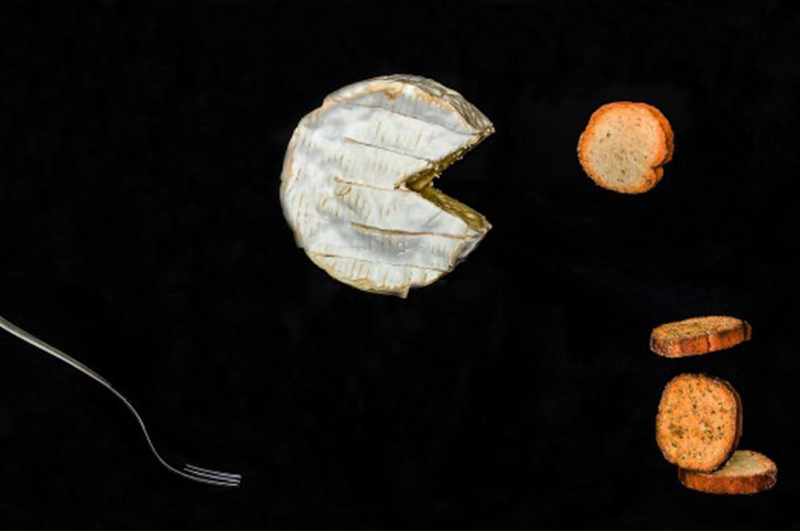
One of Dr. Yasmin Kottait’s favorite cavity prevention strategies is surprisingly simple, delicious, and backed by scientific research—eating cheese after sweets. This “magic” solution has become popular among myPediaClinic families in Dubai because it’s practical, affordable, and actually works to protect children’s teeth.
How Cheese Protects Teeth from Cavity Formation
Cheese offers multiple protective effects for teeth after sweet consumption, making it a powerful tool for Dubai parents trying to protect their children’s dental health. First, cheese neutralizes acid produced by bacteria feeding on sugar, raising mouth pH back toward neutral levels that don’t damage enamel. This acid-neutralizing effect happens quickly, stopping the acid attack that threatens tooth enamel. Second, cheese stimulates saliva production, enhancing natural cleansing and remineralization processes that help repair early enamel damage. Third, the calcium and phosphate in cheese provide minerals that help rebuild enamel, essentially delivering the building blocks teeth need to repair themselves. Fourth, cheese proteins coat teeth with a protective layer that provides a barrier against acid attacks. Finally, chewing cheese mechanically removes some food particles from tooth surfaces, particularly important for clearing sticky sweets from the grooves of back molars.
Research supports cheese’s protective effects, with studies showing that eating cheese after sugar consumption significantly reduces acid levels in the mouth and may help prevent cavities. This scientific backing gives Dubai parents confidence that this simple strategy truly works to protect their children’s teeth.
Practical Cheese Strategies for Dubai Families
Implementing this strategy is remarkably easy for families living in Dubai. Offer a small piece of cheese after desserts, birthday cake, or sweet treats at home or restaurants. Keep string cheese, cheese cubes, or sliced cheese readily available in your refrigerator at home for quick post-sweet protection—particularly helpful after school when children may come home with sweets from celebrations or events. Include cheese in children’s lunch boxes alongside any sweet items they take to international schools across Dubai. At parties common in Dubai’s active social scene, encourage children to eat cheese from appetizer platters after consuming cake or candy.
Most children enjoy cheese, making this intervention palatable and easy to implement—unlike some dental health strategies that children resist. At myPediaClinic in Dubai Healthcare City, Dr. Yasmin Kottait recommends this simple strategy to all families as an effortless way to protect teeth when complete sweet avoidance isn’t realistic, which is most of the time for children living in Dubai’s treat-filled environment.
Best Cheese Choices for Cavity Prevention
While all cheese provides some protective benefits, aged hard cheeses like cheddar, Swiss, and Parmesan offer particularly strong acid-neutralizing effects. However, any cheese is better than no cheese, so choose varieties your child enjoys to ensure compliance. String cheese is especially convenient for Dubai families—individually wrapped, portable, shelf-stable for reasonable periods, and appealing to children. Cream cheese and very soft cheeses provide fewer benefits than harder varieties but still offer some protection. Avoid processed cheese products that contain added sugars, which would defeat the purpose of the strategy.
Additional Strategies to Prevent Cavities After Sweets
While cheese is a powerful tool, combining it with other evidence-based strategies provides comprehensive protection for children’s teeth after sweet consumption in Dubai.
Timing Sweets Strategically
When children consume sweets significantly impacts cavity risk. Serve desserts and sweet treats immediately after main meals rather than as isolated snacks between meals. During regular meals, saliva production increases significantly, helping wash away food particles, dilute sugars, and neutralize acids more effectively than during between-meal snacking. Additionally, eating sweets along with other foods somewhat dilutes sugar concentration and provides protein and fat that may partially buffer acid production.
For Dubai families, this might mean serving traditional Arabic sweets after lunch or dinner rather than as afternoon snacks, or ensuring that birthday cake at school parties is eaten after lunch rather than mid-morning. This simple timing change can significantly reduce cavity risk without reducing the total amount of sweets consumed—an important consideration for maintaining balance in children’s lives.
Rinsing with Water After Sweets
If brushing immediately after sweets isn’t possible—which is often the case when children are at school, parties, or outings around Dubai—rinsing the mouth vigorously with water provides simple, effective protection. Water rinses away sugar and food particles from tooth surfaces, dilutes acids produced by bacteria, and stimulates saliva flow. This strategy is particularly valuable in Dubai’s schools and social settings where toothbrushes aren’t readily available.
Teach children to swish water around their mouth for 30 seconds after consuming sweets, making sure to rinse all areas including between teeth. Encourage children to carry water bottles to schools and activities, serving the dual purpose of hydration (crucial in Dubai’s hot climate) and dental health protection. Many Dubai families find this strategy easy to implement and maintain, as water is already a constant companion in the city’s warm environment.
Brushing After Sweets—With Important Timing Considerations
Brushing teeth after eating sweets is effective for cavity prevention, but timing matters. If the sweet consumed was acidic (like sour candies, citrus-flavored treats, or acidic beverages), wait 30-60 minutes before brushing to allow saliva to neutralize acid and begin remineralizing enamel. Brushing immediately after acidic exposure can actually damage softened enamel. For non-acidic sweets like chocolate, regular candy, or baked desserts, brushing soon after consumption effectively removes sugar and food particles.
At home in Dubai, establish a routine of brushing after dessert as part of bedtime preparation. For children attending international schools or activities during the day, brushing after sweets may not be practical, making alternative strategies like cheese consumption and water rinsing more valuable. Dr. Yasmin Kottait at myPediaClinic provides specific guidance tailored to each family’s schedule and circumstances during evening appointments.
Choosing Sugar-Free Gum with Xylitol
For older children and teenagers in Dubai, sugar-free gum sweetened with xylitol provides excellent post-sweet protection. Xylitol is a natural sugar alcohol that cavity-causing bacteria cannot metabolize, essentially starving them. Chewing stimulates substantial saliva production, enhancing natural protective mechanisms. Studies show that chewing xylitol gum after meals and sweet consumption can significantly reduce cavity risk.
Choose gum sweetened with xylitol rather than other artificial sweeteners for maximum cavity-fighting benefits. Have children chew for 10-20 minutes after consuming sweets for optimal protection. This strategy works particularly well for teenagers attending Dubai schools who may be resistant to other cavity prevention measures but enjoy chewing gum. However, this is appropriate only for children old enough to chew gum safely without choking risk—typically age 4 or older, though individual maturity varies.
Creating Healthy Sweet-Eating Habits for Dubai Children
Beyond immediate post-sweet protection strategies, establishing overall healthy habits around sweet consumption provides long-term cavity prevention for children growing up in Dubai.
Designating Sweet Times
Rather than allowing sweets throughout the day, establish designated sweet times—for example, only after lunch or only after dinner. This approach limits the frequency of acid attacks on teeth while still allowing children to enjoy treats. It also helps children develop healthy relationships with sweets, learning that treats are occasional pleasures rather than constant necessities available throughout the day.
For Dubai families, this might mean establishing a tradition of dessert after Friday lunch or allowing one sweet treat after dinner. Clear, consistent rules help children understand expectations and reduce negotiations about sweets—a common source of parent-child conflict in many households.
Choosing Better Sweets When Possible
While all sweets pose some cavity risk, making smarter choices when options exist can reduce dental damage. Chocolate that melts and clears from teeth relatively quickly is better than sticky candies that cling to teeth for extended periods. Fresh fruits, while containing natural sugars, also provide fiber, water, and nutrients, making them better choices than candy with added sugars. Ice cream that is consumed and swallowed is better than hard candies that dissolve slowly in the mouth, creating prolonged acid attacks.
However, these are relative comparisons—no sweet is truly good for teeth, and even “better” options require post-consumption protection strategies. The goal is harm reduction, not creating false comfort that some sweets are dental health foods.
Teaching Children About Dental Health
Age-appropriate education helps children understand why cavity prevention strategies matter and increases their cooperation with protective measures. Young children can learn that “sugar bugs” (bacteria) eat sweets and make acid that hurts teeth, so we need to wash away the sugar. Older children can understand the actual process of cavity formation and take ownership of protecting their teeth. Teenagers may be motivated by concerns about appearance, potential dental pain, or the inconvenience of dental treatments.
At myPediaClinic in Dubai, Dr. Yasmin Kottait excels at explaining dental health to children in age-appropriate ways that make sense and motivate cooperation without creating fear. This education, combined with positive dental experiences, helps children develop lifelong commitment to oral health.
Special Considerations for Dubai Families
Living in Dubai presents unique challenges and opportunities for cavity prevention that Dr. Yasmin Kottait addresses with families at myPediaClinic.
Cultural Celebrations and Sweets
Dubai’s diverse cultural landscape includes numerous celebrations featuring traditional sweets—Eid celebrations with special desserts, Diwali with mithai, Chinese New Year with sweet treats, Christmas cookies and cakes, and birthday parties common among the international school community. Rather than avoiding these important cultural moments, implement robust cavity prevention strategies around them. Ensure children eat cheese, rinse with water, or brush after consuming traditional sweets during celebrations. Plan extra dental hygiene attention during holiday periods when sweet consumption typically increases.
School Environments
International schools across Dubai handle sweets differently. Some limit sweet consumption, while others permit treats for birthdays and special occasions. Work with teachers to understand school policies and, when possible, suggest implementing simple cavity prevention strategies like having children drink water after consuming sweets during school celebrations. Pack cheese sticks in lunch boxes so children have cavity protection readily available after any sweets consumed at school.
Hot Climate Considerations
Dubai’s hot climate means children consume more beverages throughout the day for hydration. Unfortunately, many popular drinks contain sugars that contribute to cavity formation. Encourage water as the primary beverage between meals, saving sweetened drinks for mealtimes only. If children resist plain water in Dubai’s heat, try infusing water with fresh fruit slices for flavor without added sugar, or use very diluted juice as a transition strategy while working toward water acceptance.
Frequently Asked Questions About Preventing Cavities After Sweets
Why is cheese effective at preventing cavities after eating sweets?
Cheese prevents cavities through multiple protective mechanisms that work together to protect teeth after sweet consumption. First and most importantly, cheese neutralizes acid produced by bacteria feeding on sugar, quickly raising mouth pH back to neutral levels that don’t damage tooth enamel. Second, chewing cheese stimulates substantial saliva production, and saliva contains minerals that help rebuild enamel and enzymes that fight cavity-causing bacteria. Third, cheese provides calcium and phosphate—the exact minerals that teeth need to repair early enamel damage caused by acid attacks. Fourth, proteins in cheese form a protective coating on tooth surfaces that provides a barrier against acid. Finally, the physical act of chewing cheese mechanically removes some food particles and sugar residue from teeth. Research studies have confirmed these protective effects, showing measurable increases in mouth pH and reductions in cavity risk among children who eat cheese after consuming sweets. At myPediaClinic in Dubai, Dr. Yasmin Kottait recommends this evidence-based strategy to all families as a simple, effective way to protect children’s teeth.
How soon after eating sweets should my child eat cheese?
For maximum protective benefit, children should eat cheese as soon as possible after consuming sweets, ideally within a few minutes. The acid attack on teeth begins immediately when bacteria start feeding on sugar, so early intervention provides the best protection. However, eating cheese even 10-15 minutes after sweets still provides significant benefits by neutralizing ongoing acid production and stimulating protective saliva flow. At myPediaClinic in Dubai Healthcare City, Dr. Yasmin Kottait advises making cheese the immediate follow-up to any sweet consumption when possible. Practical implementation might mean offering cheese as dessert after a meal that included sweet items, keeping cheese sticks in children’s lunch boxes next to any sweet treats, or having cheese readily available in the refrigerator at home for quick post-sweet protection. The key is making this strategy as automatic and effortless as possible so it becomes a consistent habit rather than something you remember occasionally.
What types of cheese work best for preventing cavities?
Aged hard cheeses like cheddar, Swiss, Gouda, and Parmesan provide the strongest cavity-fighting benefits because they have particularly powerful acid-neutralizing properties and high calcium content. However, any cheese offers protection, so the best cheese is the one your child will actually eat consistently. String cheese is especially practical for Dubai families—individually wrapped portions are perfect for school lunch boxes, easy to grab from the refrigerator at home, portable for outings, and appealing to children. Mozzarella, mild cheddar, and Colby are popular with children who prefer milder flavors. Softer cheeses like cream cheese provide fewer benefits than harder varieties but still offer some protection. Avoid processed cheese products that contain added sugars, as these would defeat the purpose. During appointments at myPediaClinic, Dr. Yasmin Kottait helps families identify cheese varieties that match their children’s preferences and Dubai’s food availability, ensuring this strategy actually gets implemented rather than remaining theoretical.
Can my child drink milk instead of eating cheese after sweets?
While milk provides some benefits including calcium and some acid-buffering capacity, it is significantly less effective than cheese for cavity prevention after sweet consumption. Milk actually contains lactose, a natural sugar that bacteria can feed on, potentially contributing to cavity formation. Additionally, milk doesn’t raise mouth pH as effectively as cheese, doesn’t stimulate saliva production as powerfully, and provides less concentrated mineral content. That said, milk is certainly better than nothing and better than continuing to consume sweets or sugary beverages. If your child refuses cheese but will drink milk, it provides some protective benefit, though not as much as cheese. At myPediaClinic in Dubai, Dr. Yasmin Kottait encourages families to prioritize cheese when possible but acknowledges that any protective strategy children will actually comply with is better than ideal strategies they resist. The practical solution that gets implemented consistently beats the perfect solution that never happens.
How much cheese should my child eat after sweets to prevent cavities?
A small amount of cheese provides significant protective benefits—you don’t need large quantities to see cavity-fighting effects. One small cube of hard cheese (about 1/2 to 1 inch in size), one string cheese stick, or one thin slice of cheese provides adequate acid-neutralizing and protective effects. The goal is stimulating saliva, neutralizing acid, and providing some protective minerals, not filling your child up on cheese. For young children, even a few small bites of cheese offer benefits. Consuming excessive amounts doesn’t provide proportionally greater protection, so keep portions reasonable, especially for children with limited appetites or those watching calorie intake. During appointments at myPediaClinic in Dubai Healthcare City, Dr. Yasmin Kottait provides specific guidance based on your child’s age, size, overall diet, and dental health status, ensuring recommendations fit your family’s individual circumstances.
What if my child is lactose intolerant or has a milk allergy?
For children who cannot consume dairy due to lactose intolerance or milk allergy, alternative strategies provide cavity protection after sweet consumption. Water rinsing is safe for everyone and provides good protective benefits—have your child swish water vigorously in their mouth for 30 seconds after eating sweets. Sugar-free gum sweetened with xylitol works well for children old enough to chew gum safely (typically age 4 and older), providing cavity protection through saliva stimulation and xylitol’s antibacterial properties. Brushing teeth after sweets (with appropriate timing to avoid enamel damage after acidic foods) removes sugar and food particles effectively. Some children with lactose intolerance can tolerate aged hard cheeses, which contain minimal lactose, but this requires individual assessment with your pediatrician and allergist. At myPediaClinic in Dubai, Dr. Medhat Abu-Shaaban and Dr. Yasmin Kottait work together to develop cavity prevention strategies that accommodate allergies, intolerances, and dietary restrictions while still protecting dental health effectively.
Should children brush their teeth immediately after eating sweets?
The answer depends on the type of sweet consumed. If the sweet was acidic—such as sour candies, citrus-flavored treats, lemonade, or anything with a tart taste—wait 30-60 minutes before brushing to allow saliva to neutralize acid and begin remineralizing enamel that may have been softened by acid exposure. Brushing immediately after acidic exposure can actually damage this temporarily softened enamel. For non-acidic sweets like chocolate, regular candy, cookies, or most baked desserts, brushing soon after consumption effectively removes sugar and food particles without risk of enamel damage. When in doubt, the safe approach is eating cheese or rinsing with water immediately after sweets, then brushing 30-60 minutes later. At myPediaClinic in Dubai Healthcare City, Dr. Yasmin Kottait teaches families to recognize acidic sweets and time tooth brushing appropriately for different situations, ensuring that this protective measure helps rather than harms teeth.
Is rinsing with water really effective for preventing cavities?
Yes, rinsing with water after eating sweets provides meaningful cavity protection through several mechanisms. Water physically washes away sugar residue and food particles from tooth surfaces, removing the fuel that cavity-causing bacteria feed on. It dilutes acids produced by bacteria, reducing their concentration and damaging effects on enamel. The physical action of swishing water around the mouth stimulates saliva production, activating your child’s natural protective mechanisms. While water rinsing is less powerful than brushing or eating cheese, it provides significant benefits and has the enormous advantage of being possible anywhere, anytime—at school, parties, restaurants, or outings around Dubai where other strategies may not be practical. For maximum benefit, have your child swish water vigorously around their mouth for 30 seconds, making sure water reaches all areas including between teeth. This simple strategy is particularly valuable for children attending international schools in Dubai where toothbrushes aren’t available during the school day but water bottles are typically permitted.
Are some sweets better for teeth than others?
While all sweets pose some cavity risk, certain types cause less damage than others. Chocolate that melts and washes away relatively quickly is better than sticky candies like gummies, caramels, or taffy that cling to teeth for extended periods, providing prolonged sugar exposure. Sweets consumed and swallowed quickly are better than hard candies or lollipops that dissolve slowly in the mouth, creating extended acid attacks. Sugar-free candies and gum sweetened with xylitol or other sugar alcohols don’t feed cavity-causing bacteria and may actually provide some protective benefits. Fresh fruit, while containing natural sugars, also provides fiber, water, and nutrients, making it a better choice than candy with added sugars. However, these are relative comparisons—no sweet is truly good for teeth. The goal is harm reduction when sweets are consumed, not creating false comfort that some sweets are dental health foods. At myPediaClinic in Dubai, Dr. Yasmin Kottait helps families make informed choices while emphasizing that any sweet consumption should be followed by protective strategies like eating cheese, rinsing with water, or brushing teeth.
How often can children safely eat sweets without getting cavities?
There’s no magic number that guarantees cavity-free teeth, as individual susceptibility varies based on oral bacteria, saliva quality and quantity, oral hygiene habits, fluoride exposure, genetics, and overall diet. However, general guidelines suggest limiting sweet consumption to once or twice per day, preferably with or immediately after meals rather than as isolated snacks throughout the day. The key principle is limiting the frequency of acid attacks on teeth rather than obsessing over total sugar quantity. One dessert after dinner causes one acid attack lasting about 20-30 minutes, giving teeth adequate recovery time. In contrast, consuming small amounts of sweets six times throughout the day causes six separate acid attacks, providing almost no recovery time and dramatically increasing cavity risk. For Dubai children who attend social events, birthday parties, and cultural celebrations where sweets are abundant, focus on implementing strong protective strategies (cheese, water rinsing, brushing) rather than trying to eliminate sweets entirely, which is often unrealistic and may create unhealthy attitudes toward food. During appointments at myPediaClinic in Dubai Healthcare City, Dr. Yasmin Kottait assesses each child’s individual cavity risk and provides personalized recommendations for sweet consumption frequency that balances dental health with realistic, sustainable habits.
What should I do if my child already has cavities?
If your child has cavities, schedule an appointment with Dr. Yasmin Kottait at myPediaClinic in Dubai Healthcare City for proper treatment. Cavities require professional dental care—they don’t heal on their own and will only worsen without treatment, potentially causing pain, infection, and damage to permanent teeth developing beneath baby teeth. Dr. Kottait uses gentle, child-friendly techniques to treat cavities effectively while keeping children comfortable throughout the process. While treating existing cavities, implement the cavity prevention strategies discussed—eating cheese after sweets, rinsing with water, timing sweet consumption appropriately, and maintaining excellent oral hygiene—to prevent new cavities from forming and protect teeth that are currently healthy. Having cavities doesn’t mean your child will always have dental problems; many children with early cavities go on to maintain cavity-free teeth for years by implementing effective prevention strategies. The combination of professional treatment for existing problems and strong prevention for future protection provides the best outcomes for Dubai children’s long-term dental health.
Can adults benefit from eating cheese after sweets too?
Absolutely! The cavity-fighting benefits of cheese after sweet consumption apply equally to adults and children. Adults who enjoy sweets can protect their teeth using the same strategies recommended for children—eating cheese after desserts, rinsing with water, chewing xylitol gum, and timing sweet consumption appropriately. In fact, modeling these healthy habits yourself makes it much easier to implement them with your children, as children learn more from watching parent behavior than from verbal instructions alone. When the whole family eats cheese after dessert or rinses with water after consuming sweets at restaurants, these protective behaviors become normal family habits rather than special rules imposed only on children. Dubai families often find that implementing cavity prevention strategies for everyone creates consistency that makes compliance much easier and more automatic. At myPediaClinic, we serve patients from infancy through adolescence, but the dental health principles Dr. Yasmin Kottait teaches apply to people of all ages.
How can I get my child to cooperate with cavity prevention strategies?
Making cavity prevention strategies feel natural and positive rather than punitive or restrictive increases children’s cooperation. Present cheese as a treat or special privilege rather than as medicine or a rule, perhaps offering appealing varieties or fun shapes that children enjoy. Explain age-appropriately why these strategies help, using simple language like “cheese is magic food that protects your teeth from sugar bugs” for young children or more detailed scientific explanations for older children and teenagers. Model the behaviors yourself so children see the whole family participating rather than feeling singled out. Make strategies as automatic and effortless as possible by keeping cheese readily available, having water accessible, and building these behaviors into regular meal routines. Praise and positive reinforcement when children remember cavity prevention strategies themselves builds intrinsic motivation. At myPediaClinic in Dubai, Dr. Yasmin Kottait excels at communicating with children in ways that increase cooperation with dental health recommendations. Her child-centered approach makes children want to take care of their teeth rather than resist parent directives, creating long-term success with cavity prevention.
Are sugar-free sweets safe for teeth?
Sugar-free sweets are generally better for teeth than sugar-containing sweets because they don’t provide the fuel that cavity-causing bacteria need to produce acid. However, some important caveats exist. Many sugar-free products are sweetened with sugar alcohols like xylitol, sorbitol, or erythritol—xylitol actually provides active cavity-fighting benefits, while others are simply neutral for dental health. Some sugar-free sweets are acidic due to flavoring ingredients, and acid can damage enamel even without sugar-feeding bacteria. Sugar-free doesn’t necessarily mean healthy overall—many sugar-free products contain artificial ingredients, and excessive consumption can cause digestive issues in some children. Additionally, regularly consuming very sweet-tasting foods, even without actual sugar, may reinforce strong sweet preferences that affect overall dietary choices. Sugar-free gum sweetened with xylitol is an excellent choice for dental health, providing active protective benefits. For other sugar-free sweets, they’re certainly better for teeth than sugar-containing versions, but shouldn’t be consumed in unlimited quantities or viewed as completely harmless. At myPediaClinic in Dubai Healthcare City, Dr. Yasmin Kottait helps families navigate these nuances with practical, balanced guidance.
What role does fluoride play in preventing cavities from sweets?
Fluoride is one of the most powerful tools available for cavity prevention, providing protection through multiple mechanisms. Fluoride strengthens tooth enamel, making it more resistant to acid attacks from bacteria feeding on sugars. It enhances the remineralization process, helping teeth repair early enamel damage before cavities fully form. Fluoride can even reverse very early cavities in a process called reminineralization. For children in Dubai, fluoride comes primarily from toothpaste, as Dubai’s water supply does not contain added fluoride like some other regions. Dr. Yasmin Kottait at myPediaClinic recommends using fluoride toothpaste from the first tooth—just a tiny smear (rice grain size) for children under 3, and a pea-sized amount for children ages 3 and older. Some children benefit from additional fluoride through professional fluoride treatments at dental appointments, fluoride mouth rinses for older children and teenagers, or prescription high-fluoride toothpaste in cases of high cavity risk. Fluoride provides essential baseline protection, but works best when combined with other cavity prevention strategies like limiting sweet frequency, eating cheese after sweets, maintaining excellent oral hygiene, and attending regular dental checkups at myPediaClinic.
Should I avoid giving my child sweets altogether to prevent cavities?
Completely eliminating sweets from your child’s diet is neither necessary nor realistic for most Dubai families, and attempting to do so may actually create unhealthy relationships with food. Children living in Dubai encounter sweets at birthday parties, cultural celebrations, school events, restaurants, and social gatherings—trying to avoid all these situations isolates children socially and often backfires by making sweets seem even more desirable and special. Instead of complete avoidance, focus on smart strategies: limit the frequency of sweet consumption, implement protective measures like eating cheese or rinsing with water after sweets, establish clear guidelines about when sweets are appropriate, and maintain excellent oral hygiene habits. Teaching children that sweets are occasional treats to be enjoyed thoughtfully rather than forbidden foods creates healthier long-term attitudes and behaviors. Some children with extremely high cavity risk may need stricter limits, but most benefit from balanced, sustainable approaches. At myPediaClinic in Dubai Healthcare City, Dr. Yasmin Kottait helps families develop individualized plans that protect dental health while accommodating real life, including the reality that children in Dubai’s diverse, celebration-filled environment will sometimes eat sweets.
How do I know if my child is at high risk for cavities?
Several factors indicate that a child may be at higher risk for cavities and may need more intensive prevention strategies. A history of previous cavities, especially multiple cavities or cavities at a young age, indicates elevated risk. Visible white spots on teeth suggest early enamel demineralization that may progress to cavities. Deep grooves in back teeth provide areas where bacteria and food particles can accumulate and cause decay. Special needs or medical conditions that affect oral care, saliva production, or dietary habits can increase cavity risk. Frequent consumption of sugary foods or beverages throughout the day creates constant acid attacks that overwhelm protective mechanisms. Inadequate oral hygiene or resistance to brushing and flossing allows bacteria and food particles to remain on teeth. Limited fluoride exposure, such as using non-fluoride toothpaste or inconsistent brushing, reduces protective benefits. During appointments at myPediaClinic in Dubai Healthcare City, Dr. Yasmin Kottait conducts comprehensive cavity risk assessments for all children, identifying those who need enhanced prevention strategies and providing tailored recommendations. High-risk children may benefit from more frequent dental checkups, professional fluoride treatments, dental sealants, and stricter implementation of protective strategies like the cheese-after-sweets approach.
What’s the best way to handle sweets at birthday parties in Dubai?
Birthday parties are constant features of childhood in Dubai’s international school community, and navigating the inevitable cake and treats requires practical strategies rather than avoidance. Send your child to parties with cheese sticks in their pocket or bag, encouraging them to eat one after consuming cake or candy—many Dubai parents report this becomes automatic for their children over time. Ensure your child drinks plenty of water at parties, both for hydration in Dubai’s warm climate and for rinsing away sugar after consuming sweets. If the party is at your home and you’re comfortable with it, you might offer cheese alongside or immediately after serving cake, normalizing this protective strategy for all attending children. Focus on party activities and social aspects rather than food, helping your child understand that celebrations are primarily about friends and fun rather than just sweets. Don’t make your child feel deprived or different from peers—occasional treats at parties are part of normal childhood and won’t cause cavities if overall dental health habits are strong. Plan thorough tooth brushing that evening after returning home from the party, removing any remaining sugar and food particles. At myPediaClinic in Dubai, Dr. Yasmin Kottait understands the realities of Dubai’s active birthday party culture and provides practical guidance that protects dental health without isolating children socially.
How can I reduce my family’s overall sweet consumption?
Reducing sweet consumption benefits both dental health and overall health, but requires gradual, sustainable changes rather than dramatic restrictions that create resistance. Stock your Dubai home with appealing healthy snack options like fresh fruit, vegetables with hummus, cheese, nuts, and whole grain crackers, making these the easy default choices. Establish clear guidelines about when sweets are appropriate—for example, only after dinner or only on weekends—creating structure and predictability that reduces negotiations. Model limited sweet consumption yourself, as children adopt family food patterns more than they follow verbal rules. When serving sweets, offer reasonable portions rather than unlimited access, and serve them alongside meals rather than as isolated snacks. Gradually reduce the sweetness intensity of foods you prepare at home by using less added sugar in recipes—taste preferences adapt over time, and children who consume less sugar overall find naturally sweet foods more satisfying. Find non-food ways to reward, celebrate, and show love, as many families unconsciously associate treats with emotional experiences. Keep sweets out of sight rather than prominently displayed where they create constant temptation and requests. At myPediaClinic in Dubai Healthcare City, both Dr. Yasmin Kottait and Dr. Medhat Abu-Shaaban provide guidance about reducing sweet consumption as part of comprehensive health promotion that benefits children’s dental health, overall nutrition, and long-term wellbeing.
When should I schedule my child’s next dental checkup in Dubai?
Most children should visit the dentist every six months for routine checkups and professional cleanings, though some children with higher cavity risk may benefit from more frequent visits every three to four months. Regular dental visits at myPediaClinic in Dubai Healthcare City allow Dr. Yasmin Kottait to monitor dental development, catch cavities when they’re small and easily treated, apply preventive treatments like fluoride and sealants, and reinforce healthy oral hygiene habits. These appointments also provide opportunities to discuss concerns about sweet consumption, cavity prevention strategies, and any questions you have about your child’s dental health. Don’t wait for pain or visible problems to schedule dental appointments—by the time symptoms appear, dental issues often require more extensive treatment. Our convenient evening hours make it easier for busy Dubai families to maintain consistent dental care without missing school or work. To schedule your child’s next appointment or discuss cavity prevention strategies personalized for your family, contact myPediaClinic at +971-4-430-5926. Dr. Yasmin Kottait, working alongside Dr. Medhat Abu-Shaaban and our entire pediatric team at our Dubai Healthcare City location, is dedicated to keeping your child’s teeth healthy, strong, and cavity-free throughout childhood and beyond.
Implementing Cavity Prevention in Your Dubai Family
Protecting your child’s teeth from cavity damage after eating sweets doesn’t require eliminating all treats or implementing complex, burdensome routines. The “magic” solution of eating cheese after sweets, combined with other simple strategies like water rinsing, strategic timing of sweet consumption, and maintaining excellent oral hygiene, provides powerful protection that fits realistically into busy Dubai family life.
The key to success is consistency—cavity prevention strategies work best when they become automatic habits rather than occasional interventions you remember sometimes. Keep cheese readily available in your refrigerator and in children’s lunch boxes. Encourage water rinsing as a routine after any sweet consumption. Time treats to occur with or after meals rather than as frequent between-meal snacks. Maintain regular dental checkups at myPediaClinic where Dr. Yasmin Kottait can monitor your child’s dental health and catch any problems early.
Remember that perfection isn’t the goal—reducing cavity risk through consistent implementation of protective strategies allows children to enjoy occasional sweets as part of balanced, joyful childhoods while still maintaining healthy teeth. Living in Dubai means your children will encounter sweets at schools, celebrations, and social gatherings throughout their childhood. Rather than fighting against this reality, equip them with simple, effective tools to protect their teeth.
Professional Support at myPediaClinic Dubai Healthcare City
At myPediaClinic in Dubai Healthcare City, Dr. Yasmin Kottait provides comprehensive pediatric dental care that combines evidence-based cavity prevention with gentle, child-friendly treatment approaches. Working alongside Dr. Medhat Abu-Shaaban, our award-winning pediatrician, Dr. Kottait offers integrated care that considers your child’s overall health and development alongside their dental needs.
Our convenient evening hours accommodate Dubai families’ busy schedules, allowing you to prioritize your child’s dental health without disrupting work or school commitments. During appointments, Dr. Kottait provides personalized guidance about cavity prevention strategies tailored to your child’s individual risk factors, preferences, and your family’s lifestyle.
Whether you need routine preventive care, treatment for existing cavities, or expert advice about protecting your child’s teeth in Dubai’s sweet-filled environment, myPediaClinic offers the specialized pediatric expertise and comprehensive support your family deserves. Don’t wait for dental problems to develop—proactive prevention keeps children comfortable, healthy, and cavity-free.
To schedule an appointment with Dr. Yasmin Kottait or learn more about cavity prevention strategies for your child, contact myPediaClinic today at +971-4-430-5926. Visit us at Al Razi Building, Block B, First Floor, Unit 1011, Dubai Healthcare City, where our entire pediatric team is dedicated to keeping Dubai children healthy, comfortable, and smiling. Let us help you implement simple, effective strategies like the “magic” cheese solution that protect your child’s teeth while allowing them to enjoy childhood’s sweet moments.