

The Pros and Cons of Metal Braces: What Every Dubai Parent Should Know
When your child needs orthodontic treatment, metal braces are often the first option discussed—and for good reason. These time-tested orthodontic appliances have straightened millions of smiles worldwide and remain the most commonly used treatment option. However, like any medical treatment, metal braces come with both advantages and disadvantages that parents should understand before making decisions about their child’s care. At myPediaClinic in Dubai Healthcare City, we help families understand their options so they can make informed choices about their children’s health.
Understanding the complete picture—both the benefits and limitations of metal braces—empowers you to have meaningful conversations with orthodontists and set realistic expectations for treatment. This comprehensive guide explores every aspect of metal braces, from their remarkable effectiveness to the challenges they present, helping Dubai parents navigate this important healthcare decision with confidence.
Whether you’re just beginning to explore orthodontic options or are close to making a decision, this information will help you understand what metal braces can and cannot offer, what daily life during treatment looks like, and how to determine if metal braces are the right choice for your child.
Understanding How Metal Braces Work
Before examining the pros and cons, understanding how metal braces function helps contextualize their advantages and limitations.
The Components of Metal Braces
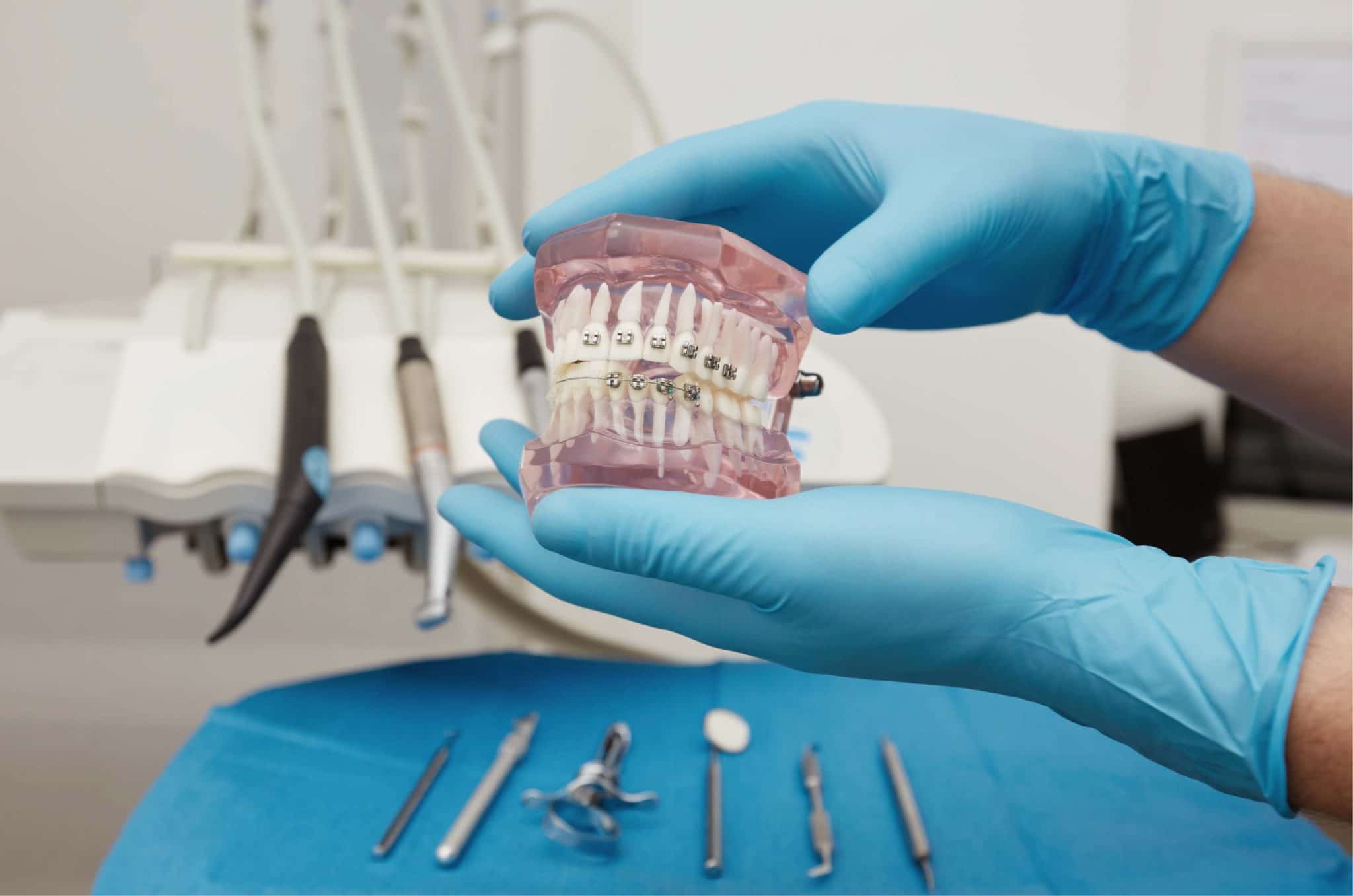
Modern metal braces consist of several key components working together. Brackets are small metal squares bonded directly to the front surface of each tooth using dental adhesive. Archwires are thin metal wires that run through the brackets, connecting them and providing the force that moves teeth. Ligatures are small elastic bands (often colored) that hold the archwire to each bracket. Some newer systems use self-ligating brackets with built-in clips instead. Bands are metal rings cemented around back molars, providing stable anchor points. Additional components like springs, rubber bands, and power chains may be added to address specific tooth movements.
The Science of Tooth Movement
Braces work through a biological process called bone remodeling. When consistent pressure is applied to a tooth, the bone on one side of the tooth root gradually breaks down (resorption), while new bone forms on the opposite side (deposition). This allows teeth to shift through the jawbone into new positions. The archwire provides this pressure, and as it tries to return to its original shape, it pulls or pushes teeth along with it. At regular adjustment appointments, the orthodontist changes the archwire or adjusts its tension to continue guiding teeth toward their final positions.
The Significant Advantages of Metal Braces
Metal braces have remained the gold standard in orthodontics for decades because of their substantial advantages over alternative treatments.
Exceptional Effectiveness Across All Case Types
Metal braces can correct virtually every type of orthodontic problem. Severe crowding, even when teeth overlap significantly, can be aligned. Gaps between teeth can be closed. Overbites, underbites, and crossbites can be corrected. Rotated teeth can be straightened. Complex cases involving both teeth and jaw relationships can be addressed. No other orthodontic treatment matches the versatility of metal braces. While clear aligners have improved dramatically, they still have limitations with certain tooth movements and complex cases. Metal braces remain the only option that can handle everything.
Superior Durability and Reliability
Made from high-grade stainless steel, metal brackets are remarkably durable. They resist chipping, cracking, and breaking far better than ceramic alternatives. They tolerate the forces of chewing without damage. They remain securely bonded throughout treatment. They function reliably even with active, athletic children. This durability translates to fewer emergency appointments, less treatment disruption, and more predictable progress. For children who play sports, roughhouse, or may not always follow care instructions perfectly, metal braces’ robust construction provides an important safety margin.
Faster Treatment Times in Many Cases
Because metal brackets can withstand stronger forces without breaking, orthodontists can often apply more pressure to teeth, potentially accelerating movement. Studies comparing treatment times between metal and ceramic braces have sometimes shown modest advantages for metal braces, particularly in complex cases. While the difference isn’t dramatic, faster treatment is always welcome for children eager to complete their orthodontic journey.
Lower Cost Than Alternatives
Metal braces are typically the most affordable orthodontic option. The materials cost less to manufacture than ceramic brackets or clear aligner systems. The treatment is well-established, allowing efficient workflows. Insurance coverage often favors traditional braces. For families managing healthcare budgets—particularly those with multiple children who may need orthodontics—this cost advantage can be significant. The money saved might fund retainers, future dental work, or other family needs.
No Patient Compliance Requirements
Unlike removable options like clear aligners, metal braces work 24 hours a day regardless of patient behavior. There’s no need to remember to wear them. There’s no temptation to remove them for special occasions. There are no hours-per-day requirements to track. Treatment isn’t delayed by inconsistent wear. For children and teenagers who might struggle with the discipline required for removable appliances, metal braces ensure treatment progresses as planned without relying on patient compliance.
Precise Control Over Tooth Movement
Orthodontists have exceptional control over tooth movement with metal braces. They can make precise adjustments at each appointment to fine-tune movement. Individual teeth can be targeted with specific forces. Complex rotations and movements that challenge other systems are achievable. Final positioning can be refined until ideal. This precision helps achieve optimal results, particularly for complex cases requiring meticulous tooth positioning.
Fun Customization Options
For children who embrace rather than hide their braces, colored ligatures offer a fun form of self-expression. They can match school colors or sports team themes. Holiday colors can celebrate seasons and occasions. Favorite colors allow personal expression. Colors can change at each appointment, providing variety. This ability to personalize braces can transform them from something children dread to something they enjoy. Making treatment fun improves the overall experience.
The Challenges and Limitations of Metal Braces
Despite their many advantages, metal braces have genuine limitations that families should understand before treatment begins.
Highly Visible Appearance
The most obvious limitation of metal braces is their visibility. The metallic brackets and wires are immediately noticeable when smiling or speaking. This visibility cannot be disguised or minimized. Unlike ceramic braces or clear aligners, metal braces make it obvious that someone is undergoing orthodontic treatment. For image-conscious teenagers, this visibility can cause significant self-consciousness. Some children resist smiling, avoid photographs, or feel embarrassed during the 18-36 months of treatment. While many children adapt and don’t mind their braces, for others, the aesthetic impact genuinely affects their well-being.
Initial Discomfort and Adjustment Period
Beginning orthodontic treatment with metal braces involves a significant adjustment period. Lips and cheeks must adapt to the brackets’ presence. The metal edges can irritate soft tissues, causing sores. Teeth become sore as they begin moving. Chewing may be uncomfortable initially. Speech may be temporarily affected. Most patients adjust within two to four weeks, but this period can be challenging. Dental wax helps protect tissues from bracket irritation, and pain relievers manage soreness, but the adjustment is undeniably uncomfortable.
Discomfort After Adjustments
Throughout treatment, adjustment appointments involve tightening wires or changing to new archwires, which increases pressure on teeth. This typically causes soreness for several days after each appointment. Chewing may be uncomfortable. Some children describe it as teeth feeling “loose” or “achy.” While manageable with over-the-counter pain relievers and soft foods, this recurring discomfort is part of the metal braces experience.
Dietary Restrictions
Metal braces require avoiding certain foods to prevent damage. Hard foods like nuts, hard candies, ice, and raw carrots (unless cut small) risk breaking brackets. Sticky foods like caramels, taffy, and chewing gum can pull brackets off or become trapped in braces. Chewy foods like bagels and tough meats require extra caution. Crunchy snacks like popcorn (kernels can break brackets) and chips need to be eaten carefully. These restrictions can feel limiting, especially for children who love the prohibited foods. While the restrictions aren’t absolute, they require ongoing vigilance throughout treatment.
Oral Hygiene Challenges
Keeping teeth clean with braces is significantly more difficult than without them. Brackets and wires create numerous places for food to become trapped. Brushing must be thorough around each bracket, along the gumline, and on all tooth surfaces. Flossing requires special threaders to navigate around wires. Without meticulous hygiene, plaque buildup can cause white spot lesions (permanent discoloration), cavities, and gum inflammation. For children who already struggle with consistent brushing, adding braces to the equation makes oral hygiene even more challenging. Regular dental cleanings become especially important during orthodontic treatment.
Risk of White Spot Lesions
If oral hygiene isn’t maintained, decalcification can occur around brackets, leaving permanent white spots on teeth when braces are removed. These white spot lesions represent mineral loss from the enamel—essentially the beginning stages of cavities. While preventable with good hygiene, they’re a genuine risk, particularly for younger children who may not brush thoroughly. The irony of ending orthodontic treatment with straight but permanently discolored teeth is a concern parents should take seriously.
Soft Tissue Injuries
The metal brackets and wires can cut or irritate the inside of lips, cheeks, and sometimes the tongue. While dental wax provides protection, injuries can occur, especially during sports or physical activity. Active children face higher risk. Mouthguards designed for braces help protect during sports, but injuries still happen.
Treatment Timeline
Metal braces typically remain in place for 18-36 months, depending on case complexity. This extended treatment period can feel long to children eager to be done with braces. Unlike some clear aligner treatments that can be completed more quickly for simple cases, braces remain a multi-year commitment.
Frequent Appointments
Orthodontic treatment requires regular appointments—typically every 4-8 weeks throughout the treatment period. These appointments can be difficult to schedule around school and activities. They require transportation and parent presence for younger children. Over a treatment spanning years, the cumulative impact of these appointments adds up.
Comparing Metal Braces to Alternatives
Understanding how metal braces compare to other options helps put their pros and cons in perspective.
Metal Braces vs. Ceramic Braces
Ceramic braces use tooth-colored brackets instead of metal, making them less visible. They’re functionally similar to metal braces but cost more and are slightly less durable. Ceramic braces may be worth considering for aesthetically conscious patients who need the treatment capabilities of traditional braces but want reduced visibility. However, metal braces remain more durable and affordable.
Metal Braces vs. Clear Aligners
Clear aligners like Invisalign offer nearly invisible treatment with removable trays. They’re more comfortable and allow normal eating and brushing. However, they require excellent patient compliance (wearing them 20-22 hours daily), cost more than metal braces, may extend treatment time if not worn consistently, and can’t handle all orthodontic problems. Metal braces work continuously without relying on patient behavior. For younger children or teenagers who might not wear aligners consistently, metal braces may deliver more reliable results.
Metal Braces vs. Lingual Braces
Lingual braces attach to the back surfaces of teeth, making them invisible from the front. They offer the treatment capabilities of traditional braces with complete invisibility. However, they’re significantly more expensive, can be uncomfortable for the tongue, and require specialized orthodontic expertise. For most children, lingual braces’ high cost makes them impractical compared to metal braces.
Making Metal Braces Work Well: Practical Tips
If your child is getting metal braces, several strategies help maximize the positive experience and minimize challenges.
Preparing for the Adjustment Period
Stock up on soft foods for the first week or two—mashed potatoes, yogurt, smoothies, pasta, and soft-cooked vegetables. Have pain relievers ready (approved by your pediatrician). Purchase dental wax in advance to manage any bracket irritation. Set realistic expectations—your child should know some discomfort is normal and temporary.
Maintaining Excellent Oral Hygiene
Invest in the right tools: orthodontic toothbrushes designed to clean around brackets, floss threaders or orthodontic flossers for easier flossing, water flossers that can help clean around braces, and fluoride mouthwash to strengthen enamel. Supervise brushing for younger children, and consider timing dental cleanings more frequently during treatment.
Managing Dietary Restrictions
Find acceptable alternatives to restricted favorites—for example, chocolate melts in the mouth and is safer than hard candies. Cut foods like apples and carrots into small pieces rather than biting directly. Have braces-friendly snacks readily available so your child isn’t tempted by problematic options.
Protecting Braces During Activities
Invest in a quality mouthguard designed to fit over braces for any sports participation. Consider extra protection for contact sports. Have your orthodontist’s emergency contact information readily available in case of sports-related damage.
Making Appointments Manageable
Schedule appointments well in advance and batch them with other medical visits when possible. Consider early morning or late afternoon slots that minimize school absence. Keep a calendar specifically for orthodontic appointments to track the schedule.
Who Are the Best Candidates for Metal Braces?
Certain patients are particularly well-suited to metal braces treatment.
Children with Complex Orthodontic Needs
For severe crowding, significant bite issues, or complex cases involving multiple problems, metal braces offer the most reliable treatment option. Their versatility handles challenges that other treatments cannot.
Active Children and Athletes
The durability of metal braces makes them ideal for physically active children. While mouthguards are still important, metal braces withstand the occasional impact better than ceramic alternatives.
Younger Children
Children who might not consistently comply with removable aligners benefit from braces that work continuously without requiring patient cooperation. The “set it and forget it” nature of braces ensures treatment progresses regardless of the child’s consistency.
Budget-Conscious Families
When cost is a significant consideration, metal braces provide excellent results at the most affordable price point. The treatment is no less effective than more expensive alternatives—just more visible.
Children Who Don’t Mind Visibility
Many children genuinely don’t mind visible braces, especially with the normalization of orthodontic treatment in schools. Some even enjoy the colored bands and embrace their braces as part of their current identity. For these children, metal braces offer the best combination of effectiveness and value.
Frequently Asked Questions About Metal Braces
How long will my child need to wear metal braces?
Treatment duration depends on case complexity, ranging from 18 months for simpler cases to three years for more complex issues. Your orthodontist will provide an estimated timeline after evaluation, though actual duration may vary based on how treatment progresses and compliance with instructions.
Do metal braces hurt?
Some discomfort is normal, particularly during the initial adjustment period and for several days after each tightening appointment. However, pain is typically manageable with over-the-counter pain relievers and soft foods. Most children adapt quickly and don’t experience significant ongoing pain.
Can my child play sports with metal braces?
Yes, with proper protection. A mouthguard designed to fit over braces protects both the teeth and the orthodontic appliances. Many orthodontists provide or recommend specific mouthguards for their patients. With appropriate precautions, children can participate in all sports during treatment.
Will metal braces affect my child’s speech?
Some children experience slight speech changes initially as their tongue adjusts to the brackets. This typically resolves within days to a few weeks as the mouth adapts. Significant ongoing speech effects are rare.
How often are adjustment appointments needed?
Typically every 4-8 weeks throughout treatment. The exact frequency depends on your orthodontist’s treatment approach and your child’s progress. Appointments usually last 15-30 minutes.
What happens if a bracket breaks?
Contact your orthodontist promptly if a bracket breaks or comes loose. While not always an emergency, broken brackets should be repaired reasonably soon to keep treatment on track. Dental wax can cover any sharp edges in the meantime.
Are metal braces safe with allergies?
Most metal braces use stainless steel, which contains some nickel. True nickel allergies severe enough to affect braces are rare, but if your child has known metal allergies, discuss this with your orthodontist. Alternative bracket materials are available if needed.
What comes after braces are removed?
Retainers are essential after braces to maintain tooth positions. Initially worn full-time, retainer wear typically transitions to nighttime only. Some patients receive permanent wire retainers bonded behind their front teeth for continuous retention. Compliance with retainer wear is crucial—without it, teeth can shift back toward their original positions.
Can my child switch from metal braces to clear aligners mid-treatment?
In some cases, yes. Some orthodontists use a combination approach, starting with braces for complex movements then transitioning to aligners for finishing. However, this isn’t appropriate for all cases and may add complexity and cost. If you’re considering this option, discuss it with your orthodontist before treatment begins. Starting with the right treatment for your child’s complete needs is generally more efficient than switching mid-treatment.
How much do metal braces cost in Dubai?
The cost of metal braces in Dubai varies based on case complexity, treatment duration, and the orthodontist’s expertise. Metal braces are typically the most affordable orthodontic option compared to ceramic braces, lingual braces, or clear aligners. Many practices offer payment plans to spread the cost over the treatment period. Insurance coverage also varies, so check your policy details. During consultation, your orthodontist will provide a specific cost estimate for your child’s treatment needs.
At what age should my child get braces?
The American Association of Orthodontists recommends children have their first orthodontic evaluation by age 7. However, this doesn’t mean braces at age 7—it’s an assessment to identify potential issues. Some children benefit from early treatment (phase one) around ages 7-10 to guide jaw growth. Most comprehensive braces treatment begins between ages 11-14 when most permanent teeth have erupted. Your orthodontist will recommend optimal timing based on your child’s specific dental development.
Making the Right Choice for Your Child
Metal braces offer powerful advantages—unmatched versatility, exceptional durability, no compliance requirements, and affordable cost. Their limitations—visibility, discomfort, dietary restrictions, and hygiene challenges—are genuine but manageable for most families.
The right choice depends on your child’s specific orthodontic needs, their personality and lifestyle, your family’s budget and priorities, and professional guidance from a qualified orthodontist. For many children, metal braces remain the ideal choice, providing reliable treatment that delivers beautiful, healthy smiles.
At myPediaClinic in Dubai Healthcare City, we support families through all aspects of their children’s healthcare journey, including coordination with orthodontic specialists. Our comprehensive approach to pediatric health recognizes that dental and orthodontic care are integral components of overall well-being.
If your child needs orthodontic evaluation, we can provide guidance and referrals to trusted specialists who will help you weigh the pros and cons of all available options and make the best choice for your family.
Contact myPediaClinic today for guidance on your child’s dental development and orthodontic needs. Located in Dubai Healthcare City and recognized as the Best Pediatric Clinic in Dubai, we’re here to support every aspect of your child’s health.